
What is BIM? What you need to know about Building Information Modeling
What Is BIM

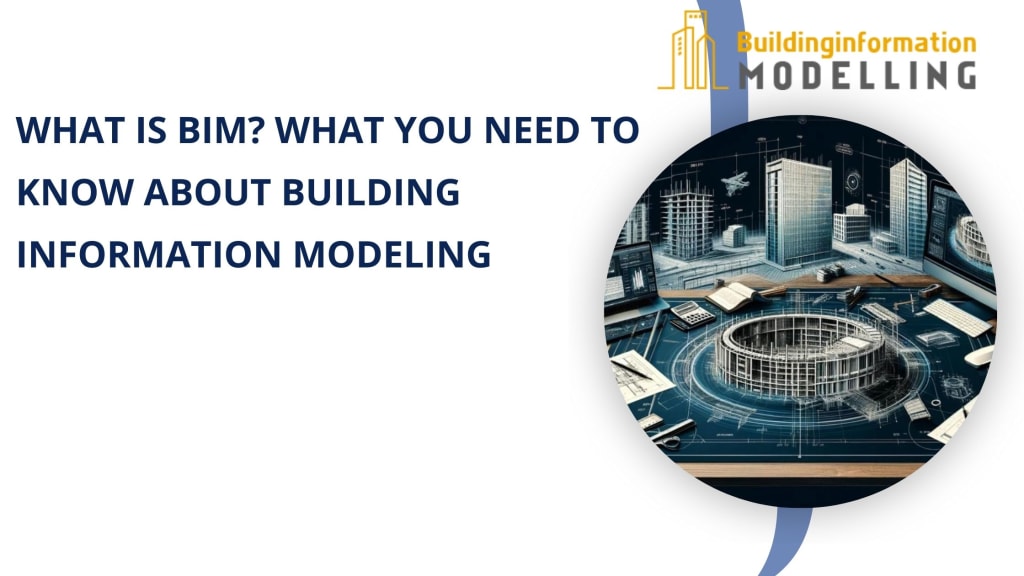
Imagine walking into a construction site, and instead of relying on stacks of blueprints, everyone is working off a single, digital 3D model of the project. That’s the power of BIM – Building Information Modeling. It’s more than just a buzzword in the architecture, engineering, and construction industries. It’s a game-changing process that has redefined how buildings are designed, built, and managed.
But what exactly is BIM, and why is it so important? In this blog post, we’ll break it down step-by-step, helping you understand the basics, the benefits, and where the future of BIM is headed. Whether you’re new to the concept or looking to deepen your understanding, let’s dive into what you need to know about Building Information Modeling.
What is the Basic Knowledge of BIM?
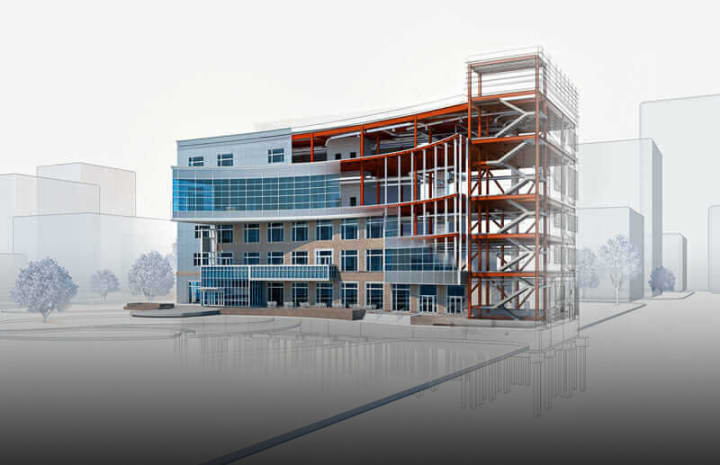
Building Information Modeling Services is a process where architects, engineers, contractors, and clients work together using a shared digital model of the building. Unlike traditional methods where each party might use separate drawings, BIM allows everyone to work off the same virtual representation of a building, which includes all relevant data.
This virtual model is more than just a 3D drawing – it contains critical information about materials, costs, timelines, and even sustainability aspects.
A Simple Analogy:
Imagine BIM as a Google Doc, where multiple people can collaborate in real-time. If one person makes a change, everyone can see it instantly, reducing confusion and mistakes. Now, imagine that Google Doc is a 3D digital model of a building, complete with layers of data about every element, from the windows to the plumbing.
BIM helps streamline the construction process by improving communication and reducing errors. It’s widely used across various industries, including architecture, engineering, and construction, and it has become an essential tool for those looking to optimize their projects.
What are the Fundamentals of Building Information Modeling?
At its core, BIM is about more than just creating a 3D model. It’s about integrating various types of data into a single source of truth. Let’s break down the key components that make up BIM:
●3D Models: At the heart of BIM is the 3D model, which allows stakeholders to visualize the building. This model includes not only geometry but also essential data such as material types and dimensions.
●Data Integration: BIM integrates various data points, including costs, schedules, sustainability measures, and even maintenance information. This helps keep all parties on the same page, ensuring that everyone is working with accurate and up-to-date information.
●Lifecycle Management: BIM covers the entire lifecycle of a building, from the initial design stages through construction, operation, and even demolition. This makes it an invaluable tool for both construction professionals and facility managers.
By simplifying complex projects and keeping everyone aligned, BIM transforms the way we think about building design and construction.
What are the Basic Principles of BIM?
BIM operates on a few fundamental principles that set it apart from traditional construction methods. Let’s take a look at the most important ones:
●Collaboration: BIM promotes collaboration between all stakeholders, from architects and engineers to contractors and clients. Everyone works from the same model, reducing the chance of miscommunication.
●Accuracy: Since all stakeholders work from the same digital model, the level of accuracy in BIM projects is much higher than in traditional methods. Mistakes and discrepancies are caught earlier in the process.
●Lifecycle Management: BIM doesn’t stop once the building is constructed. The model contains information that can be used for the building’s long-term operation, making maintenance and renovations easier.
What are the 5 Levels of BIM?
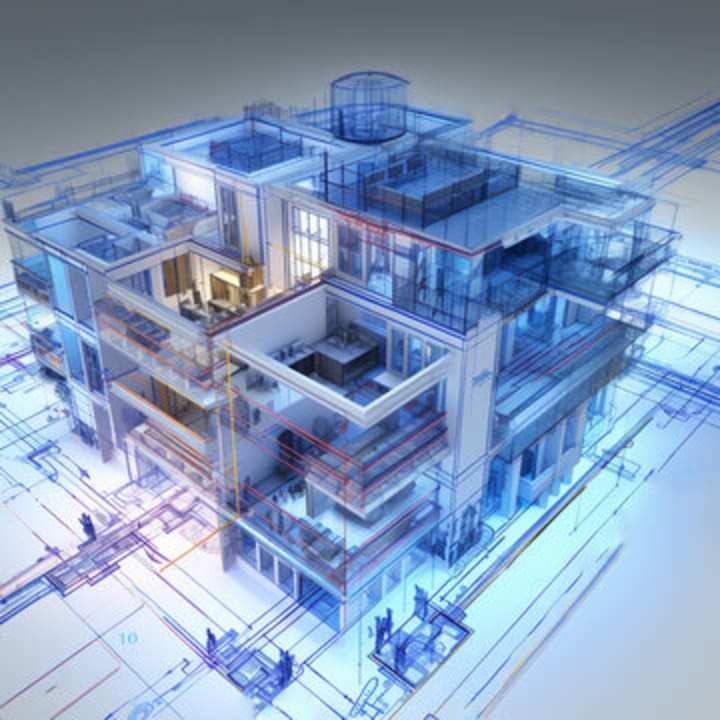
BIM is often categorized into different levels, ranging from Level 0 to Level 4. Each level represents a different degree of collaboration and data integration. Here’s a breakdown:
●Level 0 BIM: This is the most basic level, where there’s no collaboration between parties. Each stakeholder uses their 2D drawings.
●Level 1 BIM: This is a mix of 2D and 3D data. Collaboration starts to occur, but it’s still somewhat limited.
●Level 2 BIM: At this level, stakeholders are working off shared 3D models, but they might still have separate models for different aspects of the project.
●Level 3 BIM: This is where full collaboration happens. Everyone works off a single, integrated 3D model.
●Level 4 BIM: Level 4 adds the element of time (scheduling), which allows teams to track the progress of the project in real-time, making it 4D BIM.
Visualizing the different levels of BIM can help teams understand where they are on the collaboration spectrum and where they need to go.
What are 3D and 4D in BIM?
BIM is often discussed in terms of dimensions. The two most common are 3D and 4D:
●3D BIM: This is the most basic form of BIM, which involves creating a digital 3D model of a building. It allows architects and engineers to visualize the structure in three dimensions.
●4D BIM: In 4D BIM Modeling, the element of time is added. This means that in addition to the 3D model, teams can track the project’s timeline and schedule. It’s a powerful tool for managing project deadlines and ensuring things stay on track.
For example, imagine being able to watch a time-lapse of your building being constructed, from the first brick to the final coat of paint. That’s the power of 4D BIM Modeling.
BIM Benefits
Why is BIM becoming so popular in the construction industry? Let’s explore some of its top benefits:
●Cost Savings: By catching mistakes early and reducing the need for rework, BIM can save projects significant amounts of money.
●Better Collaboration: Since all stakeholders are working from the same model, communication is improved, and misunderstandings are minimized.
●Increased Efficiency: BIM’s ability to track materials, timelines, and other data points in real-time allows for smoother project execution.
A real-world example of BIM’s benefits can be seen in the construction of the new Terminal at London Heathrow Airport, where BIM helped reduce construction costs and streamline communication between the numerous contractors involved.
BIM vs Traditional Methods
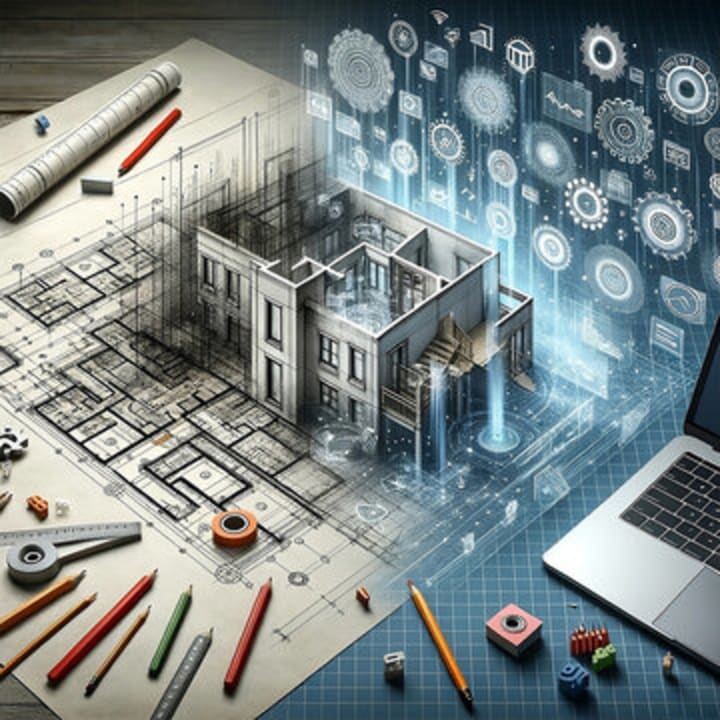
Digital vs. Physical: BIM uses digital tools and software to create a 3D model, while traditional methods rely on physical drawings and blueprints.
Collaboration: BIM fosters better collaboration among project teams, as everyone can access and work on the same digital model. Traditional methods often involve manual coordination and communication.
Efficiency: BIM can streamline the design and construction process, leading to faster project completion and reduced costs. Traditional methods can be more time-consuming and prone to errors.
Visualization: BIM allows stakeholders to visualize the project in 3D, making it easier to understand and identify potential issues. Traditional methods provide a 2D view, which can be less
Future of BIM
Where is BIM headed in the future? Here are a few trends to watch:
●AI Integration: Artificial intelligence is being used to further streamline BIM processes, from automating design tasks to predicting potential project risks.
●6D/7D BIM: As BIM evolves, new dimensions are being added. 6D BIM incorporates sustainability data, while 7D BIM focuses on the long-term facility management of the building.
●Smart Cities: BIM is expected to play a key role in the development of smart cities, where buildings and infrastructure will be interconnected in ways we’ve never seen before.
As technology continues to evolve, BIM will only become more integral to the future of construction and urban planning.
Conclusion
Building Information Modeling (BIM) is more than just a tool – it’s a revolutionary process that is transforming the construction and architecture industries. By improving collaboration, increasing accuracy, and streamlining the entire building lifecycle, BIM provides countless benefits to all involved.
From 3D and 4D modeling to the future of smart cities, the future of BIM is bright. Whether you’re working with a BIM Engineering Consultancy firm or exploring Building Information Modeling Services, understanding the fundamentals of BIM will help you navigate the future of construction with confidence.
If you’re looking to get ahead in the construction industry, now is the time to embrace BIM, the future of building design and management.
About the Creator
lisa Brown
Building Information Modelling delivers high quality out performing designs in Electrical BIM Services. We collectively work as a team and we believe in delivering end to end solutions in electrical designs and drawings.
Keep reading
More stories from lisa Brown and writers in Art and other communities.
A Matter of Coincidence
Tuesday, 3 September 2024 Ayesha Fareed Ahmed, Mirpur Khas Sheeda was a simple and innocent man. One day, he was going to his wife’s village to bring her back. On the way, he saw some donkeys grazing on grass at a certain place. Eventually, he reached his in-laws’ house. His wife’s brother asked him to sit in the guest room.
By Sudais Zakwan2 days ago in Art
What Fine Line Tattoo Excellence Looks Like in Professional Practice
When you sit in the chair of one of the best fine line tattoo artists, you feel it straight away. The calm, the care, the way they handle your skin and your nerves at the same time. Fine line work looks light and effortless from the outside, but real excellence is anything but casual.
By Tools of Trade Studios7 days ago in Art




Comments
There are no comments for this story
Be the first to respond and start the conversation.