
Tracing the Evolution of Writing and Artistic Mediums
The History Of Paper, Canvas and Paint

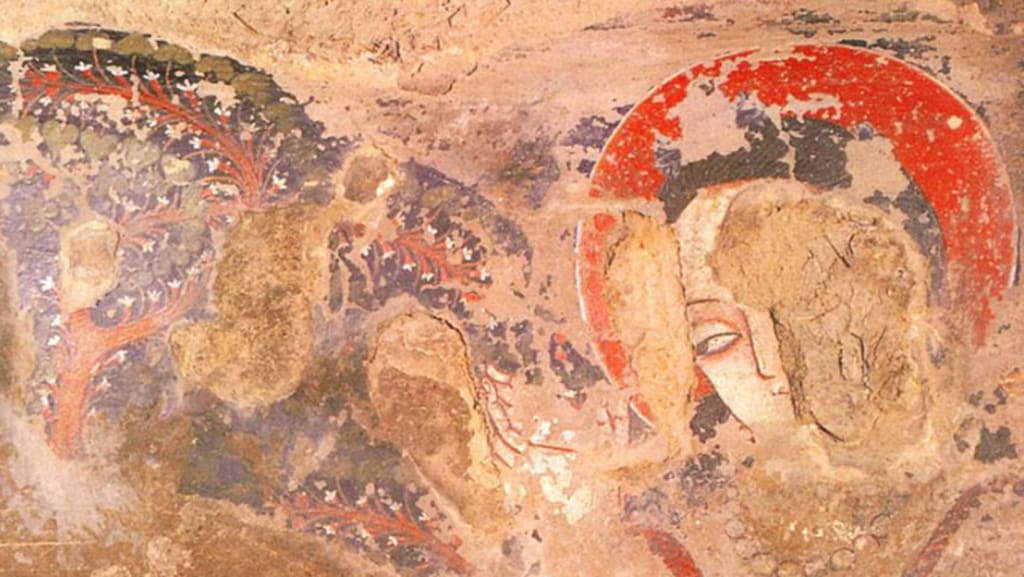
The history of paper, canvas, and paints is a rich tapestry woven with innovation, creativity, and cultural significance. From the ancient civilizations of Egypt and China to the Renaissance masters of Europe, these materials have played a vital role in the preservation of knowledge and the expression of artistic vision.
Paper, as we know it today, has its origins in ancient China, where it was first invented around the 2nd century BCE. Early forms of paper were made from mulberry bark, hemp, and other plant fibers, which were soaked, pulped, and pressed into thin sheets. These early papers were valued for their lightweight and durable qualities, making them ideal for writing, printing, and artistic endeavors.
The invention of paper revolutionized the way information was recorded and disseminated, leading to advancements in education, communication, and culture. Papermaking spread from China to the Islamic world and eventually to Europe, where it became a staple of the printing and publishing industries. The Gutenberg Bible, printed on paper in the 15th century, is often cited as one of the most influential books in history, marking the beginning of the mass production of printed materials.
While paper transformed the world of writing and literature, canvas emerged as a revolutionary medium for visual art. The use of canvas as a painting surface can be traced back to ancient times, with evidence of its use in ancient Egypt and Rome. However, it was during the Renaissance in Europe that canvas began to gain widespread popularity among artists.
Canvas, typically made from linen or cotton fibers, offered several advantages over traditional painting surfaces such as wood or plaster. It was lightweight, flexible, and easily transportable, allowing artists greater freedom of expression and the ability to work on larger scales. Canvas also provided a smoother and more absorbent surface for paint, enabling artists to achieve finer details and richer colors in their compositions.
One of the most famous examples of canvas painting from the Renaissance is Leonardo da Vinci's "The Last Supper," which was painted on a wall in the refectory of the Convent of Santa Maria delle Grazie in Milan. While not painted directly on canvas, "The Last Supper" exemplifies the monumental scale and technical mastery that became possible with the use of canvas as a painting surface.
The advent of canvas painting coincided with the development of new painting techniques and materials, including the world's first paints. The earliest known paints date back to prehistoric times and were made from natural pigments such as minerals, clay, and plant extracts, mixed with binders such as water, egg white, or animal fat.
One of the oldest known examples of painted artwork is the cave paintings found in Lascaux, France, which date back over 17,000 years. These paintings, depicting animals, humans, and abstract symbols, were created using a combination of mineral pigments and natural binders, applied with fingers, brushes, or animal hair.
In ancient Egypt, artists used a similar palette of natural pigments to create vibrant frescoes and murals on the walls of tombs and temples. These paintings, which depicted scenes from everyday life, mythology, and religious rituals, were often accompanied by hieroglyphic inscriptions, creating a visual narrative that served both practical and symbolic purposes.
In ancient Greece and Rome, artists expanded their repertoire of paints and techniques, experimenting with new pigments such as vermilion, ochre, and lapis lazuli. These pigments were ground into fine powders and mixed with binders such as egg yolk or wax, creating a versatile palette of colors that could be applied to a variety of surfaces.
During the Middle Ages and Renaissance, artists continued to refine their painting techniques, developing new methods of preparing pigments and binders to achieve greater luminosity and permanence in their works. The use of oil paints, introduced in the 15th century, revolutionized the art of painting, allowing artists to create subtle gradations of color and texture with unprecedented control and precision.
In conclusion, the history of paper, canvas, and paints is a testament to the ingenuity and creativity of humanity. From the invention of paper in ancient China to the development of canvas painting in Renaissance Europe, these materials have played a central role in the evolution of writing and art. As we continue to explore new mediums and techniques, we are reminded of the enduring power of creativity to inspire, educate, and transform the world around us.
About the Creator
Janie
Passionate about unraveling the intricate tapestry of art history and contemporary artistic expressions. Beyond brushstrokes and colors, into the mental and physical struggles of artists.
'Till Death We Do Art
There would be nothing divine in this world without art. Nature may surpass the divine to all intents and purposes, but like everything it absorbs and is absorbed by, it remains here, stuck on the surface of this world, ever-present, physically bound to the universe.
By Avocado Nunzella BSc (Psych) -- M.A.P 23 days ago in Art
Wander the World
In a not-so-distant future, the world had changed in many ways. Cities floated in the sky, and robots helped people with their daily tasks. Among these wonders lived a curious girl named Elara. She was sixteen years old and always dreamed of exploring the world beyond her floating city called Skyhaven. Elara had long, wavy hair, bright green eyes, and a heart full of adventure. She spent her days in her small room, gazing at the stars through her window, imagining the places she would go.
By Hamad Afridi 6 days ago in Art
From ad men to mad men
It's after 2am in the morning when a local police patrol vehicle in Northern New Jersey spots a figure costumed as Quasimodo, The Hunchback of Notre Dame, proceeding southbound on the sidewalk along Lydecker Street. Though the hunchback’s costume stuffing offers added insulation, it's January, and friggin’ freezing. Carefully, the officers slow down, gently question the subject, and offer him a ride home.
By David W. Maury6 days ago in Humor



Comments