
Shakespeare's Legacy: A Deep Dive into His Life, Works, and Lasting Impact
Shakespeare The World's Playwriter

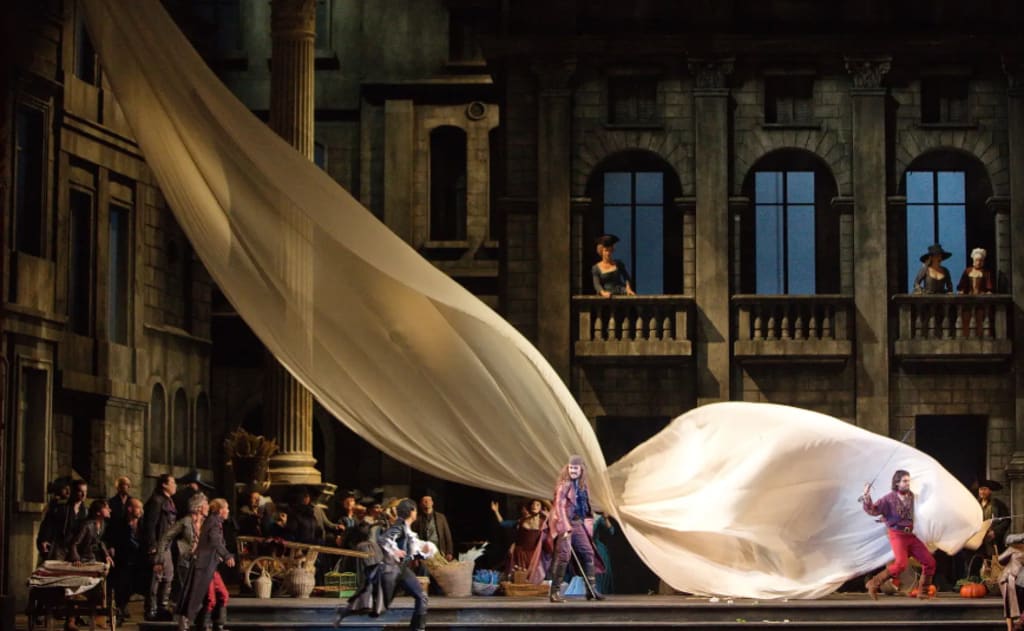
William Shakespeare, often hailed as the greatest playwright in the English language, left a mark on the world of literature and theater. Born in 1564 in Stratford-upon-Avon, England, Shakespeare's prolific career spanned over three decades, during which he penned some of the most enduring and beloved works in the history of literature. From his early comedies and histories to his later tragedies and romances, Shakespeare's plays continue to captivate audiences around the globe, transcending time and culture.
Shakespeare's theatrical career began in the late 16th century, during the reign of Queen Elizabeth I, a period known as the Elizabethan era. The theater flourished during this time, with Shakespeare's plays attracting audiences from all walks of life. His earliest known works include comedies such as "The Comedy of Errors" and "The Taming of the Shrew," which were performed by the Lord Chamberlain's Men, a prominent theater company of the time.
As Shakespeare's reputation grew, so did the scale and ambition of his productions. In 1599, the Lord Chamberlain's Men opened the Globe Theatre, a purpose-built playhouse in London's Southwark district, where many of Shakespeare's greatest works were staged. The Globe became synonymous with Shakespearean theater, hosting performances of iconic plays such as "Romeo and Juliet," "Hamlet," and "Macbeth."
Throughout his career, Shakespeare collaborated with a diverse ensemble of actors, many of whom became synonymous with his iconic characters. Richard Burbage, for example, was renowned for his portrayal of tragic heroes such as Hamlet and King Lear, while Will Kemp specialized in comedic roles, including the irrepressible Falstaff in "Henry IV" and "The Merry Wives of Windsor."
One of the most famous productions in Shakespearean history is "Hamlet," believed to have been written around 1600. The play tells the story of Prince Hamlet of Denmark, who seeks revenge against his uncle Claudius for murdering his father and usurping the throne. "Hamlet" is renowned for its complex characters, philosophical depth, and iconic soliloquies, including the immortal lines "To be, or not to be: that is the question."
The original production of "Hamlet" is believed to have featured Richard Burbage in the title role, with other notable cast members including Will Kemp as the gravedigger and John Heminges as Claudius. The play was an instant success, captivating audiences with its gripping drama, psychological insight, and timeless themes of revenge, betrayal, and mortality.
As Shakespeare's career progressed, he continued to experiment with different genres and styles, producing a diverse range of plays that explored the full spectrum of human experience. In his later years, Shakespeare turned his attention to romances such as "The Tempest" and "The Winter's Tale," which are characterized by their magical realism, themes of forgiveness and reconciliation, and evocative imagery.
Shakespeare's final production, believed to be "The Two Noble Kinsmen," was a collaboration with playwright John Fletcher and was first performed in 1613. The play, based on Chaucer's "The Knight's Tale," tells the story of two cousins, Palamon and Arcite, who fall in love with the same woman, leading to a series of trials and tribulations. While "The Two Noble Kinsmen" may not be as well-known as some of Shakespeare's other works, it nonetheless represents a fitting conclusion to a remarkable career.
In conclusion, William Shakespeare's contributions to literature and theater are immeasurable, with his plays continuing to inspire and resonate with audiences around the world. From his early comedies and histories to his later tragedies and romances, Shakespeare's works explore the depths of the human soul with insight and artistry that is reflected even now in the current world where his plays live on acted out in larger auditoriums in many different perspectives.
About the Creator
Janie
Passionate about unraveling the intricate tapestry of art history and contemporary artistic expressions. Beyond brushstrokes and colors, into the mental and physical struggles of artists.
'Till Death We Do Art
There would be nothing divine in this world without art. Nature may surpass the divine to all intents and purposes, but like everything it absorbs and is absorbed by, it remains here, stuck on the surface of this world, ever-present, physically bound to the universe.
By Avocado Nunzella BSc (Psych) -- M.A.P 26 days ago in Art



Comments