
Top 10 Benefits of Regenerative Agriculture
10 Key Benefits of Regenerative Agriculture

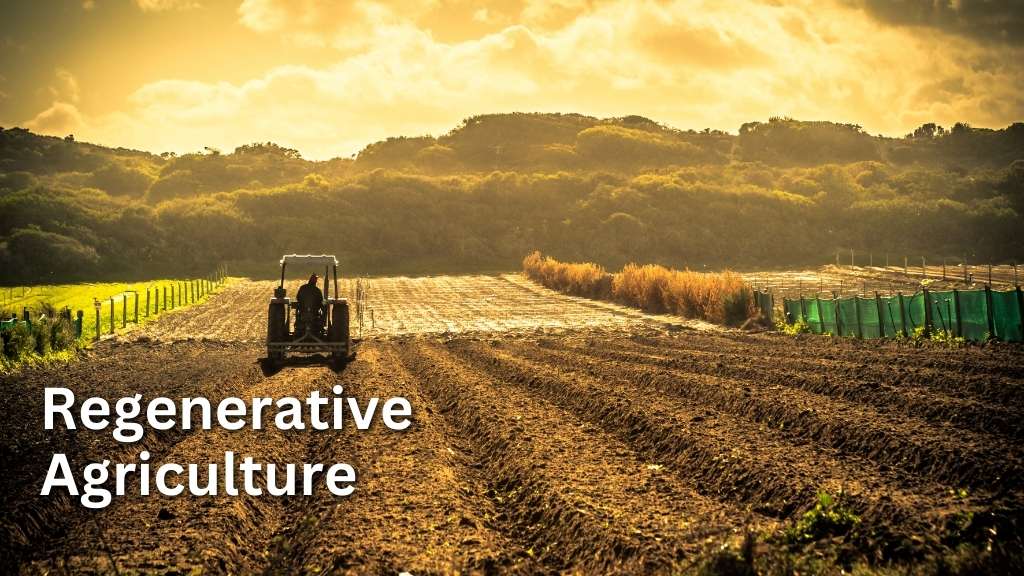
Regenerative agriculture is an innovative farming practice that focuses on improving soil health, increasing biodiversity, and restoring ecosystems. Unlike conventional farming methods, which often deplete the soil and environment, regenerative agriculture works with nature to create a sustainable and resilient agricultural system. In this article, we will discuss the top 10 benefits of regenerative agriculture, highlighting how it helps our planet, farmers, and communities.
1. Improves Soil Health
One of the biggest benefits of regenerative agriculture is the improvement of soil health. Traditional farming methods often degrade soil, leading to erosion, nutrient loss, and reduced water retention. However, regenerative practices like crop rotation, cover cropping, and reduced tilling help restore the soil’s structure. This leads to healthier, more fertile soil that supports better plant growth and increases the land’s productivity over time.
2. Enhances Biodiversity
Regenerative agriculture encourages biodiversity by planting a variety of crops, maintaining natural habitats, and reducing the use of harmful pesticides. This approach supports a wide range of plant and animal species, which helps maintain a balanced ecosystem. By promoting biodiversity, regenerative farming reduces the risk of pests and diseases, creating a more resilient farming system.
3. Reduces Carbon Emissions
One of the most important benefits of regenerative agriculture is its ability to combat climate change. Regenerative practices like no-till farming, agroforestry, and holistic grazing increase the amount of carbon stored in the soil. This helps remove excess carbon dioxide from the atmosphere and store it in the ground, acting as a natural carbon sink. As a result, regenerative agriculture plays a key role in reducing greenhouse gas emissions and mitigating global warming.
4. Improves Water Retention and Quality
Healthy soil under regenerative agriculture practices has better water retention. When the soil is rich in organic matter and not compacted, it absorbs and holds water more effectively. This reduces the risk of floods during heavy rain and ensures crops have enough water during dry periods. Furthermore, regenerative methods reduce water pollution by minimizing chemical runoff from synthetic fertilizers and pesticides, leading to cleaner water sources.
5. Increases Farm Profitability
While transitioning to regenerative agriculture may require an initial investment, it can lead to greater profitability in the long run. Healthier soil produces more resilient crops that are less susceptible to pests and diseases. This means fewer inputs like chemical pesticides and fertilizers are needed. Additionally, regenerative practices can improve the yield over time, helping farmers to earn more without relying on expensive and harmful chemical treatments.
6. Promotes Animal Welfare
In regenerative agriculture, livestock are often raised in more natural conditions. Practices like rotational grazing allow animals to graze in different areas, preventing overgrazing and promoting healthier pastures. This also ensures that animals have access to natural food sources and can express their natural behaviors. As a result, animals are healthier, and their welfare is prioritized, leading to better quality meat and dairy products.
7. Restores Ecosystems
One of the key goals of regenerative agriculture is to restore ecosystems that have been damaged by conventional farming practices. By focusing on soil health, reforestation, and water management, regenerative methods help rebuild ecosystems that support a wide variety of plant and animal life. This restoration not only benefits wildlife but also helps improve the overall health of the planet.
8. Reduces Dependency on Synthetic Inputs
Conventional farming often relies heavily on synthetic chemicals, such as fertilizers and pesticides, which can harm the environment and human health. Regenerative agriculture minimizes or eliminates the need for these harmful inputs. By improving soil health and using natural methods like composting, crop rotation, and companion planting, regenerative farming reduces the reliance on synthetic chemicals. This makes the entire farming process safer and more sustainable.
9. Supports Local Communities
Farmers who practice regenerative agriculture often prioritize local and sustainable food systems. By growing diverse crops and raising animals in healthy, ethical ways, regenerative farms can supply local communities with fresh, nutritious food. This helps strengthen local economies, reduces the carbon footprint associated with food transportation, and builds a more resilient local food system.
Read Also: Tips for Renting Land for Farming
10. Encourages Long-Term Sustainability
Perhaps the most important benefit of regenerative agriculture is its focus on long-term sustainability. Unlike conventional farming, which depletes natural resources over time, regenerative practices aim to restore and improve the land for future generations. By focusing on soil health, water conservation, biodiversity, and ecosystem restoration, regenerative agriculture ensures that farming can continue in a way that is not only productive but also environmentally and socially responsible.
Conclusion
Regenerative agriculture offers numerous benefits for farmers, communities, and the planet as a whole. By focusing on soil health, biodiversity, water conservation, and reducing reliance on harmful chemicals, regenerative practices promote a healthier, more sustainable way of farming. With its ability to restore ecosystems, combat climate change, and support local economies, regenerative agriculture is paving the way for a better and more sustainable future in agriculture.
About the Creator
Eco Farming Daily
Discover expert tips on organic farming, regenerative agriculture, livestock care, and profitable crop production. Learn to build soil, grow crops, and manage your farm sustainably.
Keep reading
More stories from Eco Farming Daily and writers in Art and other communities.
How to Make Organic Compost at Home
Making organic compost at home is a great way to recycle kitchen scraps, yard waste, and other organic materials into a rich, nutrient-filled substance for your plants. It not only helps you reduce waste but also provides the best compost for plants that promotes healthy growth. If you want to learn how to make organic compost at home, this guide will take you through the simple steps.
By Eco Farming Daily10 months ago in Art
How to Build a Profitable Online Business From Scratch
Building a profitable online business from scratch is no longer reserved for tech experts or Silicon Valley insiders. With the right strategy, tools, and mindset, anyone with a solid idea and the willingness to learn can create a sustainable source of income online. The digital economy has lowered the barrier to entry, allowing entrepreneurs to reach global audiences, test ideas quickly, and scale faster than ever before.
By Ayush Bagwaria day ago in Art
Thoughts on Vocal and the way the world is
"Death cannot stop true love, only delay it." – Wesley in The Princess Bride. I decided to come back to Vocal on a very cold and dark night at the end of December. I had been, and still am, convalescing from a horrible staph infection that had gone misdiagnosed for months. This, paired with the increasing challenges of being healthy, making the best choices for my co-parented child, being a wife, and being a director at a new job, was a lot to manage.
By Jazzy 7 days ago in Confessions


Comments
There are no comments for this story
Be the first to respond and start the conversation.