
How to Make Organic Compost at Home
Making Nutritious Organic Compost for Healthier Plants


Making organic compost at home is a great way to recycle kitchen scraps, yard waste, and other organic materials into a rich, nutrient-filled substance for your plants. It not only helps you reduce waste but also provides the best compost for plants that promotes healthy growth. If you want to learn how to make organic compost at home, this guide will take you through the simple steps.
What is Organic Compost?
Organic compost is a mixture of decomposed organic matter. It includes food scraps, leaves, grass clippings, and other natural materials. When these materials break down, they turn into a dark, crumbly substance that is full of nutrients. This compost can be added to your garden soil to improve its structure, retain moisture, and help your plants grow stronger.
Why Should You Make Organic Compost at Home?
There are many reasons to make organic compost at home:
Reduce Waste: Instead of sending food scraps and yard waste to the landfill, you can turn them into something useful.
Better Soil: Homemade compost enriches your soil with important nutrients, making it the best compost for plants.
Save Money: You won't need to buy expensive chemical fertilizers.
Environmentally Friendly: Composting helps reduce the amount of waste that ends up in landfills.
Materials You’ll Need
Before you start, you need to gather the materials that will go into your compost bin or pile. You’ll need two types of materials:
1. Green Materials (Nitrogen-rich)
These are moist and rich in nitrogen. They help in the decomposition process. Some examples include:
Fruit and vegetable scraps
- Coffee grounds
- Grass clippings
- Eggshells
- Green leaves
- Weeds
2. Brown Materials (Carbon-rich)
These materials provide carbon to balance out the green materials. Examples include:
- Dry leaves
- Straw or hay
- Sawdust
- Shredded newspaper
- Twigs and branches
- Cardboard
3. Water
Moisture is essential for the composting process, so make sure your compost is damp, but not too wet. The ideal moisture level is similar to a wrung-out sponge.
Steps to Make Organic Compost at Home
Follow these simple steps to start making your own organic compost:
Step 1: Choose a Location
Pick a spot in your yard that is dry and shady. It should be well-ventilated, as this will help the decomposition process. You can use a compost bin or simply make a compost pile.
Step 2: Set Up a Compost Bin (Optional)
If you prefer a neat composting system, a compost bin is a good choice. You can buy one or make your own using wooden pallets or wire mesh. Make sure the bin has holes for air circulation.
Step 3: Layer the Materials
Start by adding a layer of coarse brown materials (like small twigs or straw) at the bottom of the compost bin or pile. This helps with drainage and airflow. After that, alternate layers of green and brown materials. A good rule of thumb is to use about 2 parts brown materials to 1 part green materials. Continue layering until your compost pile is about 3 feet tall.
Step 4: Turn the Pile Regularly
To speed up the composting process, you need to turn the pile every few weeks using a pitchfork or shovel. This allows air to circulate through the pile, which helps the microorganisms break down the materials faster. Turning the pile also prevents odors and keeps the compost well-mixed.
Step 5: Add Water
Your compost should be damp but not soaked. Water the pile if it feels dry, and make sure it doesn’t dry out completely. If your compost is too wet, add more brown materials to balance it out.
Step 6: Wait and Watch
The composting process can take anywhere from a few months to a year, depending on the materials, moisture, and temperature. You’ll know your compost is ready when it turns dark brown and has an earthy smell. It should be crumbly and soft to the touch. You can use a screen to sift the compost and remove any large chunks.
How to Use Organic Compost in Your Garden
Once your compost is ready, you can use it to enrich your garden soil. Here are some ways to use your homemade organic compost:
Add to the Soil: Mix compost into the soil to improve its texture and add nutrients.
Mulch: Spread a layer of compost around your plants to help retain moisture and suppress weeds.
Potting Mix: You can also mix compost with potting soil to create the best compost for plants.
Tips for Making the Best Organic Compost
Chop Up Materials: Break down larger items like branches or large food scraps. Smaller pieces decompose faster.
Balance Greens and Browns: Too much green material can make your compost too smelly, while too much brown material can make it dry and slow down decomposition.
Maintain Airflow: The compost pile should have good airflow to help the microorganisms thrive. Turning the pile regularly ensures oxygen reaches the center.
Avoid Meat, Dairy, and Oils: These items attract pests and can slow down the composting process.
Conclusion
Making organic compost at home is simple and highly beneficial for both your garden and the environment. By following the steps above, you can create the best compost for plants that will provide your garden with the nutrients it needs to grow strong and healthy. Plus, it’s an easy way to recycle waste and reduce your carbon footprint. Start composting today, and watch your plants thrive!
About the Creator
Eco Farming Daily
Discover expert tips on organic farming, regenerative agriculture, livestock care, and profitable crop production. Learn to build soil, grow crops, and manage your farm sustainably.
Keep reading
More stories from Eco Farming Daily and writers in Art and other communities.
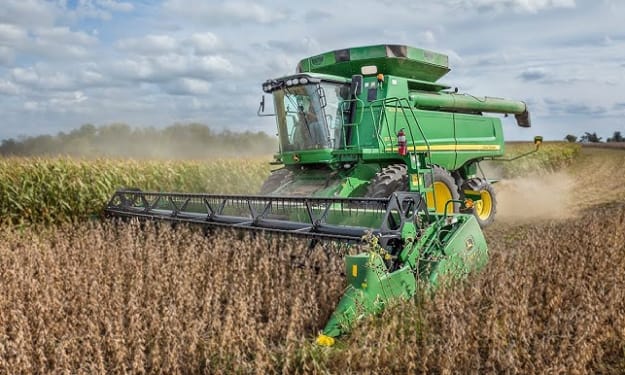
How Do You Know When to Pick Soybeans?
Soybean farming is a rewarding but time-sensitive task that requires knowledge about the right timing for harvesting soybeans. Growing soybeans from seed to harvest is a process that spans several months, and knowing the right time to pick the beans is crucial for getting the best yield. In this article, we will explore the signs that indicate it’s time to harvest, the importance of proper timing, and some key soybean farming techniques to help you successfully manage your crops.
By Eco Farming Daily12 months ago in Art
Every Brushstroke Was a Wish
In the small, quiet town of Avelar, there was a woman named Lena who painted with the kind of passion that only the truly lost could understand. Her cottage was perched at the edge of a vast forest, the kind of place where the whispers of the trees seemed to reach through the windowpanes, mingling with the rhythm of her brush against canvas. People in the town would pass by and sometimes glance at the paintings displayed in her window. But few, if any, understood the soul of her work.
By Jhon smith7 days ago in Art
Project Hail Mary
The anticipation for the Project Hail Mary film adaptation in 2026 is absolutely massive! Andy Weir’s story is a masterclass in 'competence porn,' and seeing Ryland Grace brought to life on the big screen is going to be a cinematic treat. Translating that level of scientific problem-solving to film is a highly strategic process—much like the focus and timing required in a top-tier ice fishing slot game in the UK—you have to get every detail right to make the 'catch' truly satisfying for the audience
By StanleyGreena day ago in Art
Five—One Grounding
Five—Locked in a perpetual battle against my failing senses and reason, I fight to survive, to get through; I am afraid of... nothingandeverythingallatonce—...—my mouth is dry, and my muscles seize up... what can I see? I can see the birdcage and birds; I can see the watercolour my beautiful wife painted many years ago and unlocked her journey into art; I can see the empty mug of tea as it sits perilously on the arm of the sofa; how many is that now? Three down, two to go; I can also see a jackdaw on the roof of our neighbour's house across the road and a bookcase of potential—Five things you can see.
By Paul Stewart7 days ago in Poets



Comments
There are no comments for this story
Be the first to respond and start the conversation.