
The Story of Peshawar
A City of History, Culture, and Resilience

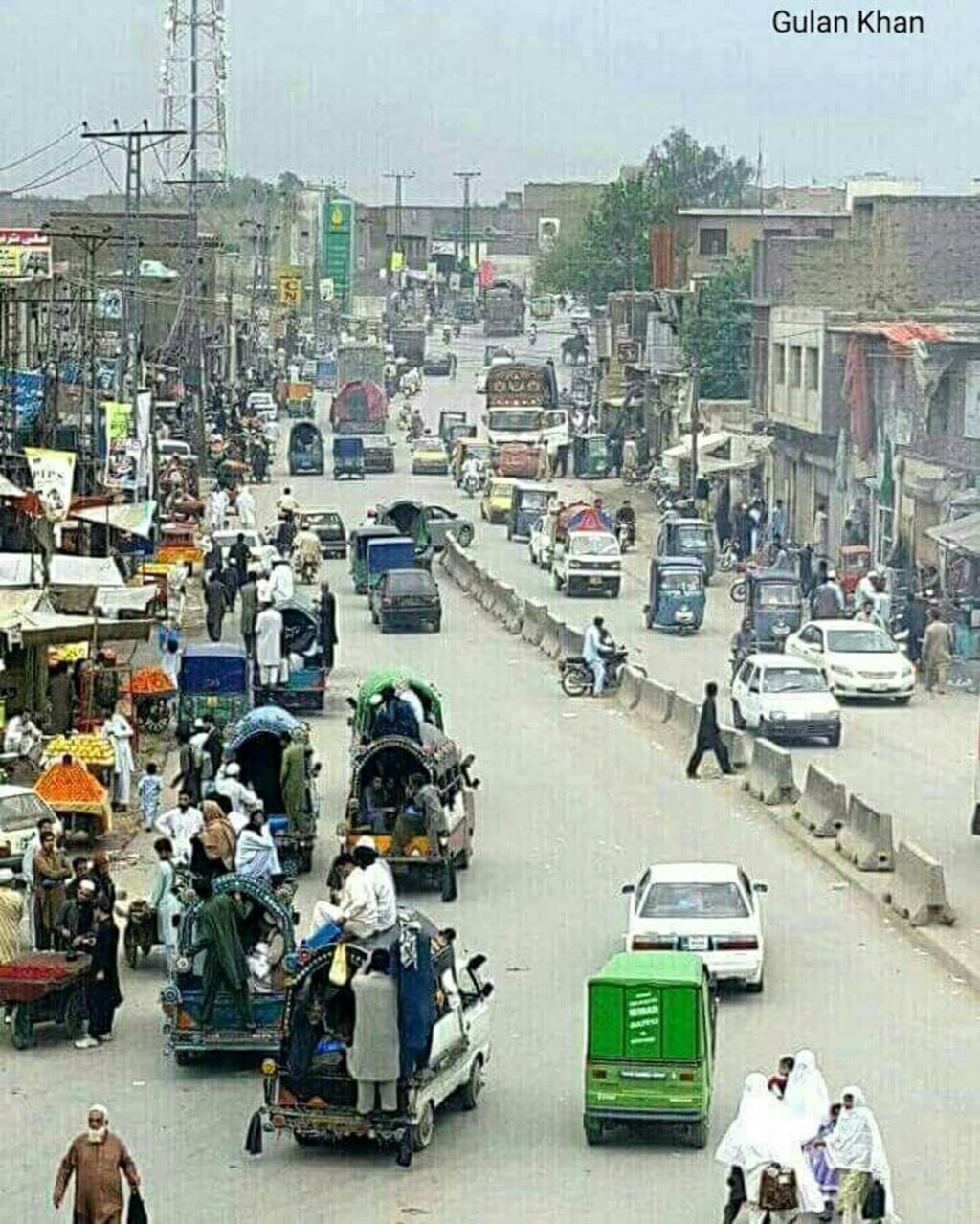
Peshawar, the capital of Khyber Pakhtunkhwa province in Pakistan, is one of the oldest cities in South Asia, with a history stretching back over 2,000 years. Known as the "Gateway to the East," Peshawar has stood at the crossroads of empires, trade routes, and civilizations. Its story is one of glory, struggle, and survival—shaped by invaders, traders, poets, and patriots.
The Ancient City
Peshawar’s earliest known name was Puruṣapura, meaning “City of Men,” during the time of the ancient Gandhara civilization around the 2nd century BCE. It was a center of Buddhist culture and learning, with great monasteries and stupas built under the Kushan Empire, especially during the reign of Kanishka the Great. The famous Chinese traveler Fa-Hien and later Xuanzang visited Peshawar and wrote about its cultural and spiritual richness.
Remains of the Buddhist stupa once considered the tallest in the world were found here, and sculptures from that era still remain in museums. These archaeological treasures remind us of Peshawar’s golden past as a beacon of learning and tolerance.
The Islamic and Mughal Era
With the spread of Islam, Peshawar became part of various Islamic empires, including the Ghaznavids and Ghurids. Later, during the Mughal Empire, Peshawar flourished as a trading and administrative center. The Mughals built forts, mosques, and gardens that added to the city’s beauty. The famous Mahabat Khan Mosque, built in the 17th century, still stands in the heart of the old city, showcasing stunning Mughal architecture.
During this time, Peshawar’s bazars became famous for their spices, carpets, and weapons, attracting merchants from Central Asia, Persia, and India. The Qissa Khwani Bazaar (Storytellers' Market) was where travelers and traders would gather to exchange tales over tea. It earned Peshawar a legendary place on the old Silk Road.
Colonial Rule and Struggles
In the 19th century, Peshawar came under British rule after the fall of the Sikh Empire. The British recognized its strategic location near the Khyber Pass and turned it into a military and administrative hub. Though the colonial presence brought infrastructure, it also sparked resistance.
Peshawar played a key role in the freedom movement. In 1930, during the Qissa Khwani Bazaar massacre, British soldiers fired on unarmed protestors who were peacefully demonstrating under the leadership of Khan Abdul Ghaffar Khan, also known as Bacha Khan. Dozens were killed. This tragic event became a symbol of non-violent resistance against British rule.
Modern Times and Conflict
After Pakistan's independence in 1947, Peshawar remained an important city. It welcomed thousands of refugees from Afghanistan during the Soviet-Afghan War in the 1980s, transforming the city’s social and political fabric. However, the city also faced rising militancy and violence in the 2000s due to regional instability.
One of the darkest moments in Peshawar’s recent history was the Army Public School (APS) attack on December 16, 2014, when terrorists brutally killed over 140 people, most of them children. The massacre shocked the world and united the nation in grief. It became a turning point in Pakistan’s fight against terrorism and showed the incredible resilience of the people of Peshawar.
A City of Culture and Hope
Despite its challenges, Peshawar continues to be a city of culture, poetry, and courage. It is home to Pashto music, literature, and traditional foods like chapli kebab and kabuli pulao. The city's Bala Hisar Fort, Peshawar Museum, and ancient city gates remain symbols of its layered history.
Its people are known for their hospitality, bravery, and strong sense of identity. Efforts to restore old buildings, revive cultural festivals, and improve education are helping Peshawar reclaim its place as a center of culture and learning.
Conclusion
The story of Peshawar is one of ancient glory, colonial resistance, modern tragedy, and unbreakable spirit. It stands today as a proud witness to history, a survivor of turmoil, and a symbol of the enduring strength of its people. As Peshawar continues to evolve, it carries with it the soul of a city that has seen everything—and still stands tall.
You said:
write about withrawal vocal media in pakistan 600 words
ChatGPT said:
Withdrawal of Vocal Media in Pakistan – A Closer Look at the Silence (600 Words)
In an age where digital platforms offer unprecedented freedom of expression, the withdrawal or restriction of platforms like Vocal Media in Pakistan raises serious questions about media freedom, digital censorship, and the evolving relationship between governments and independent voices. While the platform has never been widely mainstream in Pakistan like Facebook, Twitter (now X), or YouTube, Vocal Media served as a niche outlet for writers and creators seeking global exposure, income opportunities, and the freedom to express themselves without editorial constraints.
The disappearance or inaccessibility of Vocal Media—whether due to regulatory barriers, technical restrictions, or a lack of support—reflects a broader and concerning trend in Pakistan: the tightening grip on independent content and digital expression.
What Is Vocal Media?
Vocal Media is a U.S.-based online publishing platform that allows independent writers, storytellers, poets, journalists, and opinion leaders to publish content across a variety of genres—ranging from personal essays and fiction to tech, travel, wellness, and social issues. The platform also monetizes content based on readership, allowing creators to earn through tips and reads.
In countries where freedom of speech is respected and digital space is open, platforms like Vocal provide an essential alternative to traditional publishing. Writers who lack access to mainstream media outlets use such platforms to share marginalized stories, raise social issues, and build online communities.
Limited Access and Unofficial Withdrawal
In Pakistan, access to Vocal Media has been inconsistent. Some users report slow loading times, unexplained content removal, or an inability to log in. Unlike formal bans announced by Pakistan Telecommunication Authority (PTA) on platforms like TikTok or X, the status of Vocal Media’s restriction appears informal and unclear. It’s not outright blocked, but it is neither promoted nor accessible with ease, leading to what some call a "silent withdrawal".
This silence can be just as harmful as a loud ban because it avoids public debate and escapes accountability. For writers, especially young ones from rural or marginalized communities who found a voice through platforms like Vocal, this quiet disappearance is deeply disheartening.
The Broader Media Climate in Pakistan
To understand why a platform like Vocal Media may face silent suppression, one must consider the current media environment in Pakistan. Over the past decade, Pakistan has seen increasing restrictions on press freedom and digital expression. Journalists have been harassed, news channels silenced, and social media platforms temporarily banned or throttled.
Laws like the Prevention of Electronic Crimes Act (PECA) have been used to monitor online content, block websites, and arrest users under vague accusations of spreading “false information” or threatening “national security.” While these laws were introduced with the stated aim of curbing cybercrime and online hate speech, they have often been used to target dissent and criticism.
In this environment, platforms like Vocal Media—where government control is minimal and global readership is possible—may be viewed as undesirable, especially if they allow writers to criticize policies, highlight human rights abuses, or discuss taboo topics like gender, religious intolerance, or political corruption.
Impact on Creators and Free Expression
The withdrawal of access to Vocal Media is not just a technical issue—it represents the silencing of hundreds of voices who used the platform for creativity, income, and truth-telling. For many Pakistani writers, especially those without connections in the mainstream publishing world, Vocal Media was a rare platform that welcomed their stories without censorship.
Furthermore, it damages Pakistan’s international image as a nation of vibrant youth, talented writers, and independent thinkers. When digital spaces close, intellectual and creative growth suffers. The economic opportunities lost due to content monetization being blocked or disrupted also affect livelihoods.
Conclusion
The withdrawal of Vocal Media in Pakistan, whether silent or strategic, is part of a larger and troubling pattern of shrinking digital freedoms. It serves as a reminder of how fragile independent expression has become in the digital age—even in a country with a rich tradition of poetry, literature, and political activism. For Pakistan to move forward as a democratic and open society, it must protect—not suppress—the voices of its people, especially the ones who dare to speak through the written word.
About the Creator
ijaz ahmad
my name ijaz ahmad i am from pakistan i am working is a writer
Keep reading
More stories from ijaz ahmad and writers in Art and other communities.
Miners of Pakistan
Mining is one of the oldest and most essential industries in the world, and in Pakistan, it forms a critical part of the economy and workforce. While often underappreciated and working in harsh and dangerous conditions, miners in Pakistan play a crucial role in extracting the country's vast natural resources, which include coal, salt, marble, copper, gold, chromite, and precious gemstones. These resources support key industries, power homes and factories, and even generate exports. Yet, the life of a Pakistani miner is often defined by hardship, risk, and resilience.
By ijaz ahmad8 months ago in Art
What Voice Cloning Technology Means for Creators and Digital Identity
The rise of artificial intelligence has reshaped the creative landscape in countless ways, from AI-generated visual art to automated music composition, and one of the most intriguing frontiers today is voice cloning. With tools that let users clone your voice using only a short sample of speech, creators and digital communicators are discovering new ways to produce audio content that feels natural and expressive.
By aliyashahzadi4 days ago in Art
The Difference Between Decorative Sculptures and Landmark Sculptures
In many outdoor projects, sculptures are often grouped under a single category. However, in real-world applications, decorative sculptures and landmark sculptures serve very different purposes. Treating them as interchangeable elements can result in design conflicts, inefficient use of budget, and weakened spatial impact. For anyone involved in outdoor space planning, understanding the distinction between these two types of sculptures is essential.
By Shenzhen Ruiheng Crafts7 days ago in Art



Comments
There are no comments for this story
Be the first to respond and start the conversation.