
The Mummy Portrait of a Man from Fayum: A Glimpse into Roman Egypt
Roman Portrait

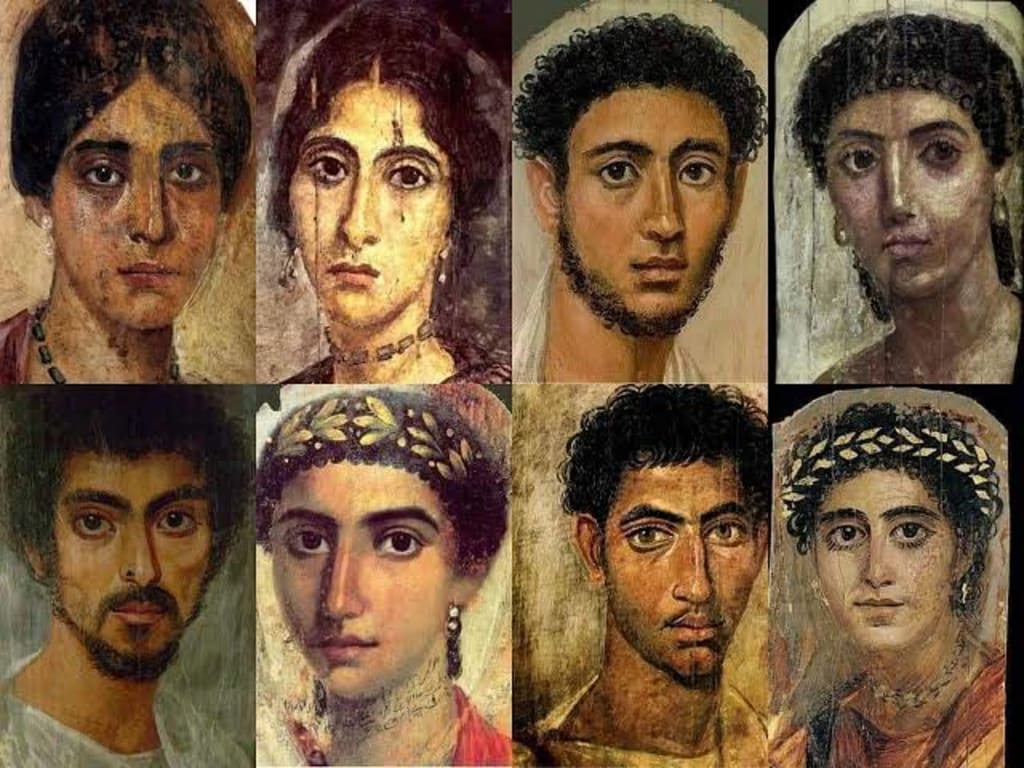
In the arid deserts of Egypt lies an extraordinary artistic tradition that bridges the gap between two distinct cultural worlds: ancient Egypt and imperial Rome. Among the most fascinating remnants of this cultural fusion are the mummy portraits, strikingly lifelike depictions of individuals painted on wooden panels or linen shrouds. One such masterpiece, the Mummy Portrait of a Man, dating to the 2nd or 3rd century CE, now resides in the Ny Carlsberg Glyptotek in Copenhagen.
This portrait is not merely a piece of art—it is a window into the past, revealing the rich cultural and social fabric of Roman Egypt.
---
Mummy Portraits: A Fusion of Traditions
The mummy portraits, also known as Fayum portraits, take their name from the Fayum Basin, a fertile region west of the Nile where many of these artworks were discovered. While their origins are rooted in ancient Egyptian funerary practices, they also reflect the influence of Roman art, which emphasized naturalistic representation.
During this period, Egypt was a province of the Roman Empire, and the blend of Egyptian and Roman cultures is evident in these portraits. They replaced traditional Egyptian funerary masks, which were often stylized and symbolic, with more individualized and lifelike images of the deceased.
---
A Detailed Look at the Portrait
The Mummy Portrait of a Man from the Ny Carlsberg Glyptotek is a captivating example of this artistic tradition. Painted on a wooden panel using the encaustic technique—a method that involves mixing pigments with hot beeswax—the portrait displays remarkable detail and realism.
1. The Subject:
The man in the portrait appears to be in his 30s or 40s, with sharp, expressive features. His almond-shaped eyes, framed by thick brows, gaze directly at the viewer, creating an intimate connection. His short-cropped hair and neatly trimmed beard reflect the fashion of the time, indicating his Roman cultural influences.
2. Clothing and Status:
He wears a tunic with a purple clavus, a vertical stripe often associated with high social status. This detail suggests that he was a member of the elite or an individual of considerable means.
3. Artistic Techniques:
The use of light and shadow gives his face a three-dimensional quality, emphasizing the skill of the artist. The encaustic medium, with its vibrant colors and durability, enhances the lifelike quality of the portrait, allowing it to retain its brilliance for nearly two millennia.
---
The Purpose of Mummy Portraits
Mummy portraits served both artistic and spiritual purposes. They were attached to the mummies of the deceased, placed over the face or incorporated into the wrappings.
For the ancient Egyptians, preserving the body and ensuring the soul's safe passage to the afterlife were paramount. The inclusion of a lifelike portrait added a new dimension to these beliefs, blending Egyptian notions of eternity with Roman ideals of individualism and legacy.
The portraits also provided a lasting representation of the deceased as they wished to be remembered—youthful, dignified, and at their best.
---
Roman Egypt: A Cultural Melting Pot
Roman Egypt was a unique blend of cultures, where Greek, Roman, and Egyptian traditions coexisted and influenced one another. The Mummy Portrait of a Man exemplifies this cultural synthesis.
- Egyptian Influence: The portrait's association with mummification and its role in funerary rites are deeply rooted in Egyptian traditions.
- Roman Influence: The naturalism and individuality of the portrait reflect Roman artistic preferences, which favored realism over abstraction.
This blend of influences created a distinct artistic style, one that continues to captivate art historians and archaeologists today.
---
The Ny Carlsberg Glyptotek and Its Significance
The Ny Carlsberg Glyptotek in Copenhagen houses one of the finest collections of mummy portraits outside Egypt. This portrait, like others in the collection, is a testament to the museum’s commitment to preserving and showcasing the art and history of ancient civilizations.
The Mummy Portrait of a Man stands as a centerpiece of the collection, offering visitors a direct and personal connection to an individual who lived nearly 2,000 years ago.
---
The Legacy of the Fayum Portraits
The Fayum portraits, including the Mummy Portrait of a Man, are celebrated for their unparalleled realism and emotional depth. They have inspired countless artists and scholars, influencing modern portraiture and deepening our understanding of ancient societies.
These portraits are more than just works of art—they are historical documents that preserve the identities and stories of individuals from a bygone era. Each brushstroke and detail tells a story of life, death, and the enduring human desire to be remembered.
---
Conclusion
The Mummy Portrait of a Man from Fayum is a timeless masterpiece, reflecting the artistic and cultural richness of Roman Egypt. Its lifelike quality, cultural significance, and spiritual purpose make it an enduring symbol of the era’s complexity and innovation.
As we gaze into the painted eyes of this man, we are reminded of the universality of human emotions and aspirations. He lived in a world vastly different from ours, yet his portrait speaks to us across the centuries, bridging the gap between the past and the present with remarkable clarity and beauty.
About the Creator
Keep reading
More stories from Deji Akomolafe and writers in Art and other communities.
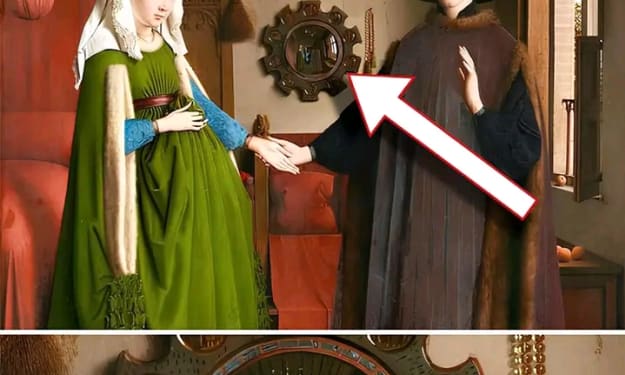
The Mystery and Mastery of Jan van Eyck's Convex Mirror in The Arnolfini Portrait
Jan van Eyck's The Arnolfini Portrait (1434) is one of the most celebrated and analyzed paintings in Western art history. It portrays Giovanni di Nicolao Arnolfini, a wealthy Italian merchant, and his wife in a richly detailed interior. While the couple at the painting’s center initially captures the viewer’s attention, it is the small, convex mirror in the background—measuring a mere three inches in diameter—that continues to mesmerize art enthusiasts and scholars alike. This tiny yet monumental element offers a masterclass in technical skill, narrative depth, and symbolic complexity, elevating the painting from a portrait to a portal of artistic genius.
By Deji Akomolafeabout a year ago in Art
What Voice Cloning Technology Means for Creators and Digital Identity
The rise of artificial intelligence has reshaped the creative landscape in countless ways, from AI-generated visual art to automated music composition, and one of the most intriguing frontiers today is voice cloning. With tools that let users clone your voice using only a short sample of speech, creators and digital communicators are discovering new ways to produce audio content that feels natural and expressive.
By aliyashahzadi8 days ago in Art
“What If It Happens?”
Monday, 11 April 2022 Ishrat Jahan One of our friends, Mr. Farooq, is a middle-aged man, yet he has still not been able to free himself from his deeply suspicious and fearful nature. These days, I happened to have some free time, so I thought it would be a good idea to meet him and try to untangle the puzzle of his constant worries. By coincidence, he himself arrived at my humble home, jolting along in a rickshaw.
By Sudais Zakwana day ago in Art



Comments
There are no comments for this story
Be the first to respond and start the conversation.