
The Last Light of the Valley
The End of Green and the Beginning of Gray
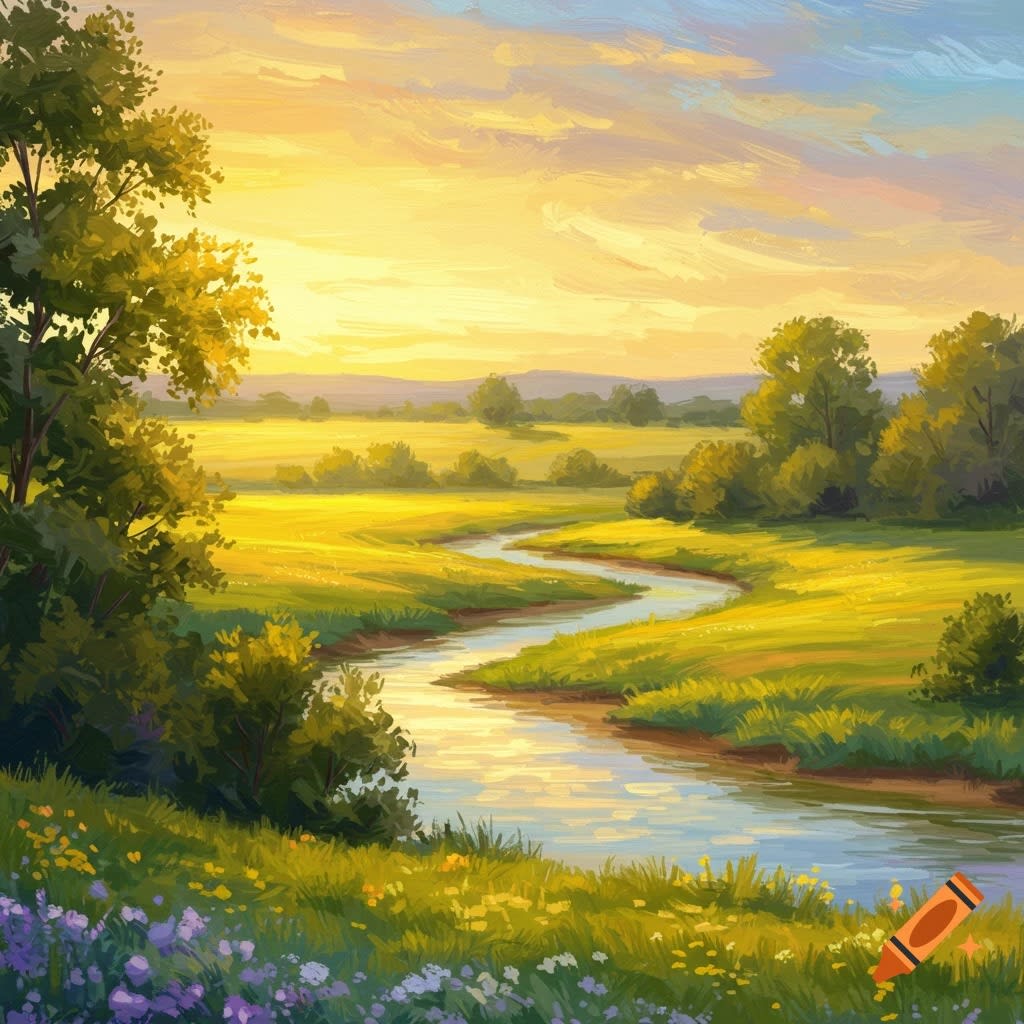
Once, the valley glowed with the colors of life—lush green meadows kissed by sunlight, rivers that hummed like lullabies, and trees that stood like sentinels of time. It was a place where nature thrived in quiet magnificence, untouched by urgency. The air smelled of wildflowers and damp earth, and the chorus of birds at dawn was the only alarm clock needed. But that was then.
Now, the valley is losing its light—not just the golden hour that once painted the hills, but the metaphorical light, the pulse of nature itself. This is the story of the slow fade—the end of green and the beginning of gray.
A Landscape on the Brink
The transformation didn’t happen overnight. It began with subtle changes: a stream that trickled instead of flowed, migratory birds that stopped returning, and trees that bore fewer leaves each spring. The locals noticed, but they didn't panic. After all, seasons change, they said. Nature has its cycles. But this was something deeper, something more permanent.
Satellite images confirmed what the elders feared: the forest cover had thinned drastically over two decades. Climate models projected erratic rainfall, longer droughts, and increased heatwaves. The once-fertile soil was becoming hostile, brittle, and barren. What used to be a sanctuary for countless species was quietly becoming a graveyard of biodiversity.
Human Hands, Heavy Footprints
The culprits were many, but they all bore one common trait—human ambition. Logging operations, legal and illegal, carved through the heart of the valley like surgical incisions, but without anesthesia. Roads followed. Then came the resorts, with infinity pools and manicured lawns that drank more water than entire villages. Farming expanded up the hillsides, often replacing native trees with monocultures that fed profit but starved the ecosystem.
And then there was climate change—a force both distant and intimately close. It turned the valley’s weather into a roulette wheel. The rain either didn’t come, or it came all at once, flooding the fragile terrain. Summers grew longer and angrier, baking the earth and fracturing ancient rocks.
The People Left Behind
Nature wasn’t the only casualty. The people who had lived in harmony with the land for generations were suddenly out of sync with it. Farmers watched their crops fail and their wells run dry. Shepherds found fewer grazing grounds for their animals. Children grew up hearing stories of a greener past that sounded almost mythical.
Many left. The cities promised work, electricity, and education. But those who stayed bore witness to the fading of the valley’s soul. They watched sunsets turn dull behind a haze of smoke. They stood in silence as the last fireflies disappeared, like forgotten stars.
A Flicker of Hope
And yet, not all is lost. Even as the gray spreads, there are those planting seeds—both literal and metaphorical. Local women have formed eco-collectives to revive native plant species. Schools now teach children not just arithmetic but environmental stewardship. NGOs have partnered with indigenous communities to map traditional knowledge and protect the remaining patches of green.
Solar panels line some rooftops, offering clean energy. Small dams, designed with care, are restoring natural water cycles. In places, saplings rise from scorched earth like defiant dreams.
It’s not enough yet. But it’s a start.
Holding On to the Light
“The Last Light of the Valley” is not just a title. It’s a warning. But it’s also a prayer—a reminder that beauty must be protected, not presumed. The “end of green” doesn’t have to be the beginning of the end. It can be the turning point, the moment we choose restoration over ruin.
There is still light in the valley, however faint. Whether it fades completely or begins to grow again depends on us—not just those who live in its shadow, but all of us who share this Earth. After all, every valley is part of a larger landscape, and every act of care can ripple outward.
The question is not whether we can bring back the green—but whether we will try before the last light goes out.
About the Creator
Keep reading
More stories from Said Nawab and writers in Art and other communities.
Health, Habits & Holistic Living
The Path to True Wellness In a world that constantly demands more of our time, energy, and attention, the quest for true health and well-being often feels like a distant dream. We live in an age where quick fixes and fad diets are the go-to solutions for achieving a “better life.” But what if the real key to health doesn’t lie in extreme diets, intense workouts, or expensive wellness trends? What if it’s about creating a sustainable lifestyle built on consistent habits and a holistic approach to mind, body, and spirit?
By Said Nawab10 months ago in Art
Quote of the Day by Eleanor Roosevelt: “A woman is like a tea bag – you can't tell how strong she is…”
Eleanor Roosevelt, former First Lady of the United States, diplomat, and humanitarian, was one of the most influential voices of the 20th century. Her life was defined by courage, advocacy, and the relentless pursuit of social justice. Among her many memorable sayings, one has resonated across generations:
By Salaar Jamali4 days ago in Art



Comments
There are no comments for this story
Be the first to respond and start the conversation.