
The Future of Branding: Trends to Watch in 2025
How AI, AR, and Sustainability Will Shape Branding Strategies in 2025


Hello, fellow designers! As we move closer to 2025, the branding landscape is rapidly evolving, shaped by technological advancements, shifting consumer behaviors, and new cultural trends. Having spent nearly 5 years as a freelance graphic designer and brand manager, I’ve seen firsthand how quickly the industry can change.
Brands that once seemed untouchable can quickly become outdated if they don’t adapt. With this in mind, let’s dive into the emerging tools and trends that will likely define branding in 2025, and how small brands and brand managers can leverage these changes to stay ahead of the curve.

AI-Powered Personalization
Artificial Intelligence (AI) has already made waves in various industries, but its role in branding is about to become even more pronounced. AI-powered tools are revolutionizing how brands personalize their interactions with customers. From chatbots that provide tailored responses to AI-driven content recommendations, the possibilities are vast.
For instance, tools like Adobe Sensei and Salesforce Einstein pave the way for more personalized customer experiences by analyzing data and predicting user preferences. In 2025, these tools will become more sophisticated, enabling brands to deliver hyper-personalized content and offers that resonate more deeply with their audience.
“The transformative power of AI-driven personalization is evident in various sectors, reshaping how businesses interact with their consumers. AI is driving a significant shift in how brands approach personalization, leading to more effective and engaging marketing strategies.” — Forbes, 2024
Streaming services like Netflix or Spotify use AI to curate content based on user preferences, ensuring that recommendations align with individual tastes. Even AI-driven chatbots provide personalized solutions to customer queries, often predicting needs based on past interactions and preferences. Overall, leveraging AI can enable brands to create a similarly tailored experience for their audience, enhancing engagement and loyalty.

Augmented Reality (AR) Integration
Augmented Reality (AR) has been gaining traction, and by 2025, it will likely become a staple in branding strategies. AR allows brands to create immersive experiences that bridge the gap between the digital and physical worlds. Be it virtual try-ons for fashion, interactive product demos, or AR-enhanced advertisements, the potential for engaging customers in new and exciting ways is immense.
Brands like IKEA have already implemented AR to allow customers to visualize how furniture will look in their homes. As AR technology becomes more accessible and affordable, expect a surge in its use for creating compelling brand experiences.
AdAge reports that AR is becoming a key tool for brands looking to create memorable and interactive marketing campaigns, highlighting its growing importance in the industry.
Sustainability and Ethical Branding
Brands prioritize sustainability, as consumers become increasingly aware of environmental and ethical issues. This goes beyond just adopting green practices — it involves integrating sustainability into the core of your brand’s identity and storytelling.
In 2025, brands that authentically showcase their commitment to sustainability and ethical practices will likely stand out. This could include transparent supply chains, eco-friendly packaging, or initiatives that support social causes.
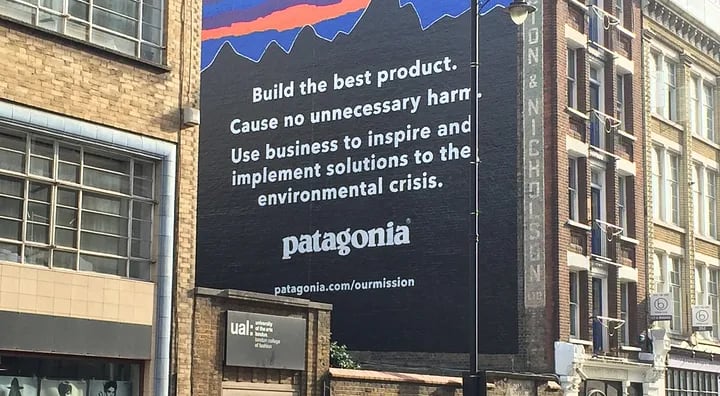
Other companies have won customers over by offering to recycle products after use. Patagonia is a prime example of a brand that has successfully integrated sustainability into its identity. Their commitment to environmental causes resonates strongly with consumers who value ethical practices.
Their brand model ultimately encourages customers to buy high-quality pieces of clothing, wear them as long as possible, and then return them to the company to be refurbished and resold. Thus one way to encourage eco-friendly consumer behavior is to build elements of sustainability into how products are used and ultimately disposed of.
Harvard Business Review emphasizes that brands prioritizing sustainability appeal to a growing demographic of eco-conscious consumers and build long-term loyalty and trust. Despite the growing momentum behind sustainable business practices, companies still strive to communicate their brands’ sustainability to consumers in ways that heighten brand relevance, increase market share, and fuel a shift toward a culture of sustainable living.
Interactive Content
Interactive content, such as quizzes, polls, and interactive infographics, is becoming increasingly popular to engage audiences. This type of content not only captures attention but also encourages active participation, making it a powerful tool for enhancing user experience and gathering valuable insights.
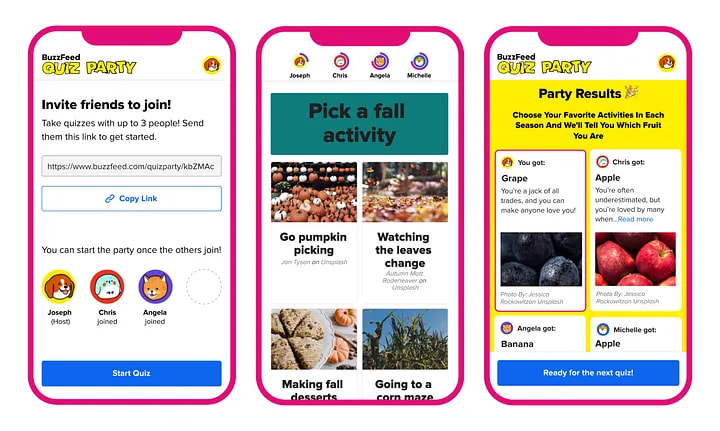
BuzzFeed’s interactive quizzes are a great example of how interactive content can drive engagement. By creating content users actively participate in, brands can create more memorable experiences and gain deeper insights into their audience’s preferences.
Content Marketing Institute highlights how interactive content transforms how brands connect with their audiences, making it a trend to watch for in 2025.
Voice Search Optimization
With the rise of smart speakers and voice-activated assistants, optimizing voice search is becoming increasingly important. As more consumers use voice commands to find information and make purchases, brands need to adapt their SEO strategies to accommodate this shift.
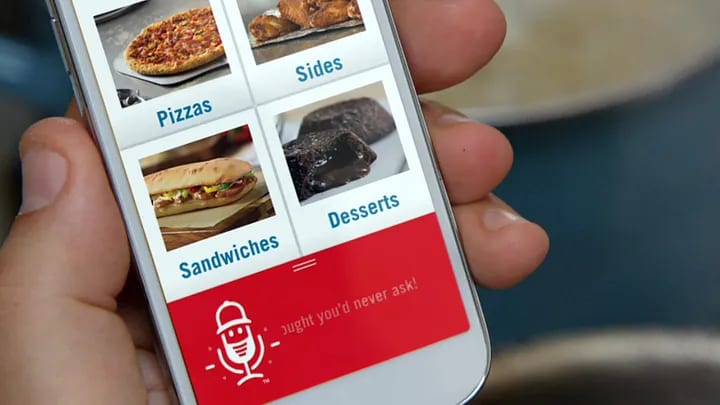
Domino’s Pizza has optimized its website and app for voice search, allowing customers to place orders through voice commands. This not only improves user convenience but also aligns with changing consumer behaviors.
Search Engine Journal discusses how voice search is evolving and provides insights into how brands can optimize their content to stay relevant in this growing area. As voice search becomes more embedded in consumer behavior, industries will continue to evolve, adapting to the changing landscape of digital interaction and connectivity.
AI will continue to drive innovation in search technology, resulting in greater integration into daily lives and tasks, and a more personalized experience. It is expanding on the capabilities of voice-activated technologies. With the rise and importance of voice search, marketers must create content that generates results for their businesses or clients. Nevertheless, it might be challenging to determine whether efforts are effective due to the challenges associated with monitoring outcomes.
Wrapping Things Up!
As we look towards 2025, these trends offer exciting opportunities for brands to innovate and connect with their audiences meaningful. Embracing AI-powered personalization, AR integration, sustainability, interactive content, and voice search optimization can set brands apart and drive engagement.
Remember, while staying ahead of trends is important, it’s equally crucial to align these strategies with your brand’s core values and audience needs. As someone who has navigated the branding landscape and seen its evolution firsthand, I encourage you to explore these trends thoughtfully and strategically. Don’t be afraid to experiment and adapt — after all, the future of branding is as dynamic as the creativity that fuels it. For more insights and tips on branding and design, follow along and stay tuned for future updates.
Happy designing!
About the Creator
Gading Widyatamaka
Jakarta-based graphic designer with over 5 years of freelance work on Upwork and Fiverr. Managing 100s logo design, branding, and web-dev projects.
Keep reading
More stories from Gading Widyatamaka and writers in Art and other communities.
Case studies: 5 Successful Brand Narratives
Hello, fellow designers! In the ever-evolving world of branding, the power of a compelling narrative can’t be overstated. As a freelance graphic designer and brand manager with almost five years of experience, I’ve had the opportunity to work on numerous brand activations and manage brand analytics for small businesses.
By Gading Widyatamakaabout a year ago in Art
'Till Death We Do Art
There would be nothing divine in this world without art. Nature may surpass the divine to all intents and purposes, but like everything it absorbs and is absorbed by, it remains here, stuck on the surface of this world, ever-present, physically bound to the universe.
By Avocado Nunzella BSc (Psych) -- M.A.P 28 days ago in Art
The Great Museum Scandal: Half of the Artworks in French Museums Found to Be Fake
France is home to some of the most famous museums in the world, attracting millions of visitors each year who come to admire priceless works of art and historical artifacts. However, a recent investigation has sent shockwaves through the art world after suggesting that a significant number of artworks displayed in certain French museums may actually be fake.
By Irshad Abbasi 6 days ago in Art



Comments
There are no comments for this story
Be the first to respond and start the conversation.