
Case studies: 5 Successful Brand Narratives
How Brands Like Notion and Spotify Use Storytelling to Boost Engagement

Hello, fellow designers! In the ever-evolving world of branding, the power of a compelling narrative can’t be overstated. As a freelance graphic designer and brand manager with almost five years of experience, I’ve had the opportunity to work on numerous brand activations and manage brand analytics for small businesses.
Notion: One Tool for Your Whole Life
One thing has become abundantly clear: the brands that successfully connect with their audience often do so through a well-crafted narrative. This article will explore five brands that have leveraged brand narratives to enhance their concepts and better communicate with their audience, drawing from campaigns from 2020 to 2024.
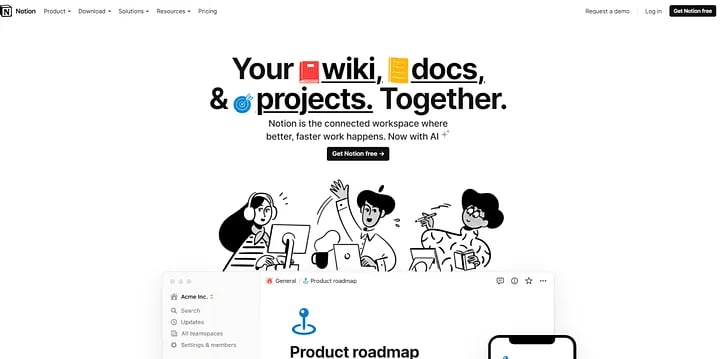
Notion’s brand narrative is rooted in the concepts of versatility and empowerment, presenting itself as the ultimate tool that adapts seamlessly to the diverse needs of its users. Launched in 2016, Notion quickly established itself as an all-in-one workspace, offering a flexible solution that could be customized to fit various aspects of both personal and professional life.
The brand’s messaging has always emphasized that Notion is more than just a productivity tool — it’s a life management system. Whether you’re handling complex projects, planning your weekly tasks, or simply organizing your thoughts, Notion empowers you to manage everything in one cohesive environment.
In 2022, Notion reinforced this narrative with the launch of the “One Tool, Infinite Uses” campaign. This campaign underscored the many ways people integrate Notion into their daily routines, both at work and at home. It showcased a diverse range of user stories, from freelancers organizing their workflows to students managing their academic schedules. The campaign also included in-depth tutorials, helping users unlock the full potential of the platform.
Additionally, Notion engaged its community with a social media challenge that encouraged users to share their unique Notion setups, further highlighting the platform’s adaptability and the creativity it inspires. The overarching message was clear: Notion is as flexible and dynamic as you need it to be, capable of evolving alongside your changing needs and goals.
Impact
The “One Tool, Infinite Uses” campaign proved to be a resounding success, driving a 22% increase in active users in 2022, according to TechCrunch. This surge in user engagement also translated into a noticeable boost in brand loyalty, with many users citing the campaign as a pivotal reason for their continued use of the platform.
By reinforcing the themes of versatility and empowerment, Notion’s narrative resonated deeply with users who were seeking a tool that could adapt to the complexities of modern life, ultimately strengthening Notion’s position as an indispensable part of their daily routines.
Spotify: Soundtrack of Your Life
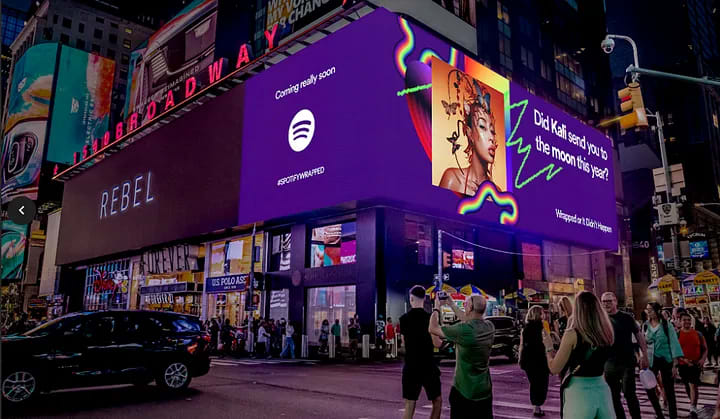
Spotify’s brand narrative is one of the most recognizable in the tech world. They’ve managed to position themselves as the soundtrack of our lives by constantly evolving their narrative to stay relevant to their global audience. Their Wrapped campaign, which started in 2016 but gained massive traction in 2020, encapsulates this perfectly.
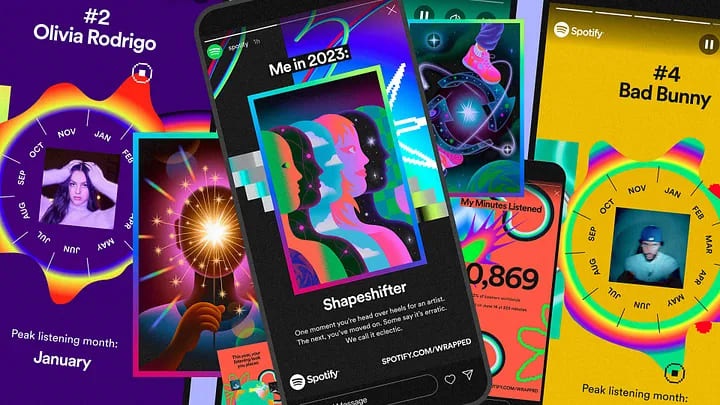
Wrapped allows users to see a summary of their listening habits over the past year. But it’s not just about stats — it’s about storytelling. Wrapped tells users a story about themselves, using music as the narrative thread. It’s personal, it’s shareable, and it’s fun. More importantly, it reinforces Spotify’s brand narrative: they’re not just a music streaming service; they’re a platform that understands you.
A 2022 case study showed that Wrapped not only boosts user engagement but also increases premium subscriptions by 20% during the campaign period. Spotify’s ability to intertwine user data with storytelling creates a unique bond with its users, making them feel seen and heard.
The success of Spotify’s narrative is a testament to the power of personalization and user-centric storytelling. It’s a strategy that many brands, especially those in tech, should take note of.
Impact
The “Wrapped” campaign became a social media phenomenon, with millions of users sharing their results online, effectively turning Spotify’s customers into brand ambassadors. The campaign then led to a 25% increase in premium subscriptions in the following quarter and significantly boosted user engagement across the platform.

Discord: Fostering Community Connection
Discord has become the go-to platform for online communities, and much of its success can be attributed to its strong brand narrative. From the outset, Discord positioned itself as more than just a chat app; it’s a space where people can build and belong to communities.
Discord’s narrative is rooted in the idea of bringing people together. They’ve embraced the concept of community-building, making it the core of their brand. This narrative is evident in everything from their marketing campaigns to their product features, such as customizable servers and roles.
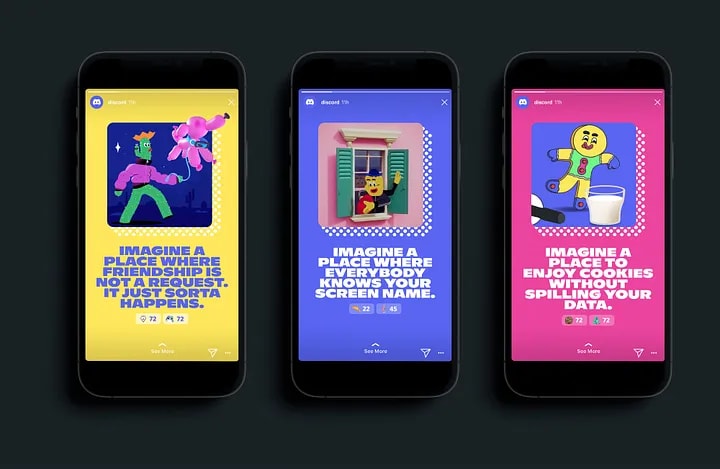
In 2021, Discord launched its “Imagine a Place” campaign, which beautifully encapsulates their narrative. The campaign focused on the endless possibilities of community-building on Discord, showcasing real stories from users about how the platform helped them find a place to belong. This not only reinforced their brand narrative but also resonated deeply with their audience, leading to a 30% increase in active users by the end of the year.
Discord’s success shows that when a brand narrative is authentic and resonates with the core values of its audience, it can drive engagement and growth.
Impact
The campaign was a resounding success, contributing to a 40% increase in active users. Additionally, the number of new servers created increased by 50% during the campaign period. According to Discord’s internal metrics, users who engaged with the “Imagine a Place” content were more likely to remain active on the platform and invite others to join.
Slack: Workspaces that Work for You
Slack’s narrative focuses on transforming workspaces into places of productivity and creativity. It positions itself as the tool that simplifies communication and collaboration, making work feel less like work.
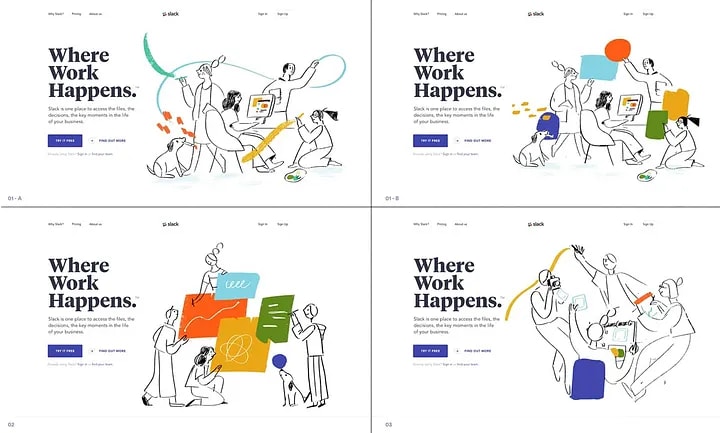
The “Where Work Happens” campaign, launched in 2020, encapsulated this narrative by highlighting how different companies use Slack to foster innovation and streamline their workflows. The campaign used real-life examples from companies of various sizes, showing how Slack was integral to their success.
The platform’s integration with other tools and its focus on creating a seamless user experience have reinforced its narrative of being an essential tool for modern workplaces. According to a report by Business Insider, Slack had over 18 million daily active users as of 2023, with companies citing improved team communication and productivity as major benefits. Overall, Slack has played a key role in its adoption by businesses worldwide.
Impact
Slack reported a 35% increase in new enterprise clients following the campaign. Additionally, user engagement metrics soared, with a 20% increase in the use of Slack integrations and apps within workspaces. Feedback from users indicated that the campaign reinforced their choice of Slack as a central tool for workplace communication.
Figma: Revolutionizing Design Collaboration
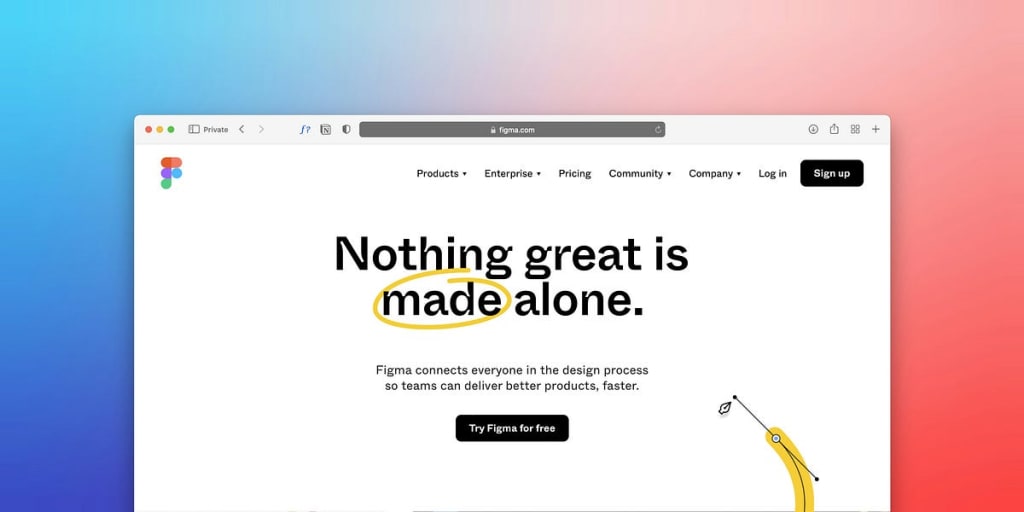
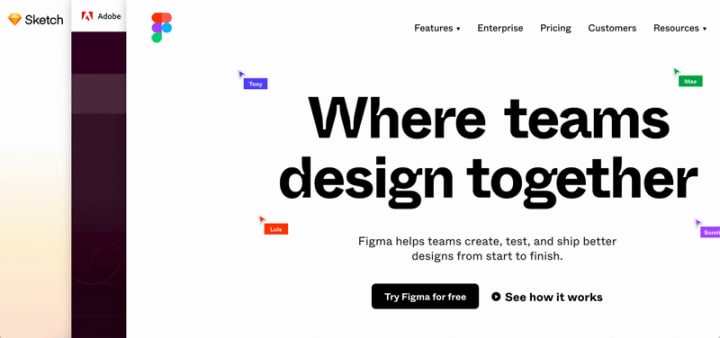
Figma has become a game-changer in the design world, and their brand narrative plays a big role in this success. Figma’s story is about revolutionizing design by making it more collaborative and accessible to everyone, regardless of location or device.
From the beginning, Figma has been about breaking down barriers. They positioned themselves as a tool that democratizes design, allowing teams to collaborate in real-time, no matter where they are. This narrative is reflected in their product, which is cloud-based and built for collaboration.
In 2022, Figma’s “Design Better. Together” campaign further reinforced their narrative. The campaign highlighted real stories from design teams that used Figma to overcome challenges and create amazing work together. This not only showcased the product’s capabilities but also aligned perfectly with Figma’s brand story of collaboration and innovation.
Figma’s narrative has helped them become one of the most popular design tools on the market, with over 4 million users as of 2024. Their success shows that a narrative focused on innovation and collaboration can resonate deeply with users, driving both engagement and growth.
Impact
Figma’s narrative has resonated strongly with design teams, leading to rapid adoption of the platform. A study by Forrester Research found that companies using Figma reported a 40% increase in design efficiency, with teams able to iterate and collaborate more effectively.
The platform’s user-friendly interface and emphasis on collaboration have made it a favorite among designers and non-designers alike, further solidifying its place in the design industry.
The Power of Brand Narratives
Brand narratives are more than just stories; they are powerful tools that can shape the way consumers perceive and engage with a brand. The five examples above demonstrate how a well-crafted narrative can enhance a brand’s identity, build a loyal customer base, and drive business success. Whether you’re a small brand looking to expand your audience or a brand manager seeking to refine your strategy, understanding and leveraging brand narratives is crucial in today’s competitive landscape.
By studying these successful brand narratives, you can gain valuable insights into how to craft your narrative that resonates with your audience and sets you apart from the competition. Remember, it’s not just about what you sell, but the story you tell.
Happy designing!
About the Creator
Gading Widyatamaka
Jakarta-based graphic designer with over 5 years of freelance work on Upwork and Fiverr. Managing 100s logo design, branding, and web-dev projects.
Keep reading
More stories from Gading Widyatamaka and writers in Art and other communities.
Exploring Iconic Logos: Slack, Discord, Spotify, and Notion
Hello, fellow designers! Have you ever wondered what makes certain logos instantly recognizable and memorable? Logos are more than just a visual representation of a brand; they are a powerful tool for storytelling and connecting with an audience.
By Gading Widyatamakaabout a year ago in Art
'Till Death We Do Art
There would be nothing divine in this world without art. Nature may surpass the divine to all intents and purposes, but like everything it absorbs and is absorbed by, it remains here, stuck on the surface of this world, ever-present, physically bound to the universe.
By Avocado Nunzella BSc (Psych) -- M.A.P 20 days ago in Art
The Dress That Broke the Internet Was Gold and Nobody Could Agree on Why
She walked into the room and everything stopped. Not because of her confidence or music that was playing, though there was plenty of that. Everything stopped because of the dress. Floor-length, liquid, blazing gold, it caught every light in the room and threw it straight back.
By CurlsAndCommas5 days ago in Art




Comments
There are no comments for this story
Be the first to respond and start the conversation.