
The Art of Functional Beauty in Furniture Design
Balancing Aesthetics and Utility for Timeless, Thoughtful Living
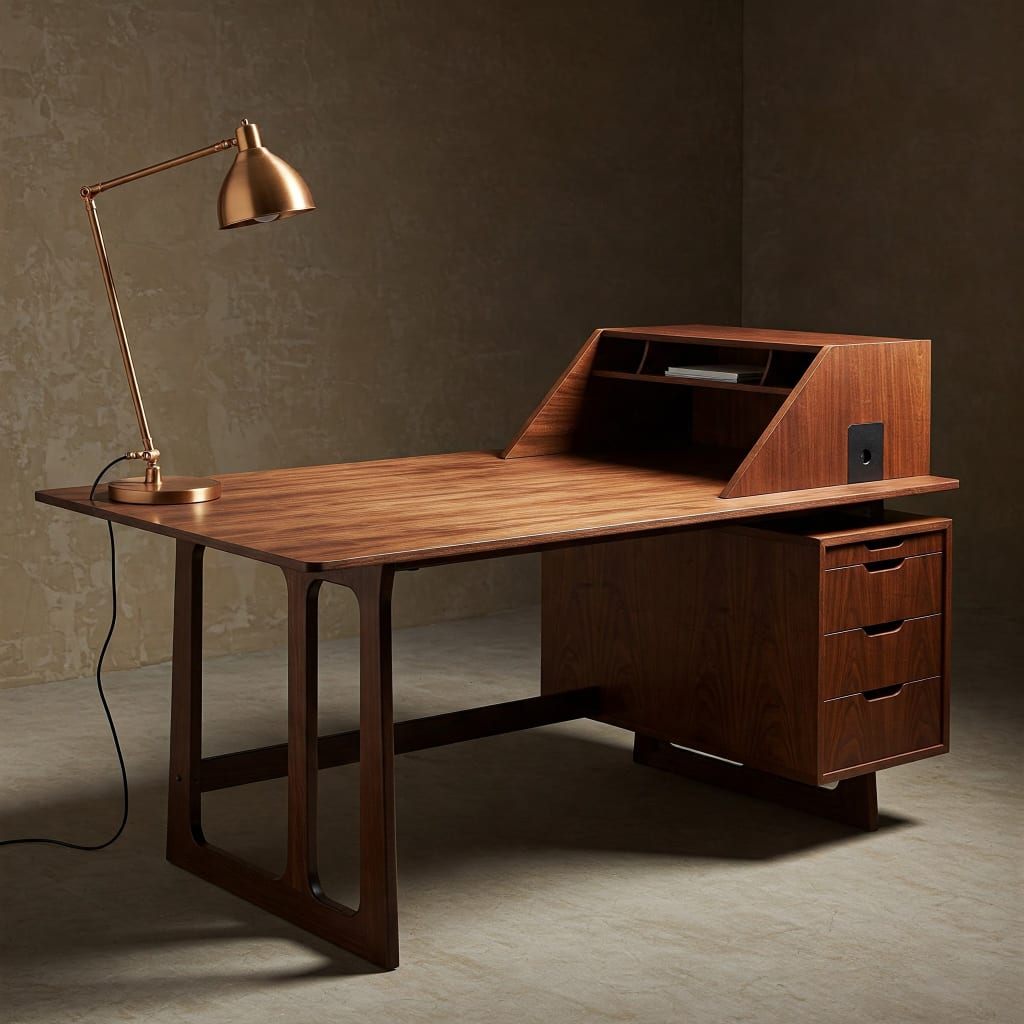
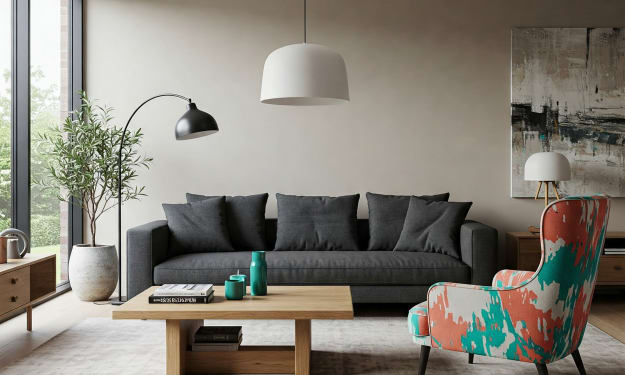
In the world of furniture design, the most compelling pieces are those that strike a perfect balance between form and function. This concept, often referred to as functional beauty, is rooted in the belief that practical items used in our daily lives should also offer visual and emotional satisfaction. Furniture that embodies this idea doesn’t just fill a space—it enhances it, seamlessly blending usability with aesthetic appeal.
At the heart of functional beauty is intentionality. Every detail, from the materials selected to the shape, size, and proportions of a piece, serves a purpose. A well-crafted chair, for instance, must do more than look good—it should support the human body comfortably and naturally. A table should be more than a surface; it should be an anchor point in a room, accommodating everything from work to meals, while also harmonizing with the surrounding design. These elements require deep consideration of both human needs and spatial flow.
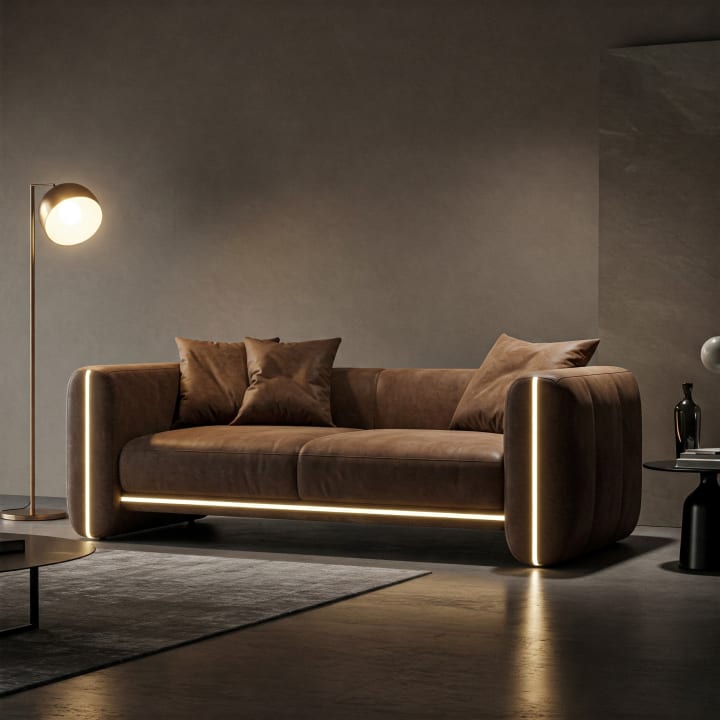
Designers who prioritize functional beauty often turn to principles rooted in simplicity and clarity. This can be seen in movements like Scandinavian design, which emphasizes clean lines, natural materials, and minimalism. Japanese design, similarly, values restraint and organic harmony, crafting pieces that feel calm and intentional. Mid-century modern design, with its emphasis on innovation and simplicity, also captures this idea, producing iconic furniture that remains relevant decades after it was first introduced.
What makes functional beauty truly powerful is its timelessness. Trends in furniture can change quickly, but pieces designed with both utility and elegance tend to outlast fleeting styles. These are the items that become heirlooms, not because they are extravagant, but because they are well-designed, durable, and meaningful. Their simplicity allows them to adapt to different settings and eras, offering versatility that’s hard to replicate in mass-produced or trend-driven furniture.
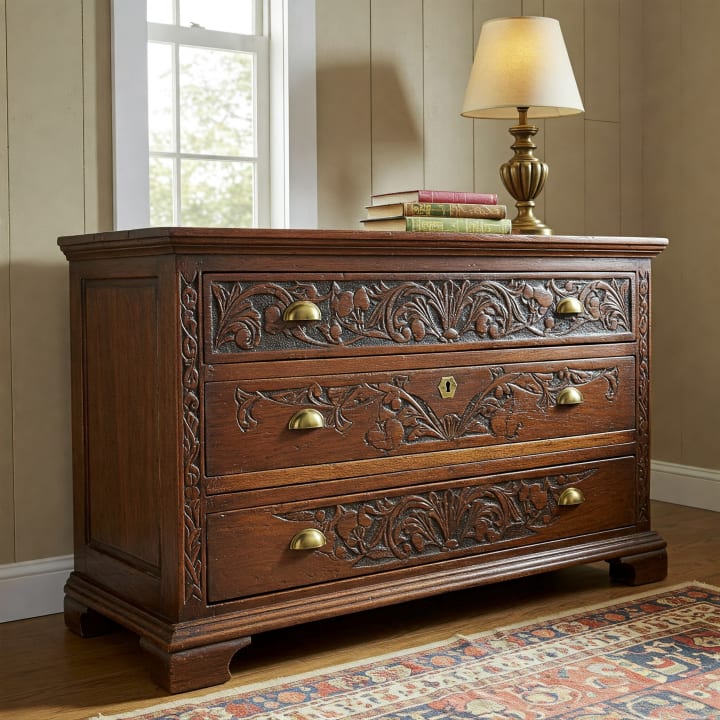
Moreover, functional beauty supports sustainability. In an age of overconsumption and disposable design, furniture built to last—both physically and stylistically—encourages a more mindful approach to living. Investing in fewer, better pieces reduces waste and supports craftsmanship. Many designers and consumers alike are now shifting toward this philosophy, seeking quality over quantity and permanence over impulse.
Beyond sustainability, living with functionally beautiful furniture enriches everyday life. It’s about more than just appearance; it’s about how a piece feels, how it works, and how it contributes to the atmosphere of a space. A thoughtfully designed workspace can increase productivity. A comfortable, attractive dining area can encourage connection. Even a simple bench or side table, if well-crafted, can elevate the mood of an entire room.
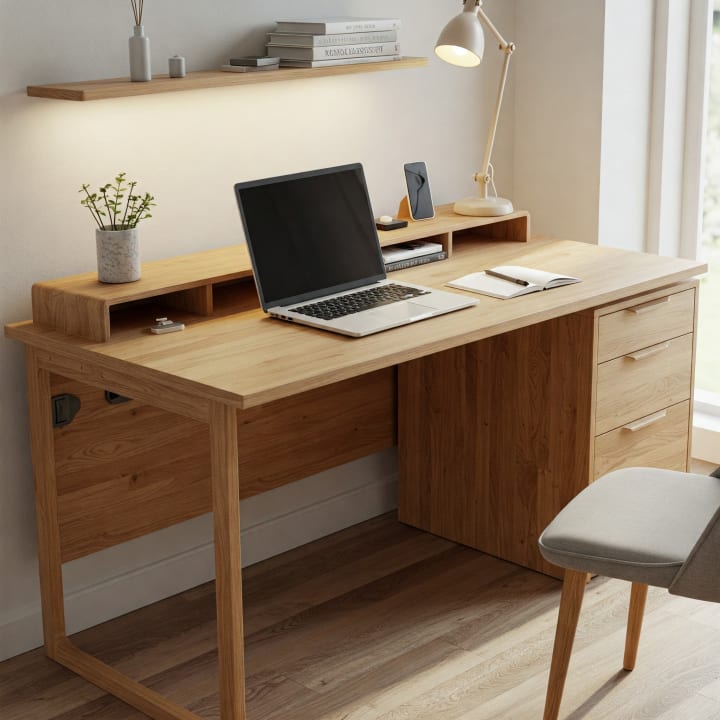
Ultimately, the art of functional beauty in furniture design is about creating harmony—between the visual and the practical, between innovation and tradition, and between the person and their space. It reminds us that beauty and utility are not opposing forces but partners in good design. When we surround ourselves with objects that serve us well and inspire us visually, we create environments that support not only our needs but our well-being.
In this way, functional beauty is more than a design principle—it’s a way of living with intention, choosing objects that reflect our values, support our routines, and bring quiet joy to our daily lives.
About the Creator
Keep reading
More stories from Opaa Homes and writers in Art and other communities.
Form, Function, and Flair: The New Rules of Furniture Design
Furniture design is undergoing a transformation—one that embraces beauty, purpose, and individuality in equal measure. The modern approach to furniture no longer hinges solely on function, nor is it dictated entirely by form. Instead, today’s designers are crafting pieces that sit at the intersection of aesthetics, usability, and expressive detail. Welcome to the era of form, function, and flair.
By Opaa Homes9 months ago in Futurism
A Matter of Coincidence
Tuesday, 3 September 2024 Ayesha Fareed Ahmed, Mirpur Khas Sheeda was a simple and innocent man. One day, he was going to his wife’s village to bring her back. On the way, he saw some donkeys grazing on grass at a certain place. Eventually, he reached his in-laws’ house. His wife’s brother asked him to sit in the guest room.
By Sudais Zakwan2 days ago in Art
What Fine Line Tattoo Excellence Looks Like in Professional Practice
When you sit in the chair of one of the best fine line tattoo artists, you feel it straight away. The calm, the care, the way they handle your skin and your nerves at the same time. Fine line work looks light and effortless from the outside, but real excellence is anything but casual.
By Tools of Trade Studios7 days ago in Art



Comments
There are no comments for this story
Be the first to respond and start the conversation.