
Form, Function, and Flair: The New Rules of Furniture Design
How Modern Pieces Are Blending Aesthetics, Utility, and Personality to Redefine Living Spaces
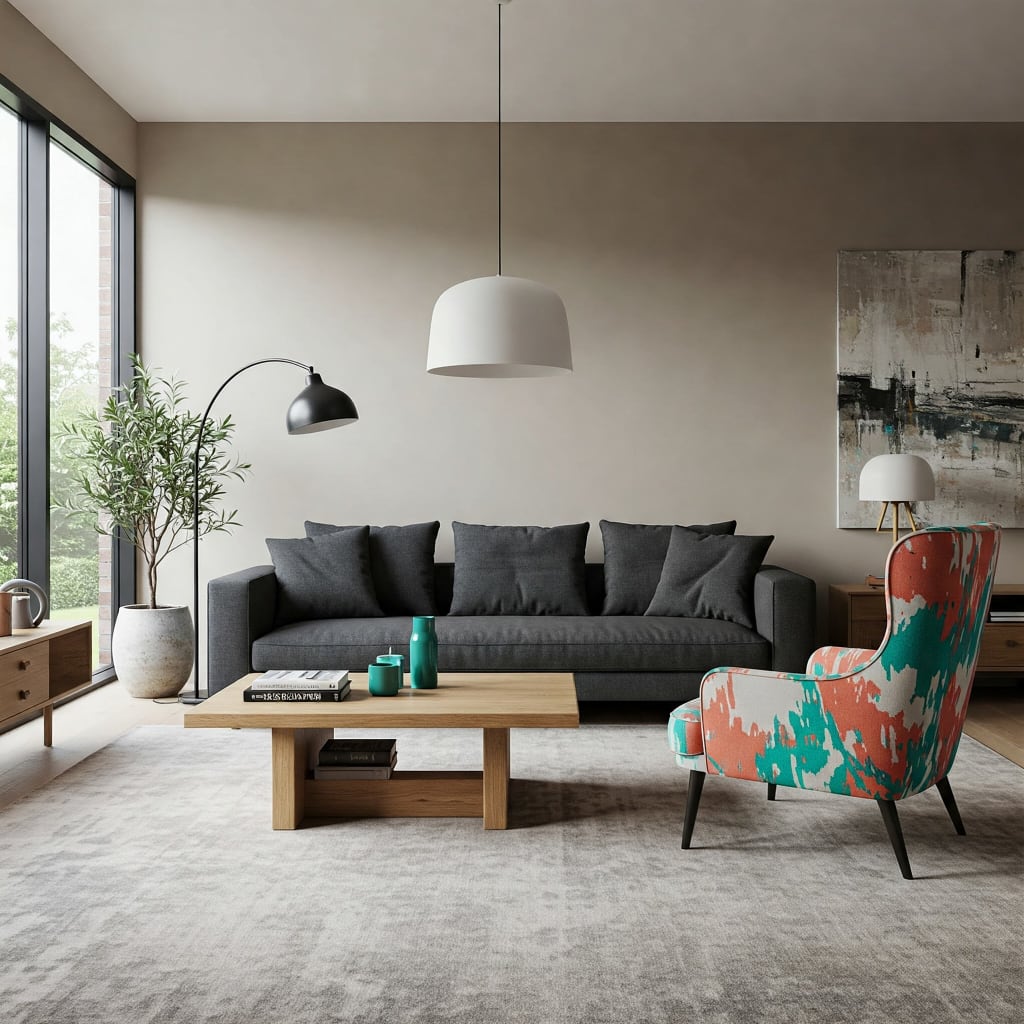
Furniture design is undergoing a transformation—one that embraces beauty, purpose, and individuality in equal measure. The modern approach to furniture no longer hinges solely on function, nor is it dictated entirely by form. Instead, today’s designers are crafting pieces that sit at the intersection of aesthetics, usability, and expressive detail. Welcome to the era of form, function, and flair.
Form has evolved beyond rigid lines and utilitarian shapes. Contemporary furniture celebrates sculptural presence—think sweeping curves, bold geometry, and fluid, organic silhouettes. These aren’t just chairs and tables; they’re artistic statements that anchor a room. Designers are drawing inspiration from architecture, nature, and even fashion, creating silhouettes that are as much about emotion as they are about design. A well-crafted form invites interaction, catches the eye, and changes the atmosphere of a space.
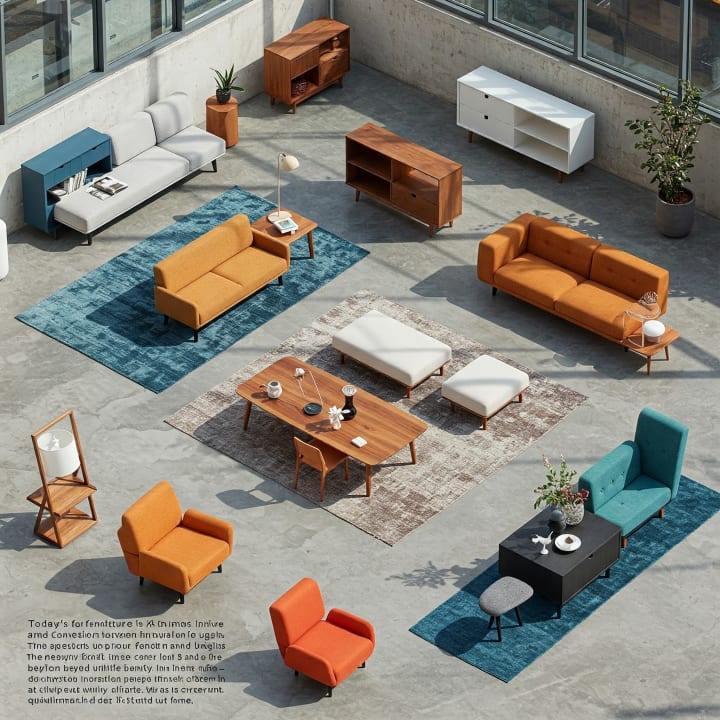
Function, however, remains the backbone of good design—but with a twist. Today’s consumers live in dynamic, multifunctional environments, where space is often limited and needs change throughout the day. Furniture now adapts to this reality: modular sofas that reconfigure in seconds, coffee tables with hidden storage, and desks that double as dining spaces. The focus is on intelligent design—pieces that make life easier, more organized, and more flexible without compromising on elegance.
Enter flair—the secret ingredient that turns functional beauty into something unforgettable. Flair is about personality and storytelling. It’s in the unexpected mix of materials—velvet with steel, rattan with glass. It’s in the bold colors, hand-painted finishes, and artisanal details that make each piece feel curated and unique. In an age of mass production, flair brings back the human touch. It celebrates craftsmanship and the joy of owning something that feels truly personal.
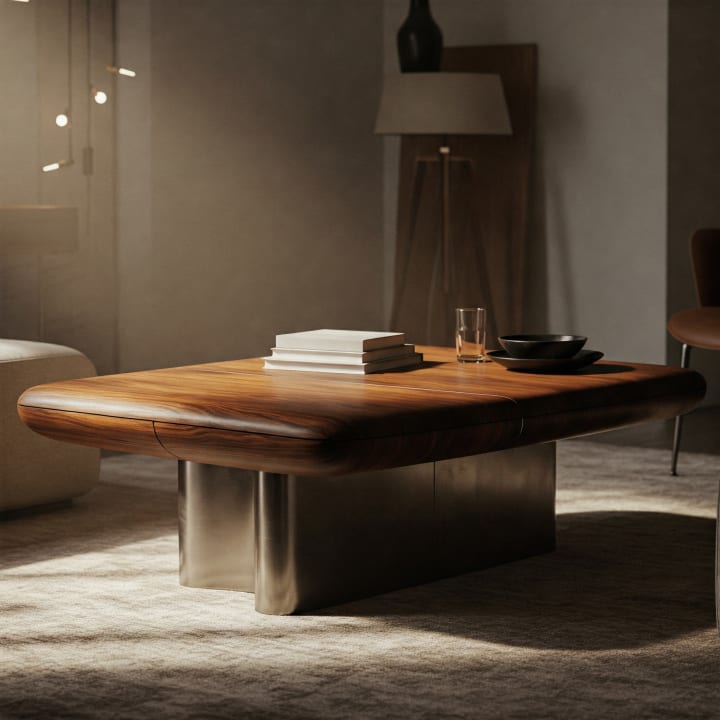
The new rules of furniture design also reflect broader cultural shifts. Sustainability and conscious consumption are now central to how pieces are created and chosen. Consumers are increasingly drawn to timeless designs made from responsibly sourced materials—furniture that lasts, both in style and in structure. Customization, too, plays a growing role, allowing users to tailor pieces to their taste and lifestyle.
Ultimately, the fusion of form, function, and flair creates furniture that is not just usable, but meaningful. These are pieces that don’t just fill a room—they shape how we live in it. They invite comfort, spark conversation, and reflect who we are. The best designs today go beyond trends; they resonate emotionally and endure physically.
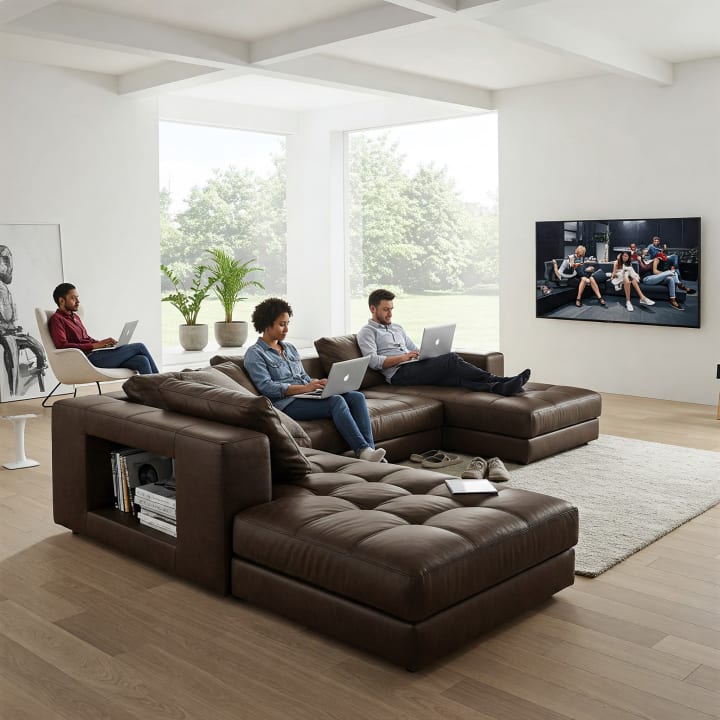
As we continue to blur the lines between living, working, and relaxing, our furniture must keep up—offering not only support and storage, but inspiration and identity. The new rules of furniture design are less about following a formula and more about embracing a philosophy: one where every piece has a purpose, a personality, and a presence.
This design evolution also highlights the growing desire for spaces that feel personal and expressive. Furniture is no longer just a backdrop; it's a central part of how people tell their stories through interiors. Whether it’s a minimalist Scandinavian bench or a vibrant postmodern side table, each piece contributes to a larger narrative of self-expression. Technology, too, plays a role—enabling precision in manufacturing, sustainable materials, and even smart features that integrate with modern living. As homes become more than just places to live—serving as offices, retreats, and social hubs—furniture must meet these roles with creativity, authenticity, and timeless character.
About the Creator
Keep reading
More stories from Opaa Homes and writers in Futurism and other communities.
Designing for Tomorrow: The Future of Furniture in a Changing World
The world is constantly evolving, and so is the way we approach design, particularly when it comes to furniture. As we move further into the 21st century, the furniture industry is experiencing significant transformations driven by various factors such as sustainability, technological advancements, and changing lifestyles. The future of furniture design promises to be a fusion of innovation, functionality, and eco-consciousness, shaping the way we live, work, and interact with our surroundings.
By Opaa Homes10 months ago in Futurism
About Binding Prometheus
I want to start actively advocating on behalf of my own work, and the most valuable part of my canon is, without a doubt, Binding Prometheus, the play I have been working on since 2019 and only finished in 2023 as part of my MA. The play itself is an amalgamation of a million different inspirations. On one end, it evokes the Ancient Greek myth-play, deriving its own title from the earliest extant work of Western drama we have, Aeschylus’s Prometheus Bound. On the other end, it borrows significantly from the sci-fi bulwarks from over the years, namely Mary Shelley’s Frankenstein and Karel Capek’s Rossum’s Universal Robots. The play could be an episode of Black Mirror, I fear. I don’t know. I’ve only ever seen one episode of Black Mirror.
By Steven Christopher McKnight17 days ago in Futurism
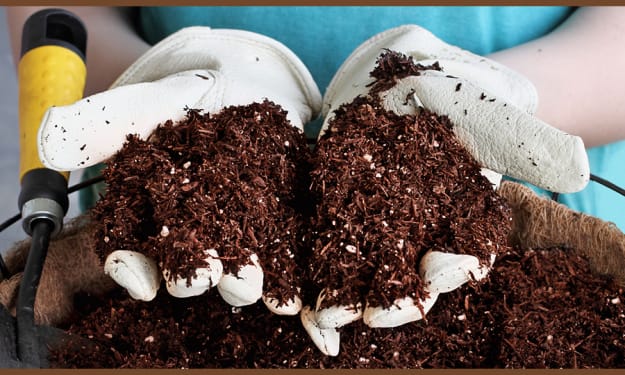
Coco Coir Market: Natural Fibers, Sustainable Agriculture & Growth Path
According to IMARC Group's latest research publication, The global coco coir market size was valued at USD 393.75 Million in 2024. Looking forward, IMARC Group estimates the market to reach USD 628.55 Million by 2033, exhibiting a CAGR of 5.07% from 2025-2033
By James Whitman4 days ago in Futurism



Comments
There are no comments for this story
Be the first to respond and start the conversation.