
What Fine Line Tattoo Excellence Looks Like in Professional Practice
An explanation of professional fine line tattoo practice including technique client care healing and long term results.

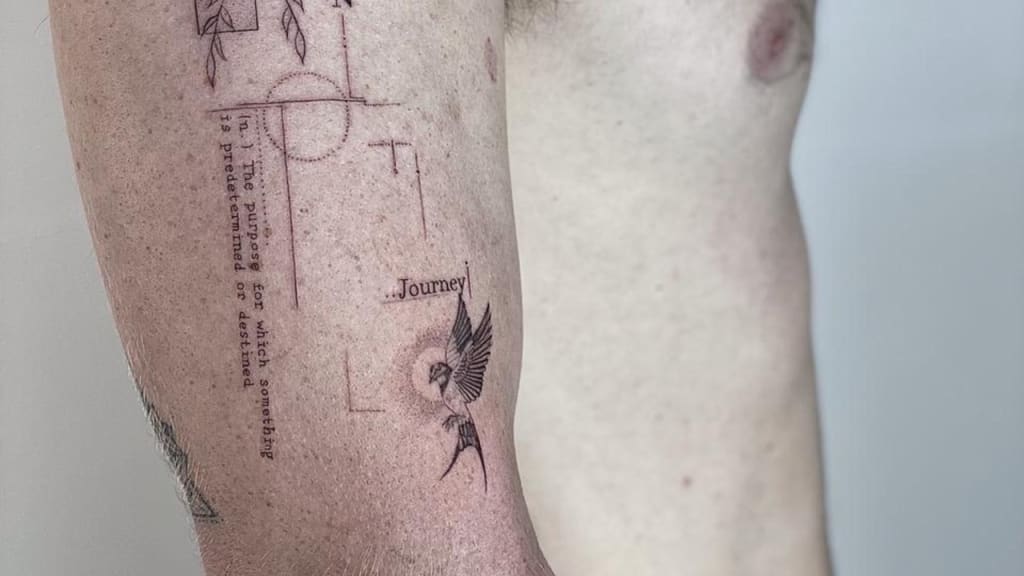
When you sit in the chair of one of the best fine line tattoo artists, you feel it straight away. The calm, the care, the way they handle your skin and your nerves at the same time. Fine line work looks light and effortless from the outside, but real excellence is anything but casual.
This style needs a soft hand, a sharp eye, and a lot of patience. It also needs respect for your skin, your story, and your long‑term comfort. Let’s walk through what true professional practice looks like, so you know exactly what to look for before you book.
What Makes the best fine line tattoo artists Different?
Fine line tattoo excellence isn’t just about drawing thin lines. It means clean, even strokes that stay crisp as they heal, done in a safe studio by someone who knows how skin reacts over time.
The best fine line tattoo artists specialise. They don’t just “also do” fine line; they build their whole portfolio around it. Their work shows steady hands, balanced spacing, and designs that fit the body, not just the paper.
You’ll also notice they never rush. They explain placement, check size more than once, and adjust tiny details so the piece still reads well in ten or twenty years. That patience is a big sign you’re in good hands.
The eye and hand of a fine line specialist
A true fine line specialist understands that a line that looks perfect on a screen may not work on real skin. They know:
- How much pressure the needle can take before a line blows out.
- How close lines can sit before they blur together as you age.
- Which body areas heal sharply, and which need slightly bolder work.
Their hands move smoothly, with steady rhythm, and they stretch the skin just enough to keep every stroke controlled. It looks simple, but that level of control takes years of practice.
The Craft: Technique Behind Fine Line Excellence
In professional practice, excellence starts before the needle even touches your skin. The artist cleans the area properly, shaves gently if needed, and applies the stencil so it’s straight, even when your body twists or bends.
Fine line work often uses single needles or very small groupings. That means each pass has to be precise. Too shallow and the line falls out; too deep and it spreads. Skilled artists keep their machine settings low and controlled, and they don’t keep going over the same spot again and again.
They also think about how the design will age. Thicker main lines, slightly more open spacing, and careful placement mean the tattoo still looks delicate, but doesn’t vanish or turn to a blur in a few years.
Quiet confidence at the tattoo chair
One of the clearest signs of a pro is their calm. They talk you through each step, check in about pain, and adjust your position so they can work comfortably and safely.
They aren’t dramatic, and they don’t push you to go bigger or bolder “just for the photo”. Instead, they focus on what suits your skin, your lifestyle, and your comfort level. That quiet confidence is worth a lot more than flashy talk.
How the best fine line tattoo artists Treat Their Clients
Fine line excellence is as much about how you’re treated as how the tattoo looks. Before booking, you should be offered a proper consultation, either in person or online.
In that chat, a good artist will:
- Ask about your ideas, placement, and size.
- Explain what will and won’t work in fine line style.
- Talk about scarring, skin type, and any medical issues that might affect healing.
On the day, the studio should feel clean, organised, and welcoming. New needles, fresh ink caps, barrier films, gloves changed often – all standard in professional practice. Your comfort and safety are never an afterthought.
How the best fine line tattoo artists handle consultation
A serious artist listens first. They’ll look at your references, ask what they mean to you, and then suggest ways to simplify or adjust them for the skin.
They may say “no” to designs that are too tiny or packed with detail, but they’ll also offer smart alternatives. That honesty can feel a bit blunt sometimes, but it’s part of protecting you and your tattoo’s future.
Design Choices: From Tiny Script to wall tattoos south africa
Fine line doesn’t just mean tiny. It can be small script on a wrist, a delicate floral spine piece, or even large minimal line work that flows across the body. The key is thoughtful, simple shapes that suit the style.
You’ll see fine line inspiration everywhere now – from mural work and wall tattoos south africa style interiors, right through to delicate jewellery-inspired designs. But what looks great on a wall or a screen often needs tweaking for real skin, movement, and ageing.
Working with references like aj tattoo design
When you bring in reference images, a pro will:
- Ask what you like most: the line weight, the flow, the symbols.
- Redraw the design so it isn’t a straight copy of someone else’s tattoo or brand art.
- Check that the lines aren’t too close, especially on fingers, ribs, or ankles.
This mix of inspiration and custom drawing is where real fine line magic happens. You get something personal, not a clone of what everyone else already has.
Aftercare: Protecting Those Delicate Lines
Fine line tattoos can heal beautifully – but they’re less forgiving if you ignore aftercare. Because the lines are so thin, any scabbing, scratching, or sun damage shows up fast.
Professional artists give you clear, simple aftercare steps. Usually this includes: gentle washing with mild soap, light moisturising, no soaking, no picking, and strict sun protection once it’s healed. They may use a healing film or simple wrap, but they’ll explain exactly how to manage it.
They also set fair expectations about touch‑ups. Some fine line pieces may need a small refresh after healing, and top artists are honest about that from the start.
Signs your fine line tattoo is healing well
Most fine line tattoos:
- Look slightly dull or “milky” for a week or two.
- Itch a little as the skin repairs.
- Flake lightly, like a dry sunburn, without thick scabs.
If you see heavy scabs, strong redness, or oozing after the first day, that’s a sign to contact your artist or a medical professional. A careful professional will always tell you this upfront.
Questions to Ask the best fine line tattoo artists Before You Book
You don’t need to know every technical term to choose well. A few simple questions can tell you a lot:
- “Can I see healed photos of your fine line work?”
- “How do you adjust designs so they age well?”
- “What body areas do you avoid for ultra‑fine lines?”
- “What aftercare do you recommend, and do you offer touch‑ups?”
The best fine line tattoo artists answer clearly, without getting defensive. They won’t promise that your tattoo will look exactly the same forever, but they will explain how they reduce fading and blurring. That honesty is a sign of real professionalism.
How to Choose Your Artist Wisely
If you’re still unsure where to start, use this simple checklist when looking for a fine line specialist:
- Portfolio focus – Most of their recent work is fine line, not just one or two pieces.
- Healed results – You can see tattoos that are at least a few months old, not just fresh ones.
- Clean lines – No shaky curves, no fuzzy edges, no overworked, sore‑looking skin.
- Studio standards – Disposable equipment where needed, hospital‑grade cleaning, proper licences.
- Communication – They are polite in their responses, explicit with their pricing, and do not attempt to negotiate above your stated budget or boundaries.
Trust your gut as well. You should feel listened to, not pushed. If something feels off – the space, the attitude, the lack of information – you’re allowed to walk away and keep searching.
Bringing It All Together
Fine line tattoo excellence is a mix of art, science, and heart. It’s the care taken in the design, the gentle control of the needle, the hygiene standards you don’t always see, and the way you feel safe and supported from first message to final bandage.
When you choose wisely, those light, delicate lines can carry heavy meaning, and still look beautiful years from now. Take your time, ask questions, and look closely at healed work. The right artist is out there – and you deserve that level of respect and skill on your skin.
Fine Line Tattoo FAQs
Are fine line tattoos more painful?
They can feel a bit sharper because the needle is smaller, but sessions are usually shorter, and most people find the pain very manageable.
Will the fading process be more advanced for fine-line tattoos than for regular tattoos?
They can fade or blur sooner if they’re too tiny or badly placed, but a skilled artist and good aftercare help them last much longer.
Can I get a fine line tattoo on my fingers or hands?
You can, but those areas fade and blur faster, so a good artist will warn you and may suggest slightly bolder lines.
Are fine line tattoos okay on dark skin tones?
Yes, absolutely – they just need smart design and placement so the lines show clearly and age well.
How much do fine line tattoos usually cost?
Most artists charge the same as they would for any other tattoo. Very detailed work can take time hence slightly higher charges since it also requires a high level of precision.
About the Creator
Tools of Trade Studios
Tools of Trade Studios is a leading tattoo studio in Cape Town, offering bold blackwork and custom designs in a professional, creative environment.
Keep reading
More stories from Tools of Trade Studios and writers in Art and other communities.
Male Tattoo Artist Roles in Contemporary Tattoo Culture
Walking into a studio today feels very different from the old days of loud music and tough talk. Modern tattoo shops can be calm, warm and welcoming, and the person guiding you through the whole process is often a male tattoo artist who takes his job very seriously.
By Tools of Trade Studios9 days ago in Art




Comments
There are no comments for this story
Be the first to respond and start the conversation.