Inspiration
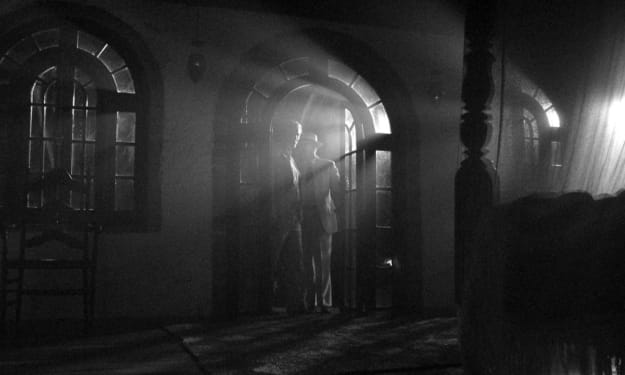
Out of ideas?… Try these revolutionary photography techniques.
Hi dear photographer, you are frustrated?... First of all, you've bought the material, the tools, you learned the skills, and, in general, you spent a lot of money on the equipment, but… Anything of that doesn't have any value if you don’t have an idea (a good one)… Because in the last post I said that: the important thing in artistic photography is telling stories beyond every photo. If you want to grow up as a photographer here, I have some interesting ideas that you can try in: your own home, street, city park, forest… etc.
By Marti Llados11 months ago in Art
How to Iron a Leather Jacket With Ease: From Crumpled to Crisp
Introduction A leather jacket is a timeless fashion staple, but wrinkles and creases can detract from its sleek and polished look. Unlike regular fabric, leather requires special care when removing wrinkles. Ironing a leather jacket might sound risky, but with the right approach, you can restore its crisp appearance without causing damage. In this guide, we’ll walk you through the correct steps to iron a leather jacket safely while also providing essential tips and answering common questions.
By Sheepskin Leathers11 months ago in Art
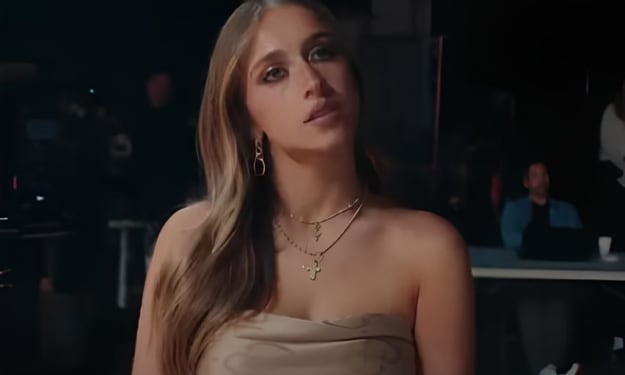
Tate McRae: From Dance Prodigy to Pop Sensation – The Rise of a Canadian Star
Tate McRae: From Dance Prodigy to Pop Sensation – The Rise of a Canadian Star Introduction In an era where viral moments can catapult artists to stardom overnight, Tate McRae stands out as a multifaceted talent who seamlessly transitioned from dance floors to global charts. The 20-year-old Canadian singer-songwriter has captivated audiences with her raw lyricism, emotive vocals, and dynamic performances. From her early days as a competitive dancer to her current status as a Gen-Z pop icon, McRae’s journey is a testament to passion, perseverance, and authenticity.
By Nivard Anna11 months ago in Art
The Evolution of Art . AI-Generated.
A Journey Through Creativity and Expression: Art's enduring essence For millennia, art has been a part of human civilization because it reflects culture, feelings, and imagination. Art has shaped societies and inspired generations, from prehistoric cave paintings to contemporary digital works. The essence of art is still the same: a profound means of expression, communication, and emotional connection, despite changes in its forms and mediums. The Development of Art Art dates back to the earliest human societies, with cave paintings from over 17,000 years ago found in places like Lascaux, France. These simple but profound illustrations were probably made for stories, rituals, or to record everyday life. The magnificence of Egyptian hieroglyphs, the sculptures of Ancient Greece, and the frescoes of the Renaissance are all results of the development of artistic techniques as civilizations advance. One of the most transformative periods in art history is frequently referred to as the Renaissance (14th–17th centuries). Perspective, anatomy, and realism were brought to painting and sculpture by masters like Raphael, Michelangelo, and Leonardo da Vinci. The transition from religiously centered art to explorations of humanism, science, and nature took place during this time. In the 19th and 20th centuries, art became a place where experimentation was encouraged. Surrealism, Impressionism, Cubism, Surrealism, and Abstract Expressionism all broke with conventional wisdom and allowed for individual interpretations. Work by Jackson Pollock, Pablo Picasso, Claude Monet, and Salvador Dal defied conventional aesthetics and pushed boundaries.
By Iraz Ahmed11 months ago in Art