
The Evolution of Art
The Timeless Essence of Art

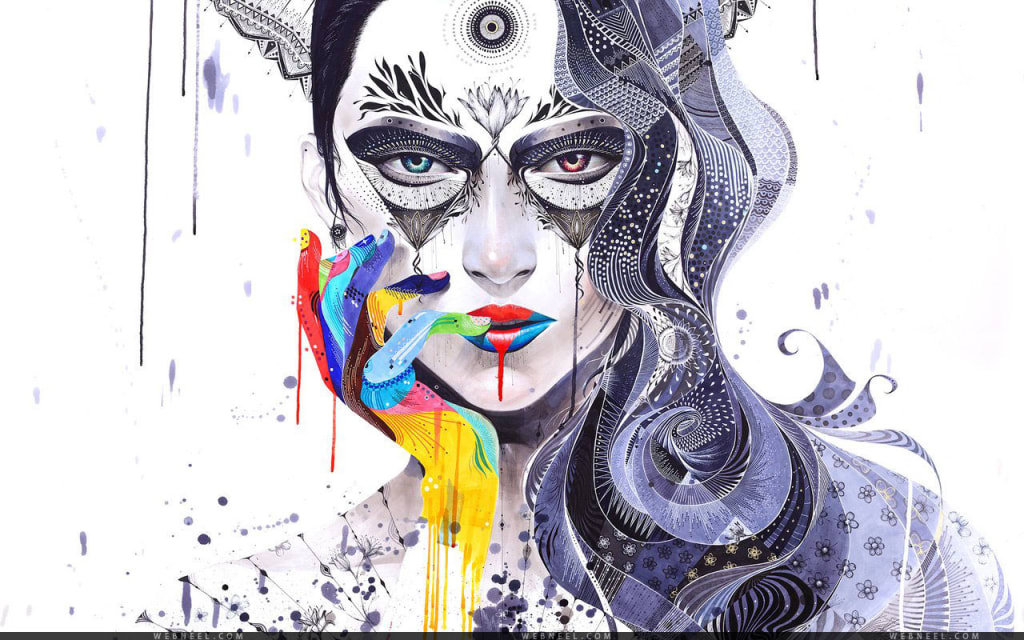
A Journey Through Creativity and Expression: Art's enduring essence For millennia, art has been a part of human civilization because it reflects culture, feelings, and imagination. Art has shaped societies and inspired generations, from prehistoric cave paintings to contemporary digital works. The essence of art is still the same: a profound means of expression, communication, and emotional connection, despite changes in its forms and mediums. The Development of Art Art dates back to the earliest human societies, with cave paintings from over 17,000 years ago found in places like Lascaux, France. These simple but profound illustrations were probably made for stories, rituals, or to record everyday life. The magnificence of Egyptian hieroglyphs, the sculptures of Ancient Greece, and the frescoes of the Renaissance are all results of the development of artistic techniques as civilizations advance. One of the most transformative periods in art history is frequently referred to as the Renaissance (14th–17th centuries). Perspective, anatomy, and realism were brought to painting and sculpture by masters like Raphael, Michelangelo, and Leonardo da Vinci. The transition from religiously centered art to explorations of humanism, science, and nature took place during this time. In the 19th and 20th centuries, art became a place where experimentation was encouraged. Surrealism, Impressionism, Cubism, Surrealism, and Abstract Expressionism all broke with conventional wisdom and allowed for individual interpretations. Work by Jackson Pollock, Pablo Picasso, Claude Monet, and Salvador Dal defied conventional aesthetics and pushed boundaries.

Art Forms and Materials Art is not restricted to a single medium; rather, it is a universe of ever-expanding forms and methods. The most well-known types include: Painting: Painting is still one of the most well-known forms of art, from oil paintings to watercolors. Artists from all over the world continue to be inspired by Frida Kahlo and Vincent van Gogh's works. Sculpture: The power of three-dimensional art has been demonstrated by the immortalization of figures like David and The Thinker by sculptures, whether made of marble or clay. Photography is a more recent form of artistic expression that combines technology and creativity to convey both reality and imagination in a single frame. Art that transcends visual boundaries and finds a home in sound and movement is called music and performance art. Storytelling and emotion can be conveyed effectively through contemporary works of art, such as opera and theater. Digital Art: Digital art has emerged as a dominant force in contemporary creativity thanks to advancements in technology. Traditional boundaries are rewritten by virtual reality art, animation, and graphic design. Art's Contribution to Society In society, art serves multiple functions. History is preserved, political messages are conveyed, and personal expression is allowed through it. With powerful movements like Dadaism and Street Art making bold statements against societal injustices, art has been used as a tool for activism. Furthermore, art has therapeutic properties. A lot of people use art therapy to help them deal with trauma, mental health issues, and emotional distress. People can express emotions that might be hard to put into words through the creative process. Art's Subjectiveness Subjectivity is one of the most fascinating aspects of art. What one person considers a masterpiece may be dismissed as meaningless by another. Art is deeply personal and distinctive to each person because of this interpretative quality. The concept of art has come a long way in recent years. Installations and interactive exhibits blur the lines between artist and audience, while conceptual art challenges the notion that art needs to be visually appealing. Every kind of art, traditional or modern, has value because it evokes thought, feeling, and inspiration. Conclusion
Art is a language that transcends time, culture, and personal experiences, not just a product of creativity. It provides insight into the human condition and allows us to view the world from various perspectives. Art continues to be a vital force that enriches our lives and continues to evolve with each passing era, whether through melody, digital screens, or brushstrokes.
About the Creator
Keep reading
More stories from writers in Art and other communities.
'Till Death We Do Art
There would be nothing divine in this world without art. Nature may surpass the divine to all intents and purposes, but like everything it absorbs and is absorbed by, it remains here, stuck on the surface of this world, ever-present, physically bound to the universe.
By Avocado Nunzella BSc (Psych) -- M.A.P 26 days ago in Art
The Front Seat
I found myself waking up in the front seat of the bus. My eyes were filled with the early morning darkness. I had been asleep, but I wasn’t sure for how long. I tried to wake up my body, but my head felt heavy, as though I had been sleeping for an eternity, although I couldn’t pinpoint how much time had passed.
By Aunty Sada2 days ago in Art
My First Time Skiing and I Got Lost, Alone, in the French Alps
Looking back, I can trace some of my life’s biggest adventures to a simple action from my sister. She’d introduced me to Tommy (a very long time ago), a colleague of hers, who had overshared his penchant for Italian-looking women, and I ticked that box.
By Chantal Christie Weissa day ago in Humans



Comments (1)
Art is amazing! Great work