
Shiv Murti: A Sacred Symbol of Power, Peace, and Divine Energy
The Shiv Murti, or idol of Lord Shiva, holds immense spiritual, cultural, and aesthetic value in Hinduism.
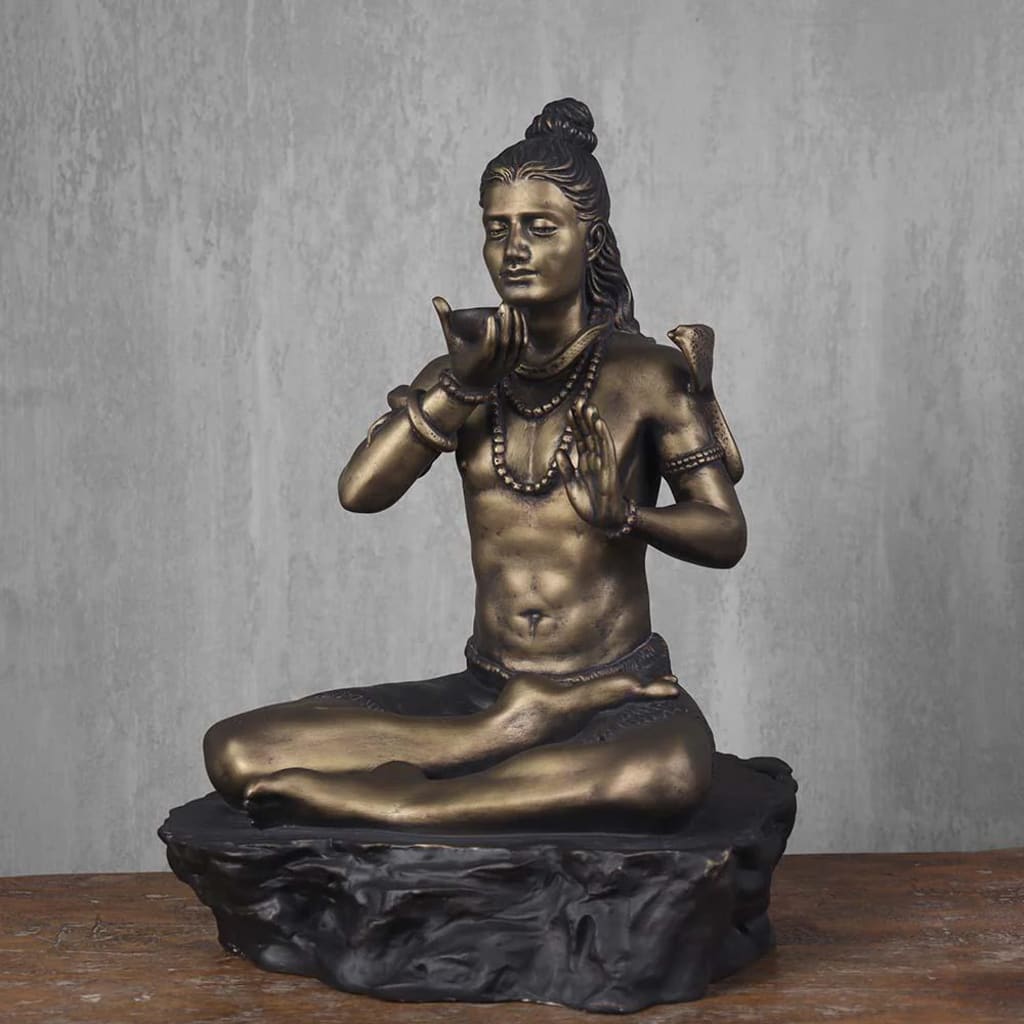
The Shiv Murti, or idol of Lord Shiva, holds immense spiritual, cultural, and aesthetic value in Hinduism. Known as the destroyer and transformer within the holy trinity (Trimurti) of Hindu gods—Brahma, Vishnu, and Shiva—Lord Shiva is revered for his calm, meditative presence as well as his fierce, powerful energy. A Shiv Murti not only enhances home décor but also instills a sense of peace, strength, and divinity in your living space.
The Significance of Shiv Murti in Hindu Culture
Lord Shiva is worshipped by millions for his unmatched wisdom, power, and compassion. A Shiv Murti symbolizes the perfect balance between creation and destruction, spiritual awakening, and detachment from material life. Whether you're a devotee or a spiritual enthusiast, placing a Shiva idol in your home serves as a reminder of inner strength, discipline, and calmness amidst life’s chaos.
Benefits of Placing a Shiv Murti at Home
1. Brings Positivity and Removes Negativity
The presence of a Shiv Murti is believed to eliminate negative energies and replace them with divine positivity. It’s considered auspicious and protective, safeguarding the home from negative influences.
2. Promotes Peace and Harmony
Lord Shiva is often depicted in deep meditation, representing inner peace and calm. A meditating Shiv Murti brings a serene, spiritual atmosphere that fosters harmony in your home.
3. Encourages Focus and Mental Clarity
Placing a Shiv Murti in a study or meditation space can inspire focus, mindfulness, and mental clarity. Many students, professionals, and spiritual seekers choose Shiva idols for this reason.
4. Enhances Home Aesthetics with Spiritual Touch
Apart from spiritual benefits, a beautifully crafted Shiv Murti—whether made of marble, brass, stone, or wood—adds a timeless and elegant charm to your home decor.
Popular Forms of Shiv Murti
1. Nataraja (Dancing Shiva):
This dynamic pose depicts Lord Shiva as the cosmic dancer, symbolizing the rhythm of the universe. It’s ideal for artistic or spiritual spaces.
2. Shiva in Meditation:
A calm, seated Shiva in meditation posture represents peace, wisdom, and spiritual strength—perfect for your pooja room, yoga corner, or living area.
3. Ardhanarishvara:
This unique form combines Shiva and Parvati in a single body, symbolizing the unity of masculine and feminine energy.
4. Shivling (Lingam):
A sacred abstract representation of Shiva, the Shivling is commonly worshipped and placed in temples and homes for divine blessings.
Ideal Placement for Shiv Murti at Home
Direction: Always place the Shiv Murti facing east or north. Worshippers should face north or east during prayers.
Location: Best placed in a clean, quiet corner or the pooja room. Avoid placing it in bedrooms or directly on the floor.
Accompaniment: You can enhance the spiritual setup with flowers, diyas (lamps), and incense. A small water pot or rudraksha mala beside the idol adds to the ambiance.
Conclusion
A Shiv Murti is more than just a statue—it's a symbol of divine power, self-realization, and spiritual transformation. Whether you’re enhancing your pooja room, seeking inner calm, or simply adding spiritual decor to your space, a well-chosen Shiv Murti brings an aura of devotion and peace. Let the divine presence of Lord Shiva guide your home with strength, wisdom, and serenity.
About the Creator
Keep reading
More stories from Studio Renaissance and writers in Art and other communities.
Shiv Murti: A Sacred Symbol of Power, Peace, and Divine Energy
In Hinduism, Lord Shiva is one of the most revered deities, known as the destroyer and transformer in the Holy Trinity (Trimurti), alongside Brahma and Vishnu. A Shiv Murti (statue or idol of Lord Shiva) is not just a religious artifact but a deeply spiritual and symbolic presence in homes, temples, gardens, and public spaces. Placing a Shiv Murti in your surroundings is believed to invite divine energy, inner strength, and a sense of calm.
By Studio Renaissance8 months ago in Art
Dog Shoes for Small Dogs and Puppy Shoes A Practical, Paw-Friendly Guide
Small dogs and puppies may look tough, but their paws often need more protection than people realize. Their bodies are lighter, their paws are smaller, and many of them spend a lot of time on surfaces that were never designed for delicate paw pads. Add cold sidewalks, hot pavement, rough gravel, wet grass, or even slippery indoor floors, and you start to see why dog footwear has become more than just a cute trend.
By aliyashahzadi3 days ago in Art



Comments
There are no comments for this story
Be the first to respond and start the conversation.