
MCU Fans Heartbroken By Our Newest Thor
The God of Thunder has undergone quite a change

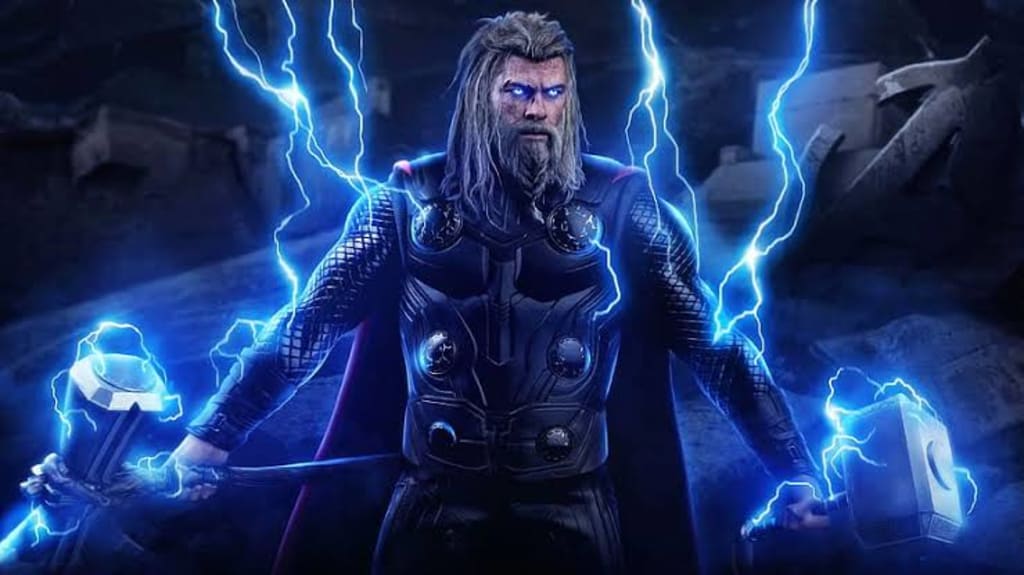
Thor’s journey in the Marvel Cinematic Universe (MCU) is not just a tale of heroism, but one of personal loss and self-discovery. When Thor first appeared in Thor (2011), he was a proud and powerful Norse god, exiled to Earth after a rash act of arrogance. This film, directed by Kenneth Branagh, laid the foundation for the character, establishing him as both a fish out of water and a royal heir with immense responsibility. At the start, Thor was arrogant and selfish, traits that reflected his divine upbringing in the halls of Asgard. However, his time on Earth served as a crucible that forged him into a hero. His character arc in Thor emphasized the importance of humility, as he learned that leadership meant more than wielding power—it meant caring for those you lead. By the end of the film, he had earned the right to wield Mjolnir once again, symbolizing his transformation from a brash warrior into a wiser, more responsible figure.
However, it wasn’t until The Avengers (2012) that Thor truly became an integral part of the MCU. His role in the team-up film helped solidify his place in the broader Marvel universe, as he joined Iron Man, Captain America, and the Hulk in their battle against Loki. The film served as a turning point, establishing Thor not just as a lone hero but as a member of a team, working alongside others who had their own unique strengths and weaknesses. His bond with the other Avengers grew, and it became clear that Thor’s path was one of teamwork, not just solitary heroics. This development in his character made him more accessible to audiences, allowing them to see him as a part of something larger than himself. The Avengers’ dynamic, particularly between Thor and Captain America, helped set the stage for later films, including the monumental Avengers: Endgame.
Thor’s character underwent another significant transformation with the release of Thor: The Dark World (2013), a film that explored his relationship with his brother, Loki, as well as his duty to protect Asgard. While the film received mixed reviews, it deepened Thor’s emotional complexity, showcasing his grief over the loss of his mother, Frigga. The film also solidified the rivalry between Thor and Loki, a relationship that would continue to evolve throughout the MCU. Despite its darker tone, The Dark World provided an important stepping stone in Thor’s journey. It established that his battles were not just physical but emotional as well, often dealing with complex family dynamics and the weight of his responsibilities as a prince and protector.
In the midst of all these changes, one of the most significant aspects of Thor's character was his constant struggle with identity. As a god, Thor had to reconcile his divine heritage with his mortal experiences. While his powers were immense, they were often contrasted by his vulnerabilities. His journey in the MCU was as much about learning to accept his flaws as it was about learning to embrace his power. This duality became especially evident in Thor: Ragnarok (2017), where, after losing his father and his home, Thor was forced to confront his own limitations and redefine what it meant to be a leader. It was in Ragnarok that he found himself at a crossroads, where the loss of Asgard led him to understand that it was not just about saving a place, but protecting its people. In the aftermath of his loss, Thor’s newfound sense of purpose led him to make difficult choices that would define his character in future films.
Thor: Ragnarok was a pivotal moment not just for Thor as a character, but for the MCU as a whole. The film took risks with its tone and style, blending colorful visuals, comedy, and heart, creating a perfect fusion of levity and weight. Director Taika Waititi infused the film with a sense of irreverence, which made Thor a more relatable figure, especially as he grappled with his failures and the loss of his family. Thor’s witty, sarcastic humor, paired with his moments of vulnerability, made him more human and less of the stoic god audiences had seen in earlier films. The introduction of new characters like Valkyrie, played by Tessa Thompson, and the Grandmaster, portrayed by Jeff Goldblum, added layers of humor and personality to the world of Asgard and beyond. However, the film’s biggest impact was on the character of Thor himself. His journey through Ragnarok showcased that he didn’t need his hammer, Mjolnir, to be powerful. Instead, his strength came from within—a realization that would carry over into Avengers: Infinity War and beyond.
In Avengers: Infinity War (2018), Thor was forced to confront perhaps the greatest loss of his life: the death of his brother Loki and the destruction of his home, Asgard, by the hands of Thanos. The opening moments of Infinity War saw Thor as a broken man, a shell of the god he once was, yet still determined to seek vengeance. His emotional journey in Infinity War highlighted the toll that constant loss and battle had taken on him. When he forged Stormbreaker, a new weapon, and joined the fight against Thanos, Thor’s character began to evolve once again. His search for revenge was not just an emotional outburst but a reflection of his need to regain control and purpose. Yet, despite the intense action of the film, Thor's grief and his relationship with his teammates remained at the forefront, adding depth to his character.
Avengers: Endgame (2019) offered an even more poignant look at Thor's character, particularly when he dealt with the aftermath of his failures. The portrayal of Thor as overweight, self-pitying, and deeply scarred emotionally divided audiences. On one hand, it felt like a natural progression for a character who had lost so much, but on the other hand, it seemed like a drastic shift from the heroic image many fans had of the character. For some, this version of Thor felt like a parody, a far cry from the noble god they had admired. However, this portrayal also helped humanize Thor in a way that hadn't been seen before. It was clear that, despite his godly power, Thor was not invincible. His internal struggles mirrored those of many real people who experience trauma and emotional turmoil, making his character more relatable than ever. Thor’s eventual redemption and reawakening in Endgame, where he steps up to help save the universe, was a powerful moment that allowed him to reclaim his status as a hero—not just through his actions, but through his acceptance of who he had become.
The discussion about Thor’s portrayal in Thor: Love and Thunder (2022) brought to light the ongoing challenges of balancing the different facets of his character. Some fans appreciated the humor and lightheartedness, while others felt it undercut the emotional depth that had been established in Endgame. The return to comedic elements, combined with a storyline centered around children and a new mentorship role for Thor, left some fans unsure about the direction of his arc. For some, the character’s ongoing evolution felt like a step backward, especially after the weighty and emotionally charged events of Endgame. Thor was no longer just a mighty warrior or an avenger, but someone who was grappling with what it meant to be a father figure, mentor, and leader. This shift in focus, while it added new layers to his character, also sparked debate over whether it diluted the gravitas that Thor had gained through his earlier films.
Looking ahead, Chris Hemsworth’s remarks that he isn't retiring from the role anytime soon offer fans hope for more nuanced and compelling explorations of Thor’s character. Thor’s journey in the MCU has been marked by a constant evolution, and Hemsworth’s commitment to the role suggests that there are still more layers of the character to explore. Whether Thor’s future involves him embracing his role as a king, balancing his humor with the weight of leadership, or confronting new challenges in a post-Endgame world, fans can look forward to continued growth for the character. Thor’s story, with all its ups and downs, remains one of the most captivating and emotionally complex arcs in the MCU, and as long as Hemsworth is willing to continue, Thor will undoubtedly remain a central figure in the franchise for years to come.
About the Creator
Keep reading
More stories from Olakunle Isreal and writers in Art and other communities.
10 Most Anticipated Movies of 2025
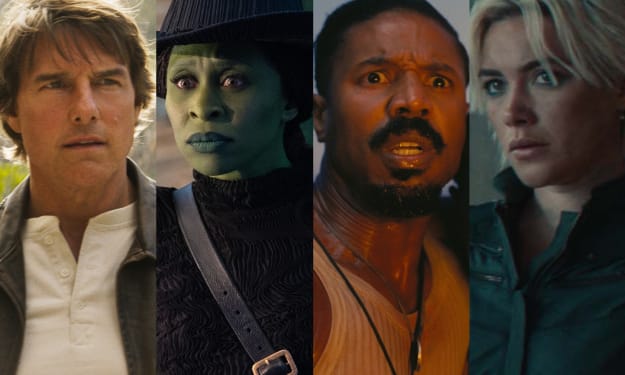
Goodbye, 2024! You were the year of delayed sequels, disappointing superhero spin-offs, extravagant sci-fi spectacles, and the surprise hit of a witch-themed musical. Now, welcome 2025, a year that promises more sequels (perhaps more timely this time?), larger-than-life sci-fi epics, hopefully more successful superhero spinoffs, and the continuation of that witch musical. If you’re a fan of big-name stars, brace yourself for the likes of Tom Cruise, Jamie Foxx, Cameron Diaz, Ben Affleck, Jason Momoa, Robert Pattinson, Michael B. Jordan, Adam Sandler, and Timothée Chalamet gracing theaters and streaming platforms. For A-list directors, prepare for new releases from Ryan Coogler, Celine Song, Bong Joon-ho, Ari Aster, Paul Thomas Anderson, Guillermo del Toro, Steven Soderbergh, James Cameron, and the Safdie brothers. Of course, the year will also bring plenty of horror, comedy, and biographical dramas.
By Olakunle Isreal about a year ago in Art
When the Artist Becomes the Art
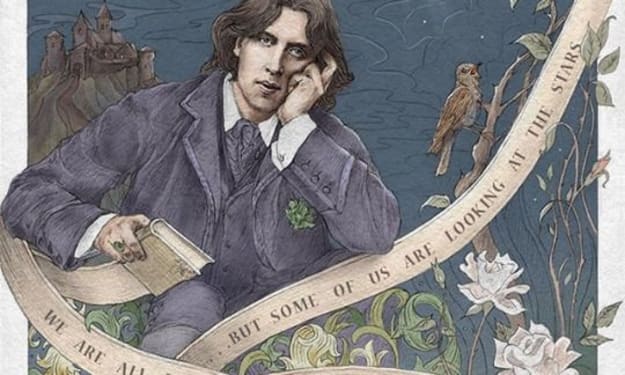
We like to think we can separate the art from the artist, but can we, really? Art is born from the same place as sin. It mainly emerges from conflict: between what is felt and what is permitted, between the self that is lived and the self that must be hidden. No figure embodies this tension more vividly than Oscar Wilde: a man who transformed his own contradictions into style, wit, and devastating clarity. His novel The Picture of Dorian Gray is not merely a tale of aesthetic decadence but the battleground on which this question is fought.
By Yasmine Lagras4 days ago in Art


Comments
There are no comments for this story
Be the first to respond and start the conversation.