
How to Be Ready for Ramadan Fasting and Excel During the Holy Month
Ready for Ramadan fasting 💪.
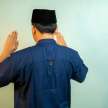

Ramadan is a sacred month in Islam, where Muslims around the world fast from dawn to sunset, engage in prayer, and seek spiritual purification. It is a time for self-discipline, reflection, and devotion to Allah. Preparing for Ramadan fasting is essential to ensure a smooth and beneficial experience. With the right physical, mental, and spiritual preparation, you can not only complete your fasts successfully but also make the most of the holy month.
This article will guide you on how to get ready for Ramadan fasting and how to excel during this blessed month.
1. Preparing Physically for Ramadan
Fasting in Ramadan requires endurance, as you will abstain from food and water for long hours. Preparing your body in advance can help ease the transition into fasting.
a) Adjust Your Eating Habits
Before Ramadan starts, gradually reduce your food intake during the day. Start eating lighter meals and avoid snacking excessively. This will help your body adapt to the fasting routine. You can also practice intermittent fasting for a few days before Ramadan to prepare your digestive system.
b) Reduce Caffeine and Sugar Intake
If you are used to drinking coffee, tea, or sugary drinks regularly, try cutting down before Ramadan begins. Caffeine withdrawal can cause headaches and fatigue in the first few days of fasting. Reduce your caffeine intake gradually to avoid sudden withdrawal symptoms.
c) Eat a Balanced Diet
A well-balanced diet will help keep your energy levels stable throughout Ramadan. Focus on foods rich in protein, fiber, and healthy fats. Whole grains, fruits, vegetables, and lean proteins should be part of your meals. Avoid processed foods and excessive fried items, as they can cause bloating and discomfort during fasting.
d) Stay Hydrated
Drinking enough water before Ramadan is crucial. Dehydration can lead to fatigue and headaches during fasting hours. Try to drink at least 8–10 glasses of water daily before Ramadan. Also, include hydrating foods like cucumbers, watermelon, and yogurt in your diet.
e) Regulate Your Sleep Pattern
Since you will wake up early for Suhoor (pre-dawn meal) and stay up late for Taraweeh (night prayers), adjusting your sleep schedule before Ramadan can be helpful. Try sleeping earlier and waking up at Suhoor time a few days before Ramadan to help your body adjust.
2. Preparing Spiritually for Ramadan
Ramadan is not just about fasting from food and drink; it is a time for spiritual growth, increased worship, and seeking closeness to Allah.
a) Increase Your Worship Before Ramadan
Start reading more Quran, praying additional Nafl (voluntary) prayers, and making Dua (supplication) before Ramadan begins. This will help you build a strong spiritual routine that you can continue throughout the month.
b) Make a Plan for Quran Recitation
Ramadan is the month of the Quran, and many Muslims aim to complete its recitation. Set a daily goal for reading Quran so you can complete it by the end of Ramadan. Even if you cannot finish it, reading with understanding is more beneficial than rushing through it.
c) Seek Forgiveness and Purify Your Intentions
Before Ramadan, take time to reflect on your past actions and seek forgiveness from Allah. Purify your intentions and make Dua for guidance and strength to make the most of the holy month.
d) Give Charity and Help Others
Generosity is highly encouraged in Ramadan. Start giving Sadaqah (charity) before Ramadan so that you develop the habit of helping others. Look for opportunities to support the needy, whether through financial donations or acts of kindness.
3. How to Be Good During Ramadan
Excelling in Ramadan requires discipline, patience, and devotion. Here are some ways to ensure you have a successful and rewarding Ramadan.
a) Observe Fasts with Patience and Gratitude
Fasting is not just about avoiding food; it is about self-control. Avoid complaining about hunger and thirst. Instead, use this time to practice patience and gratitude for the blessings you have.
b) Engage in Extra Worship
Try to perform additional prayers like Taraweeh and Tahajjud. Increase your remembrance of Allah (Dhikr) and make more Dua, especially during the last ten nights of Ramadan when Laylatul Qadr (the Night of Power) is most likely to occur.
c) Control Your Tongue and Actions
Ramadan teaches self-discipline. Avoid arguing, gossiping, or speaking negatively about others. Speak kindly, control your anger, and strive to be a better person.
d) Make Time for Family and Community
Ramadan is a time to strengthen family bonds and community ties. Share Iftar (breaking of fast) with family and friends, pray together, and encourage each other to do good deeds.
e) Maintain a Healthy Lifestyle
Eat a nutritious Suhoor and Iftar. Avoid overeating at Iftar, as it can make you feel sluggish. Exercise lightly, such as walking after Taraweeh, to stay active.
f) Stay Productive and Avoid Laziness
Fasting is not an excuse to be unproductive. Plan your day wisely, prioritize important tasks, and avoid wasting time on social media or unnecessary activities.
Conclusion
Ramadan is a beautiful and transformative month that offers countless rewards. By preparing physically and spiritually before Ramadan, you can ensure a smooth transition into fasting and maximize the blessings of this sacred month. Focus on developing good habits, increasing your acts of worship, and maintaining self-discipline.
With the right mindset and preparation, you can not only complete your fasts successfully but also grow spiritually and become a better person. May Allah bless you with a fulfilling and rewarding Ramadan!
About the Creator
Keep reading
More stories from Maxamed Sharif and writers in Art and other communities.
The Relationship with Your Bed:
The Relationship with Your Bed: A Bond of Rest and Renewal Your bed is perhaps one of the most underestimated, yet deep-seated, relationships you have with an object. It is more than just a piece of furniture—it's a sanctuary for rest, a place for healing, and it forms part of the core basis of your daily routine. Knowing this relationship, nurturing it, can actually make all the difference in life, both physically and mentally. The Bed as Sanctuary
By Maxamed Sharifabout a year ago in Art
Why 316 stainless steel sculpture is the gold standard for coastal sculptures
If stainless steel sculptures are installed in coastal environments, corrosion caused by sea breezes becomes an important issue to consider. Salt in the air, high humidity, and frequent temperature changes can all accelerate surface deterioration if the material or finish is not suitable.
By Shenzhen Ruiheng Crafts2 days ago in Art
How to prevent outdoor sculptures from fading over time
Outdoor sculptures often appear vibrant and impressive when first installed, but after one or two summers, the colors can begin to fade. In some cases, bright surfaces become chalky, while darker tones lose depth and contrast. This fading is not a design flaw, but usually results from environmental exposure and inappropriate material or surface treatment choices during the early stages of the project.
By Shenzhen Ruiheng Crafts8 days ago in Art




Comments
There are no comments for this story
Be the first to respond and start the conversation.