
How Paint Brushes Have Evolved Through History
Read about the history of paint brushes!
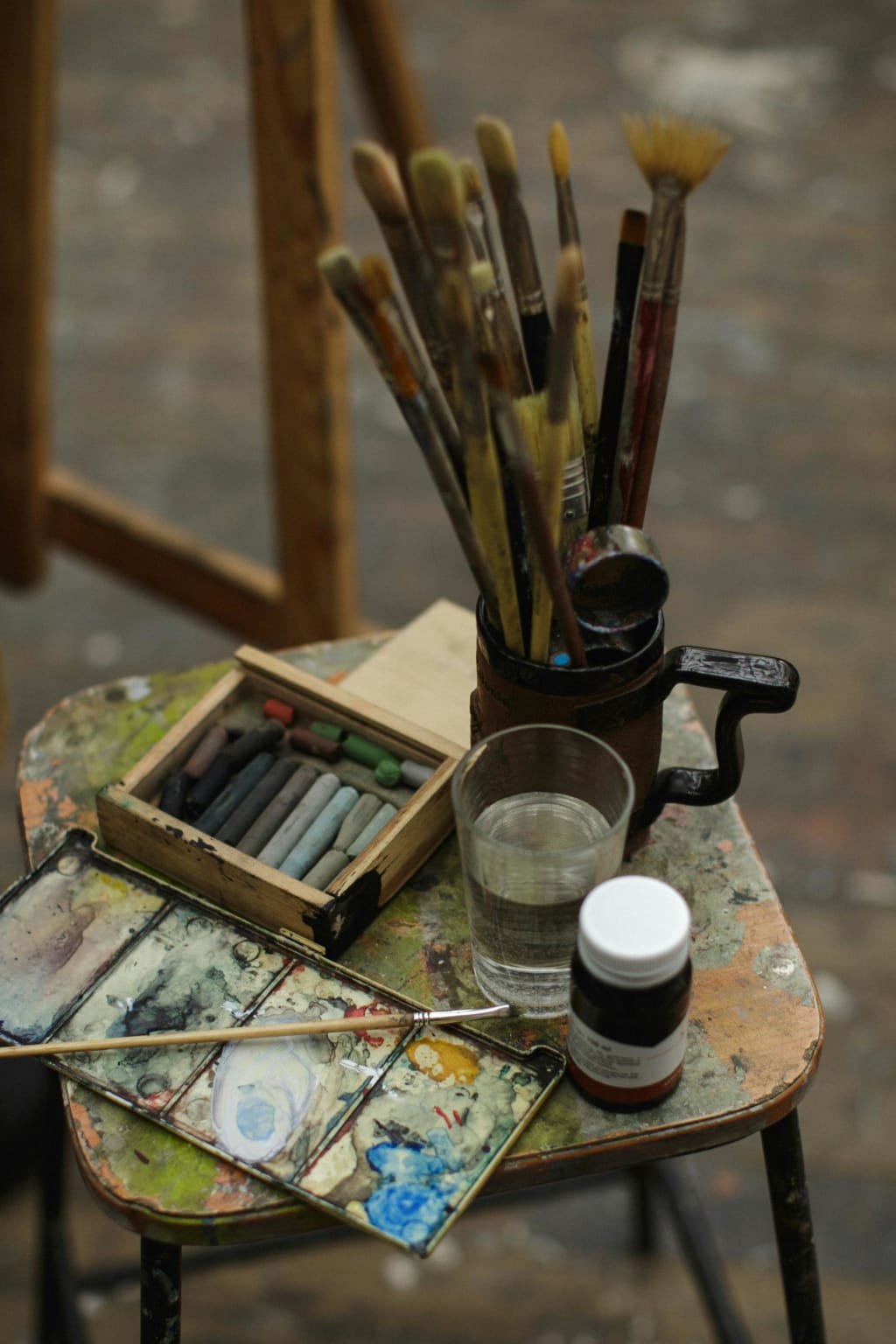
Paint brushes are among the most essential tools in the artist's arsenal, evolving over centuries to meet the changing needs of creators. From their earliest forms in ancient cultures to the high-tech, synthetic options available today, paint brushes have mirrored the advancements in art and science. Each period in history has shaped paint brush design, materials, and functions, creating a fascinating timeline that spans from primitive tools to modern innovations.
In this blog, we'll journey through the evolution of paint brushes, exploring the materials, designs, and techniques that have defined each era.
1. Ancient Beginnings: The First Paint Brushes
The origins of paint brushes can be traced back to prehistoric times. Early artists, creating cave paintings and rudimentary art, crafted simple tools for applying color using available natural resources.
Prehistoric Paint Brushes
• Materials: Early brushes were made from sticks, reeds, bones, and animal hair. Sometimes, chewed plant fibers or sticks were used for creating basic strokes.
• Application: These primitive brushes helped apply pigments made from crushed minerals, charcoal, and plant extracts.
• Era: Evidence from prehistoric cave paintings, like those found in Lascaux, France, shows that brushes were used as early as 40,000 BCE.
These brushes were rudimentary but effective, as evidenced by the detailed and vibrant cave art still visible today.
2. Paint Brushes in Ancient Egypt, Greece, and Rome
As civilizations developed, so did the sophistication of painting tools. The ancient Egyptians, Greeks, and Romans began to explore more refined forms of art, leading to more specialized brush types.
Egyptian Paint Brushes
• Materials: Egyptians crafted brushes from palm fronds, animal hair (particularly horsehair), and reeds.
• Design: Brushes were tied together with natural fibers to form a simple ferrule.
• Application: Brushes were primarily used for painting on walls, pottery, and papyrus, often to depict religious scenes and daily life.
The Egyptian influence on art materials is notable, as they were among the first to focus on brush-making techniques to enhance their painting methods.
Greek and Roman Brushes
• Materials: Romans advanced brush design by using more animal hair, like hog or goat hair, and incorporated fine-tipped reeds for detail work.
• Application: Used for frescoes, murals, and vase painting, the brushes offered more control and precision compared to earlier tools.
This period marked a pivotal moment in the history of paint brushes, as artists began to value quality tools and precision, laying the groundwork for the development of finer, more durable brushes.
3. The Middle Ages: Paint Brushes in Religious Art and Manuscripts
During the Middle Ages, art was dominated by religious themes, particularly in Europe. This focus required paint brushes capable of intricate detail work, especially for manuscript illumination and iconography.
Manuscript Brushes
• Materials: Squirrel and mink hair became popular for their softness and precision.
• Design: Brushes had finer points, making them ideal for intricate work on parchment.
• Application: Used for illuminated manuscripts, these brushes could produce highly detailed lettering, decorative borders, and religious imagery.
Brushes during this period were smaller and more specialized, reflecting the demand for precision in religious art.
4. The Renaissance: Advancements in Brush Design
The Renaissance, spanning from the 14th to the 17th century, was a period of great innovation in art. Artists like Leonardo da Vinci and Michelangelo required versatile, durable brushes to support their evolving techniques.
Renaissance Paint Brushes
• Materials: Hog bristles became the primary material for brushes due to their resilience and ability to hold thick oil paints.
• Design: Brushes were now being designed with wooden handles and metal ferrules, a feature that allowed for a firmer grip and better control.
• Application: Used for oil painting, frescoes, and canvas work, Renaissance brushes needed to withstand heavy, thick paints and repeated use.
The Renaissance transformed paint brushes into durable, versatile tools that could support the complex styles of this prolific era, laying the groundwork for modern brush design.
5. The Baroque and Rococo Periods: Enhancing Expressiveness
The Baroque (17th century) and Rococo (18th century) periods saw artists like Rembrandt, Rubens, and Fragonard experiment with more expressive, dramatic painting styles. Brushes needed to be flexible, resilient, and adaptable for bold strokes and textures.
Baroque and Rococo Paint Brushes
• Materials: Hog bristle remained popular, but softer options like sable began to gain favor for delicate blending and finer details.
• Design: Longer, tapered bristles allowed for dynamic brushstrokes, which were ideal for creating movement and depth in artwork.
• Application: These brushes facilitated the expressive, detailed work typical of the era, enhancing the realism and drama in painting.
The demand for expressiveness led to an increased variety of brush shapes and sizes, accommodating the growing range of painting techniques.
6. The 19th Century: The Rise of Sable Brushes
The 19th century, marked by the Industrial Revolution, brought significant advancements in brush-making technology. This era saw a shift in materials and the introduction of finer, more specialized brushes.
The Introduction of Sable Hair
• Materials: Sable hair, particularly from the Kolinsky sable, became highly sought after for its softness, flexibility, and precision.
• Design: These brushes could hold a fine point, making them ideal for delicate work and intricate details.
• Application: Artists in movements like Impressionism and Realism used sable brushes for their control, precision, and versatility.
The adoption of sable marked a shift towards luxury in brush-making, with artists valuing tools that allowed for meticulous detail and delicate application.
7. The 20th Century: Synthetic Brushes and Mass Production
The 20th century brought synthetic brushes into the mainstream. Initially used during World War II as a replacement for animal hair, synthetic brushes quickly became popular due to their affordability and versatility.
Synthetic Brushes
• Materials: Nylon and polyester fibers were developed as durable, resilient alternatives to natural bristles.
• Design: Synthetic brushes could mimic natural hair, with different textures and stiffness levels suited for oils, acrylics, and watercolors.
• Application: Synthetic brushes became common in schools and among beginner artists, making art more accessible.
This period democratized art by providing affordable, reliable brushes to artists of all skill levels, while also helping to address ethical concerns related to animal-derived materials.
8. The Present Day: Technological Innovations in Brush Design
Today, brush design continues to evolve with advancements in material science and ergonomic technology. Artists now have access to a range of synthetic and hybrid brushes that are designed to mimic the qualities of natural bristles.
Modern Paint Brushes
• Materials: High-quality synthetics and hybrid blends replicate the softness and durability of natural bristles, with improved longevity and resilience.
• Design: Ergonomic handles, precision ferrules, and customizable shapes allow for a tailored painting experience.
• Application: Brushes today are highly specialized, catering to every type of medium and technique, from watercolor washes to fine oil detailing.
The modern paint brush market offers unprecedented variety and quality, ensuring that artists can find the perfect tool to meet their creative needs.
9. The Future of Paint Brushes: Sustainable and Ethical Developments
As art continues to embrace ethical and sustainable practices, paint brush manufacturers are looking for eco-friendly alternatives. From recycled synthetic bristles to cruelty-free natural alternatives, the brush industry is taking steps towards environmental responsibility.
Sustainable Brush Trends
• Eco-Friendly Materials: Recycled and biodegradable materials are being used for both handles and bristles.
• Cruelty-Free Options: Vegan brushes are growing in popularity, using plant-based and synthetic materials that mimic animal hair.
• Innovative Designs: Modular brush designs and refillable components are being explored to reduce waste.
With sustainability in focus, the future of paint brushes looks to balance functionality with ethical responsibility, appealing to a new generation of environmentally-conscious artists.
Conclusion: The Timeless Evolution of Paint Brushes
From rudimentary tools in ancient times to today’s sophisticated, sustainable designs, the evolution of paint brushes reflects humanity’s enduring passion for art. Each advancement has contributed to our ability to express, create, and innovate, making the humble paint brush a testament to the evolution of creativity itself. Whether you're an artist working with traditional or modern tools, paint brushes continue to bridge the gap between vision and creation, enabling every stroke to tell a story across history. You can find some of the best paint brushes from TrueGether, the best eBay alternative.
This rich legacy not only honors the artists of the past but also empowers the artists of the future to continue exploring the world of art with the best tools at their fingertips.
About the Creator
Ruby
I am an enthusiastic writer with a pinch of creativity. I write compelling stories that will leave you astounded and satiated at the same time.
'Till Death We Do Art
There would be nothing divine in this world without art. Nature may surpass the divine to all intents and purposes, but like everything it absorbs and is absorbed by, it remains here, stuck on the surface of this world, ever-present, physically bound to the universe.
By Avocado Nunzella BSc (Psych) -- M.A.P 15 days ago in Art
5 Ways to Trust Your Creative Ideas
When I go through creative dry spells, I tend to think that generating more ideas is what is going to get me through it. However, I've learned the hard way that this isn't the case. But, having more ideas doesn't make us more creative. In fact, it can have the opposite effect.
By Kathy Tsoukalas5 days ago in Art


Comments
There are no comments for this story
Be the first to respond and start the conversation.