
Synthetic vs. Natural Bristle Brushes: Which Is Better for Your Art?
Decide yourself!
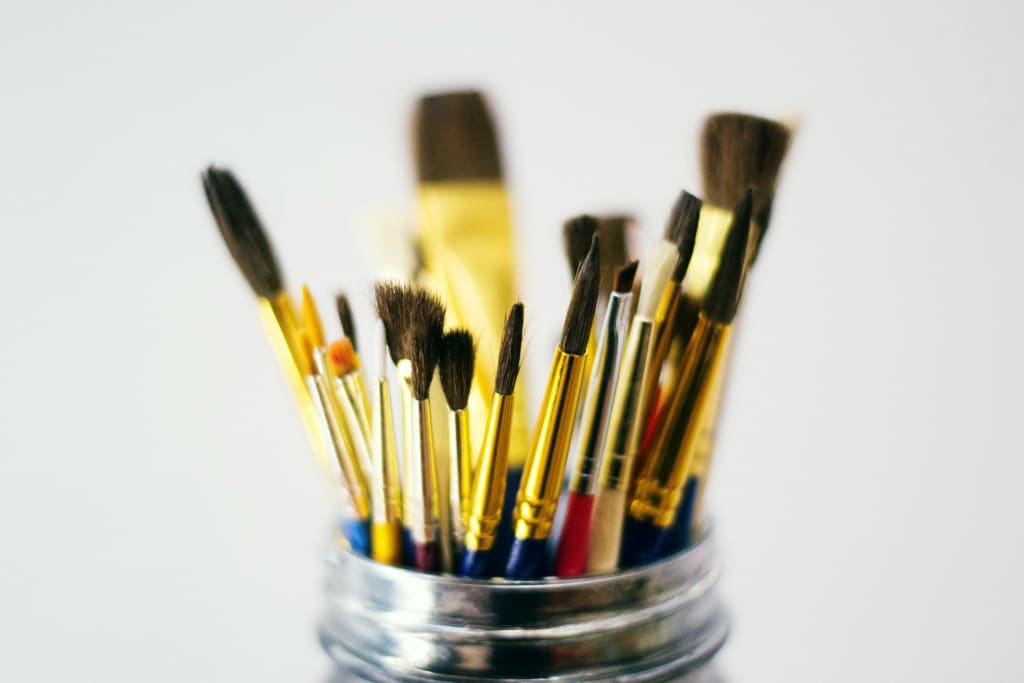
Choosing the right paintbrush can be a pivotal decision for artists of all levels. Brushes are not only an extension of the artist’s hand but also influence the style, flow, and texture of the artwork. One of the most debated choices in art tools is between synthetic and natural bristle brushes. Each type brings distinct qualities to the canvas, from durability and versatility to compatibility with different paints. This blog will provide an in-depth look at the differences between synthetic and natural bristle brushes, exploring their benefits, drawbacks, and ideal applications so you can make an informed decision.
1. Introduction to Brush Bristles: Why Material Matters
Brush bristles are a key element in the art-making process as they affect paint control, blending, and texture. The material of the bristles, either natural or synthetic, impacts their ability to hold paint, withstand solvents, and create fine or bold lines. Here’s an overview of both:
• Natural Bristle Brushes: Made from animal hairs, such as hog, sable, or squirrel, natural bristles have a natural “flagged” (split) end, helping them hold more paint and providing a smoother, more even application.
• Synthetic Bristle Brushes: Created from materials like nylon or polyester, synthetic bristles are manufactured to mimic or, in some cases, improve upon the characteristics of natural bristles.
2. Key Differences Between Natural and Synthetic Bristle Brushes
To determine which brush type is best for your art, it’s essential to look at how each performs across several categories, including paint compatibility, durability, cost, and more.
Paint Compatibility
Different brushes work best with specific paints due to the varying consistency and chemical makeup of oils, acrylics, and watercolors.
• Natural Bristles: Known for their softness and flexibility, natural bristle brushes work exceptionally well with oil-based paints. They hold more paint, making it easier to achieve smooth, long strokes and blend colors seamlessly. Natural bristles also work well with some types of watercolor brushes, particularly those made from sable or squirrel hair, which excel in delicate applications.
• Synthetic Bristles: Engineered to handle water and other solvents without swelling or losing shape, synthetic bristle brushes are highly compatible with acrylic paints. Because synthetic fibers do not absorb water like natural hair, these brushes retain their shape, allowing for crisp edges and excellent control over details. They’re also often suitable for watercolors, as some synthetic brushes are designed to mimic the absorbency of natural bristles.
Best Use Tip: Natural bristle brushes are often better for oils, while synthetic bristles are ideal for acrylics and can also work well with watercolors.
Paint Holding Capacity
Paint holding capacity affects how frequently an artist needs to reload their brush with paint, impacting flow and consistency.
• Natural Bristles: Due to their porous structure and flagged tips, natural bristles can hold a significant amount of paint. This makes them excellent for long, uninterrupted strokes and for covering larger areas without frequent reloads. It also allows for smooth blending and layering, which is particularly beneficial when working with oils.
• Synthetic Bristles: While synthetic bristles have improved over the years, they still typically hold less paint than natural bristles. This can result in more frequent reloading, which may interrupt the flow when working on large areas but can be advantageous for precision work or painting small details.
Durability and Maintenance
Durability and ease of maintenance are significant factors to consider, especially for artists who work frequently.
• Natural Bristles: While they provide excellent paint flow and texture, natural bristles tend to be more delicate and susceptible to wear from harsh solvents or water. Cleaning natural bristle brushes with strong solvents or overuse with water-based paints can lead to brittleness, causing the bristles to break or shed. However, with proper care and maintenance, natural bristle brushes can last a long time.
• Synthetic Bristles: Synthetic bristles are extremely durable and withstand the effects of water and solvents better than natural bristles. They are easier to clean and maintain, making them a preferred choice for artists who work with water-based paints like acrylics. Additionally, synthetic brushes retain their shape better, even after prolonged use and repeated cleaning.
Maintenance Tip: If you often use water-based or harsh paints, synthetic brushes may last longer with minimal care, while natural bristles require gentler cleaning to maintain quality.
Cost Comparison
Cost is often a deciding factor for artists, especially for those purchasing brushes frequently or building an initial set.
• Natural Bristles: Brushes made from high-quality natural hair, such as sable or squirrel, tend to be more expensive due to the quality of the materials and their superior performance in certain applications. Hog hair brushes, although less costly, still demand higher prices than most synthetic alternatives.
• Synthetic Bristles: Generally more affordable, synthetic brushes offer a budget-friendly option for artists without compromising on quality, particularly for acrylic and watercolor techniques. They’re also widely available, making it easy to replace them when needed.
3. Advantages of Natural Bristle Brushes
Natural bristle brushes remain a favorite among traditional and oil painters for their unique qualities. Here are some standout benefits:
• Superior Paint Holding Capacity: Natural bristles’ structure allows them to hold more paint, providing a smoother, more continuous flow.
• Excellent for Blending and Layering: The softness of natural bristles facilitates smooth color transitions and makes blending much easier.
• Authentic Brushstrokes: Natural bristles produce an organic texture that can enhance an artwork’s overall feel, especially in oil painting.
Drawbacks of Natural Bristles
• Higher Cost: Brushes made from animal hair, particularly sable, are costly.
• Requires Special Care: Natural bristles need gentle cleaning to avoid brittleness.
• Less Durable with Water-Based Paints: Natural bristles are prone to damage from water exposure, making them less ideal for acrylics.
4. Advantages of Synthetic Bristle Brushes
Synthetic bristle brushes are a popular choice for many modern artists, especially those working with acrylics. Here’s why:
• Highly Durable: Synthetic bristles resist solvents and water, making them more resilient.
• Easier to Maintain: Synthetic brushes are generally easier to clean and less prone to damage.
• Cost-Effective: Synthetic brushes are usually more affordable, making them accessible for artists of all levels.
Drawbacks of Synthetic Bristles
• Lower Paint Holding Capacity: Synthetics generally do not hold as much paint as natural bristles, which may lead to more frequent reloads.
• Less Effective for Blending: Synthetic brushes can be less effective for smooth blending, especially with oils.
5. Environmental and Ethical Considerations
Ethics can also influence an artist’s choice between synthetic and natural bristle brushes. Natural brushes are often made from animal hair, which can raise concerns for artists who prioritize animal welfare.
• Synthetic Brushes: For those who seek cruelty-free options, synthetic brushes offer an ethical alternative without the use of animal products. Many manufacturers now prioritize creating high-quality synthetic brushes that perform on par with natural options.
• Natural Brushes: Some artists still prefer natural bristles for their performance but seek ethically sourced brushes from brands that ensure humane practices.
Sustainability Tip: Synthetic brushes are more eco-friendly for artists looking to minimize their environmental impact and avoid animal products.
6. Choosing the Right Brush for Your Art Style
When deciding between natural and synthetic bristles, it’s essential to consider your preferred medium and style:
• Oil Painters: Natural bristle brushes, particularly hog and sable, work exceptionally well with oils due to their durability with thick paints and capacity for blending.
• Acrylic Painters: Acrylic artists benefit from synthetic brushes, which resist water damage and provide crisp strokes, making them ideal for detailed work.
• Watercolor Painters: Both natural (like sable) and synthetic options are suitable. Natural brushes excel in absorbency, while synthetic options are budget-friendly and durable.
________________________________________
Conclusion: Synthetic or Natural – Which Brush is Right for You?
Ultimately, the choice between synthetic and natural bristle brushes depends on your art medium, style, budget, and values. Natural bristles excel in oil painting for their smooth blending and paint-holding capacity, while synthetic brushes are durable, versatile, and budget-friendly, making them ideal for acrylics and watercolors. You can find all sorts of brushes from TrueGether, the best alternative to eBay.
Whether you’re drawn to the softness of sable or the resilience of nylon, understanding the strengths and limitations of each type will help you select the best tool to bring your artistic vision to life. Each brush has a unique role to play in your toolkit, and a balanced collection of synthetic and natural brushes can ensure you’re ready for any creative endeavor.
About the Creator
Ruby
I am an enthusiastic writer with a pinch of creativity. I write compelling stories that will leave you astounded and satiated at the same time.
2026 Commercial Space Design:How Fbierglass Sculpture Drives Traffic
Today, offline commercial spaces are facing continuous pressure. With e-commerce offering convenient and fast services, physical stores must showcase unique features to attract customers. In this context, fiberglass sculptures are no longer merely decorative items; they have become visual focal points in shopping malls, brand stores, pop-up shops, and mixed-use commercial projects, playing a crucial role in increasing foot traffic.
By Shenzhen Ruiheng Craftsabout 13 hours ago in Art
Why Strategic Branding Is Essential for Long-Term Business Growth
In today’s fast-paced digital environment, businesses face constant pressure to stand out. Consumers are exposed to endless choices every day, making attention harder to earn and trust harder to keep. While quality products and services are important, they are no longer the only factors that determine success. Strategic branding plays a key role in helping businesses grow steadily and remain relevant over time.
By Ayush Bagwariabout 12 hours ago in Art




Comments
There are no comments for this story
Be the first to respond and start the conversation.