
How Local Artists Are Bringing Communities Together
Exploring how local creativity, public art, and community collaboration are uniting neighborhoods and inspiring connection

In a world increasingly defined by screens and digital interactions, local artists are proving that creativity can bridge gaps and strengthen communities. From murals that brighten city walls to community workshops that teach skills to all age groups, these artists are not only creating art—they are fostering connections where isolation often takes hold.
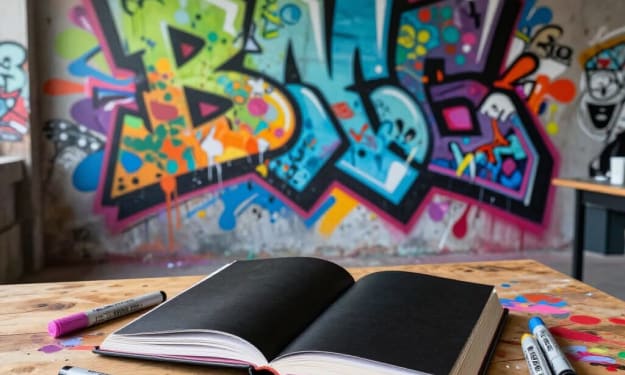
Community art projects have become a central way for neighborhoods to come alive. Local artists work with residents to design pieces that reflect the culture, history, and aspirations of the community. These projects often transform blank spaces into vibrant landmarks, giving residents a sense of pride and belonging. When a mural captures the unique story of a neighborhood, it becomes more than decoration—it becomes a shared identity that everyone can relate to.
One striking example of this movement is the work done in small towns and urban neighborhoods alike, where artists collaborate directly with community members. Through interactive art installations, public murals, and pop-up galleries, artists invite participation, turning passive viewers into active contributors. This approach encourages dialogue among diverse groups and bridges generational and cultural divides, creating a stronger social fabric.
Beyond aesthetics, local artists contribute to community resilience. By organizing workshops in schools, community centers, or even local cafes, they provide accessible art education, empowering participants with new skills. These sessions often focus on storytelling through visual media, music, or performance, giving individuals a platform to express themselves. The impact is profound: participants report improved self-confidence, stronger social connections, and a deeper attachment to their neighborhoods.
Moreover, local art initiatives can have significant economic benefits. Art fairs, exhibitions, and community markets not only showcase talent but also stimulate local economies. Small businesses benefit from increased foot traffic, and emerging artists gain visibility, turning passion into viable careers. In cities where tourism is strong, cultural trails and public art tours have become popular, giving visitors an authentic experience while highlighting the creative pulse of the community.
Collaboration is another hallmark of this movement. Local artists frequently partner with non-profits, schools, and municipal authorities to address social challenges. For instance, art-based programs targeting at-risk youth provide constructive outlets for energy and creativity. By channeling artistic expression into positive outcomes, these initiatives reduce crime rates, encourage education, and foster social cohesion. Art becomes more than decoration—it becomes a tool for community transformation.
Technology is also amplifying the reach of local artists. Social media platforms, online marketplaces, and digital galleries allow artists to showcase work globally while maintaining strong local ties. One such platform, Kunstplaza, connects emerging artists with collectors and enthusiasts, providing both exposure and financial opportunities. By leveraging technology, artists expand their impact and bring community-focused projects into broader conversations about culture and identity.
Cultural diversity is another driving force behind the communal power of local art. Artists often draw inspiration from heritage, language, and traditions, weaving them into projects that celebrate inclusivity. In doing so, they challenge stereotypes and foster empathy, showing how art can be a universal language. Whether it’s a mural depicting the stories of immigrants or a music festival celebrating local traditions, art becomes a catalyst for dialogue and understanding.
The physical spaces where art is created and displayed also play a critical role. Community centers, public parks, and even temporary pop-up venues transform ordinary locations into hubs of creativity. These spaces encourage intergenerational engagement, allowing children, adults, and seniors to interact through shared creative experiences. Over time, these interactions strengthen the social fabric, creating resilient and connected communities.
Finally, the emotional impact of local art cannot be overstated. Art evokes empathy, inspiration, and reflection, connecting people in ways that other activities cannot. Residents often describe how seeing a mural or participating in a workshop creates a sense of ownership and pride in their surroundings. This emotional connection encourages stewardship of public spaces, reinforcing community responsibility and care.
In conclusion, local artists are more than creators—they are community builders. Through collaboration, education, and public engagement, they transform neighborhoods into vibrant, inclusive spaces where people feel connected and valued. Platforms like Kunstplaza are helping these artists gain recognition while keeping their projects rooted in local communities. As cities and towns continue to evolve, supporting local artists is not just an investment in culture—it is an investment in the health, cohesion, and resilience of communities.
About the Creator
Steve Davis
Content writer and blogger.
Keep reading
More stories from Steve Davis and writers in Art and other communities.
How Companies Choose a Learning Management System for Employee Training and Compliance
Employee training has changed dramatically over the last decade. What once relied on classroom sessions, printed manuals, and long onboarding meetings has shifted toward digital systems that can scale, track progress, and meet compliance requirements. As businesses grow and regulations tighten, training becomes less about information sharing and more about risk management, efficiency, and consistency.
By Steve Davis25 days ago in Education
When the Artist Becomes the Art
We like to think we can separate the art from the artist, but can we, really? Art is born from the same place as sin. It mainly emerges from conflict: between what is felt and what is permitted, between the self that is lived and the self that must be hidden. No figure embodies this tension more vividly than Oscar Wilde: a man who transformed his own contradictions into style, wit, and devastating clarity. His novel The Picture of Dorian Gray is not merely a tale of aesthetic decadence but the battleground on which this question is fought.
By Yasmine Lagras6 days ago in Art



Comments