
Health Benefits of Beetroot: A Complete Guide
Beetroot is a vibrant, nutrient-rich superfood that's getting a lot of attention. This guide will cover the many benefits of adding beetroot to your diet. We'll look at its nutritional value, how it boosts physical performance, and its impact on overall health.

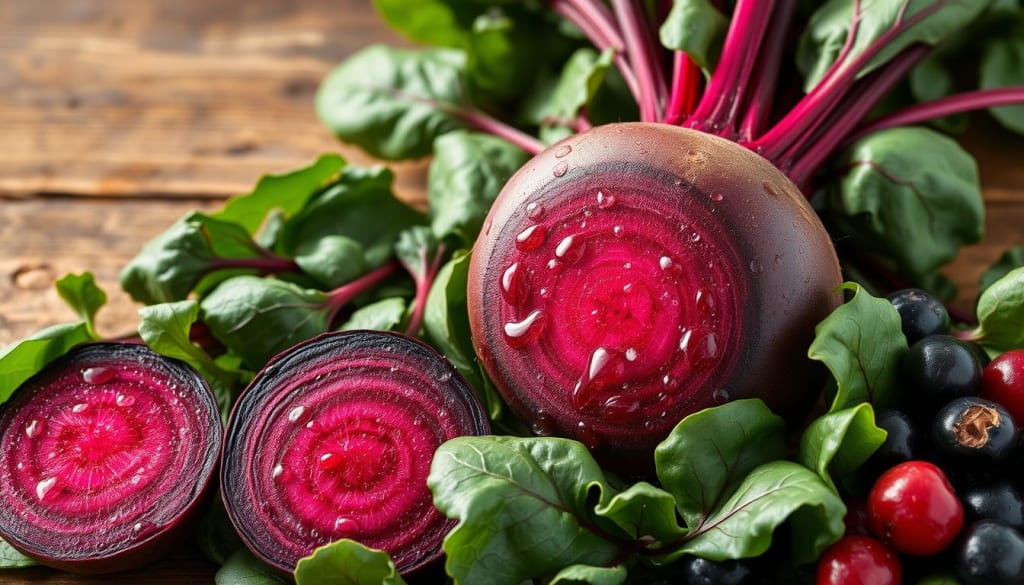
Key Takeaways
Beetroot is a nutrient-dense superfood packed with essential vitamins, minerals, and antioxidants.
Consuming beetroot can enhance physical performance, improve blood pressure, and support cardiovascular health.
Versatile and easy to incorporate into your diet, beetroot can be enjoyed in a variety of raw, cooked, and juiced forms.
Beetroot's unique pigment, betalains, possess powerful anti-inflammatory and detoxification properties.
Regular consumption of beetroot can contribute to overall well-being and a healthier lifestyle.
What is Beetroot: Understanding this Superfood
Beetroot is a vibrant root vegetable known as a superfood. It comes from the Beta vulgaris plant family. Beetroots are colorful, ranging from deep purple to golden yellow. They add beauty to dishes and are packed with nutrients.
Different Varieties of Beetroot
There are many types of beetroot, not just the classic purple one. Some notable ones include:
Classic Red Beetroot: The most common, known for its deep purple-red color.
Golden Beetroot: A yellow-orange variety that tastes sweeter and milder.
Chioggia Beetroot: Known for its stunning pink and white stripes.
White Beetroot: A pale, ivory-colored beetroot with a delicate taste.
Historical Uses and Cultural Significance
Beetroot has a long history, dating back to ancient times. The Greeks and Romans valued it for its health benefits and taste. Today, it's a key ingredient in many cuisines, from Eastern Europe to the Middle East.
Beetroot is loved for its flavor, looks, and health benefits. Its popularity is growing, making it a favorite in many kitchens and diets.
https://youtube.com/watch?v=uOxW_wUDSTI
Why to eat beetroot and what are its benefits
Beetroots are known as a superfood for good reason. They offer many health benefits that make them great for your diet. They can improve heart health and brain function, making them a nutritional powerhouse.
One key reason to eat beetroots is their heart health benefits. They are full of nitrates that help widen blood vessels and lower blood pressure. This can reduce the risk of heart problems. Beetroots also have antioxidants that fight inflammation and oxidative stress, helping keep the heart healthy.
Beetroots are also good for your brain. The nitrates in them boost blood flow to the brain. This means better oxygen and nutrient delivery, leading to clearer thinking and better brain health. So, beetroots are great for anyone looking to improve their brain function.
Beetroots have many other health advantages too. They are packed with vitamins and minerals like folate, manganese, and potassium. These nutrients support overall health. Plus, the betalains in beetroots have strong antioxidant and anti-inflammatory effects, which can lower the risk of chronic diseases.
Beetroot Health Benefits Description
Cardiovascular Health Beetroots are rich in nitrates, which help dilate blood vessels and lower blood pressure, reducing the risk of hypertension and related cardiovascular complications.
Cognitive Function The nitrates in beetroots can increase blood flow to the brain, enhancing oxygen and nutrient delivery, which can improve mental clarity, focus, and overall brain health.
Antioxidant and Anti-inflammatory Properties The betalains in beetroots possess potent antioxidant and anti-inflammatory properties, which can help mitigate the risk of chronic diseases.
Nutrient-rich Beetroots are a rich source of essential vitamins and minerals, such as folate, manganese, and potassium, which support overall well-being.
In summary, adding beetroots to your diet can bring many health benefits. They support heart health and brain function. This versatile vegetable is a nutritional gem that should be a key part of your meals.
Nutritional Profile: Vitamins, Minerals, and Antioxidants
Beetroot is packed with vitamins, minerals, and antioxidants. It's a superfood that's full of nutrients. Let's explore what makes it so special.
Essential Vitamins in Beetroot
Beetroot is rich in several important vitamins. Here are a few:
Vitamin C: This vitamin is key for a strong immune system and healthy skin.
Vitamin B6: It helps our bodies turn food into energy and makes red blood cells.
Folate: Also known as vitamin B9, it's vital for cell growth and during pregnancy.
Mineral Content and Daily Values
Beetroot also has a lot of minerals. Here are some:
Manganese: This mineral helps fight off free radicals and keeps bones strong.
Potassium: It's important for blood pressure and helps our hearts and muscles work right.
Iron: Beetroot has a lot of iron, which is needed for making hemoglobin and carrying oxygen.
Powerful Antioxidant Properties
Beetroot is known for its antioxidants, especially the betalains. These pigments are not just for color. They also fight inflammation and protect against free radicals. Eating beetroot can help keep your body healthy and balanced.
Impact on Physical Performance and Blood Pressure
Beetroot is more than just a root vegetable. It's a powerful ally for those wanting to boost their physical performance and heart health. Many studies show that adding beetroot to your diet can have amazing benefits.
For athletes and fitness lovers, beetroot is a game-changer. It's packed with nitrates that help improve endurance and exercise efficiency. This means you can work out harder and reach your fitness goals more easily. The nitrates in beetroot turn into nitric oxide, which helps blood flow and oxygen reach your muscles better.
Benefit Beetroot's Impact
Endurance Increased by up to 16%
Blood Pressure Reduced by up to 10 mmHg
Nitric Oxide Production Significantly increased
The benefits of beetroot aren't just for athletes. It's also great for heart health, especially in lowering blood pressure. Studies show that eating beetroot regularly can lower blood pressure by up to 10 mmHg. This makes it a natural and effective way to support heart health.
Whether you're an elite athlete or just want to feel better, adding beetroot to your diet is a smart move. It can boost endurance and help lower blood pressure. The health advantages of this simple root vegetable are truly impressive.
Best Ways to Include Beetroot in Your Diet
Adding beetroot to your meals can be fun and healthy. You can enjoy it raw or cooked in many ways. This versatile root vegetable is perfect for any meal.
Raw vs. Cooked Beetroot
Raw beetroot keeps more nutrients like betacyanin and fiber. Cooking it makes vitamins like A easier to absorb. Your choice depends on what you like and the dish you're making.
Simple Beetroot Recipes
Beetroot fits well in many dishes, from salads to desserts. Here are some tasty ideas:
Roasted Beetroot and Feta Salad
Beetroot and Goat Cheese Tart
Beetroot and Ginger Soup
Beetroot and Dark Chocolate Brownies
Juicing and Smoothie Ideas
Beetroot is great in juices and smoothies for its fiber and vitamins. Mix it with carrots, apples, and greens for a healthy drink. Try different mixes to find your favorite.
Beetroot Fiber Content Beetroot Recipes
One cup of raw beetroot contains about 3.8 grams of fiber, which is 15% of the daily need. Roasted Beetroot and Feta Salad, Beetroot and Goat Cheese Tart, Beetroot and Ginger Soup, Beetroot and Dark Chocolate Brownies
"Beetroot is a true superfood, packed with essential nutrients and boasting a range of health benefits. Incorporating it into your diet in creative ways can be a delicious and nutritious way to support your overall well-being."
Conclusion
The humble beetroot is a true superfood, packed with health benefits. It's a great addition to any diet. It's full of vitamins, minerals, and antioxidants.
Beetroot boosts physical performance and helps lower blood pressure. It's a versatile and nourishing choice.
Adding beetroot to your meals can unlock its full nutritional value. You can enjoy it raw, cooked, or juiced. But, always check with a healthcare professional if you have health concerns.
Beetroot is a must-have for healthy eating. It's versatile, flavorful, and full of health benefits. Let the beetroot superfood be a part of your meals.
FAQ
What are the health benefits of eating beetroot?
Beetroot is packed with vitamins, minerals, and antioxidants. It supports heart health, boosts physical performance, and may improve brain function.
How does beetroot improve physical performance?
Beetroot has nitrates that boost nitric oxide in the body. This improves blood flow and oxygen to muscles. Studies show it can enhance athletic performance.
What are the key nutrients found in beetroot?
Beetroot is rich in folate, manganese, potassium, and vitamin C. It also has antioxidants like betalains. These can reduce inflammation and improve liver health.
How can I incorporate beetroot into my diet?
Enjoy beetroot in many ways, like roasting, salads, or smoothies. Try juicing it or adding it to soups and dips. Its fiber is great for a balanced diet.
Are there any potential side effects of eating beetroot?
Beetroot is usually safe in normal amounts. But, some might get digestive issues or colored urine and stool. Start with small amounts and watch how your body reacts.
About the Creator
Keep reading
More stories from Zulfiker Rohman and writers in Art and other communities.
'Till Death We Do Art
There would be nothing divine in this world without art. Nature may surpass the divine to all intents and purposes, but like everything it absorbs and is absorbed by, it remains here, stuck on the surface of this world, ever-present, physically bound to the universe.
By Avocado Nunzella BSc (Psych) -- M.A.P 23 days ago in Art
The Great Museum Scandal: Half of the Artworks in French Museums Found to Be Fake
France is home to some of the most famous museums in the world, attracting millions of visitors each year who come to admire priceless works of art and historical artifacts. However, a recent investigation has sent shockwaves through the art world after suggesting that a significant number of artworks displayed in certain French museums may actually be fake.
By Irshad Abbasi a day ago in Art




Comments
There are no comments for this story
Be the first to respond and start the conversation.