

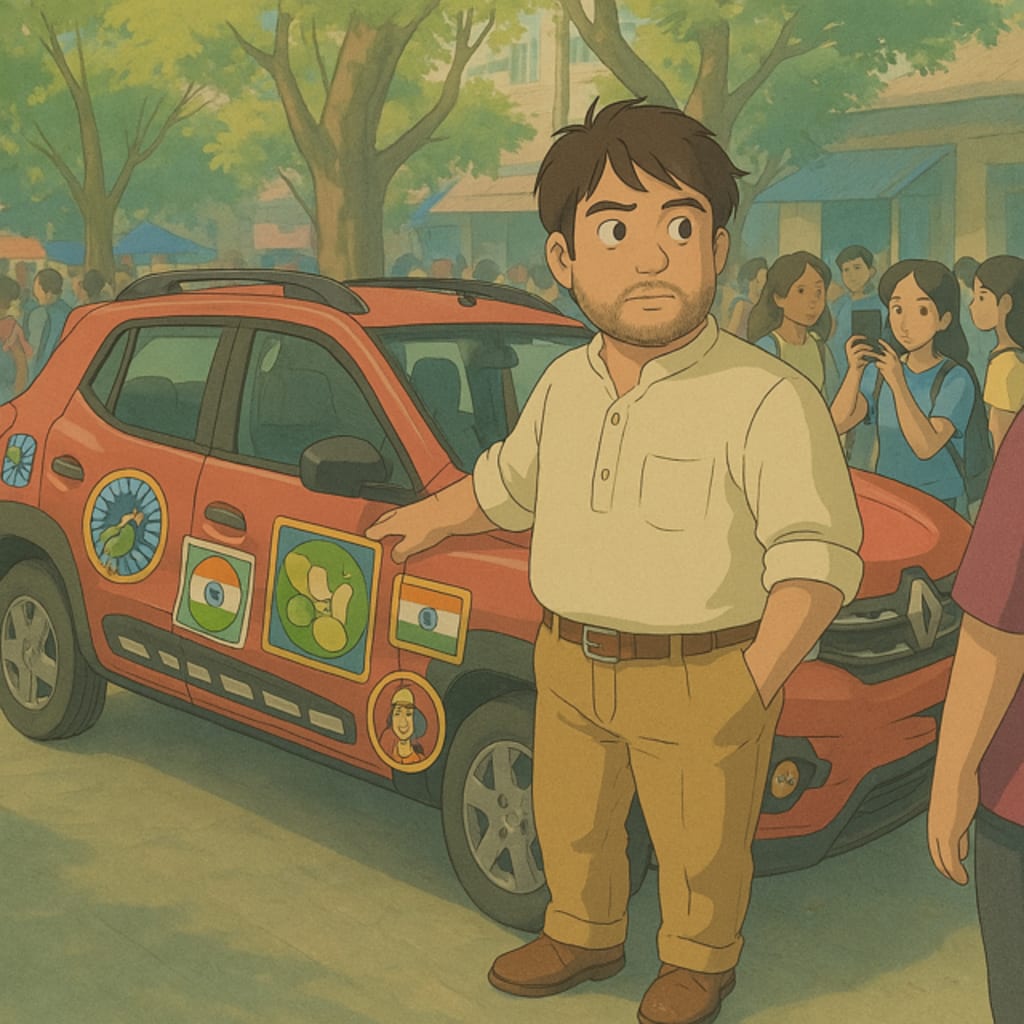
The Timeless Art of Studio Ghibli: A History of Traditional Animation
For decades, Studio Ghibli has captivated audiences with its breathtaking animation, emotionally resonant storytelling, and profound appreciation for nature. From the sweeping landscapes of My Neighbor Totoro to the intricate cityscapes of Spirited Away, Ghibli’s hand-drawn artistry is synonymous with warmth, nostalgia, and wonder. Rooted in traditional animation techniques, the studio’s art continues to inspire generations of artists and animators.
The Birth of Studio Ghibli and Its Artistic Philosophy
Studio Ghibli was founded in 1985 by legendary filmmakers Hayao Miyazaki, Isao Takahata, and producer Toshio Suzuki. The studio emerged from the success of Miyazaki’s 1984 film Nausicaä of the Valley of the Wind, which showcased his commitment to hand-drawn animation and deep environmental themes. From the beginning, Ghibli established a philosophy centered on artistry, storytelling, and emotional depth rather than commercial trends.
Unlike many modern studios that rely heavily on CGI, Ghibli has remained steadfast in its use of traditional cel animation, which involves meticulously drawing and painting each frame by hand. This painstaking process ensures that every scene is imbued with depth, warmth, and an organic quality that is difficult to replicate with digital tools.
The Ghibli Aesthetic: A Hallmark of Hand-Drawn Animation
One of the hallmarks of Ghibli’s visual style is its extraordinary attention to detail. Backgrounds are often painted with a soft watercolor effect, rich in texture and depth. Every scene is alive with movement, whether it’s wind rustling through trees, the subtle shift of clouds, or the expressive gestures of characters. This meticulous approach ensures that even the simplest moments — like Chihiro running through a sunlit field or Kiki flying over a seaside town — feel magical and immersive.
Ghibli’s work also conveys a deep respect for nature, seamlessly blending the fantastical with the real. Films like Princess Mononoke and Nausicaä of the Valley of the Wind explore themes of environmentalism, showing the fragile balance between humans and nature. This reverence, combined with a storytelling approach that values quiet moments and character-driven narratives, creates an unmistakable signature.
The Evolution of Ghibli’s Art Techniques
While Ghibli has stayed true to its traditional animation roots, the studio has gradually integrated digital tools to enhance its workflow. Beginning with Princess Mononoke (1997), Ghibli experimented with digital compositing and some CGI elements, though always in a way that complemented rather than overshadowed the hand-drawn aesthetic. Miyazaki himself was initially resistant to digital animation but later embraced it as a means to refine the studio’s intricate artwork.
By the time Spirited Away (2001) was released, Ghibli had developed a seamless blend of hand-drawn animation and digital effects, allowing for even more dynamic and visually rich storytelling. Still, every character and background continued to be drawn and painted by hand before being digitally processed.
Despite these advancements, Studio Ghibli has resisted fully transitioning to CGI. Miyazaki has expressed his belief that hand-drawn animation carries a soulfulness and authenticity that computers cannot replicate. This dedication is evident in films like The Wind Rises (2013) and The Boy and the Heron (2023), both of which continue Ghibli’s hand-crafted tradition.
The Future of Studio Ghibli’s Art
Even as animation technology evolves, Studio Ghibli remains a stronghold of traditional craftsmanship. While other studios move toward digital animation, Ghibli continues to prioritize the human touch in every frame.
Miyazaki has hinted that future Ghibli projects may continue to explore both hand-drawn and digital techniques, but always with a foundation in the studio’s core philosophy: creating worlds that feel alive, emotional, and deeply personal.
As audiences continue seeking hand-drawn animation in an increasingly digital world, Studio Ghibli stands as a testament to the enduring power of traditional artistry.
About the Creator
Saahil Sinha
My Self Saahil Sinha a blogger and content writer specializing in Finance, Stock Market and History, Culture, Art, Design,Fashion.
Keep reading
More stories from Saahil Sinha and writers in Art and other communities.
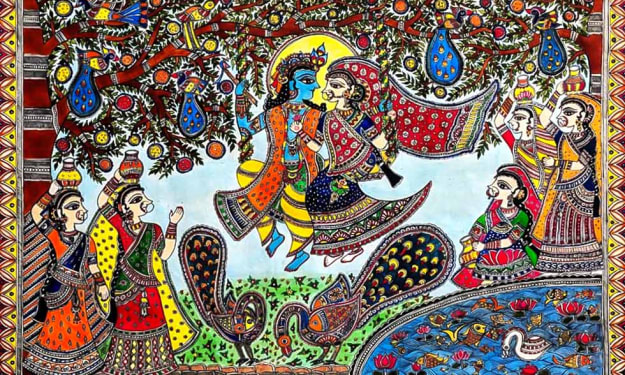
Mithila Painting
Mithila painting, also known as Madhubani art, is a significant traditional Indian art form from the Mithila region of Bihar and Nepal, historically practiced by women. It has evolved over centuries, adapting to new mediums while retaining its artistic and cultural essence. This report explores its definition, origins, history, characteristics, significance, artists, styles, current status, and socio-economic impact.
By Saahil Sinha9 months ago in Art
John LoPinto on Travel as Perspective
Travel is often viewed as leisure or escape, but John LoPinto sees it as something more purposeful. For him, travel is a tool for perspective. By exploring new markets, cultures, and operating environments, leaders sharpen their strategic thinking and gain insights that are difficult to access from a distance. Exposure to unfamiliar contexts challenges assumptions and strengthens decision making.
By John LoPintoabout 22 hours ago in Art
Ida Shaghoian and the Landscapes of Inner Light
In an era when much contemporary art favors immediacy and bold declaration, Ida Shaghoian offers something quieter and more inward. Her paintings invite viewers into spaces shaped by feeling rather than fact, where light, color, and texture operate as emotional language. Landscapes appear, but they are not destinations. They function instead as vessels for reflection, carrying traces of memory, stillness, and transition. Through abstraction softened by suggestion, her work opens a contemplative dialogue between the external world and the internal self.
By Ida Shaghoianabout 16 hours ago in Art



Comments
There are no comments for this story
Be the first to respond and start the conversation.