
George Washington's Dentures: Debunking the Myth of Wooden Teeth
Myth or not

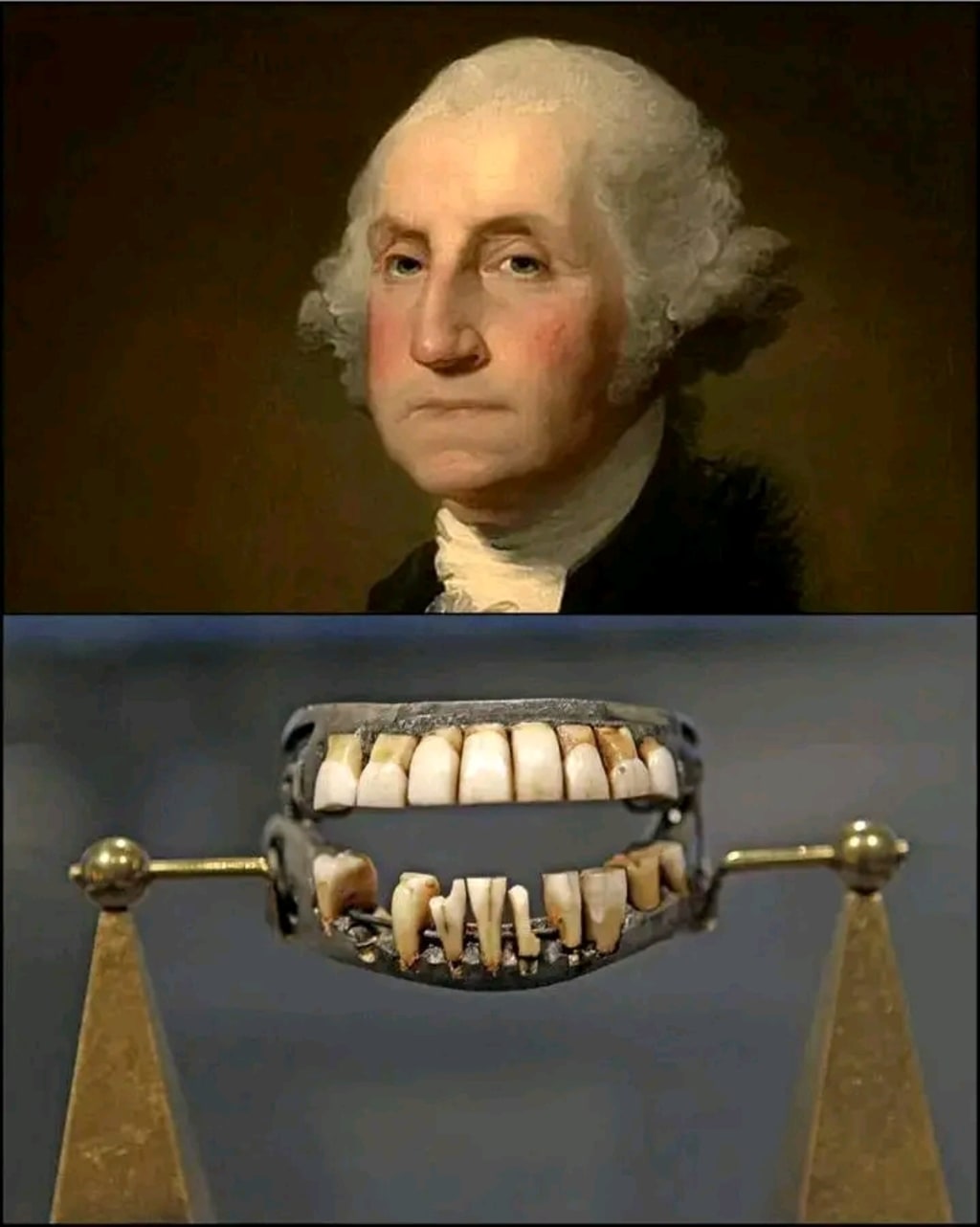
When most people hear the name George Washington, they likely think of his pivotal role as a Founding Father, the first President of the United States, and a symbol of American independence. However, one peculiar myth about Washington has persisted through the years: that he had wooden teeth. While this story may conjure amusing images, it is far from the truth. Washington’s dentures were not made of wood but of a combination of materials, including ivory, gold, lead, and, controversially, the teeth of other humans. Let’s delve into the fascinating and unsettling history of George Washington's dental struggles and the origins of this enduring myth.
The State of George Washington’s Teeth
George Washington’s dental problems began at an early age. Historical records indicate that he suffered from tooth decay and gum disease throughout his life. By the time he became the first U.S. president in 1789, Washington had only one natural tooth remaining in his mouth. The causes of his dental issues were likely a combination of poor dental hygiene practices common in the 18th century, a diet rich in sugar, and possibly genetic predisposition.
Washington’s struggles with his teeth were well-documented in letters he wrote to his dentist and close associates. These letters reveal that he experienced constant pain, difficulty chewing, and embarrassment about his appearance. To cope with these challenges, Washington turned to the dental technology of his time: dentures.
What Were Washington’s Dentures Made Of?
Contrary to the myth of wooden teeth, Washington’s dentures were crafted from a range of materials that reflected the state of dentistry in the 18th century. His dentures were composed of:
1. Ivory: This was a common material used in dentures during Washington's era. Ivory was often sourced from elephant or hippopotamus tusks, as it was durable and could be shaped to resemble natural teeth.
2. Gold and Lead: Metals like gold and lead were used to create the framework for the dentures and to fasten them securely. While gold was expensive, it was preferred for its durability and resistance to corrosion.
3. Human and Animal Teeth: In one of the more unsettling practices of the time, dentists often used real teeth—either from animals like cows or from humans. Historical accounts suggest that some of Washington’s dentures included teeth purchased from enslaved people.
These dentures were far from comfortable. They were bulky, ill-fitting, and required constant adjustment. Washington reportedly avoided smiling in public because he was self-conscious about his artificial teeth.
The Origins of the Wooden Teeth Myth
So, where did the idea of wooden teeth come from? There are a few theories:
1. Appearance of the Dentures: Over time, the ivory in Washington's dentures could have stained and developed hairline cracks. These changes might have made the dentures look like they were made of wood, especially to casual observers.
2. Simplification of History: Myths often arise when complex historical facts are simplified for storytelling. The wooden teeth story might have been an easy way to explain Washington’s dental problems without delving into the technicalities of 18th-century dentistry.
3. Propaganda and Satire: During his lifetime, Washington was the subject of caricatures and satire. It’s possible that the wooden teeth myth originated as an exaggerated or mocking portrayal of his dental struggles.
The Ethical Controversy
One of the most troubling aspects of Washington’s dentures is the use of teeth from enslaved people. Records from Mount Vernon, Washington’s estate, indicate that he purchased teeth from his enslaved workers, offering payment. However, the power dynamic between Washington and the enslaved individuals raises serious ethical questions. While it may have been a common practice at the time, it highlights the inhumane realities of slavery and the exploitation of enslaved people for personal benefit.
Advancements in Dentistry
The dentures of George Washington’s time were a far cry from the advanced dental prosthetics available today. Modern dentures are made from acrylic, resin, and other materials designed to mimic the appearance and function of natural teeth. They are more comfortable, hygienic, and accessible than the crude devices of the 18th century.
Washington’s dental struggles also underscore the importance of oral hygiene—a concept that was not well understood during his lifetime. Today, we have a wealth of knowledge about preventing tooth decay and gum disease through regular brushing, flossing, and dental checkups.
Why the Myth Matters
The story of George Washington’s wooden teeth may seem trivial, but it reflects how myths can distort historical realities. It also serves as a reminder to approach historical narratives with a critical eye and to seek out the truth behind the legends.
By understanding the real story of Washington’s dentures, we gain insight not only into his personal challenges but also into the broader context of 18th-century society, dentistry, and ethics. While the wooden teeth myth persists as a quirky anecdote, the truth about Washington’s dental struggles is far more complex—and far more human.
Conclusion
George Washington’s dentures were a testament to the ingenuity and limitations of early dentistry. Crafted from ivory, gold, lead, and even human teeth, these prosthetics helped Washington manage his dental issues but were far from ideal. The myth of wooden teeth may endure, but the reality offers a deeper understanding of the man behind the legend.
As we remember George Washington for his contributions to American history, let us also remember the real, flawed individual he was—one who faced personal challenges with resilience and determination. The truth about his dentures is not just a historical curiosity; it is a window into the life and times of one of America’s most iconic figures.
About the Creator
Keep reading
More stories from Deji Akomolafe and writers in Art and other communities.
Van Gogh's Compassion: How Modern Writers Shaped His Artistic Vision
Vincent van Gogh, one of history’s most celebrated artists, is often remembered for his striking use of color and emotion in his work. Yet, at the core of his art lies a profound compassion for humanity, especially for those who lived on the margins of society. This compassion, deeply rooted in his personal experiences and evolving worldview, was significantly influenced by modern writers of his time, such as Émile Zola and the Goncourt brothers. These authors, with their keen observations of human nature and society, played a crucial role in shaping Van Gogh’s perspective, as he transitioned from religious readings to modern literature.
By Deji Akomolafeabout a year ago in Art
A Matter of Coincidence
Tuesday, 3 September 2024 Ayesha Fareed Ahmed, Mirpur Khas Sheeda was a simple and innocent man. One day, he was going to his wife’s village to bring her back. On the way, he saw some donkeys grazing on grass at a certain place. Eventually, he reached his in-laws’ house. His wife’s brother asked him to sit in the guest room.
By Sudais Zakwanabout 15 hours ago in Art
What Fine Line Tattoo Excellence Looks Like in Professional Practice
When you sit in the chair of one of the best fine line tattoo artists, you feel it straight away. The calm, the care, the way they handle your skin and your nerves at the same time. Fine line work looks light and effortless from the outside, but real excellence is anything but casual.
By Tools of Trade Studios5 days ago in Art




Comments
There are no comments for this story
Be the first to respond and start the conversation.