
Van Gogh's Compassion: How Modern Writers Shaped His Artistic Vision
Great Art

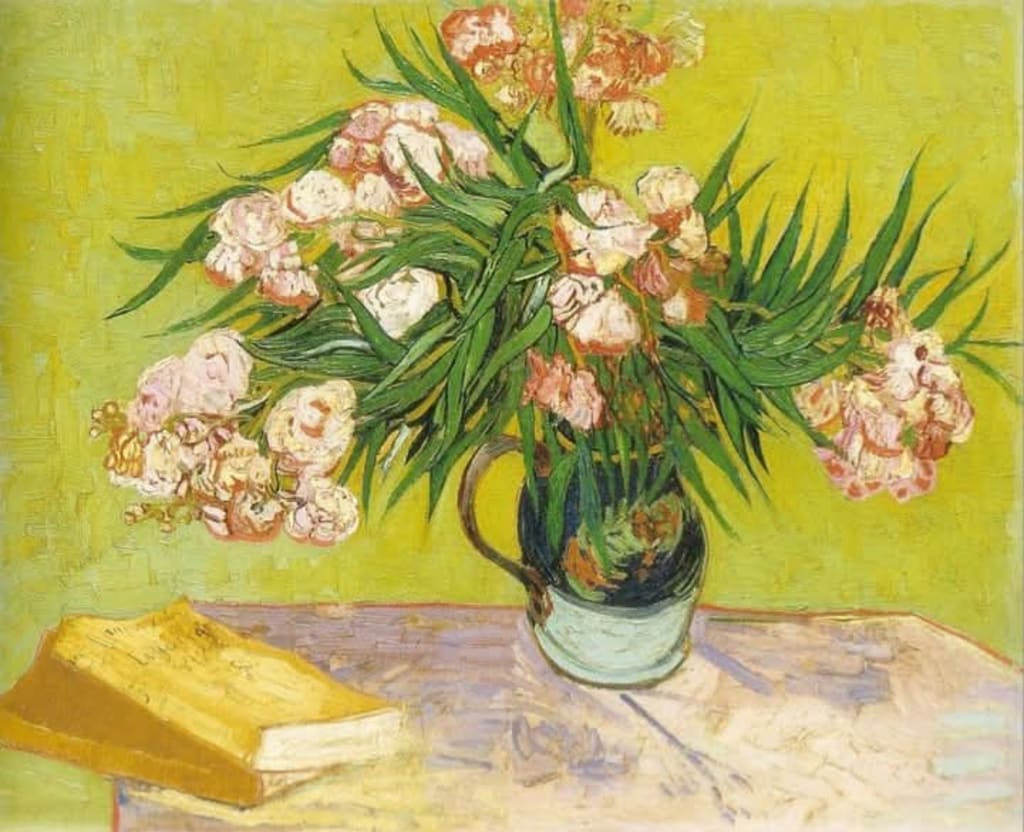
Vincent van Gogh, one of history’s most celebrated artists, is often remembered for his striking use of color and emotion in his work. Yet, at the core of his art lies a profound compassion for humanity, especially for those who lived on the margins of society. This compassion, deeply rooted in his personal experiences and evolving worldview, was significantly influenced by modern writers of his time, such as Émile Zola and the Goncourt brothers. These authors, with their keen observations of human nature and society, played a crucial role in shaping Van Gogh’s perspective, as he transitioned from religious readings to modern literature.
A Shift in Van Gogh's Inspirations
Van Gogh’s early life was steeped in religion. Born into a devout Dutch Reformed family, he initially aspired to follow in his father’s footsteps as a clergyman. For years, his readings were dominated by the Bible and religious texts that emphasized morality, charity, and compassion for the less fortunate. These readings nurtured his deep empathy for the downtrodden, which later became a defining feature of his art.
However, Van Gogh’s life took a dramatic turn when he failed to find fulfillment in his religious pursuits. By the mid-1880s, his interests began to shift, and he turned to modern literature for inspiration. Writers like Émile Zola, Edmond, and Jules de Goncourt offered a fresh lens through which Van Gogh could explore the complexities of society and human behavior. Their unflinching portrayals of the struggles of ordinary people resonated deeply with him, aligning with his own feelings of empathy and solidarity with the underprivileged.
The Influence of Émile Zola
Émile Zola, a leading figure of the Naturalist movement, was known for his detailed and often gritty depictions of the working class. His works, such as Germinal and L'Assommoir, explored the harsh realities of industrialization, poverty, and the resilience of the human spirit. Zola’s commitment to portraying life as it was—without romanticizing or moralizing—struck a chord with Van Gogh.
Through Zola’s writings, Van Gogh found a new way to articulate his compassion. He began to see art not just as a medium for beauty but as a tool for truth-telling. Like Zola, Van Gogh wanted to highlight the dignity and struggles of the working class, a theme that would permeate much of his work. Paintings like The Potato Eaters and Weavers capture the raw, unembellished lives of laborers, echoing Zola’s literary focus on the resilience and humanity of the poor.
The Goncourt Brothers and the Human Condition
The Goncourt brothers, Edmond and Jules, also left a lasting impression on Van Gogh. Their works, often steeped in meticulous detail, explored the psychological and social nuances of their characters. They delved into the human condition, exposing the vulnerabilities and aspirations of individuals caught in the complexities of modern society.
Van Gogh admired their ability to reveal the inner lives of their characters. Inspired by their insights, he sought to do the same in his art. His portraits, such as those of postman Joseph Roulin and the weary laborers of Provence, are not just representations of physical appearances but also intimate studies of personality and emotion. Van Gogh imbued these works with a sense of humanity that transcends the canvas, much like the Goncourts did in their literature.
Compassion as the Core of Van Gogh's Art
Despite his shift from religious texts to modern literature, Van Gogh’s underlying compassion for humanity remained unchanged. If anything, it deepened as he grappled with the harsh realities of life depicted by Zola and the Goncourts. He saw art as a means to express these feelings, to give voice to those who were often overlooked or forgotten.
Van Gogh’s empathy is evident in the subjects he chose. From the humble peasants in The Potato Eaters to the vibrant yet weary workers in his Sower series, his art consistently celebrates the dignity and resilience of ordinary people. His compassion extended even to his landscapes, where he often depicted the harsh beauty of rural life, as seen in Wheatfield with Crows and The Red Vineyard.
A Legacy of Compassion and Creativity
Van Gogh’s art continues to resonate with audiences because of its emotional depth and authenticity. His ability to convey compassion and humanity, influenced by the works of Zola and the Goncourt brothers, set him apart as an artist who painted not just with his hands but with his heart.
In many ways, Van Gogh’s journey reflects a broader human experience—the search for meaning and connection in a world that can often seem indifferent. Through his art, he found a way to bridge the gap between his inner world and the lives of others, creating a legacy that speaks to the universal need for empathy and understanding.
Conclusion
Vincent van Gogh’s artistic vision was profoundly shaped by his transition from religious readings to the modern literature of Zola and the Goncourts. These writers broadened his perspective, deepened his compassion, and inspired him to portray the struggles and triumphs of ordinary people in his art. Today, as we stand before his masterpieces, we are reminded of the enduring power of empathy and the timeless beauty of his compassion for humanity.
About the Creator
Keep reading
More stories from Deji Akomolafe and writers in Art and other communities.
A Night of Light: Vincent van Gogh’s Café Terrace at Night
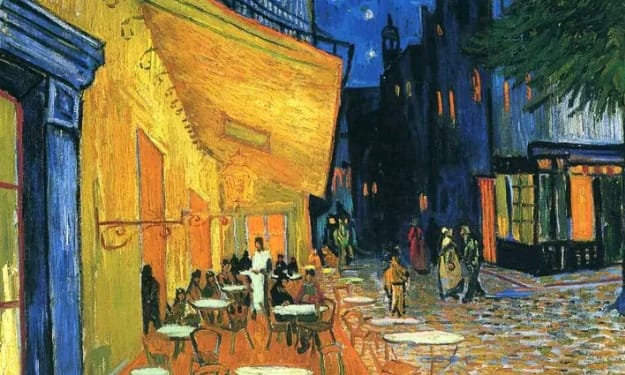
In September 1888, Vincent van Gogh immortalized a quaint café in the Place du Forum in Arles, France, through his masterful painting, Café Terrace at Night. This celebrated artwork captures the vibrancy of a bustling evening scene, merging the warmth of human activity with the serenity of a starry night. With its bold use of color, innovative composition, and symbolic undertones, Café Terrace at Night remains one of van Gogh’s most iconic works and a cornerstone of his artistic legacy.
By Deji Akomolafeabout a year ago in Art
'Till Death We Do Art
There would be nothing divine in this world without art. Nature may surpass the divine to all intents and purposes, but like everything it absorbs and is absorbed by, it remains here, stuck on the surface of this world, ever-present, physically bound to the universe.
By Avocado Nunzella BSc (Psych) -- M.A.P 24 days ago in Art



Comments
There are no comments for this story
Be the first to respond and start the conversation.