
Futuristic Home Interior Design: A Glimpse into the Future
Embracing Innovation and Technology

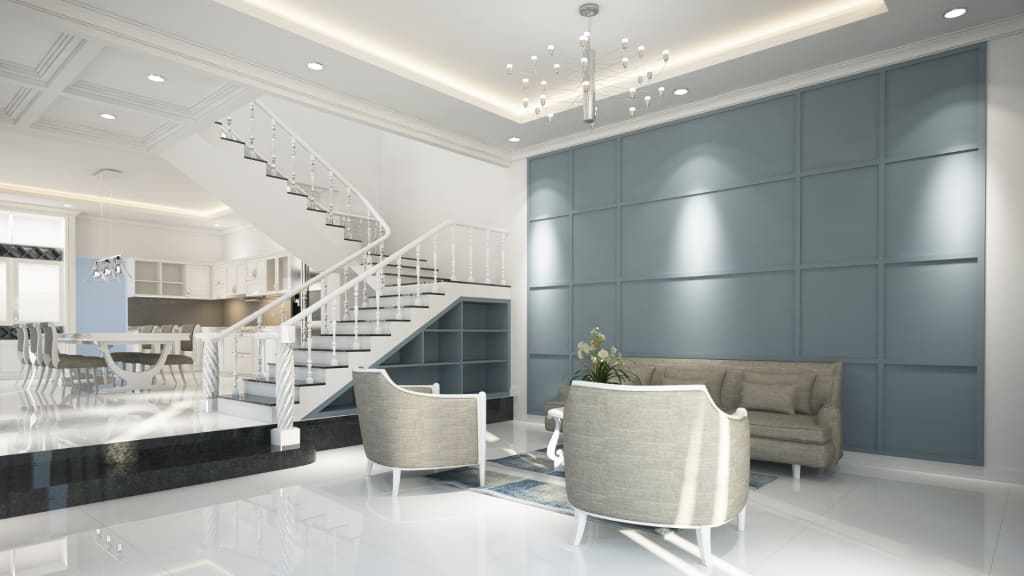
As technology continues to advance at a rapid pace, so too does the world of interior design. Futuristic home design blends cutting-edge technology with sleek aesthetics to create living spaces that are both functional and visually stunning. This article explores some of the latest trends and innovations in futuristic home interior design.
1. Smart Homes
Smart homes are equipped with interconnected devices that can be controlled remotely using a smartphone, tablet, or voice commands. This technology offers convenience, efficiency, and enhanced security.
Home Automation Systems: Automate tasks such as lighting, temperature control, and security.
Smart Appliances: Use smart appliances that can be controlled remotely or scheduled to perform tasks at specific times.
Voice-Activated Assistants: Integrate voice-activated assistants like Amazon Alexa or Google Home to control your smart devices.
2. Minimalist Aesthetics
Futuristic home design often emphasizes minimalism, characterized by clean lines, uncluttered spaces, and a focus on essential elements. This aesthetic creates a sense of calm, order, and spaciousness.
Neutral Colors: Use a neutral color palette of white, black, gray, and beige to create a clean and timeless look.
Declutter: Remove unnecessary items to create a clutter-free environment.
Smart Storage Solutions: Use built-in storage or hidden compartments to keep your belongings organized and out of sight.
3. Sustainable Materials
Futuristic home design incorporates sustainable materials that are environmentally friendly and durable. These materials can include recycled materials, renewable resources, and energy-efficient products.
Recycled Materials: Use recycled wood, metal, or glass to create unique and sustainable design elements.
Biodegradable Materials: Choose biodegradable materials for furniture, flooring, and other surfaces.
Energy-Efficient Appliances: Install energy-efficient appliances to reduce your carbon footprint and save money.
4. Virtual Reality and Augmented Reality
Virtual reality (VR) and augmented reality (AR) are being integrated into home design to enhance the user experience. These technologies can be used to visualize different design options, create immersive experiences, and even control smart home devices.
Virtual Home Tours: Use VR to take virtual tours of different home designs before making a decision.
Interactive Design Tools: Use AR to visualize furniture and decor in your home without physically placing them there.
Smart Home Control: Use AR to control smart home devices and interact with digital elements in your environment.
5. Biophilic Design
Biophilic design incorporates elements of nature into the built environment, creating a connection between humans and the natural world. This trend is becoming increasingly popular as people seek to bring the outdoors indoors.
Indoor Gardens: Create indoor gardens or living walls to add greenery to your home.
Natural Materials: Use natural materials like wood, stone, and bamboo for flooring, countertops, and furniture.
Large Windows: Maximize natural light and views with large windows.
6. Robotics and Automation
Robotics and automation are being used in home design to perform tasks more efficiently and effectively. This includes robots that can clean, cook, and even provide companionship.
Robot Vacuum Cleaners: Use robot vacuum cleaners to keep your floors clean without lifting a finger.
Cooking Robots: Consider using a cooking robot to prepare meals with minimal effort.
Companion Robots: Explore the possibility of using a companion robot for entertainment, assistance, or companionship.
7. Personalized Design
Futuristic home design is increasingly focused on personalization. Homeowners can customize their spaces to reflect their unique tastes, preferences, and lifestyles.
Custom-Designed Furniture: Invest in custom-designed furniture to create a one-of-a-kind look.
Personalized Technology: Use smart home technology to customize your living environment to your specific needs.
Unique Decor: Incorporate unique decor elements that reflect your personality and interests.
As technology continues to advance, we can expect to see even more innovative and futuristic home design trends emerge. By embracing these trends, homeowners can create living spaces that are not only stylish but also functional, sustainable, and enjoyable.
About the Creator
Etihad Rail Tests UAE’s First Magnetic Levitation Rail in the Middle East: A New Era for Transport Innovation
Dubai, UAE — January 28, 2026 — In a historic leap for transportation technology in the Middle East, Etihad Rail has successfully tested the UAE’s first magnetic levitation (maglev) rail system, marking a major milestone in the nation’s efforts to revolutionize rail travel and logistics. This groundbreaking initiative, developed in partnership with Italian engineering firm IronLev, blends cutting‑edge innovation with sustainability, promising quieter, faster, and more energy‑efficient rail operations.
By Salaar Jamaliabout 17 hours ago in Art
How Local Artists Are Bringing Communities Together
In a world increasingly defined by screens and digital interactions, local artists are proving that creativity can bridge gaps and strengthen communities. From murals that brighten city walls to community workshops that teach skills to all age groups, these artists are not only creating art—they are fostering connections where isolation often takes hold.
By Steve Davis3 days ago in Art



Comments
There are no comments for this story
Be the first to respond and start the conversation.