
Five world-renowned classic landmark sculptures
Have you ever seen them?
In many cities around the world, there is an iconic landmark sculpture. It may stand in a square, by the water, or at the entrance to a park, quietly becoming a symbol of the city. Over time, these pieces came to mean much more than just decoration. They become symbols, gathering places, and even cultural landmarks that represent the spirit of the city.
What makes a sculpture a true landmark is not only its artistic value, but also its connection to the people, the environment and the story behind it. Here are five classic landmark sculptures that have shaped their cities and continue to attract visitors.
1. Statue of Liberty, New York
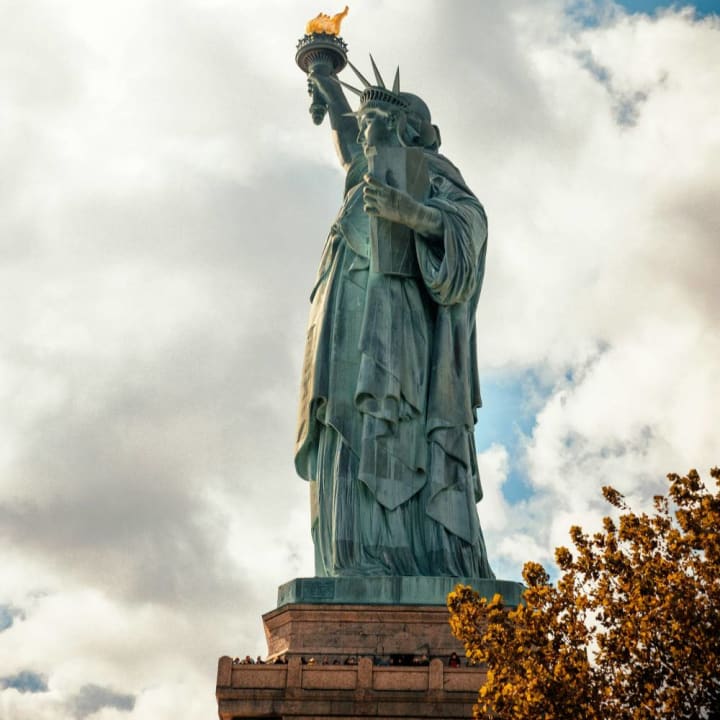
Few landmark sculptures are as universally recognized as the Statue of Liberty. Standing at the entrance of New York Harbor, it has welcomed generations of visitors, symbolizing freedom and hope.
Beyond its historical meaning, its success comes from its scale, location, and strong visual presence. Even from a distance, its silhouette is unmistakable. Today, it remains one of the most visited and photographed monuments in the United States, proving how a powerful symbol can define a city’s global image.
2. Cloud Gate, Chicago
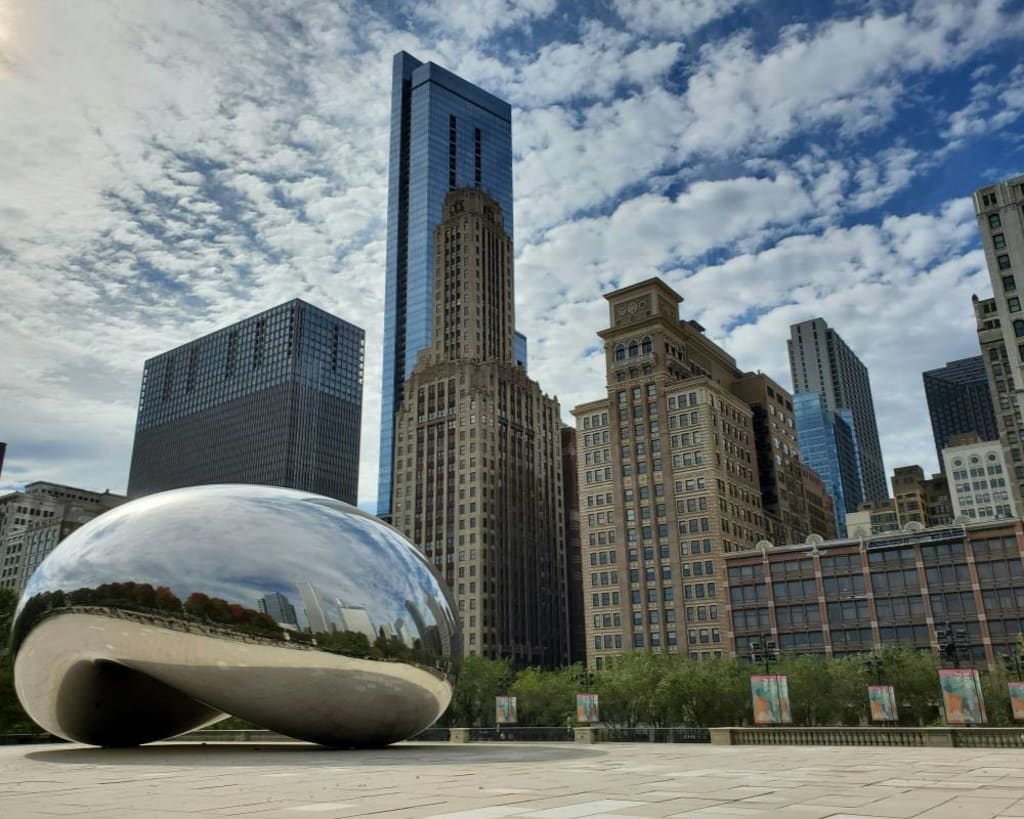
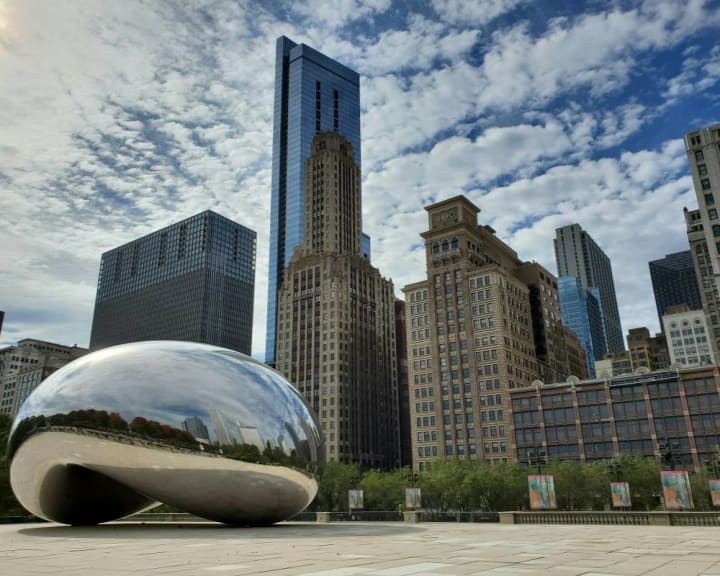
Often called “The Bean,” Cloud Gate has become one of Chicago’s most popular attractions. Its polished stainless steel surface reflects the skyline and the people around it, creating a constantly changing visual experience.
Visitors don’t just look at the sculpture—they interact with it. They walk under it, touch it, and take photos from every angle. This sense of participation has helped Cloud Gate become one of the most shared public sculptures on social media, turning it into a modern urban icon.
3. Christ the Redeemer, Rio de Janeiro
Perched high above the city on Mount Corcovado, Christ the Redeemer overlooks Rio de Janeiro with open arms. Its location makes it visible from many parts of the city, giving it a strong and lasting presence in the urban landscape.
The sculpture combines religious meaning, monumental scale, and dramatic placement. For both locals and tourists, it represents not only faith, but also the identity and spirit of Rio itself.
4. The Little Mermaid, Copenhagen
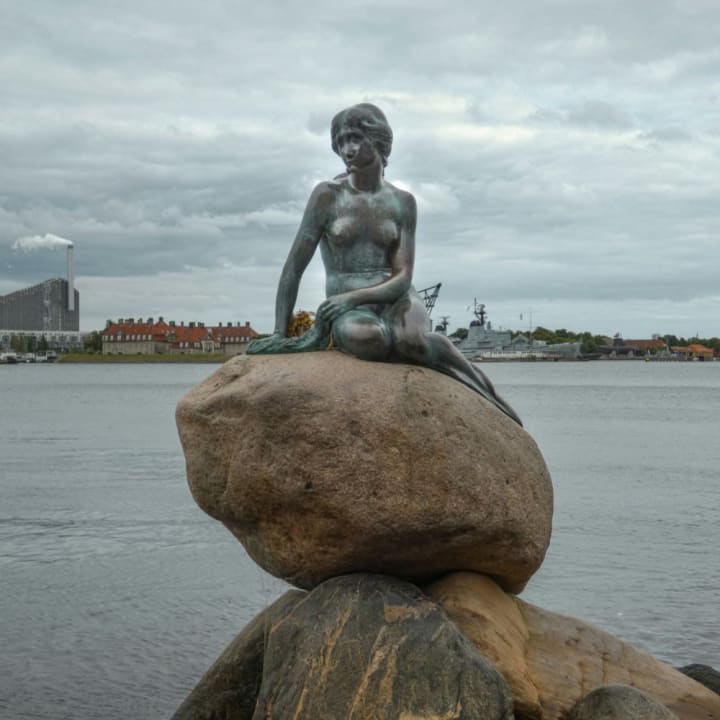
Unlike many large monuments, the Little Mermaid is relatively small and quietly placed along the waterfront. Yet it remains one of Denmark’s most famous attractions.
Inspired by Hans Christian Andersen’s fairy tale, the sculpture connects visitors to a familiar story and a sense of nostalgia. Its emotional appeal shows that a landmark sculpture does not need to be massive to become meaningful—sometimes storytelling and cultural connection matter even more.
5. Charging Bull, New York
Installed near Wall Street, the Charging Bull has become a symbol of strength, confidence, and financial optimism. Over the years, it has turned into a must-visit photo spot for tourists.
People line up daily to take pictures with it, touch it, and share their visit online. The sculpture has not only become part of New York’s cultural image but has also brought continuous attention and foot traffic to the surrounding area.
Wall Street Bull sculptureWall Street Bull sculpture
These examples demonstrate that successful landmark sculptures share several common characteristics. They are visually distinctive, blend seamlessly with their surroundings, and often contain a unique story or symbolic meaning. Most importantly, they create experiences that people want to remember and share.
About the Creator
Shenzhen Ruiheng Crafts
https://www.craftsornaments.com/
Keep reading
More stories from Shenzhen Ruiheng Crafts and writers in Art and other communities.
How to Find reliable sculpture supplier?
When sourcing fiberglass sculptures, buyers often discover that the term “supplier” can refer to different types of businesses. Understanding these categories helps clarify expectations regarding production capacity, quality control, and project management.
By Shenzhen Ruiheng Craftsa day ago in Art




Comments
There are no comments for this story
Be the first to respond and start the conversation.