
Famous Native American Paintings
Artwork by American artists
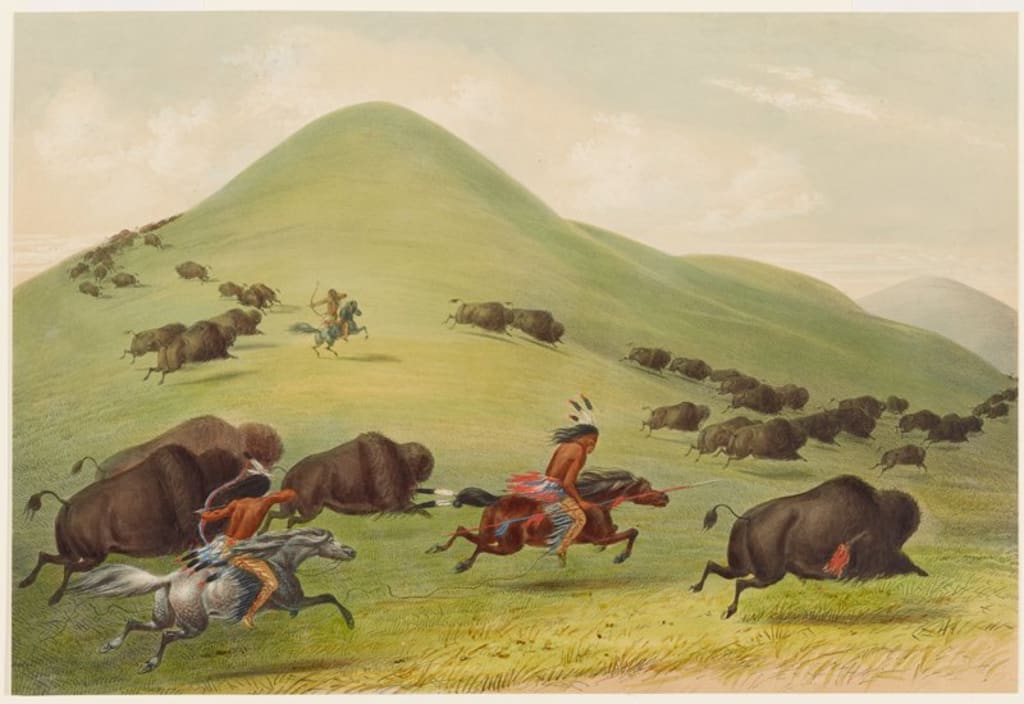
Buffalo Hunt George Caitlin
American artist George Caitlin created this artwork in the mid-19th century. It is considered to be a most significant work of art. The artist was born in 1796 and was also an explorer and author devoted to capturing the lives, cultures, and landscapes of Native American tribes in the United States during a period of great change and turmoil. "The Buffalo Hunt," was finished in 1844 and captures the essence of a typical buffalo hunt, a crucial activity that kept many Plains Indian communities alive.
The painting is a part of Catlin's enormous collection of over 500 paintings he called the "Indian Gallery." They were created to preserve the history and traditions of the native people before the westward expansion and colonialism permanently changed their way of life. In this painting an action packed scene unfolds with Native American hunters galloping through the grasslands on horseback as they pursue a sizable herd of buffalo.
Buffalo Dance Pablita Velarde
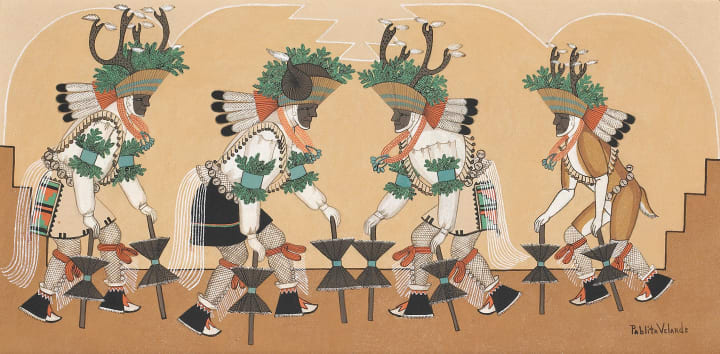
American Pueblo artist Pablita Velarde created this artwiork depicting a traditional ceremonial dance of the buffalo, an important cultural icon for many Native American tribes, especially the Pueblo people. The buffalo dance is conducted to honor and commune with this renowned animal's spiritual essence. She had a strong connection to her Pueblo background, which is reflected in her paintings, which frequently feature vivid colors, exquisite details, and a profound sense of spirituality.
Custer's Last Fight Edgar Samuel Paxson
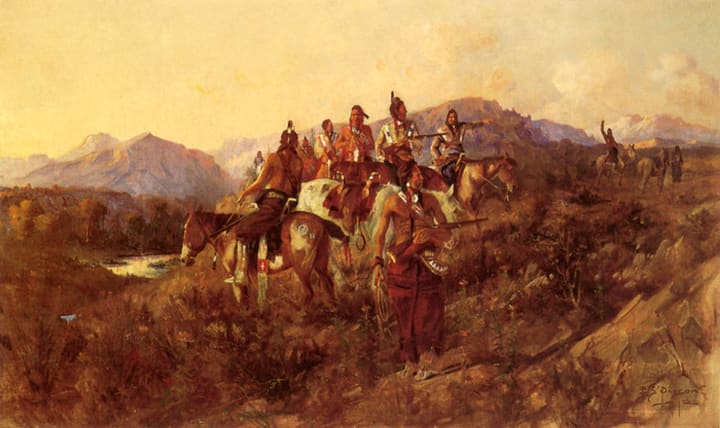
American artist Edgar Samuel Paxson created this artwork in 1899 and depicting on canvas the Battle of the Little Bighorn, which took place in Montana on June 25–26, 1876, close to the Little Bighorn River. It is one of the most well-known paintings that depicts the event.
The 7th Cavalry and Lieutenant Colonel George Armstrong Custer fought against the Lakota Sioux, Northern Cheyenne, and Arapaho warriors, headed by Sitting Bull and Crazy Horse, in this bloody and chaotic battle scene, which is shown by Paxson in this large-scale painting.
The war between Native American tribes and the U.S. government during the American Indian Wars saw a resounding Native American victory in this battle, which was a key turning point. The climactic scene in "Custer's Last Fight" depicts Custer's army being surrounded and overpowered by the ferocious Native American warrior resistance.
Navajo Madonna Gerald Nailor
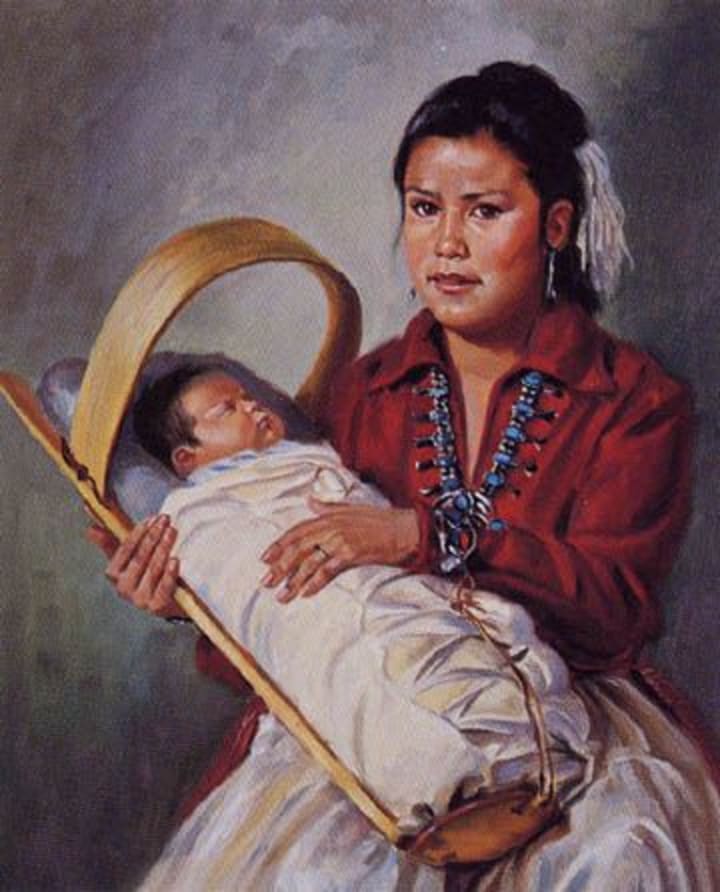
American Indian artist Gerald Nailor created this painting in 1940. The artist was a Navajo (Diné) tribal member who was born in 1917 and is renowned for his contributions to Native American art, especially in the early 20th century.
"Navajo Madonna" is a work of art that fuses Christian religious symbolism with aspects of traditional Navajo culture. A Native American woman wearing traditional Navajo clothing is seen in this painting by Nailor cradling a child in a cradleboard.
Sacagawea Edgar Samuel Paxson
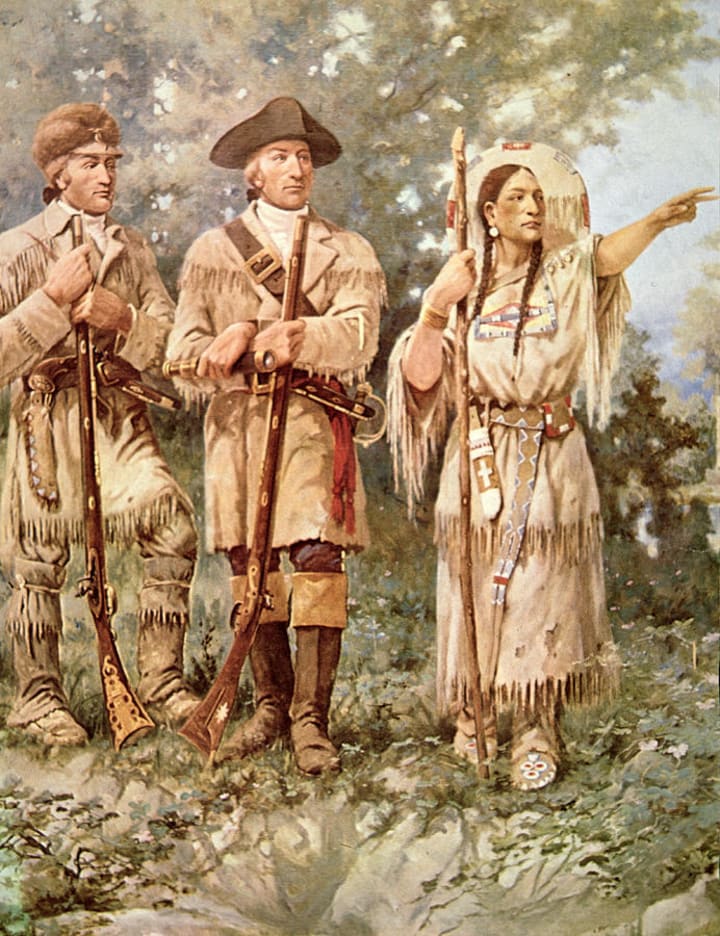
American artist Edgar Samuel Paxson created this artwork in 1905. He was a historical and genre painter known for his representations of the American West, particularly those from the Lewis and Clark Expedition. The Native American woman depicted in the painting was an important guide and translator for the Lewis and Clark Expedition in 1804–1806, named Sacagawea. Paxson highlights her Shoshone identity and captures her cultural history paying meticulous attention to her attire and jewelry.
Stomp Dance Soloman McCombs
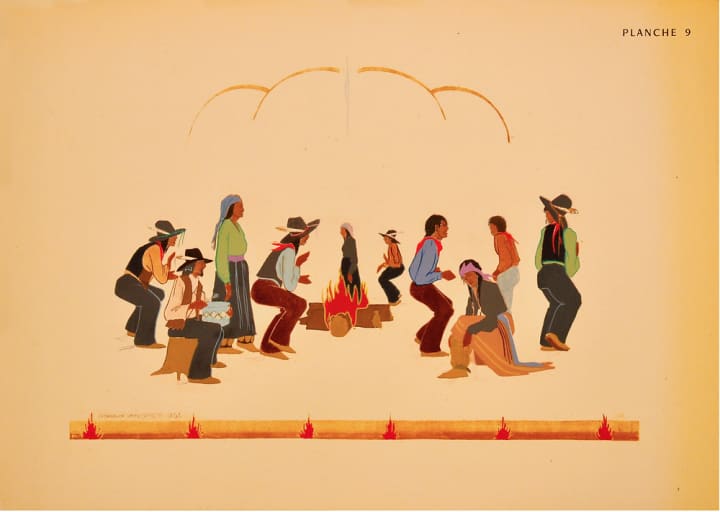
Contemporary artist Solomon McCombs is well renowned for his representations of Native American culture and traditional dances. In this painting the artist depicts the Creek Indian Ceremonial Dance.
The Grand Canyon of Yellowstone Thomas Moran
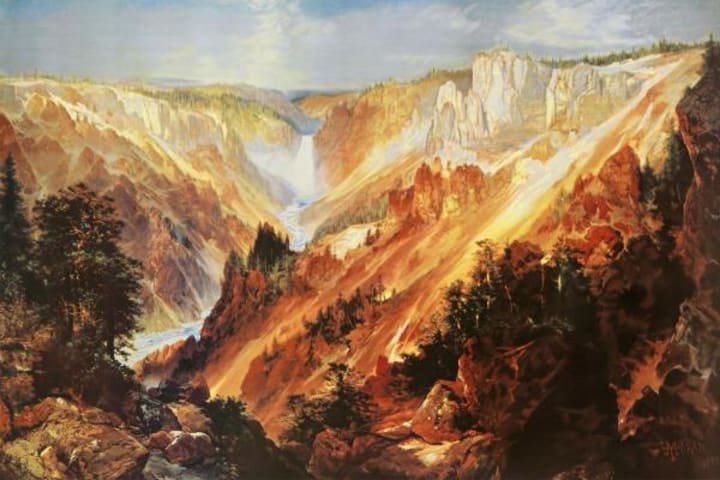
American artist Thomas Moran created this well-known painting in 1872. It is a a key factor in the development of the American West and the first national park system. The Grand Canyon of the Yellowstone River, is a part of Wyoming's current Yellowstone National Park, is depicted in this painting together with its breathtaking surroundings. With its vivid hues, soaring cliffs, and gushing waterfalls, the canyon is captured in all its magnificent majesty and grandeur by the artist's use of color, light, and perspective.
Trail of Tears Robert Lindneux
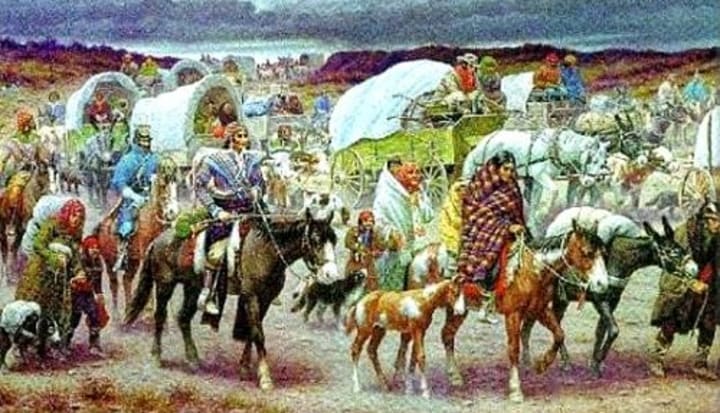
American artist Robert Lindneux created this artwork in 1942. The film "Trail of Tears" tells the narrative of the Trail of Tears, a tragic event in American history that took place in the late 1830s. The painting depicts the Cherokees' forcible eviction from their ancestral lands in the Southeast of the United States and subsequent forced transfer to the Indian Territory (modern-day Oklahoma). The Indian Removal Act of 1830, which President Andrew Jackson signed into law and forced various Native American tribes to leave their ancestral lands, was the cause of the expulsion. Lindneux's painting shows a group of Cherokee adults, children, and women trudging through a dangerous and hostile area.
About the Creator
Rasma Raisters
My passions are writing and creating poetry. I write for several sites online and have four themed blogs on Wordpress. Please follow me on Twitter.
Keep reading
More stories from Rasma Raisters and writers in Art and other communities.
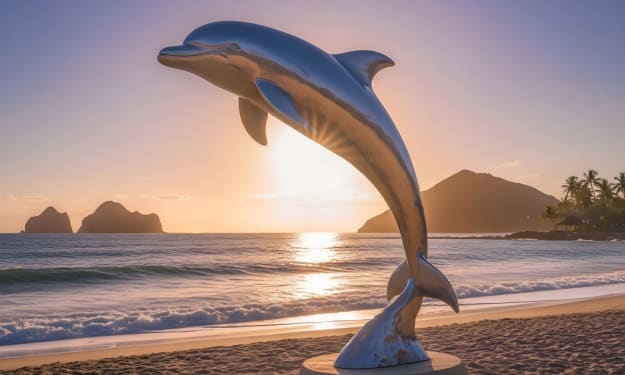
Why 316 stainless steel sculpture is the gold standard for coastal sculptures
If stainless steel sculptures are installed in coastal environments, corrosion caused by sea breezes becomes an important issue to consider. Salt in the air, high humidity, and frequent temperature changes can all accelerate surface deterioration if the material or finish is not suitable.
By Shenzhen Ruiheng Crafts7 days ago in Art



Comments (2)
I have some Indian in my blood, I love the artwork, very lovely. Their history and closeness to nature warms my heart, Always war and people wanting what is not theirs. Beautiful presentation.
The various art styles and colors are fascinating and beautiful to behold. My personal favorite from reading this is definitely The Grand Canyon of Yellowstone, Thomas Moran. It's very eye-catching!