
Famous Indian Paintings
Artwork by Indian artists
Bapuji Nandalal Bose
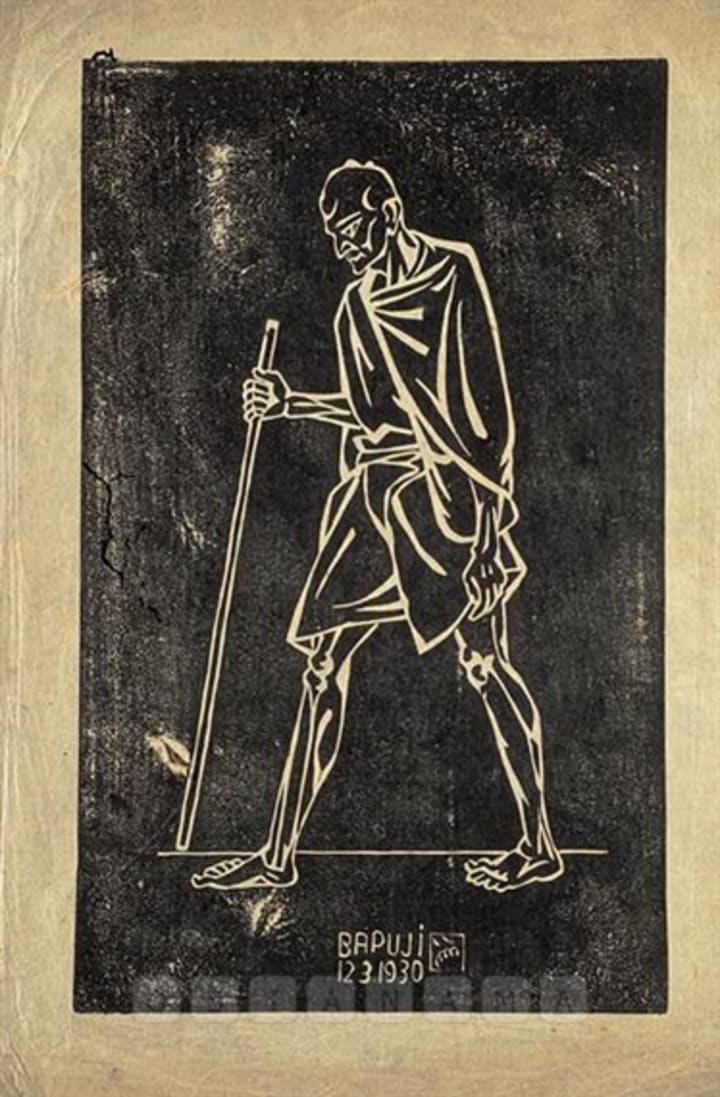
Indian artist Nandalal Bose was inspired by Mahatma Gandhi. In 1930 he created this arwork with the caption Bapuji. The painting is a monument to the artist's strong respect for Gandhi and is on permanent display in the National Gallery of Modern Art in Delhi.
Jallianwala Bagh Satish Gujral
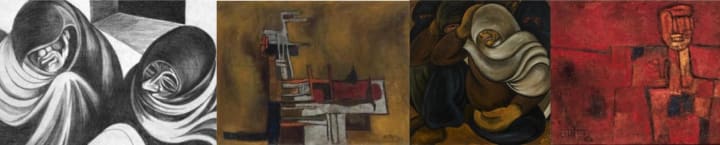
Indian artist Satish Gujral created a haunting artwork about the tragic massacre in 1919. It is a painting that serves as a poignant reminder of a dark chapter in Indian history. The 1947 Partition of India significantly impacted Satish Gujral’s early career as a painter. Not only was he an unwilling witness to cruel acts of man against man, but also, he had been there along with his father to help those Hindu refugees from his hometown in Jhelum to immigrate to India. The bloody scenes inspired him to create a series of Partition paintings.
The war victims’ agony was depicted through his brush. Later, the artist confessed, “I didn’t paint Partition, but I painted my own suffering.” (Shilpa, 2017). His life turned brighter when Satish Gujral met and married Kiran. She becomes his muse and brought color into his posterior works.
Krishna And Radha Nandalal Bose
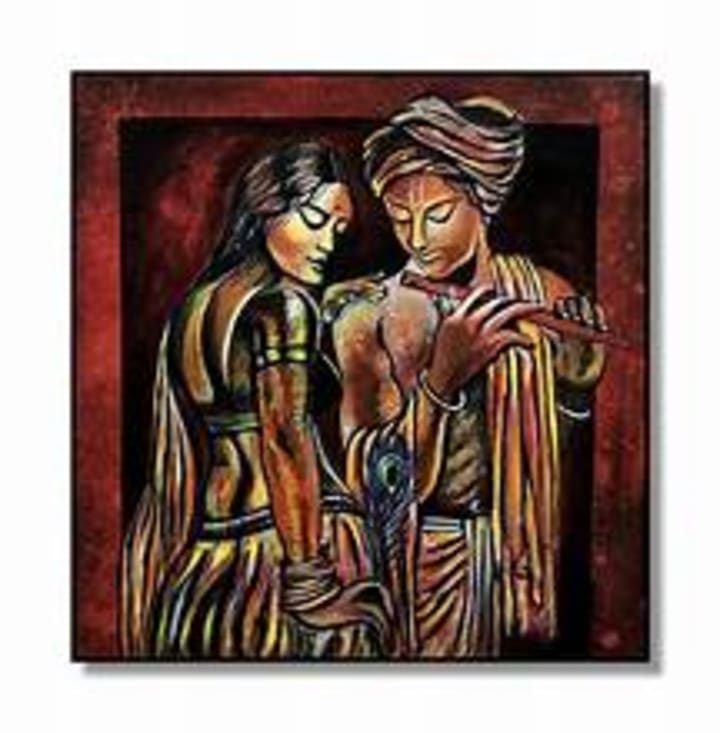
Indian artist Nandalai Bose is among the pioneers of modern Indian art and a key figure of Contextual Modernism. A pupil of Abanindranath Tagore, Bose was known for his “Indian style” of painting. He became the principal of Kala Bhavan, Santiniketan in 1922. “Krishna and Radha” is a mesmerizing portrayal of divine love. This artwork beautifully blends traditional Indian art forms with a modern touch.
Mother India Amrita Sher-Gil
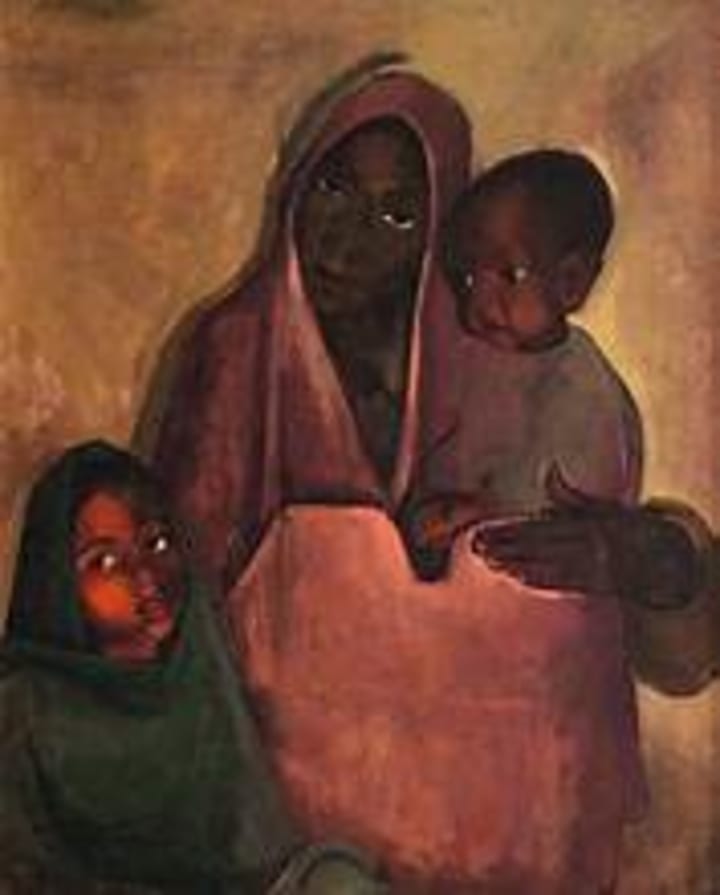
Indian artist Amrita Sher-Gil is referred to as India's Frida Kahlo. She created this portrayal of the maternal figure that represents the spirit and resilience of the nation. This painting is a symbol of India’s cultural identity. The faces of her subject at this time have their faces and stances steeped in melancholy and are marked by large, sad eyes.
Self Portrait Amrita Sher-Gil
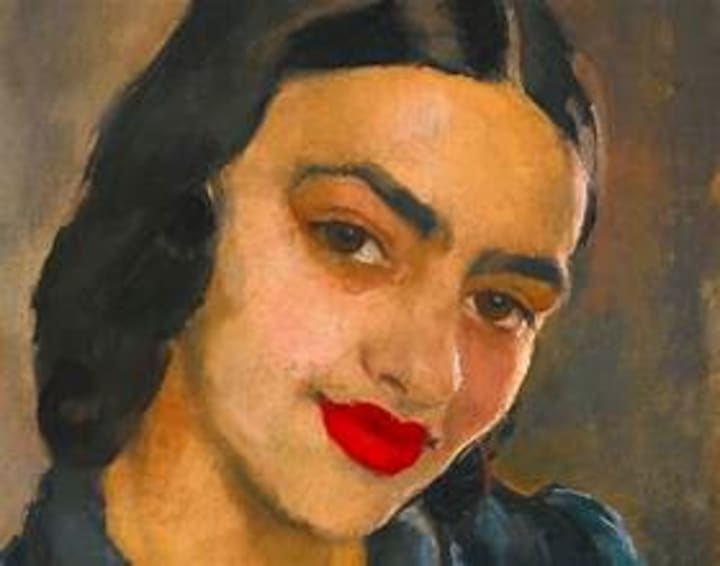
Indian artist Amrita Sher-Gil captures her self-exploration and vulnerability as an artist in this self-portrait. From 1930 onwards, Amrita Sher-Gil painted a series of self- portraits representing her many moods.
Self-Portrait Rabindranath Tagore
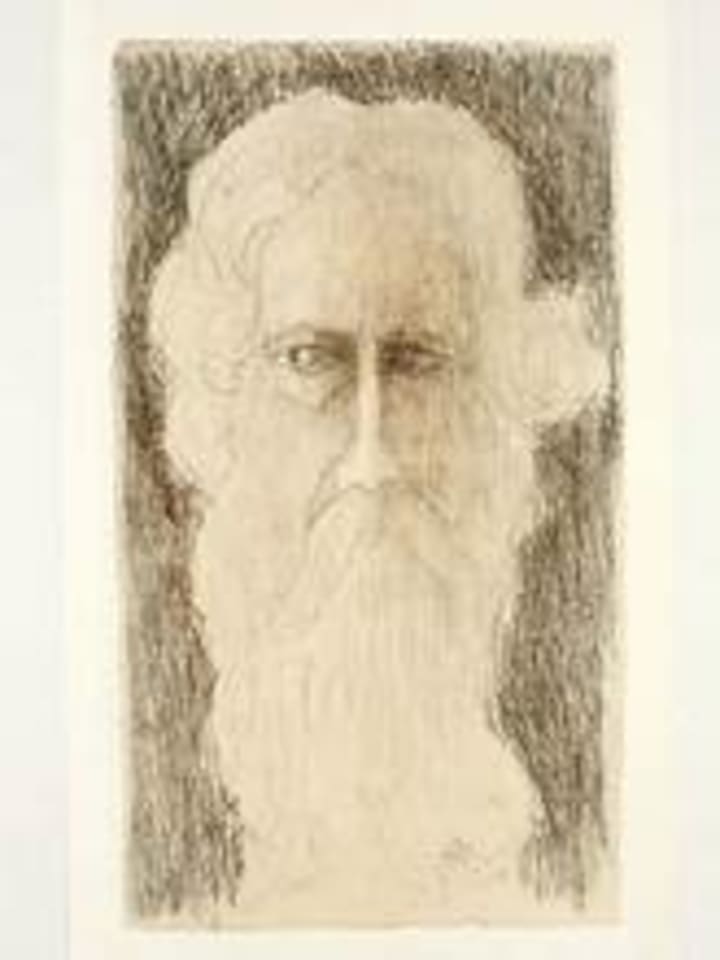
Indian artist Rabindranath Tagore earliest visual works appeared in his manuscripts of poems (eg. Purabi) and comprised of doodles, scribbles and erasures made out of unwanted words and lines. Around 1928, the artist made thousands of sketches and drawings using brush, pencil and pen. The artist developed a style characterized by simple bold forms and a rhythmic quality. The subjects depicted often involved animals, figures and statuesque women. This artwork depicts the full-face, self-portrait of the bearded artist. The unworked background and the enhanced contour push the figure out from the ground.
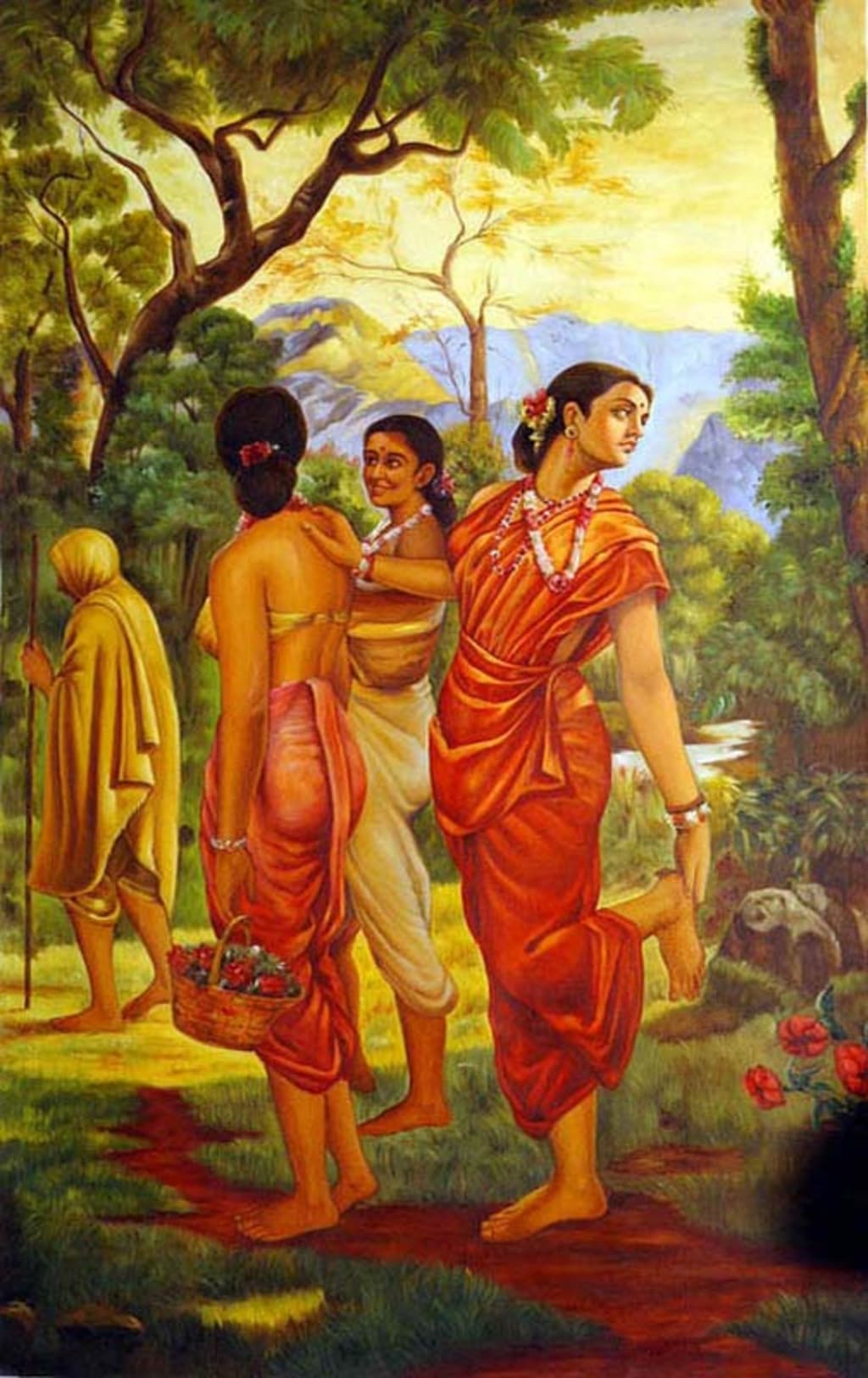
Shakuntala Raja Ravi Varma (Pictured above)
Indian artist Raja Ravi Varma was known as the Father of Modern Indian Art. He created this masterpiece inspired by a famous play by Kalidasa. This romantic and evocative painting showcases his mastery of the oil-on-canvas technique. The painting depicts the modern version of the Shakuntala looking for Dushyanta in the epic Mahabharatha. As in the story, this painting depicts Shakuntala pretending to remove a thorn from her foot but she’s looking yonder to see where her lover Dushyanta is. Her friends are casually talking near her, and a mysterious hooded figure is walking with a cane in the background.
The Last Supper Francis Newton Souza
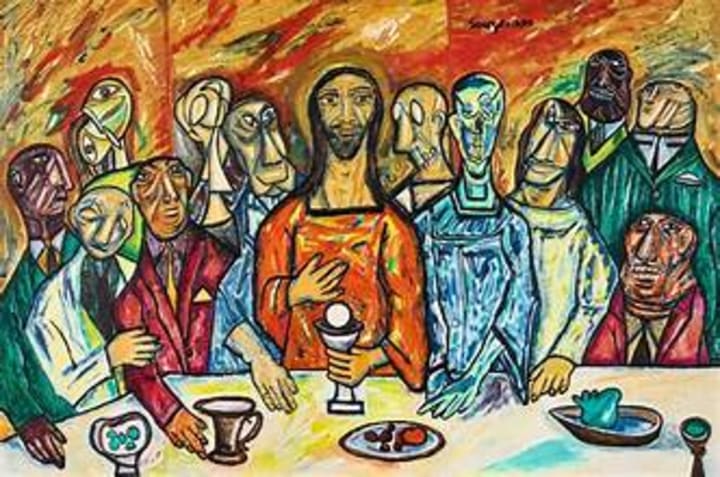
Indian artist Francis Newton Souza creates his own version of The Last Supper exploring the themes of spirituality, sexuality, and human connection in a thought-provoking manner. Some of Souza’s most renowned works, like Crucifixion (1959), in which Christ is seen in agonising torment on the cross, and Deposition (1963), in which Christ’s crucified, bleeding body is moved for burial, reflect the events after the Last Supper. Years later, Souza depicts the Last Supper to emphasise the significance of this event for Catholicism and his own artistic output.
Untitled (Bird In Space) S.H. Raza
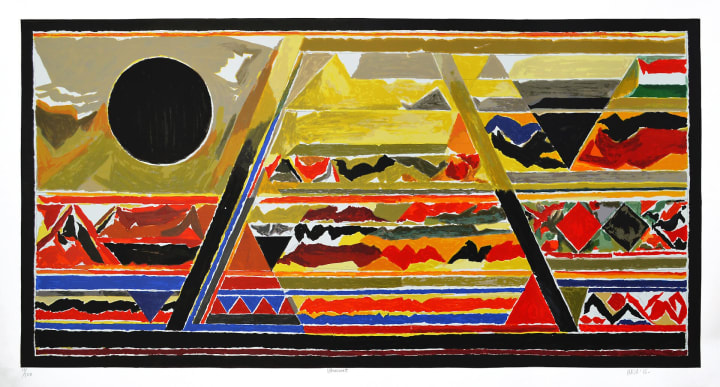
Indian artist S.H. Raza is a pioneer of Indian modern art. This artwork is a representation of his "Bindu" philosophy. The painting is a blend of abstract and spiritual elements, emphasizing unity and transcendence.
Untitled (Falling Figure) Tyeb Mehta
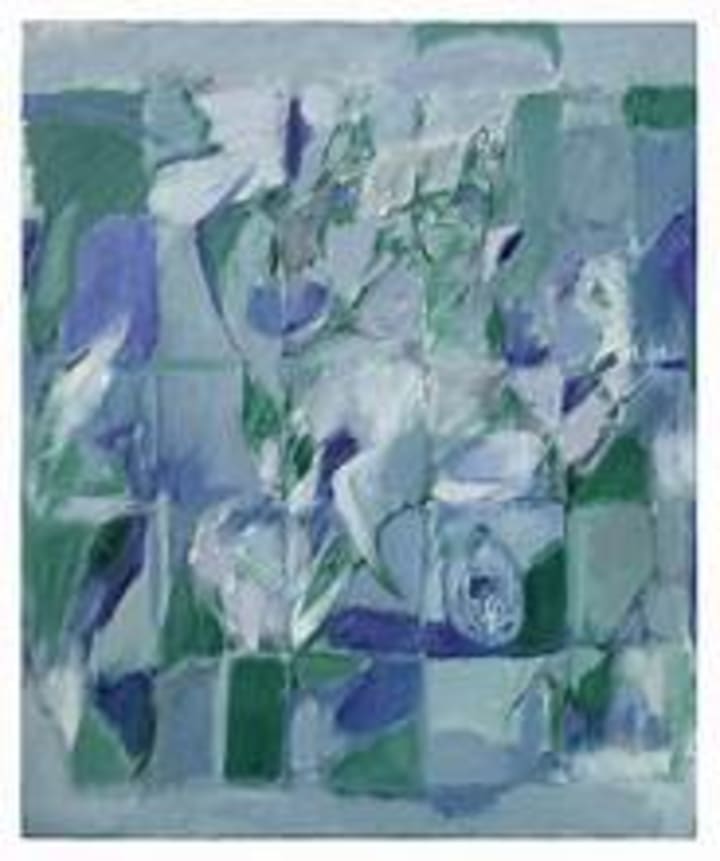
Indian artist Tyeb Menhta created this artwork as a powerful representation of existentialism. This artwork reflects the tumultuous emotions and struggles faced by individuals in a rapidly changing society.
About the Creator
Rasma Raisters
My passions are writing and creating poetry. I write for several sites online and have four themed blogs on Wordpress. Please follow me on Twitter.
Keep reading
More stories from Rasma Raisters and writers in Art and other communities.
Famous Native American Paintings
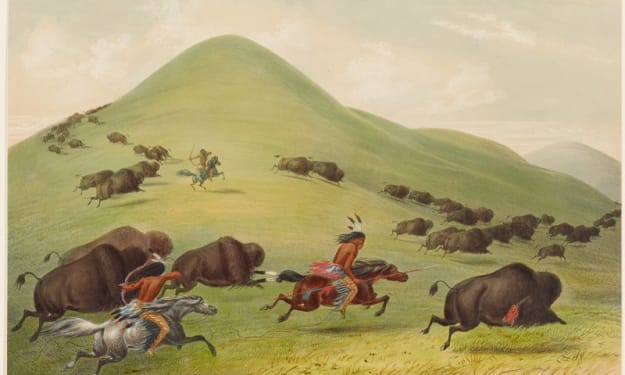
Buffalo Hunt George Caitlin American artist George Caitlin created this artwork in the mid-19th century. It is considered to be a most significant work of art. The artist was born in 1796 and was also an explorer and author devoted to capturing the lives, cultures, and landscapes of Native American tribes in the United States during a period of great change and turmoil. "The Buffalo Hunt," was finished in 1844 and captures the essence of a typical buffalo hunt, a crucial activity that kept many Plains Indian communities alive.
By Rasma Raisters6 months ago in Art
Dog Shoes for Small Dogs and Puppy Shoes A Practical, Paw-Friendly Guide
Small dogs and puppies may look tough, but their paws often need more protection than people realize. Their bodies are lighter, their paws are smaller, and many of them spend a lot of time on surfaces that were never designed for delicate paw pads. Add cold sidewalks, hot pavement, rough gravel, wet grass, or even slippery indoor floors, and you start to see why dog footwear has become more than just a cute trend.
By aliyashahzadi4 days ago in Art
Every Brushstroke Was a Wish
In the small, quiet town of Avelar, there was a woman named Lena who painted with the kind of passion that only the truly lost could understand. Her cottage was perched at the edge of a vast forest, the kind of place where the whispers of the trees seemed to reach through the windowpanes, mingling with the rhythm of her brush against canvas. People in the town would pass by and sometimes glance at the paintings displayed in her window. But few, if any, understood the soul of her work.
By Jhon smith2 days ago in Art


Comments (1)
All the paintings are exquisite and expressive! One of my favorite paintings from India is called "Shakuntala" by Raja Ravi Varma!.