
Decorative Objects: The Intersection of Art and Function
Decorative objects are an essential aspect of interior design, providing both aesthetic value and a sense of personality to a space.
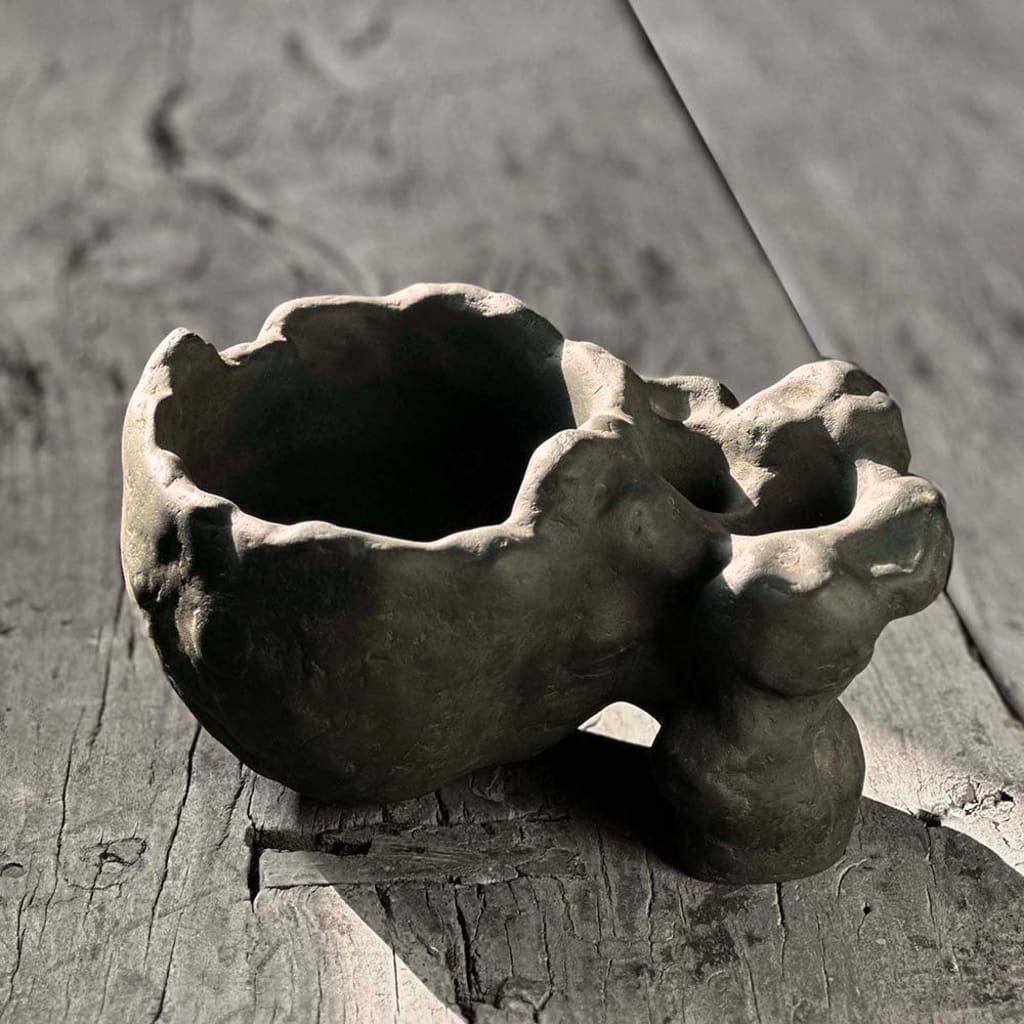
Decorative Objects are an essential aspect of interior design, providing both aesthetic value and a sense of personality to a space. These items transcend mere functionality, acting as conversation starters, mood enhancers, and reflections of the taste and preferences of the people who live in the space. From sculptures and vases to throw pillows and lamps, decorative objects allow individuals to infuse their environment with creativity, culture, and style.
The Role of Decorative Objects in Interior Design
Decorative objects serve as the finishing touches that tie a room together. They help to fill empty spaces, complement furniture and color schemes, and create a harmonious environment. While furniture such as sofas, tables, and chairs are crucial to a room’s functionality, decorative pieces add layers of interest, creating a dynamic atmosphere. These items enhance the ambiance of a room, bringing in warmth, contrast, and texture, and are often chosen based on their ability to reflect the personality and lifestyle of the individuals who occupy the space.
In design theory, decorative objects are used to create focal points within a room. They can draw the eye toward a particular area, guiding the viewer’s experience of the space. For instance, a large, statement-making sculpture placed in the center of a living room can act as the focal point, around which the furniture is arranged. On the other hand, smaller, subtle objects like a decorative bowl or a unique vase can add character to a coffee table or shelf, complementing the overall design while adding texture and color.
Types of Decorative Objects
1. Sculptures and Figurines:
Sculptures are powerful decorative elements that bring an artistic touch to any space. These objects can range from small, intricate figurines to large-scale, abstract pieces. Whether created from metal, wood, stone, or resin, sculptures add a sense of elegance and sophistication. Some sculptures depict human forms, animals, or natural elements, while others embrace abstract shapes that challenge conventional perceptions of art.
2. Vases and Planters:
Vases and planters serve both decorative and functional roles, as they can hold flowers, plants, or simply act as standalone decorative items. These objects come in various styles, from minimalist glass vases to ornate ceramic urns. Vases and planters can brighten up a room, bringing in elements of nature and color. They are often chosen based on the materials, shapes, and colors that best complement the room’s overall aesthetic.
3. Mirrors:
Mirrors are functional objects that also play a decorative role in interior design. They can be used to reflect light, make small spaces appear larger, or simply add a stylish touch to a room. Decorative mirrors come in various styles, including antique frames, modern geometric designs, and vintage-inspired models. Whether used in a hallway, bathroom, or living room, mirrors can significantly impact the feel of a space.
4. Lighting Fixtures:
Lighting is both practical and decorative in any room. A well-designed light fixture, such as a chandelier, pendant lamp, or table lamp, can enhance the decor of a space while providing necessary illumination. The design of a lighting fixture can dramatically change the atmosphere, creating warmth and intimacy or providing a sleek, modern vibe. The material and shape of the light fixture—whether it’s made of brass, glass, or fabric—can contribute to a room’s overall aesthetic.
5. Textiles and Soft Furnishings:
Textiles such as throw pillows, blankets, and rugs are versatile decorative objects that can add both comfort and style to a room. With an array of colors, patterns, and textures available, textiles allow individuals to experiment with design in a less permanent way. A bold, patterned throw pillow can instantly refresh a sofa, while a luxurious velvet blanket can bring sophistication and warmth to a chair or bed.
6. Decorative Bowls and Trays:
Bowls and trays are often used to hold smaller items like keys, jewelry, or decorative stones. They are also used to organize spaces while contributing to the room’s visual appeal. These objects can be made from various materials, such as metal, glass, wood, or ceramic, and come in a wide range of designs—from sleek and modern to rustic and traditional.
7. Wall Art and Tapestries:
Wall art is perhaps one of the most prominent forms of decorative objects. Paintings, prints, and photographs can personalize a room, adding color and interest to blank walls. Additionally, tapestries, woven wall hangings, or framed textiles can introduce texture and a sense of warmth. The choice of artwork often reflects the homeowner’s tastes, whether they prefer modern abstract pieces or vintage-inspired landscapes.
The Influence of Culture and Trends on Decorative Objects
The choice of decorative objects often reflects the cultural background and personal tastes of the individuals living in a space. For example, certain cultures may favor particular colors, patterns, or materials that have symbolic meaning or historical significance. Additionally, the popularity of specific design trends can influence the types of decorative objects that are in demand. In recent years, trends like minimalism, boho-chic, and industrial design have led to the widespread use of clean lines, natural materials, and eclectic combinations of items.
Art movements and trends also play a significant role in shaping the types of decorative objects created. For example, the Art Deco movement of the 1920s and 1930s led to the creation of decorative objects with geometric patterns and luxurious materials like gold and marble. Similarly, the rise of Mid-Century Modern design brought about the use of simple, functional, and stylish decorative objects, such as sleek lamps and minimalist sculptures.
Conclusion
Decorative objects are essential to interior design, offering a chance to express individuality while enhancing the functionality and aesthetics of a space. Whether through sculptures, lighting, textiles, or small decorative accents, these items contribute to a room’s overall ambiance and personality. As trends evolve and new materials emerge, the possibilities for using decorative objects to transform spaces continue to grow, making them a versatile and important aspect of home design.
About the Creator
Keep reading
More stories from Studio Renaissance and writers in Art and other communities.
Abstract Sculpture: The Art of Form, Emotion, and Imagination
Abstract Sculpture is a fascinating art form that challenges conventional representation, focusing instead on shapes, textures, and emotions. Unlike traditional sculptures that depict recognizable figures or objects, abstract sculptures convey meaning through artistic expression, leaving interpretation open to the viewer.
By Studio Renaissanceabout a year ago in Art
'Till Death We Do Art
There would be nothing divine in this world without art. Nature may surpass the divine to all intents and purposes, but like everything it absorbs and is absorbed by, it remains here, stuck on the surface of this world, ever-present, physically bound to the universe.
By Avocado Nunzella BSc (Psych) -- M.A.P 26 days ago in Art
The Great Museum Scandal: Half of the Artworks in French Museums Found to Be Fake
France is home to some of the most famous museums in the world, attracting millions of visitors each year who come to admire priceless works of art and historical artifacts. However, a recent investigation has sent shockwaves through the art world after suggesting that a significant number of artworks displayed in certain French museums may actually be fake.
By Irshad Abbasi 4 days ago in Art




Comments
There are no comments for this story
Be the first to respond and start the conversation.