
Abstract Sculpture: The Art of Form, Emotion, and Imagination
Abstract sculpture is a fascinating art form that challenges conventional representation, focusing instead on shapes, textures, and emotions.
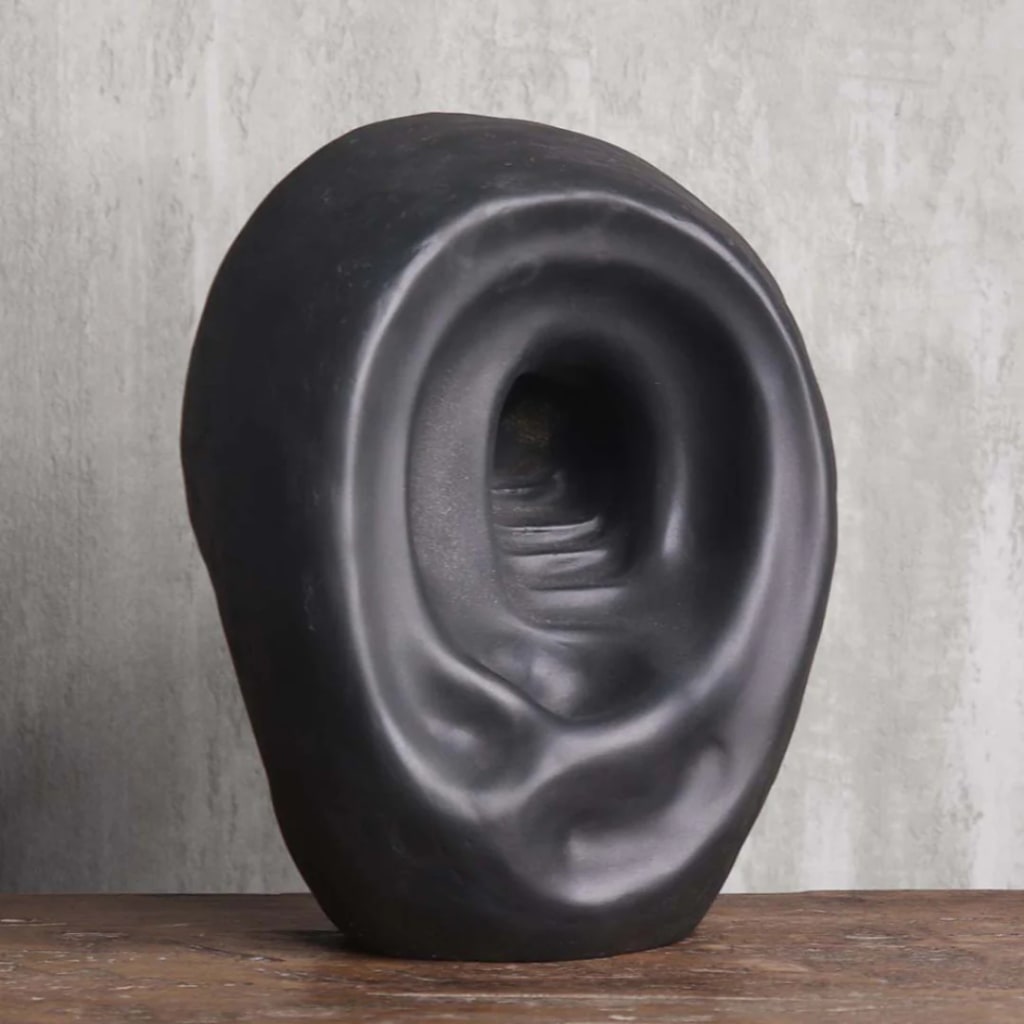
Abstract Sculpture is a fascinating art form that challenges conventional representation, focusing instead on shapes, textures, and emotions. Unlike traditional sculptures that depict recognizable figures or objects, abstract sculptures convey meaning through artistic expression, leaving interpretation open to the viewer.
What is Abstract Sculpture?
Abstract sculpture is a three-dimensional art form that moves beyond literal representation. It emphasizes form, space, and movement, using materials such as metal, wood, stone, glass, and even modern synthetic compounds. The beauty of abstract sculpture lies in its ability to evoke emotions and thoughts without directly illustrating reality.
A Brief History of Abstract Sculpture
The origins of abstract sculpture can be traced back to early 20th-century movements like Cubism, Futurism, and Constructivism. Pioneering artists such as Pablo Picasso, Constantin Brâncuși, and Naum Gabo broke away from traditional artistic norms, exploring geometric shapes, fragmented forms, and dynamic structures. Over time, abstract sculpture evolved, incorporating modern materials and digital fabrication techniques.
Characteristics of Abstract Sculpture
1. Emphasis on Form and Shape
Abstract sculptures often feature geometric, fluid, or asymmetrical forms that challenge visual perception and traditional aesthetics.
2. Use of Various Materials
Artists experiment with diverse materials like bronze, marble, steel, and even recycled objects to create unique and thought-provoking sculptures.
3. Open Interpretation
Unlike figurative art, abstract sculptures allow viewers to interpret the meaning based on their emotions and perspectives.
4. Dynamic Interaction with Space
Many abstract sculptures interact with their surroundings, playing with light, shadows, and movement to create a dynamic experience.
Popular Styles of Abstract Sculpture
1. Geometric Abstraction
Inspired by mathematical precision, this style uses sharp angles, clean lines, and symmetrical patterns.
2. Organic Abstraction
Characterized by fluid, natural forms that mimic elements of nature, such as flowing water or growing plants.
3. Minimalist Abstraction
This style focuses on simplicity, reducing forms to their most essential elements while maintaining a striking impact.
4. Kinetic Sculpture
Some abstract sculptures incorporate motion, either through mechanical movement or by responding to wind and touch.
The Impact of Abstract Sculpture
Abstract sculptures serve as focal points in public spaces, galleries, and homes, sparking conversation and inspiring creativity. They are used in urban design, contemporary interiors, and landscape architecture to enhance aesthetic appeal and cultural significance.
Conclusion
Abstract sculpture continues to redefine artistic expression, offering limitless possibilities for creativity. Whether in monumental outdoor installations or intricate indoor pieces, these sculptures challenge perceptions, ignite imagination, and enrich the visual landscape. If you appreciate art that speaks beyond words, abstract sculpture is a compelling realm to explore.
About the Creator
Keep reading
More stories from Studio Renaissance and writers in Art and other communities.
Abstract Sculpture: Where Art Meets Emotion and Imagination
Abstract Sculpture is more than just a form of visual art—it's a bold expression of creativity, emotion, and freedom from traditional representation. Unlike realistic sculpture, which mimics recognizable forms such as people or animals, abstract sculpture breaks away from literal shapes and explores form, material, and movement in unique and often surprising ways.
By Studio Renaissance8 months ago in Art
Jim Sloan
By Brian D’Ambrosio At 90, Jim Sloan has lived several lifetimes’ worth of work—carpenter, sign painter, excavator, sawmiller, road-builder and the go-to rattlesnake remover of Galisteo, New Mexico. Art may be the through-line, but it has never been the source of his income, nor the center of his universe. Sloan has always kept one foot in the studio and the other in the soil, without bothering to decide which world he truly belongs to. The truth is that he fits cleanly into neither, and he has long since stopped trying.
By Brian D'Ambrosio 7 days ago in Art
The Devil's Cut
“Comrade, finally you’re awake.” The voice was smooth, sensual. A flickering incandescent bar was all that lit the white, sterile room. All Vladimir remembered was everything going black. He tried to move his arms and found them strapped to the gurney.
By Matthew J. Fromm6 days ago in Fiction


Comments
There are no comments for this story
Be the first to respond and start the conversation.