
An Exploration of Various Architectural Styles and Their Characteristics
What are the different types of Architectural Styles? Let’s find out
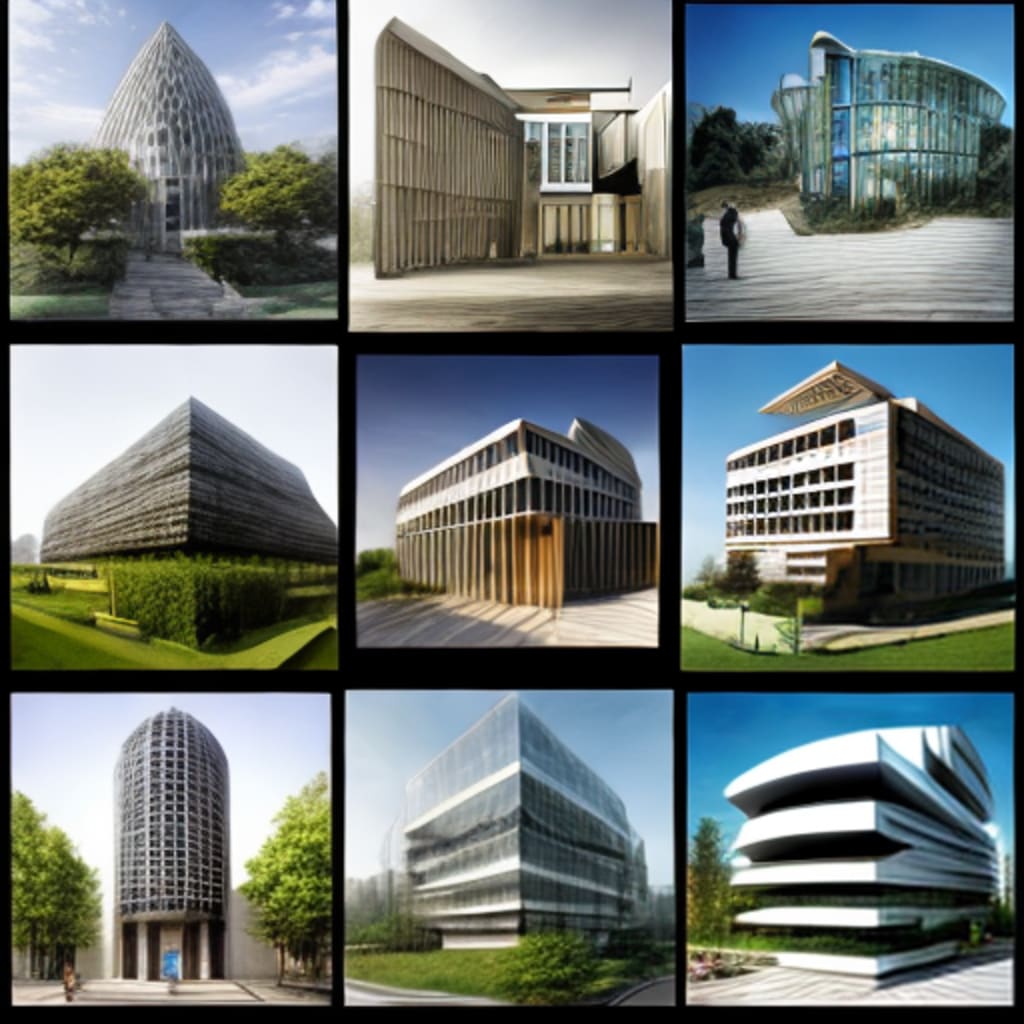
Architecture is a fascinating art form that encompasses the design, planning, and construction of buildings and structures. Over the centuries, various architectural styles have emerged, each influenced by cultural, historical, and technological factors. This essay aims to provide an overview of some prominent architectural styles, discussing their distinct characteristics and influential features.
Classical Architecture:
Classical architecture, originating from ancient Greece and Rome, forms the foundation for Western architectural traditions. It is characterized by symmetrical designs, columns, and pediments. Two key styles within classical architecture are Greek and Roman. Greek architecture emphasizes simplicity and harmony, seen in the iconic Parthenon, while Roman architecture integrates grandeur and monumentality, observed in structures like the Colosseum.
Gothic Architecture:
Gothic architecture emerged during the Middle Ages in Europe and is recognizable for its pointed arches, ribbed vaults, and large stained glass windows. It was used predominantly in the construction of churches and cathedrals, such as the Notre-Dame Cathedral in Paris. Gothic architecture represents a shift towards verticality and spirituality, replacing the earlier Romanesque style.
Renaissance Architecture:
Renaissance architecture flourished during the 15th and 16th centuries and drew inspiration from classical Greek and Roman designs. It revived classical elements, integrating proportion, balance, and symmetry. Notable examples include the Dome of Florence Cathedral and St. Peter’s Basilica in Vatican City. Renaissance architecture sought to achieve harmony and ideal proportions through mathematical principles.
Baroque Architecture:
Baroque architecture, prevalent from the late 16th to the early 18th century, is characterized by its opulence, drama, and ornate details. This style introduced elaborate decorations, extravagant sculptures, and intricate motifs. Prominent examples include the Palace of Versailles in France and St. Paul's Cathedral in London. Baroque architecture aimed to impress and convey the power and influence of the Church and monarchy.
Neoclassical Architecture:
Neoclassical architecture emerged in the 18th century as a reaction to the excesses of the Baroque style. Drawing inspiration from classical models, it sought to revive the simplicity and order of ancient Greece and Rome. Key features include symmetrical layouts, columned facades, and harmonious proportions. Notable examples include the Capitol Building in Washington, D.C., and the British Museum in London.
Modernist Architecture:
Modernist architecture arose in the late 19th and early 20th centuries as a response to rapid industrialization and technological advancements. It embraced functionalism and rejected ornate details. Prominent modernist architects include Le Corbusier and Frank Lloyd Wright. Notable examples include the Bauhaus school in Germany and the Fallingwater house in Pennsylvania. Modernist architecture emphasized simplicity, clean lines, and the integration of natural elements.
Postmodern Architecture:
Postmodern architecture emerged in the late 20th century as a reaction against the uniformity and lack of ornamentation found in modernist designs. It embraces a playful and eclectic style, often combining elements from different historical periods. Notable examples include the Sydney Opera House in Australia and the Guggenheim Museum in Bilbao, Spain. Postmodern architecture challenges traditional norms and seeks to create unique and visually striking structures.
Architectural styles have continuously evolved throughout history, reflecting the cultural, societal, and technological advancements of each era. From the classical beauty of ancient Greece to the bold experimentation of postmodernism, each architectural style possesses its distinct character and influence. Understanding these architectural styles helps us appreciate the rich diversity and creativity that exists in the world of architecture and sheds light on the historical context within which these structures were created.
About the Creator
Keep reading
More stories from Austin Story and writers in Art and other communities.
The Ever-Evolving Beauty of Architecture
Architecture, the art and science behind the design and construction of buildings, has played a fundamental role in human civilization since ancient times. From the awe-inspiring pyramids of Egypt to the towering skyscrapers of today, architecture has not only provided shelter but has also become an expression of creativity and cultural identity. This essay delves into the multifaceted nature of architecture, exploring its historical significance, its impact on society, and the ways in which it continues to evolve to meet the changing needs of humanity.
By Austin Story2 years ago in History
What Voice Cloning Technology Means for Creators and Digital Identity
The rise of artificial intelligence has reshaped the creative landscape in countless ways, from AI-generated visual art to automated music composition, and one of the most intriguing frontiers today is voice cloning. With tools that let users clone your voice using only a short sample of speech, creators and digital communicators are discovering new ways to produce audio content that feels natural and expressive.
By aliyashahzadi6 days ago in Art
Introduction to Organic Solutions
In the realm of fitness, the role of nutrition cannot be overstated, and organic supplements are increasingly recognised as essential components of a well-rounded training regime. Unlike their synthetic counterparts, organic supplements are derived from natural sources, ensuring that fitness trainers can provide their clients with products that are free from harmful additives and chemicals. This not only promotes better health but also supports the body’s natural processes, thereby enhancing overall performance and recovery.
By Organic Products 4 days ago in Art



Comments
There are no comments for this story
Be the first to respond and start the conversation.