
Abstract Sculpture: A Bold Expression of Art and Emotion
In the world of contemporary art and modern design, abstract sculpture stands out as a powerful and captivating form of expression.
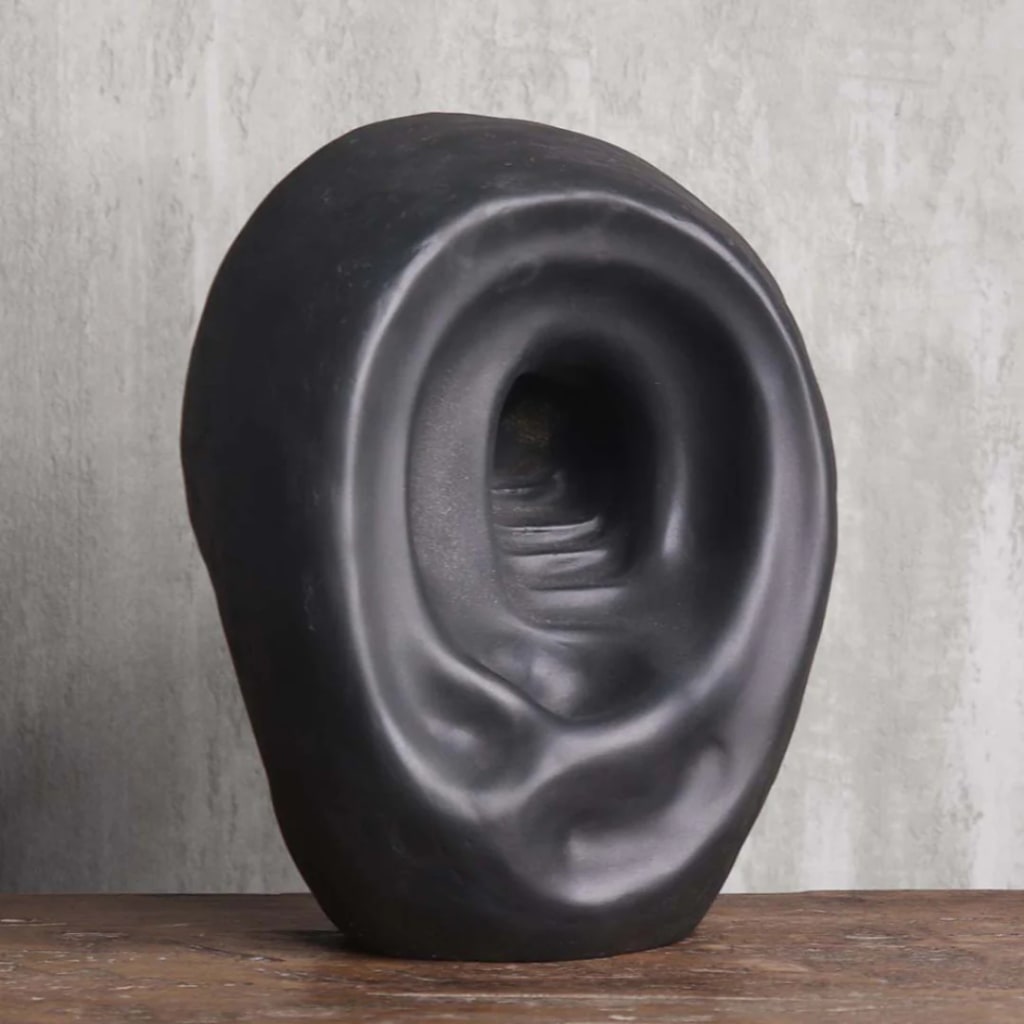
In the world of contemporary art and modern design, Abstract Sculpture stands out as a powerful and captivating form of expression. Unlike traditional sculptures that depict clear and recognizable figures or scenes, abstract sculptures embrace creativity without boundaries—often representing ideas, emotions, or forms that challenge the viewer’s perception.
These artworks are not just decorative pieces; they are thought-provoking creations that invite interpretation and evoke curiosity. Whether placed in a gallery, garden, office, or living room, abstract sculptures bring movement, texture, and personality to any space.
What is Abstract Sculpture?
Abstract sculpture refers to three-dimensional artwork that does not attempt to represent reality in a literal sense. Instead, it uses shapes, colors, lines, and forms to convey emotions, explore concepts, or simply celebrate artistic freedom. These sculptures can be minimalist or complex, geometric or fluid, and made from a wide range of materials.
They often encourage viewers to look beyond the surface and connect with the piece on a personal, imaginative level.
A Brief History of Abstract Sculpture
Abstract sculpture emerged in the early 20th century as part of the broader abstract art movement. Artists like Constantin Brâncuși, Naum Gabo, and Barbara Hepworth broke away from classical traditions to explore more symbolic and conceptual art.
This movement aligned with the rise of modernism, where artists began focusing on purity of form and the inner meaning of objects. Today, abstract sculpture continues to evolve, blending traditional techniques with new materials, digital technology, and interactive elements.
Common Materials Used in Abstract Sculpture
Metal (Bronze, Steel, Aluminum): Durable and versatile, often used for both indoor and outdoor sculptures.
Wood: Offers warmth and organic textures; ideal for natural or rustic aesthetics.
Stone (Marble, Granite): Classic and timeless, often used for larger, monumental works.
Glass and Acrylic: For modern, translucent effects with light and color play.
Mixed Media: Combining various materials to create layered, textural effects.
Styles and Forms of Abstract Sculpture
Geometric Abstraction
Features clean lines and mathematical shapes. These pieces often have a modern, architectural appeal.
Organic Abstraction
Inspired by forms in nature—waves, leaves, cells. These sculptures are fluid, soft, and dynamic.
Kinetic Sculpture
Includes elements that move with wind, touch, or mechanics. It brings energy and interactivity to the piece.
Minimalist Sculpture
Emphasizes simplicity, space, and material. Every line and surface is intentional and uncluttered.
Symbolic Abstraction
Incorporates metaphors or emotional themes without direct representation, inviting personal interpretation.
Abstract Sculpture in Modern Spaces
Abstract sculptures are not limited to galleries—they are increasingly popular in:
Home Décor: As focal points in living rooms, hallways, or entryways.
Offices and Commercial Buildings: To enhance aesthetic appeal and reflect modernity.
Public Art Installations: In parks, courtyards, and urban centers to inspire and engage the public.
Gardens and Outdoor Areas: Weather-resistant abstract sculptures can bring life and interest to natural landscapes.
Tips for Displaying Abstract Sculpture
Scale Matters: Choose a sculpture size that complements your space without overwhelming it.
Lighting: Use spotlights or natural light to highlight texture, shadow, and form.
Pedestals and Platforms: Elevate smaller sculptures for visibility and elegance.
Minimal Surroundings: Let the sculpture be the star—avoid cluttered backgrounds.
Interactive Placement: Consider how viewers will walk around or interact with the piece.
The Power of Abstract Sculpture
What makes abstract sculpture so compelling is its ability to spark imagination. Each viewer may see something different—an emotion, a memory, a movement, or a metaphor. This open-ended nature makes abstract sculptures timeless and deeply personal.
In a fast-paced, image-saturated world, abstract sculptures offer a moment of pause—a visual and emotional experience that doesn’t tell you what to think, but rather invites you to explore what you feel.
Final Thoughts
Abstract sculpture is not just a form of art—it’s a conversation between the artist, the object, and the viewer. Whether you're an art enthusiast, an interior designer, or someone looking to add a unique statement piece to your space, abstract sculptures offer endless possibilities.
From sleek, modern installations to organic, hand-carved pieces, there's an abstract sculpture for every taste and setting. Let your space speak in the language of form, shadow, and imagination—one sculpture at a time.
About the Creator
Keep reading
More stories from Studio Renaissance and writers in Art and other communities.
Shiv Murti: A Sacred Symbol of Power, Peace, and Divine Energy
The Shiv Murti, or idol of Lord Shiva, holds immense spiritual, cultural, and aesthetic value in Hinduism. Known as the destroyer and transformer within the holy trinity (Trimurti) of Hindu gods—Brahma, Vishnu, and Shiva—Lord Shiva is revered for his calm, meditative presence as well as his fierce, powerful energy. A Shiv Murti not only enhances home décor but also instills a sense of peace, strength, and divinity in your living space.
By Studio Renaissance10 months ago in Art
'Till Death We Do Art
There would be nothing divine in this world without art. Nature may surpass the divine to all intents and purposes, but like everything it absorbs and is absorbed by, it remains here, stuck on the surface of this world, ever-present, physically bound to the universe.
By Avocado Nunzella BSc (Psych) -- M.A.P 26 days ago in Art
The Great Museum Scandal: Half of the Artworks in French Museums Found to Be Fake
France is home to some of the most famous museums in the world, attracting millions of visitors each year who come to admire priceless works of art and historical artifacts. However, a recent investigation has sent shockwaves through the art world after suggesting that a significant number of artworks displayed in certain French museums may actually be fake.
By Irshad Abbasi 4 days ago in Art
A Transparent Look at Vocal Challenges and Top Stories
Almost three years ago, we shared a resource article that served as a place for people to suggest new challenge prompts. We thought it would be a good idea to refresh that thread, and take the opportunity to answer a few common questions about top stories, how challenges are judged and how submissions are reviewed.
By Vocal Curation Team2 days ago in Resources



Comments
There are no comments for this story
Be the first to respond and start the conversation.