
Interior design with wooden furniture
Finding the right plank table, chairs or cabinet
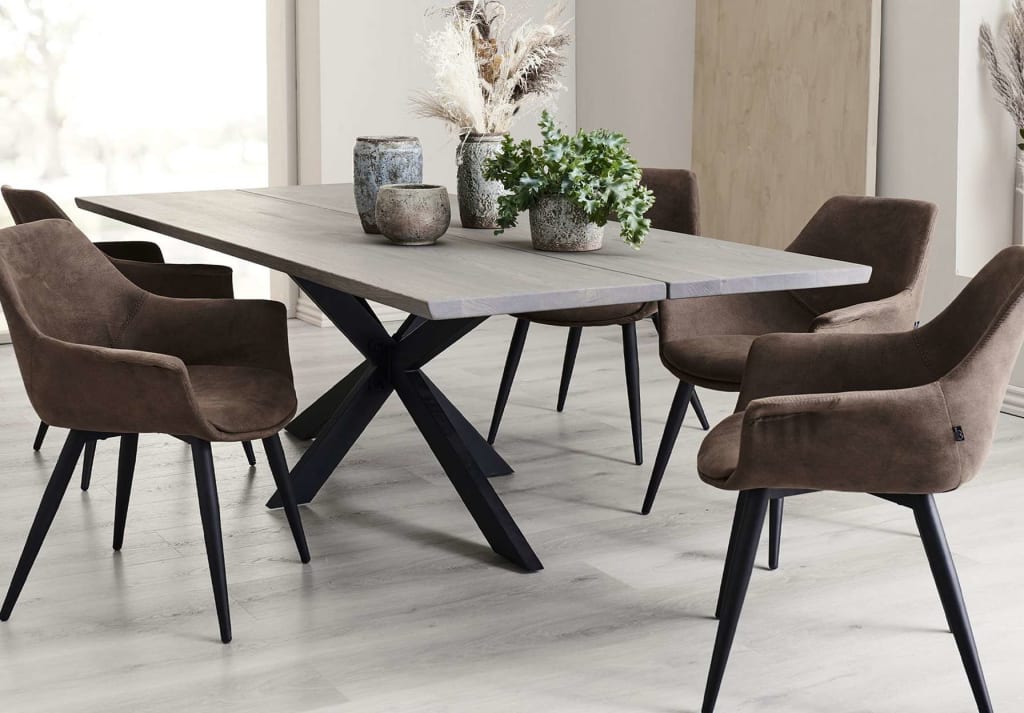
The wooden table stands as a cornerstone element when designing interior spaces with character and warmth. Natural wood grain patterns and rich textures create visual focal points that synthetic materials simply cannot match. Selecting the right plank table transforms dining experiences, while coordinating wooden chairs and cabinets builds cohesive design schemes throughout your home. Each wood species—from the golden hues of oak to the deep, luxurious tones of walnut—brings distinct personality to your spaces.
The tactile quality of wooden furniture connects occupants to nature while providing functional surfaces for daily living. As you explore furniture options, consider how wooden tables and complementary pieces might anchor your rooms, define your style, and create the foundation for truly personalized interior design that reflects both purpose and beauty.
The foundation of wooden interior design
The wooden table represents the heart of many interior design concepts, serving as both functional centerpiece and artistic statement. When selecting a wooden table, understanding wood types becomes essential for making informed choices. Oak tables offer exceptional durability with prominent grain patterns that withstand daily use while developing rich patina over years. Walnut wooden tables command attention with their chocolate-brown tones and straight grain patterns, bringing sophistication to dining rooms and offices alike. Pine delivers rustic charm at more accessible price points, though requires greater care to prevent dents and scratches.
Plank tables, constructed from solid wood boards joined together, have surged in popularity for their authentic, organic appeal. These tables showcase wood's natural beauty through visible grain patterns, knots, and color variations. The width of planks significantly impacts visual weight—wider planks create bold statements while narrower boards offer more subtle elegance.
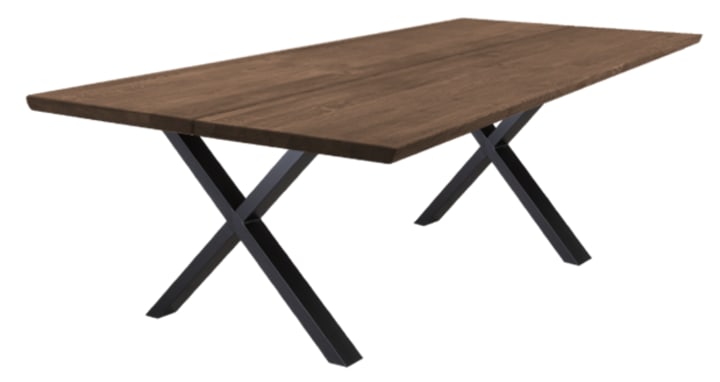
Edge treatments further define a wooden table's character; live edges preserve the tree's natural contour for organic appeal, while straight-cut edges deliver clean, contemporary lines. The table base deserves equal consideration when selecting wooden furniture. Trestle designs provide excellent stability for longer plank tables while creating visual interest through their architectural form. Pedestal bases maximize legroom and seating flexibility, particularly valuable in smaller spaces. Four-legged designs remain classic choices that complement most interior styles from farmhouse to mid-century modern. Construction quality reveals itself in joinery techniques—dovetail and mortise-and-tenon joints indicate craftsmanship that will endure decades of use, while screwed connections may weaken over time.
Selecting chairs to complement your wooden table
Finding chairs that harmonize with your wooden table creates visual cohesion throughout your interior design scheme. The relationship between table and chair height demands careful consideration—standard dining tables measure 30 inches tall, requiring chairs with seat heights between 17-19 inches for comfortable dining. Allow 12 inches between the chair seat and tabletop for proper leg clearance. Scale matters tremendously; substantial plank tables call for chairs with presence, while delicate tables pair better with visually lighter seating options.
Material continuity often yields striking results. Wooden chairs crafted from the same species as your table create seamless visual flow, though exact matching isn't necessary. Contrasting woods can create dynamic tension—pairing a dark walnut table with lighter maple chairs highlights the unique qualities of each piece. Mixed-material approaches introduce textural variety; metal chairs against wooden tables create industrial-modern appeal, while upholstered seating softens the hard surfaces of wooden furniture.
Chair styles speak volumes about your design sensibilities. Windsor chairs bring traditional charm to farmhouse a wooden table with it's spindle backs and solid wood construction. Parsons chairs offer clean lines that complement contemporary plank tables without competing for attention. Wishbone chairs, with their Y-shaped backs and woven seats, introduce mid-century modern elements while maintaining wood as the primary material.
When selecting chairs, consider how they'll be used. Dining chairs should prioritize comfort for extended seating, while accent chairs might emphasize visual impact over ergonomics. Armless chairs maximize seating capacity around wooden tables, particularly valuable for smaller dining spaces or when entertaining. Armed versions provide additional support and define place settings more formally. The finish on wooden chairs impacts maintenance requirements—natural oil finishes highlight wood grain beautifully but require periodic refreshing, while polyurethane creates more durable protection at the expense of tactile quality.
Cabinets as complementary elements to wooden tables
Wooden cabinets function as crucial design partners to your central wooden table, providing storage while extending your chosen aesthetic throughout the space. Cabinet selection should begin with honest assessment of storage needs—consider what items require housing and how frequently you'll access them. Shallow cabinets with multiple drawers excel for dining room linens and flatware storage, while deeper units accommodate larger serving pieces. Glass-front cabinets showcase decorative items while solid doors conceal everyday clutter, creating visual balance within wooden furniture arrangements.
Proportion plays a decisive role when pairing cabinets with wooden tables. Tall, imposing cabinets can overwhelm a smaller plank table, while undersized storage pieces may appear insignificant beside substantial dining tables. The height relationship between horizontal surfaces deserves special attention—sideboards typically stand slightly taller than dining tables (34-36 inches versus 30 inches) to facilitate serving and create visual hierarchy.
Wall-mounted cabinets should maintain adequate clearance above tables—at least 18 inches prevents cramped feelings while allowing proper lighting. Wood selection for cabinets warrants thoughtful consideration. Perfect matching between table and cabinet woods rarely occurs naturally, even within the same species, due to growth conditions and aging processes. Instead, aim for compatible tones—cabinets slightly lighter or darker than your wooden table often create more sophisticated pairings than attempted exact matches.
Quality indicators for wooden cabinets include:
- Solid wood drawer construction with dovetail joinery
- Full-extension drawer glides rated for appropriate weight capacity
- Adjustable shelving for flexible storage configurations
- Back panels constructed from solid wood or high-quality plywood
- Dust panels between drawers in higher-end pieces
- Properly sealed interior surfaces to prevent moisture damage
Cabinet placement significantly influences how spaces function around wooden tables. In dining areas, sideboards positioned behind chairs provide serving surfaces without disrupting traffic flow. Corner cabinets maximize awkward spaces while display cabinets positioned opposite windows balance natural light distribution. The wooden cabinet's relationship to your table establishes crucial sight lines that guide movement through rooms while creating visual anchor points that ground interior design schemes.
Creating harmony with wooden furniture placement
The wooden table serves as the gravitational center around which other furniture elements orbit. Proper spacing fundamentally impacts both functionality and visual appeal. Allow 36 inches between your wooden table and walls or other furniture pieces to permit comfortable circulation. For dining setups, each seated person requires roughly 24 inches of table edge, with 12-18 inches of depth for place settings. These measurements prevent cramped arrangements while maximizing the natural beauty of your wooden furniture.
Light dramatically influences how wooden tables and complementary pieces appear within spaces. Natural wood responds dynamically to different lighting conditions—north-facing rooms cast cooler light that mutes warm wood tones, while south-facing spaces amplify golden hues in oak and pine tables. Position wooden tables where natural light highlights grain patterns during peak usage hours.
Supplement with layered artificial lighting; overhead fixtures illuminate the entire table surface, while accent lighting draws attention to specific wooden furniture details. Avoid placing wooden tables directly beneath harsh downlights that create unflattering shadows or near unfiltered windows where UV exposure accelerates color changes.
Room layout should acknowledge the functional requirements of different wooden furniture groupings. Dining tables benefit from proximity to kitchen access points without blocking primary pathways. Coffee tables positioned centrally within conversation areas should maintain 14-18 inches from seating edges—close enough for convenient use without restricting movement. Consider how cabinet door and drawer operation affects circulation; allow sufficient clearance for full extension without impeding passage around wooden tables.
The visual weight of wooden furniture influences spatial perception. Substantial plank tables with thick tops and bold bases create anchoring focal points, while lighter designs allow greater flexibility in smaller spaces. Balance is achieved by distributing wooden elements thoughtfully—heavy wooden tables paired with visually lighter chairs prevent overwhelming rooms, while substantial cabinets opposite weighty tables create equilibrium.
Bringing wooden elements together
The wooden table stands as the cornerstone of thoughtfully designed interiors, connecting us to natural materials while providing essential functionality. When selecting wooden furniture, prioritize pieces that speak to both practical needs and personal design preferences. The character found in wooden tables—from distinctive grain patterns to rich color variations—creates visual interest impossible to replicate with synthetic materials.
Successful wooden furniture arrangements balance proportion, function, and visual harmony. The relationship between your wooden table and surrounding chairs and cabinets establishes the fundamental rhythm of your space. Each piece contributes to the overall composition while serving specific purposes within daily life. Quality wooden furniture rewards close examination, revealing craftsmanship details that mass-produced alternatives lack.
Remember that wooden tables and complementary furniture evolve beautifully with use, developing character that reflects your household's unique story. The patina that develops on wooden surfaces chronicles years of gatherings, work sessions, and everyday moments. By thoughtfully selecting and arranging wooden tables, chairs, and cabinets, you create spaces that feel simultaneously grounded and elevated—environments that welcome, function smoothly, and express personal style through the enduring beauty of wood.
About the Creator
Keep reading
More stories from Sommersang and writers in 01 and other communities.
Maximizing athletic performance with an Airtrack
Airtracks have revolutionized training for athletes across various sports disciplines. These inflatable training surfaces provide the perfect balance of stability and bounce, making them ideal for developing strength, agility, and technical skills. Unlike traditional training surfaces, an Airtrack offers adjustable firmness to accommodate different training needs and skill levels. Athletes from gymnastics, martial arts, cheerleading, and even track and field have discovered the tremendous benefits of incorporating Airtrack training into their routines.
By Sommersang10 months ago in 01
11 Critical Mistakes to Avoid in Crypto Exchange Development
Introduction The cryptocurrency industry has grown rapidly over the past decade, with digital asset trading becoming a major part of the global financial ecosystem. Crypto exchanges play a central role in this industry by allowing users to buy, sell, and trade cryptocurrencies securely. As the demand for cryptocurrency trading platforms continues to rise, many startups and businesses are exploring opportunities to build their own exchanges.
By Aarti Jangidabout 9 hours ago in 01
Adding AI to Your Mobile App: A Practical Guide
Not every app needs machine learning. But if you’re building products that serve thousands of users with different habits and expectations, static logic eventually starts to crack. The same feed, the same suggestions, the same flows for everyone — it works early on, but it doesn’t scale.
By Valeriia Shulga7 days ago in 01
From ad men to mad men
It's after 2am in the morning when a local police patrol vehicle in Northern New Jersey spots a figure costumed as Quasimodo, The Hunchback of Notre Dame, proceeding southbound on the sidewalk along Lydecker Street. Though the hunchback’s costume stuffing offers added insulation, it's January, and friggin’ freezing. Carefully, the officers slow down, gently question the subject, and offer him a ride home.
By David W. Maury4 days ago in Humor




Comments