
Wooden table charm in Scandinavian interior design
Interior design with wooden tables
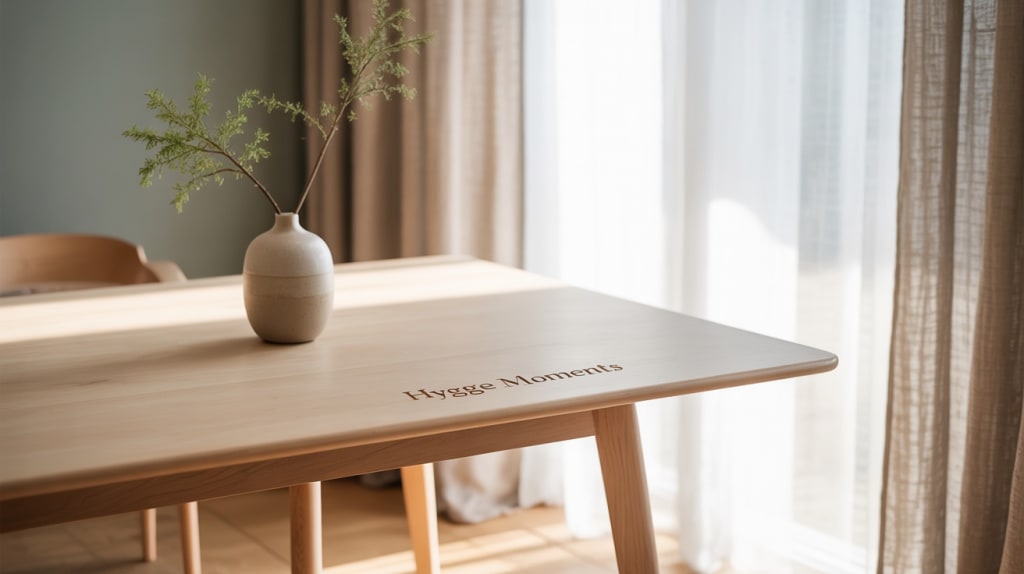
The raw beauty of plank tables has become a cornerstone in Scandinavian homes, merging traditional craftsmanship with modern living spaces. These solid wood masterpieces bring natural warmth and character to Nordic interiors while honoring a deep-rooted connection to nature. From Danish dining rooms to Swedish country houses and Norwegian cabins, plank tables have transcended simple functionality to become statement pieces that capture the essence of Scandinavian design philosophy. The distinctive grain patterns, organic edges, and substantial presence of these tables create focal points in minimalist surroundings. Crafted from oak, pine, walnut or reclaimed timber, each plank table tells its own story through knots, cracks and growth rings - silent witnesses to decades or even centuries of growth. The marriage of rustic elements with clean lines exemplifies the Nordic balance between sophistication and unpretentious simplicity.
Historical roots - from necessity to design icon
The story of plank tables in Scandinavian homes stretches back centuries, beginning as practical solutions rather than design statements. In rural Nordic communities, carpenters crafted robust dining surfaces from single slabs of local timber, utilizing whatever materials the surrounding forests provided. These early plank tables served as workbenches, dining areas, and communal gathering spots in farmhouses across Denmark, Sweden, Norway, and Finland. The harsh northern climate demanded furniture that could withstand seasonal changes while providing durability for daily use.
By the mid-20th century, what started as utilitarian furnishings underwent a remarkable transformation. Visionary designers like Hans Wegner, Børge Mogensen, and Bruno Mathsson recognized the honest beauty in these straightforward wooden structures. They refined the rustic plank concept while preserving its fundamental simplicity.
The farm-to-table movement of recent decades sparked renewed interest in these substantial wooden pieces. Contemporary Nordic homes began incorporating plank tables as conscious rejections of mass-produced, disposable furniture. The visible saw marks, hand-planed surfaces, and carefully preserved imperfections in modern plank tables serve as deliberate nods to traditional craftsmanship. Many families now pass these tables through generations, allowing them to accumulate history and meaning with each gathering they host.
Today's Scandinavian plank tables balance historical reverence with contemporary sensibilities. While maintaining their characteristic heft and natural appearance, modern iterations often feature subtle refinements like angled legs, carefully calculated heights, and finishes that enhance rather than mask the wood's natural properties. What began as simple solutions for rural households have evolved into defining elements of Scandinavian interior design, embodying the region's respect for natural materials and unpretentious craftsmanship. For more inspiration in Scandinavian design you can check out this blog.
Material selection and craftsmanship
The soul of a Scandinavian plank table lies in its material. Nordic woodworkers traditionally favor native species that thrive in the harsh northern climate. Oak dominates the market for its exceptional durability and distinctive grain patterns. The slow growth of Scandinavian oak creates particularly dense wood with tight growth rings, resulting in tables that withstand decades of daily use. Pine offers a lighter alternative, both in weight and visual impression, with its characteristic knots adding rustic charm to casual dining spaces. For contemporary designs, walnut has gained popularity despite not being indigenous to the region, prized for its rich color variations and smooth texture.
The transformation from raw timber to finished plank table involves multiple stages of careful selection and preparation. Master craftspeople begin by choosing logs with optimal character, often seeking out trees with unusual grain formations or natural edges that can become design features rather than flaws. After initial milling, planks undergo controlled drying—a process that can take years for thicker cuts. This patient approach prevents the warping and cracking that plague hastily produced furniture.
- Select timber with minimal sapwood for stability
- Look for planks cut from the heart of the tree for maximum strength
- Consider quarter-sawn oak for its decorative medullary rays
- Examine end grain patterns for clues about internal structure
- Value pieces with natural live edges for authentic character
Hand tools remain essential in crafting premium plank tables despite technological advances. The subtle irregularities created by hand planes give surfaces tactile qualities impossible to replicate with machinery. These microscopic variations catch light differently across the table's expanse, creating visual depth that changes throughout the day as sunlight shifts through Scandinavian windows.
The joinery methods employed in Scandinavian plank tables reflect both practical considerations and regional woodworking traditions. Butterfly joints (also called bow ties) serve both decorative and structural purposes, preventing cracks from expanding while celebrating the wood's natural movement patterns. Breadboard ends—cross-grain pieces attached to table ends—control warping while allowing seasonal expansion. These engineering solutions become design elements in their own right, showcasing the thoughtful problem-solving approach fundamental to Scandinavian furniture making.
Design integration in Nordic homes
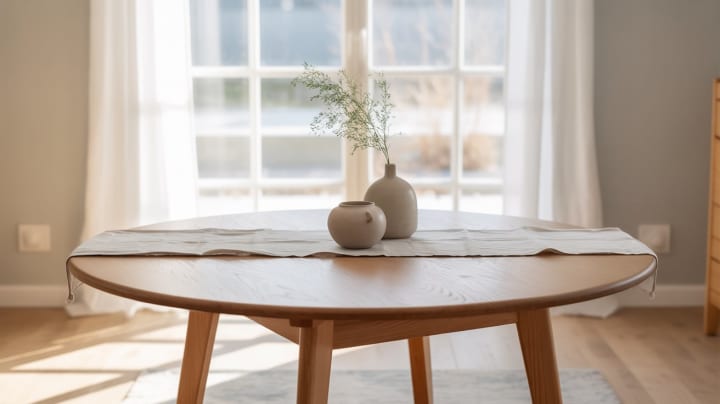
The placement of a plank table within a Scandinavian home reveals much about Nordic design sensibilities. Unlike cultures that relegate dining tables to separate formal rooms, Scandinavian homes often position these substantial wooden pieces in open-concept spaces where they serve multiple functions throughout the day. A Danish family might gather around their oak plank table for morning coffee, children's homework sessions, afternoon crafts, and evening meals—all within the same light-filled space. This multifunctional approach reflects the practical mindset that characterizes Nordic interior design.
Plank tables create compelling visual counterpoints to the typical Scandinavian palette. Against white walls, pale floors, and minimalist furnishings, the rich textures and warm tones of wooden tabletops provide necessary visual weight and tactile interest. The natural imperfections found in plank surfaces—knots, grain variations, and subtle color shifts—introduce organic elements that soften otherwise clean-lined spaces.
Scale plays a crucial role in the successful integration of plank tables into Nordic interiors. The substantial proportions of these wooden tables demand thoughtful spatial planning. Norwegian architects frequently design dining areas around the table rather than fitting tables into predetermined spaces. This priority reflects the cultural importance of communal dining in Scandinavian societies. The substantial nature of plank tables anchors living spaces without overwhelming them, particularly when paired with visually lightweight seating options.
Light interaction remains a primary consideration when placing plank tables in Scandinavian homes. The region's limited winter daylight makes maximizing natural illumination essential. Wooden surfaces capture and reflect the low-angled northern light, bringing warmth to interiors during dark months. Finnish homes often position plank tables near windows where changing daylight conditions highlight different aspects of the wood's character throughout the day. During summer's extended daylight hours, these same tables take on a golden glow that enhances the indoor-outdoor connection so valued in Nordic design.
Contemporary interpretations and market trends
Modern Scandinavian designers continue evolving the plank table concept while honoring its fundamental characteristics. Recent years have witnessed exciting experimentations with form and function. Some makers now combine traditional wooden planks with industrial elements like steel frames or concrete bases, creating hybrid pieces that bridge rustic and urban sensibilities. Others focus on extreme minimalism, reducing the table to its most essential elements through careful engineering and joinery.
The growing environmental consciousness across Scandinavia has significantly influenced plank table production. Reclaimed timber has gained tremendous popularity, with workshops salvaging wood from demolished barns, factories, and waterfront structures. These materials bring built-in history and character impossible to replicate in new lumber. The weathered patinas and marks of previous use tell stories that resonate with consumers seeking authentic connections to the past. Salvaged wood also addresses sustainability concerns by extending material lifecycles and reducing demand for fresh-cut timber.
Small-batch production remains the norm for high-quality Scandinavian plank tables despite increased global demand. Many Nordic workshops deliberately maintain limited output volumes to ensure proper material selection and craftsmanship standards. This approach stands in deliberate contrast to mass-market furniture production. The resulting tables command premium prices but deliver exceptional quality and uniqueness. Each piece reflects specific material characteristics and maker decisions rather than standardized specifications.
Social media has dramatically expanded awareness of traditional Scandinavian plank tables beyond Nordic countries. Instagram accounts showcasing rustic Danish dining settings or Swedish summer homes have inspired international audiences to seek similar pieces for their own spaces. This expanded market has created opportunities for regional workshops to reach global customers while maintaining local production methods. The distinctive character of Nordic plank tables translates well across cultural boundaries, appealing to diverse audiences who share appreciation for natural materials and straightforward design. Many workshops now ship worldwide, bringing Scandinavian craftsmanship to dining rooms from Tokyo to Toronto.
The enduring appeal of Scandinavian plank tables
Plank tables embody core principles of Scandinavian design through their honest expression of natural materials and practical functionality. Their continuing popularity stems from more than visual appeal—these substantial wooden surfaces connect modern homes to craft traditions that stretch back generations. In fast-paced digital environments, the solid presence of a handcrafted wooden table provides physical and psychological grounding. The marks of hand tools, visible grain patterns, and natural imperfections offer tactile experiences increasingly rare in contemporary life.
The versatility of plank tables ensures their ongoing relevance in Nordic interiors. From compact urban apartments to spacious country homes, these pieces adapt to diverse settings while maintaining their distinctive character. Their ability to age gracefully—developing patinas that reflect years of use—aligns perfectly with Scandinavian values of quality and longevity.
As Scandinavian design continues evolving, plank tables remain anchoring elements that bridge traditional craftsmanship with contemporary living. Their straightforward construction and emphasis on material quality represent Nordic design at its most authentic—beautiful through purpose rather than unnecessary ornamentation. The plank table stands as both literal and symbolic heart of the Scandinavian home, a gathering place where daily life unfolds against a backdrop of natural beauty and skilled craftsmanship.
About the Creator
Keep reading
More stories from Sommersang and writers in Lifehack and other communities.
Wooden dining tables
Wood has remained a fundamental material in furniture making throughout history, with dining tables holding special importance in home spaces. The wooden dining table functions beyond a mere surface for meals; it establishes a central element that shapes the entire feeling of dining areas and living spaces. From deep mahogany to pale oak, the diverse tones and distinctive grains found in wooden tables create countless design possibilities that work with many interior styles. When matched with modern chairs for material contrast or surrounded by coordinating wooden seats for harmony, these tables introduce warmth, personality, and natural components into contemporary homes while linking spaces to craftsman traditions and family mealtimes.
By Sommersang8 months ago in Lifehack


Comments