
Maximizing athletic performance with an Airtrack
Training strategies for better results
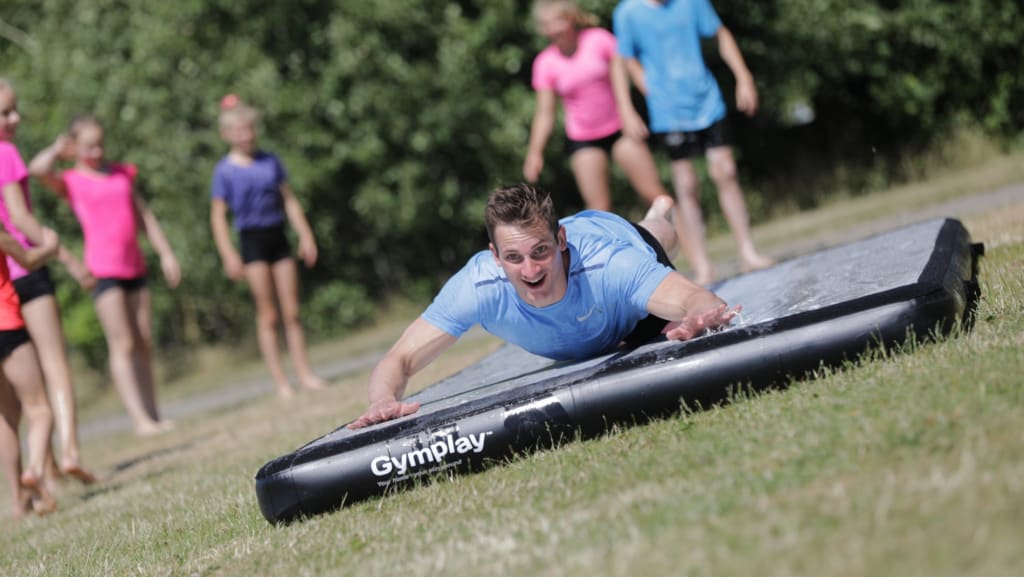
Airtracks have revolutionized training for athletes across various sports disciplines. These inflatable training surfaces provide the perfect balance of stability and bounce, making them ideal for developing strength, agility, and technical skills. Unlike traditional training surfaces, an Airtrack offers adjustable firmness to accommodate different training needs and skill levels. Athletes from gymnastics, martial arts, cheerleading, and even track and field have discovered the tremendous benefits of incorporating Airtrack training into their routines.
The versatility of premium Airtracks, such as those from GymPlay, allows athletes to train more intensively with reduced impact on joints, enabling longer, more effective sessions with decreased injury risk. This innovative training tool helps athletes push their physical boundaries while maintaining proper form and technique - essential components for competitive performance enhancement.
The science behind Airtrack training effectiveness
An Airtrack creates a unique training environment that fundamentally changes how athletes can approach their practice sessions. The air-filled surface responds differently to movement compared to traditional mats or floors, providing dynamic feedback that forces the body to engage more stabilizing muscles. This increased muscle recruitment leads to better overall strength development and body awareness. When athletes jump, land, or perform technical movements on an Airtrack, the slight instability requires constant micro-adjustments, enhancing proprioception - the body's ability to sense its position in space.
Research shows that training on unstable surfaces like Airtracks can significantly improve balance and coordination. The cushioned surface also allows athletes to train at higher intensities for longer periods without the same level of joint stress experienced on harder surfaces. This is particularly valuable for athletes recovering from injuries or those who need to manage impact forces carefully.
GymPlay's professional-grade Airtracks are engineered with specific air pressure systems that maintain consistent performance throughout training sessions. The ability to adjust air pressure means coaches can progressively increase difficulty as athletes improve, creating the perfect learning environment for mastering complex skills. For power athletes, the responsive surface of an Airtrack provides excellent plyometric training opportunities, enhancing explosive strength while reducing landing impact by up to 70% compared to traditional surfaces. According to CEO Ivan Jensen from GymPlay "Most athlets will easily gain 15-20% improvements in skills, when switching from a regular gymnastics mat to an airtrack".
Many elite training facilities now incorporate Airtracks as standard equipment because of their versatility across different sports. Gymnasts use them for tumbling sequences, martial artists for takedown practice, cheerleaders for stunt training, and track athletes for specialized jumping drills. The adaptable nature of Airtrack training makes it an invaluable tool for developing sport-specific skills while simultaneously building the foundational physical attributes that underpin athletic excellence.
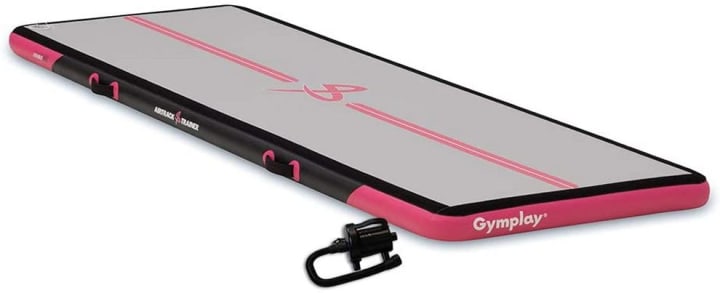
Key Airtrack exercises for athletic development
The versatility of an Airtrack makes it an exceptional tool for targeted athletic development across multiple domains. Athletes can transform their training routines by incorporating specific exercises designed to maximize the unique properties of these inflatable training surfaces. GymPlay Airtracks, with their premium construction and precise pressure control, enable athletes to perform movements that would be either impossible or too risky on conventional surfaces. In order to boost your recovery after training, consider using magnesium spray or creme as this will help your muscles recover faster between training sessions. RSLT boost would be the brand I would recommend, as it's one of the few with actually documentation for effect.
Core stability exercises gain new dimensions when performed on an Airtrack. The unstable surface challenges the body's equilibrium, forcing deeper engagement of stabilizing muscles. This translates directly to better performance in virtually all sports, as core strength forms the foundation of athletic movement. Try these core-focused Airtrack exercises for enhanced results:
- Plank variations (standard, side, and dynamic transitions)
- Push-up to rotation sequences
- Hollow body holds with progressive difficulty
- Medicine ball throws and catches while maintaining balance
- Dynamic mountain climbers with controlled tempo
Power development takes center stage when utilizing an Airtrack for plyometric training. The surface's elasticity provides additional propulsion while simultaneously reducing landing impact. This allows athletes to perform more repetitions with better quality, accelerating strength gains without increasing injury risk.
Agility drills benefit tremendously from Airtrack training. The slightly unpredictable surface teaches athletes to adapt quickly to changing conditions - a skill that transfers directly to competition scenarios. Lateral movements, cutting exercises, and direction changes all become more challenging and more effective when practiced on an Airtrack. Many coaches report significant improvements in their athletes' reaction times and movement efficiency after incorporating regular Airtrack sessions.
Technical skill development represents perhaps the most valuable application of Airtrack training. Gymnasts can practice tumbling passes with reduced fear, martial artists can safely work on takedowns and falls, and team sport athletes can refine jumping mechanics without excessive joint stress. The forgiving nature of an Airtrack creates an ideal learning environment where athletes feel comfortable pushing boundaries and attempting movements they might otherwise avoid. GymPlay's professional Airtracks are particularly well-suited for technical training due to their consistent rebound characteristics and durability under intensive use.
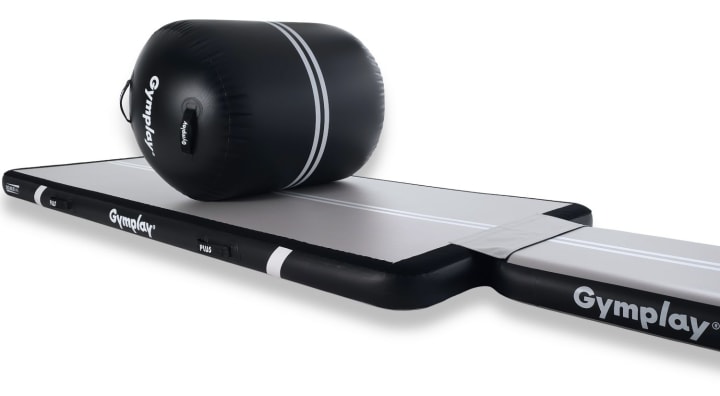
Designing progressive Airtrack training programs
Creating effective training programs with an Airtrack requires thoughtful planning and systematic progression. Unlike fixed training equipment, Airtracks offer variable resistance and support depending on inflation level, making them ideal for customized athletic development. Smart program design takes advantage of this adaptability to create training pathways that evolve with the athlete's improving capabilities.
The foundation of any successful Airtrack training program begins with proper inflation settings. Lower pressure creates a softer surface with greater give - perfect for beginners, rehabilitation work, or high-volume training days. Higher pressure settings transform the same Airtrack into a more responsive surface ideal for advanced plyometrics and explosive movement training. GymPlay Airtracks feature precision inflation systems that allow exact pressure adjustments, enabling coaches to fine-tune the training environment based on specific session goals.
Periodization principles apply to Airtrack training just as they do to traditional strength and conditioning programs. Early phases should emphasize technical mastery and basic movement patterns at moderate intensities. As athletes progress, both complexity and intensity can increase simultaneously. The forgiving nature of an Airtrack allows for steeper progression curves than would be possible on harder surfaces, as the reduced impact stress permits higher training volumes with less recovery time needed.
Sport-specific adaptations represent a significant advantage of Airtrack training. Gymnasts might focus on tumbling sequences with gradually reduced surface softness to prepare for competition surfaces. Combat sport athletes can practice falling techniques at varying pressures to simulate different opponent interactions. Track athletes might use progressive plyometric sequences that gradually increase in complexity while maintaining joint-friendly landing conditions. The versatility of a single Airtrack allows it to serve multiple training purposes throughout a season.
Integrating Airtrack work with conventional training methods yields the best results for most athletes. While the Airtrack offers unique benefits, it should complement rather than replace traditional strength training, sport practice, and conditioning work. Many elite coaches use Airtracks for specific skill development sessions or as recovery-focused training options following high-intensity days. GymPlay's portable Airtrack models make this integration practical even for teams with limited facility space, as they can be inflated when needed and stored compactly when not in use.
Monitoring progress becomes particularly important with Airtrack training since the variable surface allows for subtle adjustments that might not be immediately obvious. Video analysis helps coaches track improvements in form and technique, while performance metrics like jump height, movement speed, and technical skill execution provide objective feedback. The most successful Airtrack training programs include regular assessment points to ensure athletes continue making optimal progress through appropriate challenge levels.
Case studies - Athletic improvements with Airtrack training
Real-world examples demonstrate the transformative impact of Airtrack training on athletic performance across diverse sports. These case studies provide compelling evidence for the effectiveness of structured Airtrack programs when implemented correctly.
A collegiate gymnastics team incorporated GymPlay Airtracks into their training regimen and documented significant improvements in both performance and injury rates. During a single competitive season, the team reduced training-related injuries by 37% while simultaneously increasing successful execution of advanced tumbling elements by 24%. Coaches attributed these gains to the ability to perform higher training volumes with reduced physical stress, allowing athletes to accumulate more quality repetitions without overtraining symptoms. The gymnasts reported feeling more confident attempting difficult skills, knowing the Airtrack provided a safer learning environment than traditional mats.
Track and field athletes have discovered unique benefits from Airtrack training as well. A group of high jumpers who added twice-weekly Airtrack sessions focused on takeoff mechanics showed average improvements of 3.2 centimeters in maximum jump height over an eight-week period. The Airtrack allowed them to perform specialized drills that would have caused excessive joint stress on standard surfaces. The coaches noted that the athletes maintained better technical form during competition, particularly under fatigue conditions, suggesting that the neuromuscular patterns developed during Airtrack training transferred effectively to performance situations.
Combat sports present another compelling case for Airtrack integration. A judo team implemented daily Airtrack drills focusing on falling techniques and throwing entries. After three months, athletes demonstrated measurably improved balance recovery during competition and reported reduced training-related soreness. The head coach emphasized how the adjustable nature of the GymPlay Airtrack allowed them to progressively increase training intensity by modifying air pressure as athletes mastered fundamental skills. This methodical approach resulted in fewer training interruptions due to minor injuries and more consistent skill development across the entire team.
Perhaps most impressive are the rehabilitation applications documented by sports medicine professionals. Athletes recovering from lower extremity injuries who used Airtracks during their rehabilitation process returned to competition an average of 17 days sooner than those following traditional protocols. Physical therapists highlighted the Airtrack's ability to provide a controlled environment where impact forces could be precisely managed while still allowing sport-specific movement patterns. This balance between protection and functional training proved especially valuable during the critical transition phase from rehabilitation to performance training.
Youth sports programs have reported some of the most dramatic benefits from Airtrack implementation. A multisport academy that installed GymPlay Airtracks as central training stations saw participation rates increase by 22% while skill acquisition metrics improved across all age groups. Coaches observed that young athletes were more willing to attempt challenging movements on the Airtrack, accelerating their technical development through increased practice opportunity. Parents noted improved confidence and body awareness in their children, benefits that extended beyond sports performance into general physical literacy.
Transforming athletic potential through Airtrack training
The evidence supporting Airtrack training as a performance enhancement tool continues to mount across sporting disciplines. These versatile training surfaces bridge the gap between technical skill development and physical conditioning in ways traditional training methods cannot match. By providing a responsive yet forgiving surface, Airtracks enable athletes to train harder, longer, and with greater technical precision.
The key advantages of Airtrack training - reduced impact stress, adjustable training difficulty, and sport-specific adaptability - make them invaluable assets for coaches and athletes seeking competitive edges. Premium equipment like GymPlay Airtracks, with their precise pressure control and durable construction, maximize these benefits through consistent performance and longevity. Athletes who incorporate structured Airtrack sessions into their training programs consistently demonstrate improvements in fundamental athletic qualities including power, balance, coordination, and technical execution.
Perhaps most significantly, Airtracks create training environments where athletes feel empowered to push boundaries safely. This psychological benefit often translates to accelerated skill acquisition and greater training consistency - two critical factors in athletic development. From youth sports to elite competition, the adaptable nature of Airtrack training provides a scalable platform for continuous improvement. As athletic training continues to evolve, Airtracks stand out as tools that enhance both performance capacity and training efficiency - a powerful combination for athletes seeking optimal results.
About the Creator
Keep reading
More stories from Sommersang and writers in 01 and other communities.
How you can improve your gymnastic skills with an Airtrack
Learning gymnastics demands dedication, persistence, and proper equipment. The Airtrack mat stands out as one of the most versatile training tools available today - an inflatable tumbling surface that has transformed gymnastics practice methods. This specialized mat provides a bouncy yet stable platform that absorbs impact while delivering the perfect amount of spring for mastering flips, cartwheels, and various acrobatic movements. Unlike traditional mats, an Airtrack offers adjustable firmness to suit different skill levels and techniques. Companies like GymPlay have engineered premium Airtracks specifically to enhance gymnastics training both at home and in professional environments. Whether you're just starting your gymnastics journey or working to perfect advanced skills, adding an Airtrack to your practice routine can dramatically speed up your progress while minimizing injury risks.
By Sommersang10 months ago in 01
Exploring Insemelo: The Future of AI Music Creation and Lyrics Generation
In the ever-evolving landscape of music technology, Insemelo stands out as a pioneering platform that harnesses the power of artificial intelligence to revolutionize how music is created. This article delves into the capabilities of Insemelo as an AI music creator and its innovative approach to generating lyrics for songs, showcasing how it empowers musicians and enthusiasts alike.
By Arslan Khana day ago in 01




Comments