
Why Most Articles Are Falling Short Online: Unveiling the Key Reasons for Content Failure in the Digital Age
From Clickbait to Clutter: How to Rise Above the Noise With Real Value


Introduction
Creating content that works is harder than ever. Every day, thousands of articles get published, but only a few get noticed. Your online presence can be significantly impacted by the quality of your content. Yet, many websites invest time and money into articles that don’t bring traffic, engagement, or sales. Knowing why most articles flop is the first step toward creating content that truly connects with readers. When you understand what goes wrong, you can turn your writing into a powerful tool that delivers results.
The Disconnect Between Content and Audience Needs
Understanding Audience Intent and Search Behavior
Many articles fail to align with the actual search needs of people. When someone searches, they want quick answers or solutions, not generic information. Google Trends and Search Engine Journal show that over 70% of search traffic depends on understanding what users really want. If your content doesn’t match search intent, it’s like trying to sell ice in winter—frustrating and ineffective.
Creating Content That Addresses Pain Points
What is the secret to creating successful content? Solve specific problems. Generic articles tend to get ignored. For example, a blog on “healthy eating” is broad. But an article titled “5 Easy Vegan Recipes for Busy Weeknights” targets a real pain point. That focus attracts people actively searching for a solution. Take a look at niche blogs that are successful—they provide specialized advice that addresses specific issues.
Failing to Personalize Content for Target Readers
One size doesn’t fit all. Many articles fail because they speak to everyone but reach no one. Personalization helps your message resonate. You can create content that resonates with your audience by segmenting it based on factors like age, location, or interests. For example, a fitness brand might tailor content for beginners versus advanced athletes. It boosts engagement and builds trust.
Ineffective SEO Strategies and Poor Optimization
Neglecting Keyword Research and Trends
If you neglect your research, your content will remain unnoticed. Keyword research tools like SEMrush, Ahrefs, or Google Keyword Planner reveal what people search for. High-volume, relevant keywords with clear search intent are essential for achieving higher ranking. Ignoring this step is akin to aiming blindly—the majority of people will miss their target.
Overlooking On-Page SEO Elements
On-page SEO isn’t just about stuffing keywords. It involves crafting compelling meta titles, descriptions, headers, and internal links. Optimizing images with alt tags boosts your visibility. Even if your content is good, neglecting these details can bury it in search results. A well-optimized article can significantly impact your ranking from page one to page ten.
Ignoring Content Freshness and Algorithm Updates
Search engines love fresh, updated content. Outdated articles—especially in fast-changing niches—lose rank fast. Regular audits and updates keep your content relevant. Also, algorithms like Google’s change often, and staying current helps maintain your rankings. A static article today could be tomorrow’s lost opportunity.
Lack of Originality and Value in Content
Duplicating Content from Competitors
Copying what others do is a quick way to get ignored. Thin, plagiarized content hurts your credibility and SEO. Google penalizes duplicate material. Instead, focus on creating original, well-researched articles. Unique perspectives or data give your site a competitive edge and encourage backlinks—boosting your authority.
Producing Evergreen, High-Value Content
Evergreen content remains relevant long after it’s published. Think comprehensive guides, how-to tutorials, and detailed problem solvers. Use real-world data, expert quotes, images, and videos. Such content attracts backlinks and shares, bringing consistent traffic over time.
Failing to Differentiate the Brand Voice
Your voice is your signature. When articles sound the same as everyone else’s, they blend into the background. Develop a distinct tone and perspective. Whether it’s humorous, serious, or straightforward, a recognizable voice builds brand loyalty and makes your content memorable.
Poor Content Promotion and Distribution
Overreliance on Organic Search Alone
Organic search is vital, but it’s not enough. Many sites place their entire trust in Google. You need to share content across multiple channels: social media, email, and influencer partnerships. This multi-channel approach reaches wider audiences and increases chances of sharing.
Underutilizing Social Media Platforms
Which platforms does your audience use most? Facebook, TikTok, Instagram, LinkedIn? Create platform-specific content that encourages sharing. Short videos, engaging images, or quick tips can explode your reach and bring more visitors to your site.
Ignoring Content Repurposing and Outreach
Don't allow your content to languish after its initial publication. Repurpose articles into videos, infographics, or podcasts. Reach out to influencers, journalists, and industry figures. Developing relationships creates opportunities for backlinks, guest posting, and organic promotion.
Insufficient Engagement and User Interaction
Failing to Encourage Comments and Feedback
Active community engagement boosts visibility and trust. Ask questions, invite comments, and create polls. When readers feel involved, they stay longer and share your content. User-generated content also adds fresh perspectives and social proof.
Lack of Interactive Elements
Interactive tools like quizzes, polls, and videos make your content fun and useful. These elements increase user time on your site and encourage sharing. For example, a health article with a calorie calculator or a quiz about fitness knowledge can significantly boost engagement.
Ignoring Analytics and User Data
Data reveals what works and what doesn’t. Use tools like Google Analytics to track user behavior. Adjust your content based on what visitors do—are they bouncing? Which topics get the most traffic? Listening to data helps you improve continuously and avoid wasting effort.
Conclusion
Most articles fail online because they miss the basics—knowing the audience, optimizing for search engines, offering original value, and promoting effectively. Content should focus on solving real problems, speaking directly to your target readers, and adapting over time. Make it a priority to create content that is useful, fresh, and easy to find. Regularly review your strategy, learn from data, and keep your content aligned with what your audience needs. That’s how you turn average articles into powerful tools that grow your online presence.
🙌 If you enjoyed this story, don’t forget to follow my Vocal profile for more fresh and honest content every day. Your support means the world!
About the Creator
vijay sam
🚀 Sharing proven affiliate marketing tips, smartlink strategies, and traffic hacks that convert. Follow for insights, tools, and real results to help you earn smarter—whether you're just starting or scaling up!
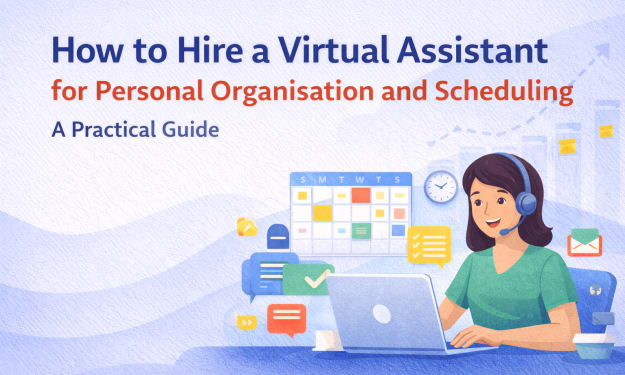
How to Hire a Virtual Assistant for Personal Organisation and Scheduling
If your calendar feels like a battlefield back-to-back meetings, personal errands, rescheduling, missed reminders you’re not alone. In 2025–2026, more professionals and founders are hiring a virtual assistant (VA) not for “extra help,” but to build a system that keeps life and work running smoothly.
By Michael Coplin5 days ago in Writers


Comments
There are no comments for this story
Be the first to respond and start the conversation.