
What is the difference between 'Endpoint Security System' (EPS) and 'Endpoint Detection Response' (EDR)?
What is the difference between 'Endpoint Security System' (EPS) and 'Endpoint Detection Response' (EDR).
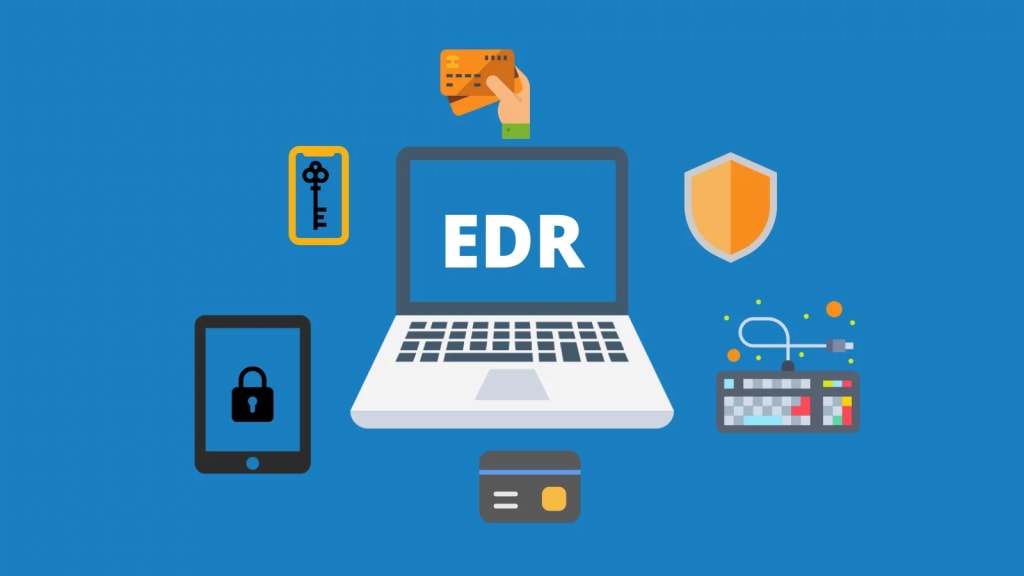
In today’s rapidly evolving cyber threat landscape, businesses must prioritize comprehensive protection for every device connected to their networks. This has led to widespread implementation of solutions such as Endpoint Security Systems (EPS) and Endpoint Detection and Response (EDR). While both serve critical roles in defending endpoints such as desktops, laptops, mobile devices, and servers, they are not the same. Understanding their differences is key to designing an effective cybersecurity strategy.
This article explores what EPS and EDR are, their core functions, how they differ, and how they can work together to improve organizational security.
What is an Endpoint Security System (EPS)?
Endpoint Security System, sometimes referred to as endpoint protection platform (EPP), is a comprehensive solution designed to prevent threats from compromising endpoint devices. EPS is focused on proactive defense—it stops malware, ransomware, phishing, and other malicious attacks before they can impact the system.
Core Features of EPS:
Antivirus and Antimalware: Traditional virus definitions and heuristic analysis are used to detect and block known threats.
Firewall: Built-in host firewalls provide an additional layer of defense against unauthorized access.
Web Filtering: Prevents users from visiting known malicious or suspicious websites.
Application Control: Limits or blocks the use of unauthorized or risky applications.
Device Control: Restricts access to external devices like USBs, reducing the risk of data leakage or malware injection.
Patch Management: Ensures that endpoint software is up to date to prevent exploitation of known vulnerabilities.
Primary Objective:
EPS solutions are designed to prevent attacks before they occur. They rely heavily on signature-based detection, behavior analysis, and other static rules to stop known threats.
What is Endpoint Detection and Response (EDR)?
Endpoint Detection and Response (EDR) is a more advanced and reactive cybersecurity tool. It provides deep visibility into endpoint activities, enabling detection, investigation, and response to threats that have bypassed traditional defenses.
Core Features of EDR:
Continuous Monitoring: EDR continuously collects data on endpoint activities, including process execution, file access, network connections, and user behaviors.
Threat Detection: Uses machine learning, anomaly detection, and threat intelligence to identify suspicious or malicious behavior.
Incident Investigation: Security analysts can trace an attack’s origin, movement across systems, and impact, allowing for detailed forensic analysis.
Automated Response: Enables actions such as isolating a device, killing a process, or removing a file—either automatically or manually.
Data Retention: EDR tools store endpoint data for long periods to facilitate historical analysis and threat hunting.
Primary Objective:
EDR is designed to detect, investigate, and respond to threats that have already penetrated endpoint defenses.
Key Differences Between EPS and EDR
Let’s break down the major differences between EPS and EDR across several critical aspects:
Aspect Endpoint Security System (EPS) Endpoint Detection and Response (EDR)
Purpose Prevent attacks from occurring Detect and respond to attacks post-breach
Approach Proactive Reactive and proactive
Threat Handling Blocks known threats using signature-based and rule-based detection Identifies and investigates unknown or stealthy threats
Visibility Limited visibility into endpoint behavior Deep visibility with real-time monitoring and logging
Automation Focuses on preventing threats automatically Automates detection and response workflows
User Interaction Minimal involvement needed Often requires security analyst intervention
Data Collection Basic logging Continuous, detailed telemetry data
Deployment Complexity Typically easier to deploy and manage More complex, requires integration with SIEM/SOC tools
Forensics and Analysis Not designed for forensic capabilities Robust forensic investigation tools included
Complementary Roles in Cybersecurity
While EPS and EDR differ significantly in function and focus, they are not mutually exclusive. In fact, the best endpoint protection strategies often involve deploying both systems.
EPS acts as the first line of defense, blocking a wide range of known threats and enforcing baseline security policies.
EDR provides deep insight and response capabilities that can uncover stealthy or novel threats that bypass the initial defense.
Think of EPS as the security guard at the gate, checking IDs and preventing known bad actors from entering, while EDR is the surveillance and response team inside the building, looking for signs of suspicious behavior that slipped past the gate.
In modern security frameworks like Zero Trust Architecture, where every access attempt is treated as potentially malicious, combining EPS with EDR is increasingly seen as essential.
EPS vs EDR vs XDR: A Brief Note
Another term that often enters this conversation is XDR (Extended Detection and Response). XDR takes the principles of EDR and expands them beyond endpoints to include:
Network traffic
Email systems
Cloud workloads
Servers and applications
While EPS is focused on prevention, and EDR on detection and response for endpoints, XDR provides a holistic, cross-layered view of threats across an organization’s entire IT environment.
Use Cases: When to Use EPS, EDR, or Both
Scenario 1: Small Business with Basic Security Needs
A small business may opt for EPS only due to budget constraints. This provides basic protection against common threats like malware and phishing.
Scenario 2: Mid-sized Organization Handling Sensitive Data
A company handling customer financial data or personal information might deploy both EPS and EDR. EPS prevents known threats, while EDR ensures that advanced threats are quickly detected and contained.
Scenario 3: Enterprise with a Security Operations Center (SOC)
A large enterprise likely already uses an EPS and integrates EDR with its SIEM and SOC for comprehensive threat detection, incident response, and compliance monitoring.
Conclusion
In summary, Endpoint Security Systems (EPS) and Endpoint Detection and Response (EDR) serve distinct but complementary roles in cybersecurity:
EPS is the preventive shield—simple, effective, and critical for day-to-day protection.
EDR is the investigative toolset—vital for uncovering sophisticated attacks and providing forensic insights.
In an era where cyberattacks are more complex, stealthy, and damaging than ever before, relying solely on prevention (EPS) is not sufficient. Organizations need both proactive defenses and reactive detection and response. A layered security strategy that incorporates EPS, EDR, and potentially even XDR ensures better protection, quicker remediation, and ultimately, less business disruption.
By understanding the differences and applications of these tools, organizations can make informed decisions to secure their digital infrastructure and stay ahead of ever-evolving threats.
About the Creator
Raising Kids Is Like Maintaining a Battery: Finding the Right Charge for Growth
Raising children is a lot like maintaining a battery — they need the right balance of energy, discipline, love, and guidance to function at their best. Too much positive charge, and they overheat, becoming overwhelmed or overstimulated. Too much negative charge, and they feel drained, unmotivated, or disconnected. As parents, our role is to keep their battery charged just right so they can grow into resilient, confident individuals.
By Elizabeth Healy40 minutes ago in Writers




Comments
There are no comments for this story
Be the first to respond and start the conversation.