
What is Content Marketing, and How Can It Help My Business Grow?
Unlocking Growth: How Strategic Content Can Elevate Your Business

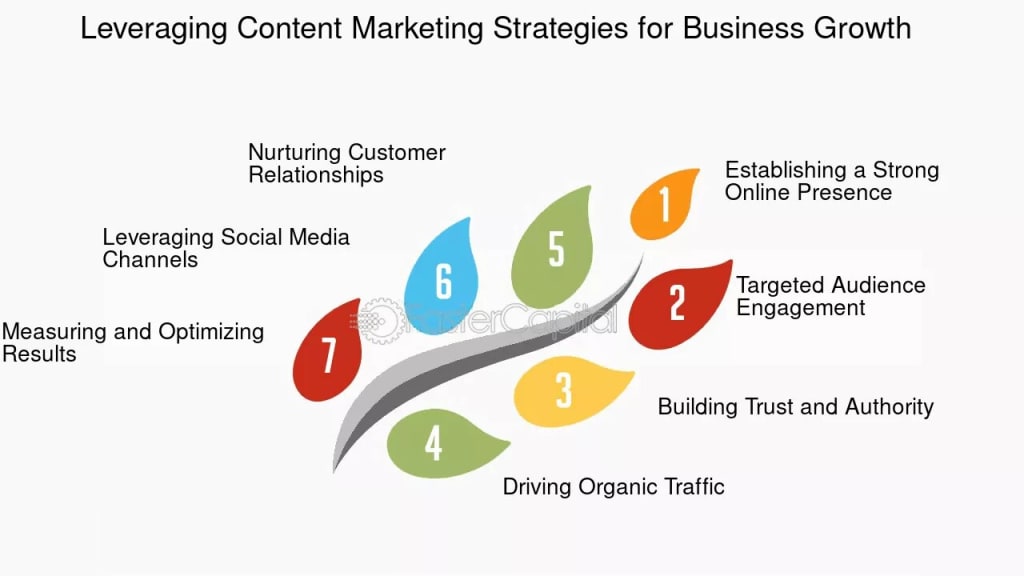
Content marketing is a strategic marketing approach focused on creating and distributing valuable, relevant, and consistent content to attract and retain a clearly-defined audience — and, ultimately, to drive profitable customer action. Unlike traditional marketing, which often involves direct sales, content marketing works by offering valuable information to potential customers, thus building brand trust and establishing the business as a thought leader in its industry. Here’s how content marketing can be a pivotal part of growing your business:
1. Builds Brand Awareness and Recognition
Content marketing increases visibility for your brand. By consistently posting high-quality content, whether through blogs, videos, or social media, you can keep your business in the minds of consumers. Over time, this leads to greater brand recognition. As people become more familiar with your brand, they're more likely to remember your products or services when they need them.
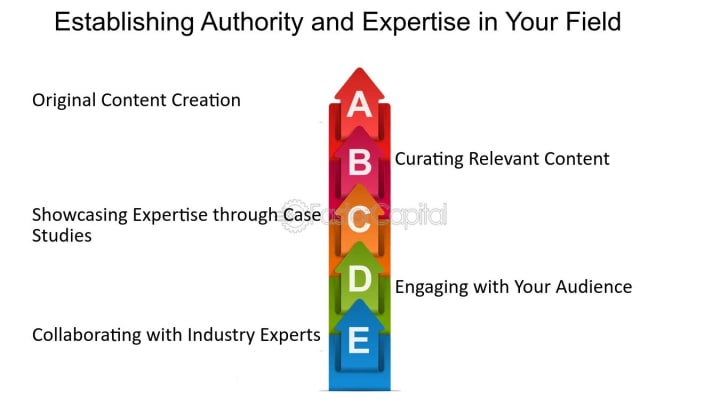
2. Establishes Authority and Expertise
Providing expert content helps establish your business as an authority in your field. This is particularly important for B2B businesses, where purchases can be significant and require trust in the provider’s knowledge. When potential customers find answers to their questions and solutions to their problems through your content, your brand becomes associated with expertise.
3. Enhances Online Presence and SEO
Search engines reward businesses that publish fresh, relevant content. Content marketing helps to improve your SEO efforts by enabling you to incorporate keywords that attract visitors to your site. More content means more form of your website being indexed in search engines, which improves organic search visibility and increases website traffic.
4. Generates Leads
Content marketing supports lead generation by offering users valuable information in exchange for their contact details. For example, you might offer a free download of a whitepaper or a case study in exchange for an email address. With a well-structured content marketing strategy, you can nurture these leads until they are ready to make a purchase.

5. Supports Other Digital Marketing Channels
Content is the fuel for your marketing techniques. It feeds into all other aspects of your digital marketing strategy. For instance, it provides content for social media, contributes to SEO by generating natural inbound links and builds up content for emails and newsletters.
6. Educates Your Customers
Content marketing helps to educate your customers and prospects about the products and services you offer. By educating your audience through quality content, you can influence buying behavior, and ensure that your customers make informed decisions. This education is not limited to just the point of purchase but extends throughout the customer journey.

7. Engages with Your Community
Content marketing enables businesses to engage with users in a conversational way. Through comments on social media or blogs, you can interact directly with your customers and build a community around your brand. This direct interaction helps to gather insights about your customers’ needs and preferences.
8. Increases Customer Loyalty
By continuously providing valuable content, you maintain a relationship with your customers beyond the purchase. High-quality, engaging content can create positive experiences for your customers and encourage them to return to your brand in the future.
9. Cost-Effective
Compared to traditional marketing tactics, content marketing costs less and generates more leads. According to DemandMetric, content marketing costs about 62% less than traditional marketing and generates approximately 3 times as many leads. For businesses on a budget, content marketing can be a particularly cost-effective way to bring in new leads and customers.
Implementing Content Marketing
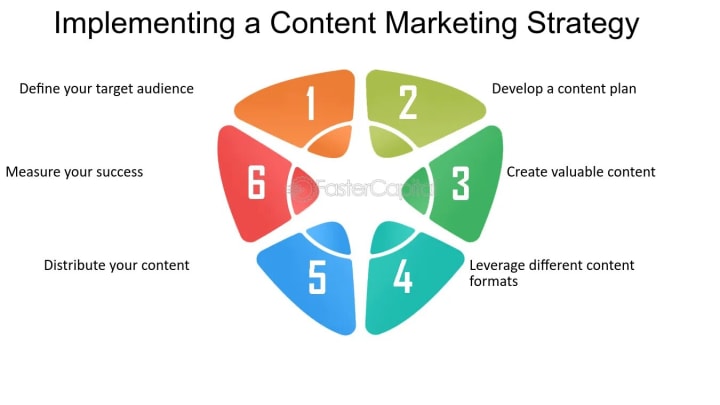
To start with content marketing, you should:
Identify Your Audience: Know who you’re creating content for and what their needs are.
Set Clear Objectives: Define what you want to achieve with your content strategy.
Choose the Right Formats: Decide on the types of content that will resonate most with your audience—be it blogs, videos, infographics, podcasts, etc.
Create a Content Calendar: Plan your content production and publication schedule.
Analyze and Optimize: Use tools to track the performance of your content and optimize based on what works best.
Conclusion
Content marketing is a long-term strategy that can significantly boost the growth of your business by building strong relationships with potential and existing customers. By providing content that is relevant and valuable, you not only improve your brand’s reputation but also enhance your customer’s interaction with your business. This strategy not only helps in retaining customers but also attracts new ones, thereby fostering business growth.
About the Creator
Hannah miller
I’m an author dedicated to weaving engaging narratives across a variety of genres to resonate with readers.
Keep reading
More stories from Hannah miller and writers in Writers and other communities.
How Long Does It Typically Take to Publish a Book Traditionally vs. Using Spines?
Publishing a book is a dream for many writers, but the path from manuscript to printed copy can vary significantly depending on the chosen method of publication. This article explores the timelines involved in traditional publishing and compares them to using modern self-publishing platforms, such as Spines.
By Hannah millerabout a year ago in Writers
How to Hire a Virtual Assistant for Personal Organisation and Scheduling
If your calendar feels like a battlefield back-to-back meetings, personal errands, rescheduling, missed reminders you’re not alone. In 2025–2026, more professionals and founders are hiring a virtual assistant (VA) not for “extra help,” but to build a system that keeps life and work running smoothly.
By Michael Coplin5 days ago in Writers




Comments
There are no comments for this story
Be the first to respond and start the conversation.