
Understanding EPAL Pallet Dimensions: A Comprehensive Guide for Efficient Logistics and Storage
This comprehensive guide delves into the specifics of EPAL pallet dimensions
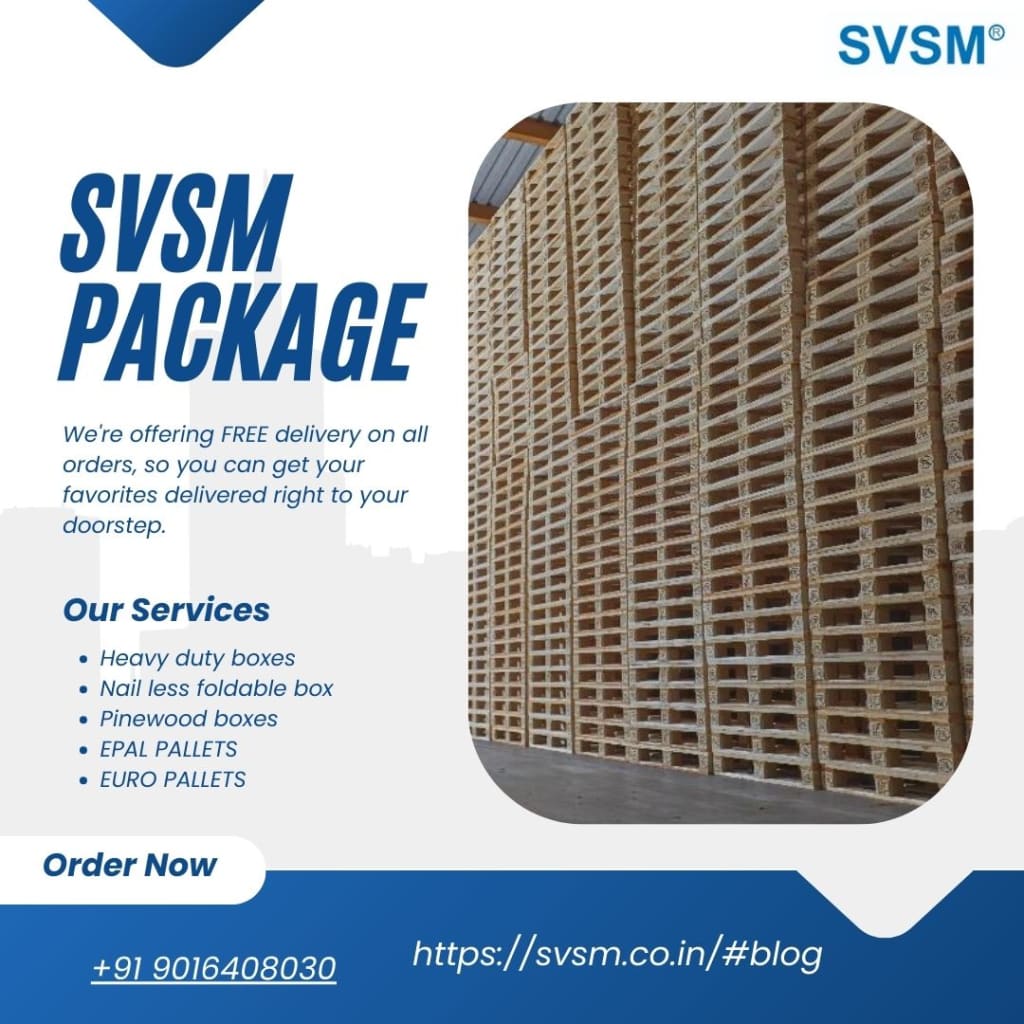
In the intricate world of logistics and storage, standardization plays a crucial role in ensuring seamless operations and maximizing efficiency. Among the various tools that have revolutionized the industry, EPAL pallets stand out for their uniform dimensions and robust construction. Understanding EPAL pallet dimensions is key to optimizing logistics processes and enhancing storage solutions. This comprehensive guide delves into the specifics of EPAL pallet dimensions and their significance in modern supply chains.
What Are EPAL Pallets?
EPAL pallets, standardized by the European Pallet Association (EPAL), are universally recognized for their consistent quality and dimensions. These pallets are designed to facilitate smooth handling, storage, and transportation of goods across different regions and industries. Their standardized nature ensures compatibility with various handling equipment and storage systems, making them a preferred choice for businesses aiming to streamline their logistics operations.
Standard Dimensions of EPAL Pallets
The most common EPAL pallet is the Euro pallet, which measures 1200mm x 800mm. This size has become the industry standard in Europe and many other parts of the world due to its versatility and efficiency. Here are some key specifications:
Length: 1200mm (47.2 inches)
Width: 800mm (31.5 inches)
Height: 144mm (5.7 inches)
Load Capacity: Up to 1500 kg (3300 lbs) in dynamic loads and up to 4000 kg (8800 lbs) in static loads
These dimensions are meticulously maintained to ensure uniformity across all EPAL pallets, enabling seamless stacking, loading, and transportation.
Benefits of Standardized Dimensions
Optimized Space Utilization: The consistent size of EPAL pallets allows for optimal use of space in warehouses, trucks, and containers. This standardization facilitates efficient stacking and maximizes storage capacity.
Compatibility with Handling Equipment: EPAL pallets are designed to be compatible with a wide range of forklifts, pallet jacks, and automated conveyor systems. This ensures smooth handling and reduces the risk of damage to goods during movement.
Streamlined Logistics: With standardized dimensions, EPAL pallets simplify the planning and execution of logistics operations. They ensure that goods can be easily transferred between different stages of the supply chain without compatibility issues.
Enhanced Durability and Safety: EPAL pallets are constructed to withstand heavy loads and harsh conditions. Their robust design reduces the risk of breakage and ensures the safe transport of goods, minimizing losses and enhancing overall safety.
Applications of EPAL Pallets
EPAL pallets are versatile and find applications across various industries, including:
Retail: For efficient stocking and transportation of merchandise
Manufacturing: To move raw materials and finished products seamlessly
Pharmaceuticals: Ensuring the safe and hygienic transport of medical supplies
Food and Beverage: Providing sturdy support for bulk goods and perishables
Sustainable and Eco-Friendly
In addition to their practical benefits, EPAL pallets are also an environmentally friendly choice. Made from sustainably sourced wood, these pallets are reusable, repairable, and recyclable. By choosing EPAL pallets, businesses can contribute to reducing their environmental footprint and promoting sustainable practices within their supply chains.
Conclusion
Understanding EPAL pallet dimensions is crucial for businesses looking to optimize their logistics and storage operations. The standardized size and robust construction of these pallets ensure compatibility, efficiency, and safety across various applications. By incorporating EPAL pallets into their supply chains, businesses can achieve greater operational efficiency, reduce costs, and support sustainability efforts. Embracing EPAL pallets is not just a step towards better logistics management, but also a commitment to quality and environmental responsibility in today's competitive marketplace.
#EPAL pallet dimensions
About the Creator
Keep reading
More stories from writers in Writers and other communities.
Barriers to NLP Adoption in Healthcare Organizations
Natural Language Processing (NLP) has the potential to unlock enormous value in healthcare from improving documentation quality to streamlining revenue cycle operations and strengthening data governance. Yet despite years of promise, NLP adoption across healthcare organizations remains uneven and slow.
By Lilly Scott4 days ago in Writers
Affection and Healing for Yourself
During the night of the last quarter moon, I gathered my ritual supplies. I carefully handled the chunk of black tourmaline that would protect me from your overall negative and narcissistic energy. I carefully walked the house with my stick of selenite in hand, asking the universe to cleanse our working space.
By Alisha Wilkins ✒️🦋🖋️5 days ago in Fiction
🅼🅸🅳🅽🅸🅶🅷🆃 🆂🅽🅰🅲🅺🆂
"It's 10 in Tuscon! We all know what that means... It's Time for Midnight Snacks with your man, Gerald Gee! Ready to spend the night together? Me too! I'm full of snacks and can't wait to regurgitate them all back into your hungry ears. Crack a brew! Pop some corn! Anything to get ready for one hell of a show where the talk maybe cheap but the words cut deep...
By Lamar Wiggins2 days ago in Fiction


Comments
There are no comments for this story
Be the first to respond and start the conversation.