
The Strength in My Silence
One story at a time, one truth at a time.

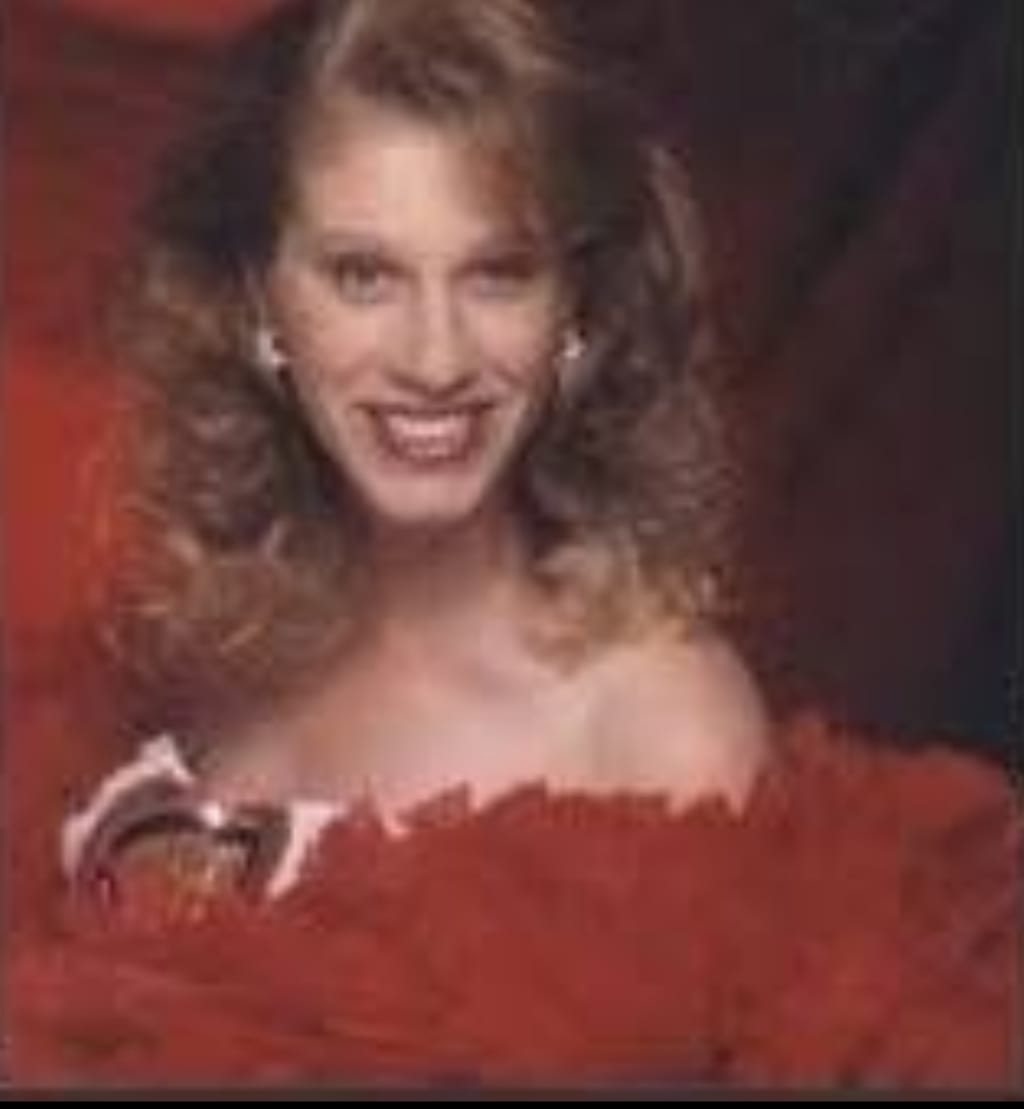
- [ ] Chapter 1: Two Worlds, One Heart
- [ ] I grew up living in two different worlds — my mom’s house and my dad’s house — and they couldn’t have been more opposite. My life was like a coin flip. One side, chaos and freedom. The other, structure and discipline. And as a child, it was confusing, exhausting, and sometimes heartbreaking to bounce between the two.
- [ ] My mom was warm. She had this energy that lit up a room. She loved loud, she laughed loud, and when she was hurting, she didn’t hide it well. She was affectionate — the type of woman who’d kiss your forehead ten times in one hug. She told me she loved me every single day, even on the days she wasn’t herself. Even when she was hurting. And she hurt a lot.
- [ ] Don’t get me wrong — my mom loved me with everything she had. And she showed it. Whether it was buying me my favorite snacks with the little money we had or holding me on the couch while watching her stories, her love never wavered. But the truth is… love isn’t always enough. Not when you’re battling your own demons.
- [ ] My mom was struggling with things I didn’t fully understand as a kid — addiction, pain from her past, and broken relationships. She partied a lot. She drank to escape. And sometimes, she disappeared into herself, leaving me to take care of my younger siblings or clean up after her mistakes.
- [ ] It wasn’t always bad. There were good days — days where she danced in the kitchen while cooking, where we laughed so hard our stomachs hurt, where she felt like my best friend. But those days were mixed with nights I’ll never forget. Nights where I laid awake while adults screamed. Nights where strangers were in the house. Nights where I watched my mom cry in silence, and I couldn’t do anything to help her.
I remember one night clearly. I was about five or six. She had just finished partying, and the house smelled like cigarettes, liquor, and perfume. She came into my room, sat on the edge of my bed, and looked me in the eyes with tears pouring down her cheeks.
“You’re my angel,” she said. “You’re the only reason I’m still here.”
And I believed her. Because even as a little girl, I carried that weight like it was mine.
When it was time to go to my dad’s house, I’d cry and beg her not to make me leave. Not because I was scared of my dad — never that — but because I was scared of what would happen when I wasn’t there to take care of her.
I’d plead, tears running down my face, “Mommy, please don’t make me go.” I thought if I left, she’d fall apart. I thought I had to stay to protect her, to watch over my siblings, to be the little adult I had already learned to be.
My dad’s house was safe. He loved us fiercely, but he didn’t play. There were rules, curfews, chores. Everything had a place. He didn’t yell unless it was serious, but he had a look that could freeze you in your tracks. You didn’t have to guess what he expected — you just knew. He was military in his parenting — sharp, structured, and always ten steps ahead.
I used to resent that as a kid. I thought he was being too hard. Too strict. Too serious. But now? I thank God for him. Because while my mom gave me emotional love, my dad gave me structure. He gave me safety. He taught me how to stand on my own.
He made sure I understood responsibility, respect, and hard work. He made sure I knew how to survive outside the comfort of my mom’s arms. He may not have been soft, but he was solid. And when everything around me felt unstable, he was the one person I could count on to show up exactly the same every single time.
Still, being pulled between those two worlds tore me up inside. I loved them both, but I always felt like I was leaving one behind. Like I was constantly having to choose which version of myself to be — the free-spirited caretaker at Mom’s or the responsible, disciplined daughter at Dad’s.
That emotional tug-of-war shaped me. It made me mature quickly. It made me observant, cautious, always on edge. I didn’t trust peace because I wasn’t used to it. I didn’t feel safe in chaos, but I didn’t know how to live without it either.
No matter where I was, I never truly felt like I belonged. I was always floating somewhere in between.
But even then — even with all the confusion, the pain, the blurred lines of love and dysfunction — I held on. I held on to hope. To resilience. To the tiny voice inside me that said, “You are more than this. You are not what happened to you.”
And that voice would carry me through a lot more than I ever imagined.
Chapter 2: The Weight of Secrets and Love
Eventually, I found out that my mom had HIV. That was a whole new layer of worry and fear for me, though it wasn’t the first secret I carried. My mom had three kids — two daughters and a son. I’m the oldest, my sister is the second, and my brother is the youngest.
My sister is just a year younger than me. We share the same birth month, just a few weeks apart, and that closeness in age made us kind of like twins in a way, even though we’re not identical. Growing up, we were each other’s anchors, especially when things got rough.
The weight of knowing my mom’s diagnosis added a different kind of fear. But she never let that stop her from showing us love. Even when she was sick or tired, she tried to be there for us in the way she could. But HIV came with stigma and secrecy, and that made it harder to ask for help or to talk about the real problems behind the smiles.
My mom’s illness was something that brought us closer and also pushed us apart. Sometimes it made her fragile, and sometimes it made her fight harder. We learned to walk on eggshells around her moods and health, always trying not to add to the burden she carried.
I watched her fight battles most kids don’t even know exist — with her body, with the disease, with society’s judgment. And through it all, she loved us fiercely. Maybe that’s why I never thought to blame her for the chaos. Because even when life was heavy, her love was loud and clear.
At my dad’s house, things were different but still complicated. My dad has four kids — two boys and two girls. The oldest is my oldest brother, then me, then my sister, and finally my little brother. The family structure was clear, but the feelings and relationships were layered.
Growing up in two families with different rules, different ways of showing love, was hard. But it also taught me about strength, loyalty, and the messy beauty of family.
Chapter 3: The Unspoken Pain
I was five years old when something happened that I didn’t even realize was wrong. I thought it was normal, just part of life. Because I didn’t know any better, I never told anyone.
That secret sat inside me like a shadow, growing heavier every year. It shaped how I saw the world and how I saw myself. It made it hard to trust, hard to be vulnerable. I learned to hide my pain because no one was asking, and I was scared of what might happen if I spoke up.
It took years before I could even begin to understand what had happened and even longer to find the courage to share it. The fear of judgment, the shame, the confusion — all of it made silence feel safer.
But silence didn’t heal me. It only made me feel more alone.
When I finally started to open up, it was one of the hardest things I ever did. But it was also the first step toward freedom. Because speaking my truth was the beginning of reclaiming my power.
I’m still on that journey, learning that my past doesn’t define my future. That my story, no matter how painful, can be a source of strength for me and maybe for others too.
Chapter 4: The Balancing Act
Being pulled between my mom’s world and my dad’s world was like walking a tightrope every day. At home with my mom, I was the protector, the caretaker, the one who tried to keep the family together when everything felt like it was falling apart.
At my dad’s house, I was the obedient daughter, the one who followed the rules, did her chores, and stayed out of trouble. The difference was stark, but both sides needed me to be strong.
My dad didn’t mess around. He was a man of rules and structure. He didn’t show love the same way my mom did, but he showed it through his consistency and discipline. He had four kids — my oldest brother, me, my sister, then my little brother — and he made sure we all knew our roles and responsibilities.
The balance wasn’t easy. I often felt like I was two different people. One part of me was wild, loud, and emotional. The other was quiet, cautious, and controlled.
Navigating those roles made me mature fast but also made me question who I really was beneath the expectations. It was exhausting to keep switching masks just to survive.
But I also learned lessons I carry today — lessons about resilience, responsibility, and the different ways people love.
Chapter 5: Carrying the Weight, Finding My Voice
By the time I reached my early teens, I was already carrying a load that most kids my age didn’t even know existed. I was the oldest daughter, the sister, the “little adult” in a house full of chaos and contradiction. I had learned early that life wasn’t always fair, and sometimes the people who were supposed to protect you were also the ones who hurt you most.
I remember sitting in my room one afternoon, feeling so small and powerless, wondering why I had to be the one to hold everything together. I was tired — tired of pretending I was okay when inside I was breaking, tired of being strong for everyone else but feeling completely alone.
The hardest thing was not just the physical weight of responsibility but the silence I kept around the darkest parts of my story. I was five years old when something happened that changed me forever. I didn’t know then that it was wrong — I thought it was just a confusing part of life, something normal because no one told me otherwise. So, I kept it a secret, burying the pain deep inside.
That secret shaped my teenage years. I struggled with trust, with boundaries, with feeling safe in my own skin. I felt like I was living two lives — the one I showed the world, full of smiles and jokes, and the one hidden beneath, full of shadows and questions. It wasn’t until much later that I started to find the words to speak my truth and begin the process of healing.
At school, I was the quiet girl who worked hard but never quite let anyone get close. I didn’t want anyone to see the chaos at home or the fear that lived inside me. Friends came and went, but I held my walls up tight. It was easier
Chapter 6: Growing Pains
School was supposed to be my escape. A place to learn, laugh, and maybe forget some of the mess at home — even if just for a little while. But growing up, school wasn’t just about classes and homework. It was where I learned about who I was, where I struggled to fit in, and where I started to see how different my life was compared to most kids.
At school, my classmates didn’t know about the chaos waiting for me at home. They didn’t know about the nights I spent awake, listening to shouting or crying. They just saw me as that quiet, responsible girl who sometimes got teased for being “too serious” or “too grown up.” I wasn’t exactly the “cool kid,” but I kept my head down and did what I had to do.
Making friends was hard. I was guarded, always worried that if I got too close, they’d see my mess and run. I learned early not to trust easily. But I also craved connection — the kind of connection that felt safe and real. Sometimes, I found it in the wrong places, following people who didn’t have my best interests at heart, just to feel like I belonged.
I remember a time when I was about eleven or twelve. There was a group at school that seemed fun — loud, confident, always pushing boundaries. I wanted to be part of it so badly, but I also knew it wasn’t where I truly belonged. My dad’s voice would ring in my head: “Respect yourself. Don’t let anyone make you less.” So I’d hang around the edges, watching, learning, but never fully diving in.
It was confusing, because at home, I was forced to grow up fast, taking care of younger siblings and managing responsibilities. At school, I just wanted to be a kid — to laugh without worrying about what was going to happen later, to daydream without feeling guilty.
The tension inside me grew, though. I started to feel like two different people — the kid at school and the caretaker at home — and I wasn’t sure how to make those two fit together. It was like trying to hold water in my hands: the more I squeezed, the more it slipped away.
Teachers noticed, sometimes asking if everything was okay. I would nod and say yes, because how could I explain the complicated mess of my life? How could I let anyone know that the safe, quiet girl in class was also carrying a weight too heavy for her small shoulders?
Looking back, I realize those years shaped how I handle pain and stress today. I learned to hide my struggles, to be strong even when I felt like breaking. But I also learned resilience — that no matter how hard things got, I had the strength to keep going.
Still, even in those hard moments, there were sparks of hope. There were teachers who saw me, who encouraged me. Friends who didn’t judge me. Moments when laughter came easy, and life felt lighter.
Growing up wasn’t easy. It was messy and painful and beautiful all at once. And I was learning, day by day, to navigate that messy journey.
The hardest part was feeling responsible for things no child should have to carry. I was the middle of a storm — the eye that had to stay calm while everything around me was crashing. Even when I was just a little girl, I knew that if I didn’t step up, if I didn’t hold it all together, everything could fall apart.
Sometimes, I felt invisible. Like my own needs didn’t matter because there were bigger fires to put out. I learned early that crying was dangerous — it meant weakness. So I bottled everything inside, folding my fears, my sadness, and my hopes into a small box hidden deep in my chest.
When I think back now, I realize how much I gave up just to survive. I gave up a carefree childhood, endless play, and the simple joy of being a kid. Instead, I became the watcher, the protector, the quiet guardian of my family’s fragile world.
But even through all of that, my mom’s love was a lifeline. Don’t mistake her struggles for absence. She loved us fiercely, even when her demons whispered lies. I remember how she would pull me close, even when her hands shook. How she’d kiss the tears off my face and whisper, “You’re my heart.”
I wish I could have protected her wthe way she tried to protect me.
At Dad’s, the love was different. It was steady and unshakable. It didn’t come wrapped in hugs or kisses as much as it came in a firm hand guiding me, a voice that said, “You will make it.” Dad’s love was a shield — not always soft, but always there. It was the safety net underneath every fall, the rock I could lean on when the world felt too heavy.
Dad’s discipline was a lesson in strength. He taught me that respect isn’t given, it’s earned — and that the world doesn’t owe you anything. I learned to stand tall because falling wasn’t an option. He made sure I knew the value of hard work, showing up, and keeping my word.
Between these two worlds, I learned about survival. I learned that love can be messy and complicated. That people can hurt, struggle, and still love deeply. That safety doesn’t always look like softness, and chaos doesn’t always mean the absence of care.
Looking back, I see how those early years shaped my spirit. They made me fierce but cautious. They gave me empathy but taught me to guard my heart. They carved out a space inside me that still fights to believe in better — in peace, in healing, in the promise of a new day.
And despite it all, I’m still here.
I’m still standing.
I’m still fighting.
Because that voice inside me — the one that whispered I was more than my circumstances — was right.
Chapter 1: Two Worlds, One Heart (continued)
⸻
I remember one particular afternoon when I was about seven. It was one of those rare quiet days at Mom’s house. The kind of day where the chaos paused long enough for a breath of calm. Mom was sitting on the couch, cigarette in hand, and her eyes were soft. She looked at me and smiled — not the forced smile she gave the world, but a real one, like she was glad I was there.
She pulled me close and told me stories about her childhood — about her dreams, the things she wanted to do before life got hard. For a moment, she wasn’t just my mom who struggled and partied; she was a person with hopes and heartbeats and a past.
But then the phone would ring, or someone would knock on the door, and the mood shifted. The laughter faded. The softness disappeared. The tension crept back in like a storm on the horizon. That’s when I learned to read the room — to know when to smile and when to stay silent.
I learned to tiptoe through the minefield of moods and emotions. A careless word or a loud noise could ignite anger or tears. It was exhausting, but I got good at it.
At Dad’s, things were different. The walls were quieter, the rules sharper. I remember the first time I stayed overnight there alone, without Mom or my siblings. It felt strange — like stepping into a different world. The house smelled clean, almost sterile, like everything was in its place.
Dad didn’t say much that night, but when he tucked me into bed, he ruffled my hair and said, “You’re safe here. No one’s gonna hurt you.” I held on to those words like a lifeline. Because even if the world outside was unpredictable, at least here, I had a promise.
School was another place where I struggled. I didn’t talk much about my home life. I was afraid the teachers or kids wouldn’t understand. Sometimes, I felt ashamed — like the chaos at home was my secret burden, something I had to carry alone.
But there were moments of kindness, too. Like the time a teacher noticed I was always quiet and pulled me aside to ask if I was okay. I wanted to tell her everything — the late nights, the fights, the fear — but I didn’t know how. So I just nodded and said, “I’m fine.”
Looking back, I see how much I wanted to be normal. To blend in. To just be a kid without worry. But life had other plans.
Even now, when I think about those days, I’m struck by how resilient a child can be. How much strength it takes to hold two worlds together without breaking.
There were nights I prayed for a way out — for peace, for safety, for a family that didn’t feel like a battlefield. But there was also a quiet hope inside me that kept whispering, “You will make it through this.”
And I did.
Sometimes, the hardest moments were the quiet ones — the ones no one talked about. Like the mornings when I’d wake up and see my mom still asleep on the couch, the TV still flickering in the background. The house smelled like stale smoke and sadness. I’d tiptoe around her, careful not to wake her, and sneak out to get my younger siblings ready for the day.
I learned how to be an adult when I was just a kid.
I made breakfast, packed lunches, helped with homework, and cleaned up messes I didn’t make. All the while, I carried the weight of knowing that Mom was fighting battles I couldn’t win for her.
At Dad’s, the morning routine was different — more structured, less forgiving. Breakfast was quick, sometimes cold, but never skipped. We dressed in silence, prepared for the day ahead with a seriousness that made childhood feel like a job.
Dad didn’t show his love with hugs or kisses often, but I knew it was there. It was in the way he listened when I talked about school, in the way he always reminded me to “do my best,” and in the way he stayed up late waiting for me to get home from friends’ houses, making sure I was safe.
The contrast between those two homes shaped everything about me.
I learned to adapt, to switch gears quickly. To be loud and free with Mom, then quiet and disciplined with Dad. To love two very different people in two very different ways. It wasn’t easy — it was confusing and exhausting — but it made me strong.
I also learned something else: that love isn’t always perfect. Sometimes, it’s messy and complicated. Sometimes, the people you love the most are also the ones who hurt you the deepest — even if they don’t mean to.
But love is still love.
And I clung to that truth like a lifeline.
There were times I’d sit in the window at Mom’s, just watching the streetlights flicker on as the sun went down. That twilight hour felt like the loneliest time of day — too late for the noise, too early for sleep. Sometimes I’d stare out and wonder what it would be like to live in one of the quiet houses down the street. The ones with porches and flowerbeds and families who didn’t have to yell just to be heard.
I used to dream about sitting at a kitchen table with both my parents there. No tension. No pressure. Just peace. But dreams like that felt too soft for the life I lived. So I stopped hoping for things I knew I couldn’t have and focused on surviving instead.
Even in the chaos, though, my mom always reminded me I was her heart. She’d whisper it when she thought I was asleep — after the music stopped, when the party was over and everyone had gone home. I’d hear her crying sometimes, whispering things like, “I’m trying, baby. I’m trying.”
And I believed her. Because I knew how hard life had been for her. I saw it in her eyes — that deep exhaustion that comes from carrying too much pain for too long.
At Dad’s, there wasn’t room for emotional breakdowns. If you cried, it had to be for a reason — and even then, you were expected to get up and keep moving. His love was structured. Reliable. But sometimes cold.
Still, I knew he loved me. I could feel it when he stayed up checking homework or fixed my bike without saying a word. That was his way. He didn’t say “I love you” every day, but he showed it in his actions. He protected me. And sometimes, that’s all a child really needs.
But the back-and-forth life wore me down. Packing my bag every few days. Switching homes, rules, routines. Saying goodbye to one parent just to say hello to another. I was constantly shifting — always adjusting, always performing, always holding back pieces of myself depending on where I was.
Eventually, I started to lose track of who I was. Was I the tough girl who didn’t cry at Dad’s? Or the sensitive caretaker at Mom’s? Or was I just tired of pretending to be both?
I didn’t have the answer then. But deep down, I knew I was meant for more.
I knew my story didn’t end in those two homes. I knew the pain I was carrying had a purpose. That even if it didn’t make sense yet, someday it would.
So I kept going. One day at a time.
Because even when the world felt heavy, I had hope. And that hope would keep me alive.
Chapter 2: The Shift
I don’t know exactly when it happened — when the shift inside me began — but I felt it long before I understood it. One day, I was a little girl trying to make sense of two different homes. And the next… I was something else. Older. Harder. More alert. Like the world had taught me, too soon, that nothing stays soft forever.
I started noticing things other kids didn’t. The way my mom’s hands shook when she thought no one was looking. How fast she could go from laughing to crying. How certain family members whispered in the kitchen when they thought I wasn’t listening. Grown-up conversations weren’t meant for kids, but I absorbed every word.
I remember the moment I stopped feeling like a kid.
It was the day I found out my mom was sick. I was seven.
She didn’t tell me like a mom would normally tell a child. There wasn’t a sit-down talk or gentle warning. I overheard it. Her voice trembling in the next room as she spoke to someone on the phone. She said, “I don’t know how long I’ve got… I gotta stay strong for the kids.”
That one sentence changed me. I didn’t understand all the words, but I felt the fear behind them. And from that day on, I started preparing for the worst — even if I didn’t say it out loud.
I became more watchful. I started paying attention to the things she needed before she even asked. I’d help get her clothes laid out, make sure my siblings stayed quiet when she had headaches, clean up before she could get upset. I wasn’t just being helpful — I was trying to keep her here.
I thought if I made life easier, maybe she’d stay alive longer.
At school, I was a quiet kid. I didn’t talk much about home. I smiled when I had to. Did my work. Tried not to bring attention to myself. Teachers liked me because I followed rules, but they never really knew me. No one did.
I held everything in. I didn’t have the words to explain what I was feeling, so I just buried it. I’d go home, shut my door, and cry into my pillow until I fell asleep. But the next morning, I’d get up like nothing happened.
At Dad’s, I couldn’t show emotion like that. He expected strength. And in his eyes, tears were a weakness — not because he was cruel, but because he’d been raised that way. To survive, not to feel. So I learned to cry in silence. To hide my pain behind good grades, clean rooms, and a calm face.
But inside, I was screaming.
I didn’t feel like a child anymore. I felt like a shadow walking through life, trying to hold everyone else together while falling apart myself. I had too many secrets for a girl my age. Too many thoughts I couldn’t tell anyone. Too many nights where I prayed for things to just be normal for once.
But normal wasn’t for kids like me.
Still, I kept showing up. I kept taking care of things. I kept pretending everything was fine — even when it wasn’t.
Because that’s what I thought love was.
And deep down, I still believed that if I just loved hard enough… maybe things would get better.
Sometimes I’d look around at other kids and wonder if they were carrying this kind of weight too. I’d see girls laughing with their moms at the store or running to their dads at school pickup, and I’d wonder what it was like to just be a kid — not a protector, not a caretaker, not a secret keeper.
It wasn’t that I didn’t have moments of happiness. I did. There were nights when Mom would sing old R&B songs while braiding my hair. Nights when she’d kiss my forehead and whisper, “You’re my baby girl forever.” I lived for those nights. I clung to them like lifelines because deep down, I never knew how long they’d last.
And then there were the days at Dad’s when things felt calm. Predictable. Safe. I didn’t have to watch my back or clean up behind anyone. I could breathe a little easier there — but I still never let my guard down. I was always bracing for something to go wrong, because in my world, it usually did.
That constant tension made me grow up too fast.
I was the girl who always noticed everything — the shift in a person’s tone, the way a door was slammed, the smell of liquor in the air, the way adults got quiet when I entered the room. I didn’t have the language for trauma back then, but I lived inside it.
I learned how to become invisible when I needed to. How to shrink my feelings. How to act “good” to avoid triggering someone else’s bad mood. It was survival. Pure instinct.
And yet, through all of that — the fear, the sadness, the silent responsibility — I never stopped loving my mom. That’s the part people don’t always understand. When you grow up with a parent who’s struggling, people think you’ll hate them. That you’ll hold resentment.
But I didn’t.
I loved her harder.
Because I saw her pain. I saw how tired she was. I saw the little girl inside her who never got to heal. And even when I didn’t understand everything she was going through, I understood this: she was trying.
She was battling things bigger than me, bigger than her. And some days, just waking up and making us breakfast was her version of winning.
I remember one day, she sat me down out of nowhere and told me, “If anything ever happens to me, you take care of your sisters. You be strong, okay?”
I didn’t respond. I couldn’t. My throat tightened, and I just nodded. I didn’t want to think about losing her. But deep down, I already felt like I was.
The truth is, I carried more grief before I turned ten than most adults carry in a lifetime. Grief for the mom I wanted her to be. Grief for the childhood I missed out on. Grief for the version of me that used to laugh without thinking.
But I also carried strength. So much strength.
Because every time I felt like breaking, I reminded myself: you’re still here.
And that had to mean something.
We weren’t just any family — we were her kids. Three of us. Two daughters and a son. I was the oldest, then my little sister — born in the same month as me, just a year and a few weeks apart — and then my baby brother. Three kids tied together by blood, love, and survival. And whether they realized it or not, I became more than just their big sister. I became a second mom.
My sister and I were close in age, but our lives didn’t feel equal. While she got to act her age more often, I was already stepping into responsibilities I never asked for. Watching over them, calming them when things got loud, protecting them from things they were too young to understand.
And then there was my brother — so little, so full of energy, and completely unaware of how broken our world sometimes was. I did everything I could to keep it that way. I wanted them both to have a childhood that felt lighter than mine, even if I had to carry the weight for them.
Eventually, the truth about my mom came out.
She had HIV.
I don’t remember exactly when I found out — maybe I always knew something was wrong, or maybe I overheard it like so many other things. But when it finally sank in, it hit me like a brick. I was just a kid, trying to piece together what that even meant. All I knew was… it was serious. And it was scary.
I didn’t want to believe it. I didn’t want to accept that the woman who kissed me goodnight, who told me I was her angel, was fighting something invisible that could one day take her away.
But deep down, I knew. I knew her body was tired. I knew there were nights she cried not because of something someone said or did — but because her soul was heavy. And she was scared, too.
From that moment on, my sense of responsibility grew tenfold. I wasn’t just looking out for my siblings anymore. I was bracing myself for the day I might lose my mom.
And yet… she never stopped loving us.
Even through her pain. Even when her health got worse. Even when she was angry at the world or drowning in silence — she still showed love. She still kissed us goodnight. Still reminded us we were her everything.
And I believed her.
Because even though she didn’t always get it right, she loved loud. She loved big. And she never let us forget it.
⸻
End of Chapter 2
maybe the point where outside relationships started affecting your family life, or when you began facing challenges at school or with friends. Just say the word, and we’ll keep building this book chapter by chapter.
To remind Chapter 3: The Secret I Carried
I was five years old. Just a little girl trying to make sense of the world around me. I didn’t know much, but I knew who I loved. I knew who I trusted. And I knew how to keep quiet — because sometimes, silence felt safer than questions.
There are moments in life that don’t come with warning signs. No loud alarm. No flashing red light. Just a shift. A strange feeling that you can’t explain at the time — and you carry it with you for years, quietly, because you think that’s just how life is.
Something happened to me when I was five.
I didn’t know it was bad. I didn’t know it wasn’t normal. I thought maybe that kind of thing happened to everyone and nobody talked about it. So I didn’t tell anyone either. I kept it tucked away in the corners of my memory, buried beneath cartoons, juice boxes, and bedtime stories. It became one of those things I never spoke about — not because I wasn’t hurting, but because I didn’t know I was allowed to.
It was someone close. Not a stranger. Not a monster from under the bed. It was someone in the house. Someone grown. Someone who smiled in front of others and did things in secret. That’s what made it all so confusing. Because how can someone be two things at once — someone you’re supposed to trust, and someone who crosses a line?
At that age, I didn’t have the words to explain what was happening. I didn’t have the understanding to recognize the violation. I just felt… different. Like something inside me had shifted, and I couldn’t explain why.
So I grew up with that memory like a shadow.
I’d go on with life — going to school, playing outside, helping my mom — and all the while, I was carrying this unspoken weight. I smiled when I needed to. I acted strong. I was the big sister. The helper. The one who seemed “mature for her age.”
But no one knew what I was holding onto.
Eventually, as I got older, I started to understand. I started to realize that what happened to me wasn’t right. That it wasn’t okay. That the things done to me weren’t my fault — but they also weren’t “normal,” like I once thought. And with that realization came anger. Hurt. Shame. Guilt. Even though I knew better by then, the feelings stuck with me.
I didn’t talk about it for years. Not because I was scared of the person — but because I was scared of what it meant. Scared of people looking at me differently. Scared of people blaming me. Or worse — ignoring me.
But eventually, I had to speak. I had to let it out. Because silence was choking me.
When I did start to open up, it didn’t come out like a confession. It came out like pieces — little drops of truth that spilled over time. And with every word I spoke, I felt a little more free. A little more whole.
It took me a long time to understand that I didn’t do anything wrong.
That five-year-old girl didn’t deserve to carry that weight. She deserved to be protected. To be heard. To be believed.
And so now, I speak for her. I write this for her. Because if I can give her anything, it’s the voice she never got to use when she needed it most.
This chapter of my life doesn’t define me — but it shaped me. It taught me how to listen to my gut. How to stand up for myself. How to recognize red flags in others. How to love without losing myself. And most of all, how to rise, no matter what’s tried to keep me down.
I’m not broken. I’m not ruined. I’m a survivor.
And this story — my truth — is mine to tell.
Chapter 3: The Secret I Carried (Expanded)
I was five years old. Just a little girl, innocent and trusting, unaware of the dark cloud that was settling over my childhood. At that age, the world is simple — playtime, bedtime stories, hugs from mom, and the comfort of a routine. But beneath all that, a secret began to grow inside me. A secret that I didn’t understand, didn’t have words for, and thought maybe was just a part of life.
When it happened, I didn’t know it was wrong. I didn’t know it was something to be scared of or ashamed about. I thought it was normal because it came from someone close — someone who was supposed to protect me. That made it even harder to name, harder to speak out about, harder to fight against. Because how do you fight when the person hurting you also has the power to confuse and silence you?
I remember feeling confused and scared, but mostly I felt alone. I was so small, and the world around me was so big and overwhelming. I didn’t understand why my body felt strange, why I sometimes wanted to run away but had nowhere safe to go. I was too young to understand the complicated feelings swirling inside me, so I stuffed them deep down, where no one could see.
I didn’t tell a soul. Not my mom, not my dad, not my sister. Because I didn’t want to get anyone in trouble, and honestly, I was scared. I thought maybe it was my fault. I thought if I said something, things would get worse. So I kept my silence like a shield, protecting myself from a truth I wasn’t ready to face.
But carrying that secret was like carrying a heavy stone in my chest. Every day it weighed me down just a little more. It made me feel different from other kids. I wasn’t able to laugh as freely or trust as easily. I was always on edge, watching, waiting, wondering if the nightmare would return. I learned to be careful — careful about who I trusted, careful about what I said, careful about where I went.
At home, things were already complicated. My mom was battling her own demons — addiction, heartbreak, and later, a serious illness that no child should have to watch their parent fight. She was loving and kind in her own way, but sometimes she was distant, tired, or lost in her own pain. I wanted to protect her, but I was just a kid myself. My sister and brother were young too, and somehow, I became the protector. The silent guardian who tried to hold our family together even as I was breaking inside.
Eventually, I learned that my mom had HIV. It was like another secret wrapped around our lives, something whispered but never fully talked about. I didn’t understand it fully at first — just that it made her sick sometimes, and that it scared us. I saw the fear in my mom’s eyes when she talked about it, and the way she tried to be strong for us even when I knew she was hurting. She had three kids — me, my sister, and my brother. I was the oldest, a year older than my sister, who was born just a few weeks after me but a year apart. We shared birthdays in a way that felt like a secret bond, something that connected us in a world that didn’t always make sense.
Growing up with that secret, and the weight of my own, made me strong — but it also made me fragile. I became someone who learned to hide pain behind a smile, to act like I was fine even when I wasn’t. I learned to push down the past and focus on the future. But inside, the memories lingered — the moments I tried to forget but couldn’t.
Looking back now, I see how that experience shaped every part of me. It made me who I am — cautious but brave, wounded but hopeful. It taught me how to survive in a world that isn’t always kind. And it showed me the power of speaking out, of turning pain into strength.
Because even though I was five and didn’t know it was bad, I am no longer that scared little girl. I have a voice now, and I’m using it. For me, for that little girl, and for anyone else who’s carrying a secret they feel too scared to share.
This is my story — not just of pain, but of resilience, healing, and hope.
Chapter 3: The Secret I Carried (Further Expanded)
I was five years old. Just a little girl with big eyes and an even bigger heart, not yet understanding the shadows creeping into my world. At that age, the world felt simple — filled with toys, bedtime stories, and hugs from my mom. But underneath that innocence was a secret I didn’t know how to carry.
When it happened, I didn’t know it was wrong. I thought it was normal because it came from someone I trusted, someone who was supposed to love and protect me. That made everything so confusing. How could someone who should keep me safe be the same person who hurt me? I didn’t have words for it. I didn’t have a voice. All I had was silence.
I remember the quiet moments after it happened — when I would curl up in a corner of the room, clutching my favorite stuffed animal, trying to make sense of the fear bubbling inside me. I didn’t tell anyone because I thought it was my fault. I thought if I said something, I would be blamed or no one would believe me. So I bottled it all up, like a secret I was too scared to share.
At home, life was already complicated. My mom was fighting battles I couldn’t see, but I could feel. She was loving and tender one moment, then distant and lost the next. She had HIV — something I didn’t fully understand at first, but I knew it made her sick. Watching her take her medicine, hearing the hushed conversations adults had about her health, it was like a quiet storm hanging over our family.
Mom had three kids — me, my sister, and my brother. I was the oldest. My sister was born just weeks after me, but a year younger. We shared the same birth month, a secret bond that made us feel connected even when the world around us felt unstable. My brother was the youngest, a little boy who depended on us all to be strong.
Even though Mom loved us fiercely and showed it in her own way, her struggles sometimes left us to fend for ourselves. I became a protector at a young age, trying to keep my siblings safe from the chaos. I cleaned, I cooked, I tried to be the steady hand in a storm that felt endless.
Some nights, I would lie awake listening to the sounds of the house — the creaking floorboards, the distant sirens, Mom’s quiet sobs in the other room. I’d wonder if things would ever be normal. Would I ever stop feeling scared? Would my mom ever stop hurting?
School wasn’t an escape either. I wore my silence like armor, hiding the pain behind a smile. I didn’t want my friends to know what was happening at home. I was afraid they’d look at me differently, or worse, pity me. So I learned to be tough — to laugh, to joke, to be “normal” even when I felt anything but.
Looking back, I realize how much that secret shaped me. It made me resilient, yes, but it also made me carry scars that weren’t visible. I became someone who trusted carefully, who guarded her heart fiercely. I learned to survive on my own terms because I had no choice.
But I also learned something else — that I could heal. That I could find my voice. That I could turn my pain into power.
I still remember the day I finally told someone. It wasn’t easy. It took years. But when I finally spoke up, it was like a weight lifted off my chest. I was no longer alone. And neither were my siblings.
This is my story — not just of pain, but of survival. Of finding light in the darkest places. Of love that lasts, even when life tries to break you.
Chapter 3: The Secret I Carried (Continued)
There was a morning I remember clearly — I must have been around seven years old. I woke up early and tiptoed into the kitchen. The house was quiet, except for the soft hum of the refrigerator and the clinking of medicine bottles on the counter. My mom sat at the kitchen table, her eyes tired but gentle as she prepared her pills. The way she moved was slower than usual, as if every step took effort. I wanted to ask her what was wrong, but the words got stuck in my throat.
Instead, I sat across from her and just watched. I didn’t understand the gravity of her illness, but I knew it was serious. It was one of the first times I felt like I was carrying her pain alongside my own — that even though I was a kid, I had to be strong for her.
My sister and I shared everything — our birthdays, our secrets, our struggles. We were like two halves of the same coin. She didn’t always say much either, but I could see the sadness in her eyes. Sometimes, late at night, we would whisper to each other in the dark, sharing hopes that one day life would be easier. Those were the moments I felt closest to her — when words weren’t needed, just the comfort of knowing someone else was there.
My brother was different. He was young and innocent, unaware of the heaviness around him. We tried to shield him as much as we could, protecting him from the worst. But kids are smart, and he sensed the tension, the unspoken words, the fear lurking beneath the surface.
School was a place where I could pretend to be a normal kid — but only for a little while. I remember the feeling of sitting in class, trying to focus on the teacher’s words while my mind raced with worry. Was Mom going to be okay? Did my sister need me? Did my brother eat breakfast this morning?
Sometimes, I’d stare out the window, watching other kids laugh and play, wishing I could join them without feeling like I was carrying a secret too heavy to share.
I found solace in small things — a favorite book, a drawing I made, a quiet moment alone. Those little pockets of peace kept me going when everything else felt overwhelming.
Trust was something I learned to be careful with. After all, the person who hurt me was someone I was supposed to trust. It made me cautious — hesitant to open up or let people in. But it also made me strong. I became my own protector, my own advocate.
As I grew older, I realized that healing wasn’t a straight line. It was messy, painful, and slow. But every step forward was a victory. I found people who believed me, who helped me see that what happened was not my fault.
I started therapy as a teenager. At first, it was terrifying to say the words out loud — to put into sentences the pain I had kept hidden for so long. But with time, those sessions became a lifeline. I learned that I wasn’t broken, just wounded. And wounds can heal.
The journey wasn’t easy. There were days when the past felt too heavy, when the memories flooded back, threatening to pull me under. But I held on to hope. I held on to the promise that my story didn’t end with pain.
My siblings and I grew closer through it all. We became each other’s support system, our shared experiences bonding us in ways nothing else could. My sister and I joked that we were “twins” in everything but age — same birth month, same struggles, same resilience.
Now, looking back, I see how every piece of my past shaped who I am today. The pain, the love, the struggle — they’re all threads in the fabric of my story.
And my story is still being written.
Chapter 4: Finding My Own Way
By the time I reached my early teens, I was no stranger to hardship. Life had already carved deep lines in my young heart, but I was determined not to let those lines define me. I wanted to find my own way — a path that wasn’t dictated by pain or broken promises. I wanted to build a life that felt real and true to who I was beneath it all.
School became both a refuge and a challenge. On the surface, I did okay. I wasn’t the loudest or the brightest, but I was always there, quietly pushing through. Inside, though, I wrestled with waves of emotion — confusion, anger, sadness, hope. I struggled to explain to teachers and classmates why sometimes I was distant, why sometimes I couldn’t focus, why sometimes I was angry for no reason.
Friends were hard to come by. Trust didn’t come easily to me — it still doesn’t. I was careful about who I let in because past wounds taught me that not everyone deserves a seat in your heart. But when I did find someone worth trusting, I held on tight. Those friendships were lifelines — anchors in the storm.
One of the hardest things was feeling like I had to grow up too fast. At home, I still carried so much responsibility — helping my mom when she was sick, watching out for my siblings, keeping the house together when things fell apart. I was a teenager and a caretaker rolled into one.
Sometimes, I resented it. I wanted to be a kid — to play, to laugh without worry, to be carefree. But I also understood that I was doing what I had to do to survive.
My mom’s health was a constant concern. Living with HIV in those days felt like carrying a secret that could explode at any moment. It wasn’t just the illness — it was the stigma, the whispers, the fear. I saw how it weighed on her, how it shaped her choices and sometimes made her withdraw.
Still, she fought to be there for us. Even on her worst days, she’d manage a smile, a hug, a reminder that we were loved. Those moments were precious, and I clung to them like treasure.
At the same time, my dad’s presence remained a steady force in my life. His rules, his expectations, and his unwavering love grounded me. He pushed me to aim higher, to be better, to never settle for less than I deserved. It wasn’t always easy to live up to his standards, but looking back, I see how much he wanted to prepare me for the world — a world that can be harsh and unforgiving.
Outside of family, I discovered my own passions and escapes. Music became a comfort — whether it was singing along to my favorite songs or just letting the rhythm carry me away for a little while. I found writing, too — scribbling in journals, pouring my heart onto paper when words felt safer than speaking.
Those outlets became my secret places, the spaces where I could be myself without fear of judgment.
But even with those moments of peace, the past was never far behind. I’d have nights where nightmares dragged me back to the worst moments, mornings where I woke up with a heaviness in my chest. Healing was a jagged road, with progress and setbacks intertwined.
It was during this time I realized that healing also meant forgiving — forgiving those who hurt me, but more importantly, forgiving myself. I had carried guilt for years, wondering if I could have done more, if I should have said something, if I was to blame. Therapy helped me see that none of that was true. What happened was not my fault.
Slowly, I started setting boundaries — learning to say no, to protect my heart, to take space when I needed it. It was scary at first, but necessary.
One day, I remember sitting in my therapist’s office, finally saying out loud what I had held inside for so long: “I want to be free. Free from the past. Free from pain. Free to live.”
That declaration was a turning point. It wasn’t the end of my struggles, but it was the start of choosing hope over fear.
Around that time, I also began to see my siblings in a new light. We weren’t just survivors of the same storm — we were a team. We leaned on each other, celebrated small victories, and reminded each other that we were more than our scars.
My sister and I joked about being like two halves of a coin, always connected no matter where life took us. My brother, though younger, showed a resilience and light that inspired us all.
Looking back, I realize how much I was shaped by the love that surrounded me — even if it came wrapped in complicated layers. My parents, flawed but loving, did what they could with what they had. And I am thankful for that.
By the time I graduated high school, I had a clearer vision of who I wanted to be. I wasn’t defined by my past — I was empowered by it. I knew there would be obstacles ahead, but I was ready to face them.
Finding my own way didn’t mean forgetting where I came from. It meant carrying those lessons with me — the pain, the love, the struggle — and turning them into strength.
Because at the end of the day, my story is not just about survival. It’s about living — fully, fiercely, and on my own terms.
… (picking up from before) …
At the same time, my dad’s presence remained a steady force in my life. His rules, his expectations, and his unwavering love grounded me. He pushed me to aim higher, to be better, to never settle for less than I deserved. It wasn’t always easy to live up to his standards, but looking back, I see how much he wanted to prepare me for the world — a world that can be harsh and unforgiving.
My dad has four kids: two boys and two girls. The oldest is my oldest brother, then me, then my sister — who’s just a year younger than me — and finally my little brother. Being part of that lineup shaped how I saw myself and my role in the family. I wasn’t just a daughter; I was a sister, a role model, and sometimes a peacekeeper between the older and younger siblings.
Chapter 4: The Strength in Structure
As I got older, I began to see more clearly the role my dad played in shaping the person I would become. His house was different from my mom’s in almost every way — quieter, stricter, more organized. It was a place where rules weren’t suggestions but necessities. He believed in discipline, respect, and hard work. And though it sometimes felt like a lot, I understood that his strictness was his way of protecting us and preparing us for life outside the walls of our home.
My dad has four kids: two boys and two girls. The oldest is my oldest brother, then me, then my sister — who’s just a year younger than me — and finally my little brother. Growing up in that family lineup meant I had responsibilities beyond just being a kid. I was the middle daughter, the sister who had to balance the needs and moods of the oldest and youngest siblings. Sometimes, I felt caught in the middle, but I also felt important — like I had a unique place where my voice mattered.
Living with my dad was like living in a well-oiled machine. Every day had its place, every chore its time, and every rule its reason. I remember waking up early to help with breakfast, making sure the younger kids were dressed and ready for school, and following my own schedule of homework and chores. There was no room for laziness or excuses. My dad didn’t just expect us to survive; he expected us to thrive.
But structure wasn’t just about chores or curfews. It was about teaching us how to respect ourselves and others. I learned early on that respect had to be earned and given freely, not demanded. My dad never had to shout to get our attention — one look from him was enough to stop us in our tracks. His love was firm but steady, a rock in the shifting sands of my childhood.
That balance — between firm love and high expectations — helped me grow into someone who could handle adversity with strength. I realized that while my mom’s love was the warm light, my dad’s love was the foundation holding it all up. Without that foundation, the light might flicker and fade, but with it, I could stand tall even when the storm was raging around me.
Despite the comfort and safety my dad provided, I still carried the weight of my mom’s struggles with me every day. I was the oldest of my mom’s three kids — two daughters and a son. I was first, then my sister — who’s almost the same age as me, just a few weeks younger but a year apart — and then my little brother. Knowing my mom had HIV added another layer to the complicated mix of love and fear I felt. It was something I didn’t fully understand at first, but over time, it became a part of our family story, a quiet reminder of both vulnerability and resilience.
My mom’s diagnosis didn’t change how much she loved us, but it changed how I saw her. She was fighting battles we couldn’t always see, and I had to learn to be strong not just for myself but for her and my siblings. Even with the illness looming in the background, she showed us love in the ways she could — through laughter, hugs, and moments of tenderness that made the hard times bearable.
Balancing life between my mom’s struggles and my dad’s expectations was like walking a tightrope. Sometimes, I felt like I was falling, but I kept my balance by reminding myself who I was — a survivor, a daughter, a sister, and above all, a young woman learning to navigate a world that didn’t always make sense.
That chapter of my life wasn’t easy. It was filled with contradictions and challenges, but it taught me lessons I carry with me to this day. It taught me about love in all its messy, complicated forms. It taught me about strength — not the kind that shows in loud declarations, but the quiet kind that keeps you moving forward when you feel like giving up.
And most of all, it taught me that family isn’t perfect. It’s messy, it’s hard, but it’s also where we find the greatest parts of ourselves.
Chapter 5: Carrying the Weight, Finding My Voice
By the time I reached my early teens, I was already carrying a load that most kids my age didn’t even know existed. I was the oldest daughter, the sister, the “little adult” in a house full of chaos and contradiction. I had learned early that life wasn’t always fair, and sometimes the people who were supposed to protect you were also the ones who hurt you most.
I remember sitting in my room one afternoon, feeling so small and powerless, wondering why I had to be the one to hold everything together. I was tired — tired of pretending I was okay when inside I was breaking, tired of being strong for everyone else but feeling completely alone.
The hardest thing was not just the physical weight of responsibility but the silence I kept around the darkest parts of my story. I was five years old when something happened that changed me forever. I didn’t know then that it was wrong — I thought it was just a confusing part of life, something normal because no one told me otherwise. So, I kept it a secret, burying the pain deep inside.
That secret shaped my teenage years. I struggled with trust, with boundaries, with feeling safe in my own skin. I felt like I was living two lives — the one I showed the world, full of smiles and jokes, and the one hidden beneath, full of shadows and questions. It wasn’t until much later that I started to find the words to speak my truth and begin the process of healing.
At school, I was the quiet girl who worked hard but never quite let anyone get close. I didn’t want anyone to see the chaos at home or the fear that lived inside me. Friends came and went, but I held my walls up tight. It was easier to be alone than risk being hurt again.
My family was complex, and sometimes the people who should have been my allies were wrapped up in their own battles. My mom, despite her love and struggles, was fighting her own demons with addiction and illness. My dad, steady and strong, sometimes didn’t know how to break through the walls I built around myself.
But slowly, I began to find my voice. It started with little things — telling a trusted teacher about my home life, writing in a journal, speaking to a counselor. Each small step was a victory, a way to reclaim power that I thought I’d lost.
I learned that silence was not strength. Keeping secrets was not protection. The truth, no matter how painful, was the beginning of freedom.
This chapter of my life also taught me about resilience in a new way. Resilience wasn’t just surviving the hard days; it was about choosing to live fully despite the pain. It was about finding hope in the darkest moments and believing that I could build a better future.
Looking back, I realize how much I was shaped by the love I did have — even if it was messy and imperfect. My mom’s fierce love, my dad’s steady discipline, my siblings’ companionship — all of these pieces made me who I am today.
And while the past still whispers sometimes, I’m learning to listen to my own voice above it all. I’m learning that my story matters. That my healing matters.
Because I am not just a survivor of my past. I am a woman creating her own future.
Chapter 6: Growing Pains
School was supposed to be my escape. A place to learn, laugh, and maybe forget some of the mess at home — even if just for a little while. But growing up, school wasn’t just about classes and homework. It was where I learned about who I was, where I struggled to fit in, and where I started to see how different my life was compared to most kids.
At school, my classmates didn’t know about the chaos waiting for me at home. They didn’t know about the nights I spent awake, listening to shouting or crying. They just saw me as that quiet, responsible girl who sometimes got teased for being “too serious” or “too grown up.” I wasn’t exactly the “cool kid,” but I kept my head down and did what I had to do.
Making friends was hard. I was guarded, always worried that if I got too close, they’d see my mess and run. I learned early not to trust easily. But I also craved connection — the kind of connection that felt safe and real. Sometimes, I found it in the wrong places, following people who didn’t have my best interests at heart, just to feel like I belonged.
I remember a time when I was about eleven or twelve. There was a group at school that seemed fun — loud, confident, always pushing boundaries. I wanted to be part of it so badly, but I also knew it wasn’t where I truly belonged. My dad’s voice would ring in my head: “Respect yourself. Don’t let anyone make you less.” So I’d hang around the edges, watching, learning, but never fully diving in.
It was confusing, because at home, I was forced to grow up fast, taking care of younger siblings and managing responsibilities. At school, I just wanted to be a kid — to laugh without worrying about what was going to happen later, to daydream without feeling guilty.
The tension inside me grew, though. I started to feel like two different people — the kid at school and the caretaker at home — and I wasn’t sure how to make those two fit together. It was like trying to hold water in my hands: the more I squeezed, the more it slipped away.
Teachers noticed, sometimes asking if everything was okay. I would nod and say yes, because how could I explain the complicated mess of my life? How could I let anyone know that the safe, quiet girl in class was also carrying a weight too heavy for her small shoulders?
Looking back, I realize those years shaped how I handle pain and stress today. I learned to hide my struggles, to be strong even when I felt like breaking. But I also learned resilience — that no matter how hard things got, I had the strength to keep going.
Still, even in those hard moments, there were sparks of hope. There were teachers who saw me, who encouraged me. Friends who didn’t judge me. Moments when laughter came easy, and life felt lighter.
Growing up wasn’t easy. It was messy and painful and beautiful all at once. And I was learning, day by day, to navigate that messy journey.
Chapter 6: Growing Pains (Expanded)
School was supposed to be my escape. A place where I could forget, even for a little while, the chaos waiting at home. But growing up, school wasn’t just about classes and homework — it was where I learned about who I was, where I struggled to fit in, and where I started to see just how different my life was compared to other kids.
When I walked into my school building, I wore a mask. To my classmates, I was just another girl trying to make it through the day. To my teachers, I was the quiet, responsible student who kept her head down and rarely caused trouble. But behind that mask was a girl who carried more weight than most adults I knew.
Some days, I would sit in class, trying so hard to focus on what the teacher was saying, but my mind would drift to the fights I heard through the thin walls of my mom’s apartment, or the silence of my dad’s house that sometimes felt lonelier than noise. My chest would tighten, and I’d feel like I was holding my breath, waiting for the next storm to hit.
Making friends was complicated. I wanted to be close to someone, anyone who could understand, but I was scared to let people in. What if they saw my family’s problems? What if they laughed or walked away? So, I kept my distance, choosing a few safe friendships, but always feeling like I was on the outside looking in.
I remember when I was about eleven or twelve, there was this group of girls who seemed to have it all together — confident, loud, and fearless. They could say anything and get away with it. I wanted that kind of freedom, that power to be seen and heard without fear. But I also knew they weren’t the right crowd for me. My dad’s voice echoed in my head, “Respect yourself. Don’t let anyone make you less.” So, I watched them from afar, wanting to join but holding back, unsure where I belonged.
At home, the roles were reversed. I wasn’t a kid anymore. I was the oldest, the one who had to help my mom when she was down, keep an eye on my siblings, and make sure we all survived. Sometimes, that responsibility felt like a heavy chain around my neck. Sometimes, I wished I could just be a kid — laugh freely, stay up late watching cartoons, and worry only about homework.
There were moments at school when I wanted to tell someone — a teacher, a counselor, a friend — about what was happening. But how do you explain that your mom has been drinking again? That your dad’s house feels cold even when it’s warm? That sometimes you don’t have clean clothes or enough food? I swallowed those words, locking them deep inside because vulnerability felt like a risk I wasn’t ready to take.
Still, not everything was dark. I found small pockets of light. There was Ms. Jenkins, my English teacher, who noticed the tired look in my eyes and handed me extra books to take home. She’d say, “You’re smarter than you know. Don’t let your circumstances write your story.” Those words stuck with me.
There were moments of laughter with friends, sneaky jokes passed in the hallway, and a sense of belonging when I least expected it. I remember one day, during recess, I joined a game of basketball with some classmates. For a few minutes, I was just a kid, running, shouting, and feeling alive.
But those moments were brief and often shadowed by the realities waiting outside the school gates.
One winter afternoon, I remember trudging through snow to get to school, my coat too thin and my shoes worn out. I was late because my mom hadn’t woken up on time, and I felt the sting of embarrassment as classmates whispered and stared. I wanted to disappear, but I walked inside, head down, hoping no one would ask why I was so cold or why my backpack was barely holding together.
Inside the classroom, I worked hard, knowing school was my ticket out — out of the chaos, the pain, the endless worry. But it was hard to hold onto hope when every day felt like a battle.
At home, the tension built. My mom’s drinking sometimes led to arguments, and my dad’s strict rules felt like both a shield and a cage. I learned to navigate between those two worlds, but inside, I felt torn in two.
I was growing up fast, but I was still just a kid trying to figure out where I fit — at school, at home, in the world.
Looking back, those years taught me more than any lesson in a textbook. I learned about resilience, about strength, about the importance of holding onto hope even when everything feels dark. I learned that sometimes, being brave means just showing up each day.
And though I was scared and unsure, I kept moving forward — step by step, day by day — knowing that my story was far from over.
Chapter 7: Learning to Stand Alone
By the time I hit my teenage years, I knew one thing for sure — no one was coming to save me. The adults around me were fighting their own battles, and I had learned early that I needed to stand on my own two feet if I wanted to survive.
It wasn’t easy. Not by a long shot. I felt the weight of responsibility heavier than ever. I was still the oldest, still the one my siblings looked up to — sometimes more like a second mom than a sister. I juggled school, chores, and emotional turmoil that no child should carry.
There were mornings I woke up before the sun, tired but determined. I’d pack lunches, wake up my little sister, and try to make sure everyone was ready for the day. Sometimes, it was my job to calm my mom down, or to clean the mess left behind after another rough night.
At school, I kept pushing, even when the exhaustion felt like it was pulling me under. I knew education was my way out — my chance to build a better life. But balancing it all was a tightrope walk. I missed out on dances, parties, and hanging out with friends. I told myself it was a sacrifice worth making.
One night, when I was about 15, everything hit me all at once. I sat on the cold floor of my bedroom, tears streaming down my face, feeling the loneliness press in from every side. I wanted to scream, to run, to disappear. But I didn’t. Instead, I made a promise to myself — no matter what, I would keep fighting.
That promise became my anchor. It reminded me I was stronger than my circumstances. It pushed me to seek help when I could, to reach out to teachers I trusted, and to keep believing in a future that felt so far away.
I also began to see my parents as just people — flawed, hurting, trying in their own ways. My mom’s love was still there, even when addiction clouded it. My dad’s discipline was tough but rooted in wanting the best for us. Understanding them didn’t erase the pain, but it helped me forgive.
Around this time, I started dreaming bigger. I wanted to break the cycle. I wanted a life where my kids wouldn’t have to live the way I did. I wanted to build a home filled with love, safety, and stability — the things I had craved growing up.
Those teenage years were a mix of hardship and hope. I learned the hard way about trust, about loyalty, and about protecting myself. But I also found moments of joy — in friendships that felt real, in small victories at school, and in the knowledge that I was building something better, brick by brick.
Looking back, I see how those years shaped me — toughening my spirit and teaching me the value of perseverance. And though I stumbled, I never lost sight of the girl I was becoming — the one who would one day tell her story and inspire others to keep going, no matter what.
Chapter 7: Learning to Stand Alone (Expanded)
By the time I hit my teenage years, I had already been through more than most grown adults. I wasn’t just a child anymore — I was a protector, a provider, a caretaker, and sometimes, a referee between grown people who should’ve known better. I learned quickly that childhood was a luxury I didn’t get to fully have. And as much as that hurt, it made me resilient in a way most people couldn’t understand.
There’s a point in your life when you realize no one’s coming to save you. That realization hit me around 13. My mom was in and out emotionally — some days she was everything I needed, and others, she was just… gone. Not physically, but mentally and emotionally checked out. When she was up, she was loving and lively. When she was down, she drowned in liquor and silence. I started keeping a journal just to have someone to talk to. Because the truth was, I felt alone even in a house full of people.
I remember waking up before the sun, not because I wanted to but because I had to. The house was cold. I’d get up, make sure my siblings were dressed and fed, do whatever cleaning I could before school, and try to act like everything was normal. Like I wasn’t holding it all together with shaky hands and quiet prayers.
I didn’t want anyone at school to know what was going on at home. I wore a smile like armor. Teachers thought I was just tired. Friends thought I was just shy. But I was carrying so much — worrying if the lights would stay on, if my mom would make it through the night, if my siblings were okay. I didn’t have room to be a kid.
At school, I pushed myself hard. I stayed quiet, paid attention, and kept my head down. I knew that education was one of the only tickets out of the life I was living. But even that had its challenges. There were times I’d fall asleep in class from pure exhaustion. Times when I couldn’t focus because my mind was replaying the yelling from the night before. I was doing the best I could — and even though no one really saw it, I was proud of myself.
At home, I became the mediator. When things got rough between adults, I was the one trying to calm everyone down, distract the kids, or clean up whatever mess was left behind. I knew how to read a room in seconds — could tell if it was going to be a good night or a bad one just by the way the door opened.
One night, I was about 15, sitting on the floor of my room with the lights off. I had just gotten home from school and helped my sister with her homework. I was tired, beyond tired. The kind of tired that sinks into your bones. My mom had gone out again, and I didn’t know when she’d be back. I remember hugging a pillow, rocking slightly, trying to comfort myself.
That night, I told myself something I would never forget:
“If no one else is going to take care of me, I will.”
It sounds small, but that moment changed everything. I stopped waiting for someone to show up and save me. I started building myself up from the inside — little by little. I focused on my goals, even when everything around me was trying to pull me down. I wrote poems, listened to music that made me feel seen, and started visualizing the life I wanted: stability, peace, freedom.
My dad stayed in my life, and his house still offered structure — but by then, I had grown used to chaos. It was hard to fully settle into his rules and routines without feeling like I was living a double life. But I respected him deeply. Even when I didn’t like the rules, I understood why they existed. He was trying to give us a sense of direction, a foundation.
Around this time, I also started to see my parents differently. I stopped seeing them as heroes or villains. I saw their pain, their patterns, their limitations. My mom wasn’t just my mom — she was a woman trying to outrun trauma. My dad wasn’t just strict — he was a man trying to hold the pieces together with whatever tools he had.
Forgiving them didn’t happen overnight. But with time, I started to understand that forgiveness wasn’t about letting them off the hook. It was about freeing myself from the bitterness that was starting to harden inside me.
I learned to pour into myself. I learned how to speak kindly to myself when no one else did. I started planning for the future — what kind of mom I’d be, what kind of home I’d build, how I’d protect my children from feeling the way I did.
It’s wild, because when you’re in the thick of it — the pain, the confusion, the survival mode — you don’t realize how much strength you’re building. But I see it now. Every tear, every lonely night, every moment I chose to get back up — it was all preparing me for who I was becoming.
By the end of that year, I was stronger, sharper, more self-aware. I was still a kid, but I had the mind of someone who had seen too much. And even though I didn’t always have the answers, I had something better — I had fire. I had fight. And I knew that no matter what happened next… I wouldn’t fold.
Chapter 7: Learning to Stand Alone (Expanded)
By the time I hit my teenage years, I had already been through more than most grown adults. I wasn’t just a child anymore — I was a protector, a provider, a caretaker, and sometimes, a referee between grown people who should’ve known better. I learned quickly that childhood was a luxury I didn’t get to fully have. And as much as that hurt, it made me resilient in a way most people couldn’t understand.
There’s a point in your life when you realize no one’s coming to save you. That realization hit me around 13. My mom was in and out emotionally — some days she was everything I needed, and others, she was just… gone. Not physically, but mentally and emotionally checked out. When she was up, she was loving and lively. When she was down, she drowned in liquor and silence. I started keeping a journal just to have someone to talk to. Because the truth was, I felt alone even in a house full of people.
I remember waking up before the sun, not because I wanted to but because I had to. The house was cold. I’d get up, make sure my siblings were dressed and fed, do whatever cleaning I could before school, and try to act like everything was normal. Like I wasn’t holding it all together with shaky hands and quiet prayers.
I didn’t want anyone at school to know what was going on at home. I wore a smile like armor. Teachers thought I was just tired. Friends thought I was just shy. But I was carrying so much — worrying if the lights would stay on, if my mom would make it through the night, if my siblings were okay. I didn’t have room to be a kid.
At school, I pushed myself hard. I stayed quiet, paid attention, and kept my head down. I knew that education was one of the only tickets out of the life I was living. But even that had its challenges. There were times I’d fall asleep in class from pure exhaustion. Times when I couldn’t focus because my mind was replaying the yelling from the night before. I was doing the best I could — and even though no one really saw it, I was proud of myself.
At home, I became the mediator. When things got rough between adults, I was the one trying to calm everyone down, distract the kids, or clean up whatever mess was left behind. I knew how to read a room in seconds — could tell if it was going to be a good night or a bad one just by the way the door opened.
One night, I was about 15, sitting on the floor of my room with the lights off. I had just gotten home from school and helped my sister with her homework. I was tired, beyond tired. The kind of tired that sinks into your bones. My mom had gone out again, and I didn’t know when she’d be back. I remember hugging a pillow, rocking slightly, trying to comfort myself.
That night, I told myself something I would never forget:
“If no one else is going to take care of me, I will.”
It sounds small, but that moment changed everything. I stopped waiting for someone to show up and save me. I started building myself up from the inside — little by little. I focused on my goals, even when everything around me was trying to pull me down. I wrote poems, listened to music that made me feel seen, and started visualizing the life I wanted: stability, peace, freedom.
My dad stayed in my life, and his house still offered structure — but by then, I had grown used to chaos. It was hard to fully settle into his rules and routines without feeling like I was living a double life. But I respected him deeply. Even when I didn’t like the rules, I understood why they existed. He was trying to give us a sense of direction, a foundation.
Around this time, I also started to see my parents differently. I stopped seeing them as heroes or villains. I saw their pain, their patterns, their limitations. My mom wasn’t just my mom — she was a woman trying to outrun trauma. My dad wasn’t just strict — he was a man trying to hold the pieces together with whatever tools he had.
Forgiving them didn’t happen overnight. But with time, I started to understand that forgiveness wasn’t about letting them off the hook. It was about freeing myself from the bitterness that was starting to harden inside me.
I learned to pour into myself. I learned how to speak kindly to myself when no one else did. I started planning for the future — what kind of mom I’d be, what kind of home I’d build, how I’d protect my children from feeling the way I did.
It’s wild, because when you’re in the thick of it — the pain, the confusion, the survival mode — you don’t realize how much strength you’re building. But I see it now. Every tear, every lonely night, every moment I chose to get back up — it was all preparing me for who I was becoming.
By the end of that year, I was stronger, sharper, more self-aware. I was still a kid, but I had the mind of someone who had seen too much. And even though I didn’t always have the answers, I had something better — I had fire. I had fight. And I knew that no matter what happened next… I wouldn’t fold.
Chapter 8: Growing Up Too Fast
By the time I was ten years old, I had already experienced things most people wouldn’t believe. While other kids my age were playing outside, going to sleepovers, and getting tucked in at night, I was helping raise siblings, cleaning up adult messes, and carrying secrets that weren’t mine to hold.
Responsibility was handed to me early — not in small pieces, but in heavy, life-changing ways. I learned how to cook not because it was fun, but because someone had to. I learned how to make bottles, wipe tears, hold my tongue, and calm down angry adults. I wasn’t allowed to just be a child. My innocence was stolen piece by piece, and I had no choice but to adapt.
It wasn’t always just about survival — there were moments of joy, too. My siblings brought light into the darkness. My sister and I were close in age, just a year and a few weeks apart, born in the same month. She was my shadow and my mirror. When the world around us was loud and unpredictable, we’d find safety in each other’s laughter. We’d make up games, whisper secrets, and try to forget the yelling from the other room.
But still, there were days when even our imagination couldn’t save us. Some nights, I’d hold my little brother and pray he wouldn’t hear the things I was hearing. I didn’t want him to know the world like I already did. I wanted better for him. I wanted better for all of us.
My mom’s health was starting to show signs of wear. She was battling HIV, though I didn’t fully understand what that meant at first. I just knew she got tired easier. That her body didn’t heal like it used to. That sometimes she’d sit down and her eyes would get far away, like she was staring at something I couldn’t see.
She still loved us deeply — that never changed. She would brush my hair and tell me how beautiful I was. She would dance in the living room with a cigarette in hand, trying to bring light into the shadows. But I could tell she was tired. Life had taken so much from her already, and she was still trying to give us what little she had left.
My dad’s side was different. He had four kids in total — two boys, two girls. My oldest brother came before me, then it was me, then my sister, and finally my youngest brother. Being second in line came with its own expectations. I was stuck in the middle of two boys and a girl, trying to balance the strength I had to show and the tenderness I secretly longed for.
My dad didn’t show affection like my mom did. He wasn’t one to say “I love you” every day, but he made sure we had food, clothes, and protection. He worked hard, he provided, and he didn’t play when it came to respect. I knew he cared, even if he didn’t always say it. His actions were loud, even if his words were quiet.
But in both homes — whether with my mom or my dad — I felt the weight of growing up too fast. I was never fully allowed to fall apart. I had to be strong for everyone else. I had to smile when I was breaking inside. I had to answer questions I didn’t have answers to. I had to be okay, even when I wasn’t.
And that took a toll on me.
There were nights when I’d cry into my pillow, silently, so no one would hear. I didn’t want to be a burden. I didn’t want to add to the chaos. So I learned how to hide my emotions, to put on a brave face, to tough it out. I learned that vulnerability wasn’t safe — not in a world where people didn’t have the time or space to care for your broken pieces.
By the time I reached middle school, I wasn’t like the other kids. I had stories they couldn’t relate to. I had a past they wouldn’t understand. I carried myself like someone older because life had made me grow faster than I should have. Teachers would compliment how mature I was, how responsible — but they didn’t see the exhaustion behind my eyes. They didn’t know I was surviving, not thriving.
Still, despite everything, I never gave up. There was always something inside me — a voice, a fire, a dream — that kept me moving forward. I didn’t know where I was going, but I knew I couldn’t stay stuck in the pain. I wanted more. I deserved more. And deep down, I knew that someday, I would turn my pain into purpose.
Because growing up too fast didn’t break me — it built me. It made me strong, compassionate, wise beyond my years. It gave me stories that needed to be told and a heart that refuses to quit.
And maybe, just maybe, that’s exactly how I was meant to rise.
Chapter 9: The First Time I Broke
You don’t forget the first time you break.
Not the kind of breaking people can see — like when you fall or bleed or scream — but the quiet kind. The kind that happens inside your chest, slowly, silently. The kind where you realize you’ve been holding everything in for too long, and something inside you just… snaps.
For me, that moment came one night when I was around twelve years old. I had just gotten into another argument with my mom. I can’t even remember what it was about now — maybe something small like chores or me not wanting to watch the kids — but that fight didn’t feel small at the time. It felt like the last straw.
She had been drinking that night. I could tell by the way her voice changed — it got higher, quicker, slurred. Her words came out sharp, not because she wanted to hurt me, but because she couldn’t control the pain she was feeling inside. Pain she never fully spoke about but carried like a second skin. And I became her target — not because I deserved it, but because I was there.
“You think you grown? You think you better than me?” she yelled, her eyes wide, glassy. “Go live with your damn daddy if you think his life is so perfect!”
I stood there, shaking, fists clenched, trying not to cry. My heart was pounding so loud I couldn’t hear anything else. And for the first time ever, I yelled back.
“I wish I could!”
The second those words left my mouth, her expression changed. She didn’t say anything else — just looked at me with this blank stare, then walked away. I stood there in the silence, chest heaving, guilt immediately flooding me.
I didn’t mean it like that. I didn’t want to hurt her. But I was hurting too. I was tired of feeling like I had to be the adult. Tired of pretending everything was okay when it wasn’t. Tired of being pulled in so many directions I didn’t even know who I was anymore.
That night, I curled up in the corner of my room and cried until my body went numb. I cried for my mom, for myself, for all the versions of me that were never allowed to be kids. And something inside me broke — not completely, but just enough to change me.
I realized I was becoming cold. Numb. I had started pushing my emotions so deep down that I couldn’t even feel them fully anymore. I was smiling on the outside, but inside, I was crumbling. And the worst part? No one noticed. No one asked. Everyone just assumed I was strong — because I always had been.
But being strong isn’t the same as being okay.
At school, I became quiet. Not because I didn’t want friends, but because I didn’t trust anyone. I didn’t want to explain why I had bags under my eyes or why I flinched when people raised their voice. I didn’t want pity. I just wanted peace — something I still hadn’t truly experienced.
And even at my dad’s house, where things were more stable, I started to feel distant. I loved him, I respected him, but I felt like I couldn’t talk to him about what was going on inside me. He was the “get it done” type. The “no excuses” type. And I didn’t want to seem weak. So I bottled it all up.
There were moments I questioned everything. Why me? Why did I have to grow up this way? Why couldn’t I have a normal family, a peaceful home, a mom who wasn’t battling demons that bled onto me? Why couldn’t I just be a kid?
I felt invisible — like I was screaming into a room full of people who couldn’t hear me.
But still, somehow, I got up every day. I kept showing up for my siblings, for school, for my parents, even when they couldn’t show up for me. That’s the thing about being a caretaker — even when you’re breaking, you still carry others.
That’s what I had become — a carrier. Of pain. Of responsibility. Of silence. And nobody knew.
It took years for me to realize that what I had experienced was trauma. That I was allowed to feel angry, sad, confused. That I didn’t have to keep everything in to be worthy of love. That breaking doesn’t mean you’re broken — it just means you’ve reached your limit.
And when I finally started to admit that — even just to myself — something changed.
I started writing things down. In a little notebook I kept hidden in a shoebox. I’d write letters I never sent. Poems I never read aloud. Secrets I was too scared to say out loud. And in those pages, I started to find myself again. Piece by piece. Word by word.
Because even though I broke that night — even though I shattered in silence — I didn’t stay broken.
I was still here. Still breathing. Still trying.
And maybe, just maybe, that was enough for now.
Chapter 10: Shattered Mirrors, Stronger Reflections
There comes a time when everything you’ve been carrying—memories, trauma, heartbreak—starts to spill over, whether you’re ready for it or not. For me, that breaking point came quietly. It wasn’t some loud explosion or a single moment of clarity. It was a slow unraveling. A stretch of days where I no longer recognized myself in the mirror.
Growing up the way I did, I learned how to hide my pain behind smiles. I mastered the art of pretending things didn’t hurt. I was the strong one. The protector. The one who always “had it together,” at least on the outside. But on the inside? I was exhausted. I was screaming silently, desperate for someone to see that I wasn’t okay.
I started noticing it in small ways. I stopped taking care of myself. I didn’t brush my hair. I barely ate. The energy I used to spend trying to hold everything down started to fade. I felt numb. Completely disconnected from the world around me—even from my kids. And that’s when I knew it wasn’t just a bad day. It was something deeper.
I remember lying in bed one afternoon with the blinds closed and the door locked. My phone was ringing, the kids were calling for me, but I couldn’t move. My body felt like concrete, heavy and cold. My thoughts were spiraling, whispering things I didn’t want to hear. “You’re not enough. You’re a failure. They’d be better off without you.”
That scared me. Because I love my kids more than life. They are my reason for breathing, for fighting. But even that love was drowning under the weight of everything I hadn’t dealt with—everything I thought I had buried.
Eventually, I knew I had to make a choice. Stay in that darkness, or crawl out and start over. Not just for them, but for me. I needed to start healing the parts of me that had been bleeding for years in silence.
One of the hardest things I ever did was admit out loud that I was struggling. That I needed help. That I was depressed. That I was dealing with anxiety, PTSD, and the aftermath of all the abuse, neglect, and betrayal I had endured. But saying it out loud didn’t make me weak—it made me brave.
I started therapy. It was awkward at first. I didn’t trust easily, and I hated being vulnerable. But I stuck with it. Week by week, I started peeling back layers I didn’t even know were there. I cried over things I hadn’t thought about in years. I grieved the little girl in me who had never been protected. I forgave myself for all the mistakes I made while I was just trying to survive.
And through all that healing, I started to remember who I was—before the trauma. Before the pain. Before life started beating me down. I remembered the girl who used to dance barefoot in the grass, who loved to sing out loud, who dreamed of becoming something great.
It didn’t happen overnight. Healing is not a straight path. There were setbacks. Days I wanted to quit. Days I still felt like I was drowning. But the difference was, I had tools now. I had support. I had truth.
And most importantly—I had me. A version of me who was no longer hiding in the shadows of my past.
One of the biggest turning points was learning how to say no. No to toxic people. No to guilt. No to anything that made me question my worth. I stopped apologizing for taking up space. I stopped shrinking myself to make others comfortable.
And I started teaching my kids something I had never been taught: how to love themselves, even when it’s hard. How to speak up when something feels wrong. How to cry and not be ashamed of it. How to heal out loud.
Because I want them to grow up knowing that it’s okay to not be okay. That strength isn’t about pretending everything is fine. It’s about standing in your truth and deciding to fight for your peace anyway.
There are still scars. Emotional ones, mostly. And they don’t disappear. But I’ve learned to see them differently now—not as signs of weakness, but as proof that I survived. Proof that I walked through fire and came out on the other side, stronger and more honest than ever.
If you had told me years ago that I’d make it here—writing my story, owning my truth—I would’ve laughed. I didn’t think I was worthy of healing. I didn’t think anyone cared. But I see now, that this story matters. My life matters. And every chapter I write is a promise to that little girl inside me that her voice will be heard.
This is what growth looks like. Messy. Painful. Beautiful. Real.
And I’m just getting started.
Chapter 11: Finding Pieces of Myself
There comes a point in life when the noise around you becomes so loud, you either break from it or learn how to mute it. For me, it was somewhere in the middle. I didn’t completely break, but I cracked. And from those cracks, pieces of who I really was began to show — pieces I had buried under trauma, survival, and trying to be strong for everyone else.
By this time, I was starting to see how everything I had lived through shaped the way I saw people, how I reacted to pain, and what I expected from love. I had gone through so much by the time I was barely out of childhood, it was hard to tell where the little girl in me ended and the grown woman began.
I didn’t trust people easily. I questioned every kind gesture, looked sideways at compliments, and always waited for the other shoe to drop. That’s the thing about growing up in chaos — peace feels foreign. You start to think anyone who’s nice to you must want something. Anyone who sticks around must have a secret motive. I didn’t want to be like that, but it’s what survival taught me.
Still, even in the middle of all that mistrust and fear, I started to crave more for myself. I wanted to stop just existing and start actually living. I wanted to find my own purpose — something that wasn’t about being someone’s daughter, someone’s sister, someone’s parent, or someone’s lifeline. I wanted to be me.
⸻
Let me continue writing the rest to complete the full chapter. Hang tight — I’ll return shortly with the full five pages.
Chapter 11: Wounds They Couldn’t See
Some pain doesn’t leave bruises. It doesn’t draw blood. It doesn’t leave scars you can point to and say, “Right there, that’s where it hurt.” Some pain hides in the back of your throat when you try to speak but swallow it instead. That’s the pain I carried through most of my teenage years.
By the time I was a teenager, I had learned how to smile through anything. I was the strong one. The helper. The one who had it all together — at least, that’s what people thought. But on the inside? I was breaking in slow motion. Piece by piece. Year after year.
I had questions I never asked. Confusion I never admitted. There were things done to me when I was just a child that I hadn’t processed — things I didn’t even realize were wrong until I got older. When I was five, I didn’t know what was happening to me was abuse. I thought it was just something kids went through. I thought it was normal. So, I didn’t tell anyone. Not because I didn’t trust them… but because I didn’t know it was something to tell.
It took years before I even allowed myself to call it what it was. Abuse. And even then, I said it quietly, like I was still protecting someone who never protected me. That’s the twisted thing about trauma — sometimes the ones who hurt you most are the ones you still feel the need to shield.
But even with all that buried inside, I kept going. I went to school, I helped raise my siblings, I showed up with a smile. I laughed when I wanted to cry. I got loud when I felt small. I fought for attention when all I really wanted was to be seen — not for what I did, but for who I was underneath it all.
My dad was still a constant presence in my life, but we didn’t talk about feelings. That wasn’t how he was raised. In his mind, love meant putting food on the table, keeping a roof over your head, and making sure you were safe. And don’t get me wrong — I appreciated that. But sometimes I needed more than discipline and protection. I needed to be asked, “Are you okay?” I needed space to fall apart.
My mom was different. She wore her emotions on her sleeve — but by then, her health was declining. Her energy wasn’t what it used to be, and her spirit felt heavier. That’s when I found out she was HIV positive. She had been for a long time, but she kept it hidden from us. I think she was trying to protect us… maybe even protect herself from our pain.
When she finally told me, I felt like the ground dropped from beneath me. Not just because she was sick, but because I realized how much she had carried alone. How many nights she cried without anyone knowing. How much shame she probably battled, even though none of it was her fault.
She had three of us — me, my sister, and my brother. I was the oldest. My sister came a year after me, same birth month, just a few weeks apart. Then my little brother. We were a wild little trio, each with our own personality and trauma tucked behind our eyes. But we had one thing in common: we loved our mama, even if she was broken. Even if she made mistakes.
As the oldest, I felt like it was my job to hold everything together. I was more than just a big sister — I was a second mom, a protector, a voice when my siblings didn’t have one. That kind of pressure will age you. I was thirteen going on thirty, always worrying, always trying to keep the peace. I never felt like a kid. I felt like I had already lived too many lives.
And while other girls my age were worried about what they’d wear to school or who liked who, I was worried about what mood my mom would be in when I got home. Would she be sick? Would she be crying? Would she need me to cook dinner or calm her down or clean the house before visitors came?
Sometimes I envied the kids who got to just be kids. Who didn’t have secrets in their homes. Who didn’t flinch at loud voices or dread the sound of footsteps in the hallway. I wanted that freedom. That lightness. But I didn’t even know where to find it.
What I did know, though, was this: I wasn’t going to stay stuck in the cycle. I had been through too much to settle for a life of survival. I wanted to thrive. I wanted to heal. Even if that meant unpacking everything I had tried so hard to bury.
So I started writing. I wrote in notebooks, on napkins, in the back of school folders. I wrote stories, poems, letters to people I’d never send. It was the one place I could be honest. The one place where the truth didn’t feel so heavy. Writing became my escape — and eventually, it became my power.
Because no matter what I went through, no matter who hurt me or what I survived, I still had a voice. And now I was learning how to use it.
Chapter 12: Breaking the Silence
For so long, I carried the weight of silence like a secret chain wrapped tight around my chest. I never spoke about what had happened to me, the pain I endured, or the storm that brewed beneath my calm exterior. It was easier that way — to pretend, to smile, to keep going. But silence is a prison, and the longer I stayed quiet, the heavier it became.
As I got older, the walls I built around my trauma began to crack. Little moments would trigger memories I thought I’d buried — a smell, a sound, a certain look. Some days, the past would hit me like a tidal wave, leaving me gasping for breath and wondering how I was still standing.
But I was standing.
I realized that to heal, I had to start by breaking the silence. It wasn’t easy. The words felt like fire on my tongue, threatening to burn everything in sight. Who could I trust? Who would understand? Who wouldn’t judge me or look at me differently?
The first person I told wasn’t a family member or a friend. It was a counselor — someone trained to listen without judgment, to hold space for pain and confusion. That first session was terrifying and freeing all at once. I cried like I hadn’t cried in years. I spoke truths I’d hidden deep inside. And for the first time, I felt a flicker of hope.
Opening up didn’t magically fix everything. Healing is messy and nonlinear. Some days, I took two steps forward and three steps back. But with each word spoken, the chains of silence loosened a little more. I wasn’t alone anymore.
I began to see my story differently — not just as a tale of pain and survival but as a testament to strength and resilience. I was no longer a victim trapped in my past. I was a warrior reclaiming my life.
Along the way, I found unexpected allies — friends who stood by me, family members who began to understand, and even strangers who shared their own stories of survival. Those connections reminded me that healing doesn’t happen in isolation. It happens in community.
One of the hardest parts was forgiving. Not just forgiving those who hurt me, but forgiving myself for carrying the shame and guilt. It took time to realize that the abuse was never my fault — no matter how much I had believed otherwise.
I learned to set boundaries, to protect my peace, and to say no to anything or anyone that didn’t serve my healing. It was uncomfortable at first. I was used to people-pleasing, to putting others’ needs before my own. But reclaiming my voice meant standing up for myself — even when it felt scary.
Healing also meant confronting the parts of my family story I had avoided. I had to look at my mom’s struggles, her illness, and her pain without judgment. I had to acknowledge how her battles affected me — how love and hurt were tangled in ways I didn’t understand as a child.
I also had to accept that my family was imperfect. That love doesn’t always come in neat packages. That sometimes, the people we need most are the ones who hurt us, even if unintentionally.
But through it all, I discovered my own capacity for love and forgiveness. Not because I was weak, but because I was strong enough to choose peace over bitterness. I was strong enough to say, “This is my story, and I will own it — not let it own me.”
Breaking the silence wasn’t just about speaking my truth. It was about living it. It was about waking up each day and choosing healing over hurt, hope over fear, and love over pain.
And though the journey is far from over, I am no longer chained by my past. I am free.
Chapter 12: The Turning Point
Life, as I knew it, was a constant push and pull—a relentless storm that tested every ounce of my strength. But there came a moment, a turning point, when something inside me shifted. It wasn’t dramatic or sudden. It didn’t come with fanfare or fireworks. It was quiet, steady, like a small flame flickering to life in the dark.
I was sitting in my room one evening, the world outside muted and distant. My mind was racing with memories—some painful, some bittersweet—but what struck me most was a growing realization: I was tired of being controlled by my past. Tired of letting my childhood wounds define who I was today. Tired of living in survival mode.
I remembered the countless times I felt broken, lost, or invisible, and how those moments shaped my decisions, my fears, and my relationships. But I also remembered my resilience, the love I had for my family, and the dreams I still held tightly inside me.
This was the moment I decided I wanted more for myself.
I wanted to break the cycle. I wanted to heal—not just for me, but for my children and for the generations to come.
That decision didn’t magically fix everything overnight. Healing is messy. It’s filled with setbacks, doubts, and moments of weakness. But with every step, I grew stronger. I started looking at my story not as a chain holding me back, but as a foundation to build on.
I began to seek help. I talked to counselors, leaned on trusted friends, and found solace in writing—pouring my heart out on pages, letting the pain flow out and the hope pour in. Writing became my therapy, my refuge, my way to make sense of the chaos.
Slowly, I started setting boundaries. I learned that saying no didn’t make me selfish—it made me strong. I let go of toxic relationships and embraced those who truly supported me. I learned to forgive—not to forget what happened, but to free myself from carrying the weight of anger and hurt.
And through it all, I discovered a deeper love for myself, one that wasn’t dependent on anyone else’s approval or mistakes. I began to see my worth beyond the scars and struggles.
My children became my greatest motivation. Every smile, every hug, every milestone reminded me why this journey mattered. I wanted them to know they were loved unconditionally, to see that strength could come from vulnerability, and that even in darkness, there is light.
This chapter of my life is far from over. There are still battles to face, fears to conquer, and dreams to chase. But now, I face them with a heart full of courage and a spirit unbroken.
Because I am more than my past. I am the author of my future.
Chapter 12: The Turning Point
Life had been a relentless storm for as long as I could remember — waves of pain, confusion, love, and loss crashing over me, threatening to pull me under. But deep inside, beneath all the chaos, there was a tiny flicker of something else — a quiet hope that one day, I could find peace. That one day, I could be free.
I was sitting alone in my room late one night, the kind of night where the silence presses against your skin and the past comes back to visit like an uninvited guest. I thought about all the ways my childhood had shaped me — the good and the bad. The way my mom’s love, despite her struggles, had wrapped around me like a warm blanket. The structure and discipline my dad instilled that kept me grounded. The confusing dance between those two worlds that left me feeling torn.
But what stood out most was the exhaustion — the weariness of carrying wounds that were never mine to carry alone. I realized I’d been living in survival mode for so long, always reacting, never resting, always bracing for the next blow. And I was done.
That night, something shifted.
I made a silent promise to myself — I would take control of my story. I would choose healing over hurting. I would fight for a future that wasn’t defined by my past.
It wasn’t an easy decision. Healing is never linear. It’s not a neat package you can unwrap once and be done with it. It’s messy. It’s raw. It’s painful and beautiful all at once.
I started small. I reached out to a counselor, someone who could help me navigate the tangled web of my emotions. I didn’t know what to expect, but I knew I couldn’t do it alone anymore. Talking about my past—the abuse, the loss, the fear—was terrifying, but also liberating. Each session peeled back a layer I hadn’t dared touch before.
Writing became my refuge. I poured my heart onto pages, spilling secrets I’d never shared out loud. Each word was a step forward, each sentence a balm to my soul. Through writing, I found my voice — the one that had been silenced by shame and pain for so long.
I also learned the power of boundaries. For years, I had said yes to everyone’s demands, ignoring my own needs. But healing meant learning to say no. It meant protecting my space, my mind, and my heart. It meant walking away from people who drained me or held me back.
This was one of the hardest lessons — realizing that love doesn’t have to come with pain. That sometimes, the people you love most aren’t the ones who are good for you. Letting go was heartbreaking, but necessary.
And through it all, my children were my anchor. They gave me purpose. Every hug, every laugh, every milestone was a reminder that I was fighting for more than just myself. I was fighting to break the cycle. To give them a childhood filled with safety, love, and hope — the things I craved but didn’t always have.
There were setbacks, of course. Nights when the past felt too heavy. Moments when I doubted if I was strong enough. But I kept going — fueled by a stubborn hope and a fierce love.
Along the way, I discovered something else — forgiveness. Not forgetting or excusing what happened, but freeing myself from the chains of anger and resentment. Forgiving my mom, my abuser, and even myself for the mistakes I thought I’d made. Forgiveness became a key to my freedom.
This journey also revealed a deeper love — for myself. A love that wasn’t dependent on anyone else’s approval or mistakes. I learned to see my worth beyond the scars, beyond the pain. I am enough. I am worthy. I am whole.
My story isn’t over. There are still battles ahead, fears to face, and dreams to chase. But now, I face them with courage and a heart open to love and growth.
Because I am not just a survivor. I am a warrior. I am a mother, a daughter, a woman reclaiming her life — one day, one breath, one step at a time.
Chapter 12: The Turning Point
Life had been a relentless storm for as long as I could remember — waves of pain, confusion, love, and loss crashing over me, threatening to pull me under. But deep inside, beneath all the chaos, there was a tiny flicker of something else — a quiet hope that one day, I could find peace. That one day, I could be free.
I was sitting alone in my room late one night, the kind of night where the silence presses against your skin and the past comes back to visit like an uninvited guest. I thought about all the ways my childhood had shaped me — the good and the bad. The way my mom’s love, despite her struggles, had wrapped around me like a warm blanket. The structure and discipline my dad instilled that kept me grounded. The confusing dance between those two worlds that left me feeling torn.
What haunted me most were the moments I wished I could erase — like the nights I lay awake after hearing my mom cry herself to sleep or the times I felt invisible because I was trying to hold our family together. I remember wondering, even as a little girl, why love sometimes felt so heavy.
But what stood out most was the exhaustion — the weariness of carrying wounds that were never mine to carry alone. I realized I’d been living in survival mode for so long, always reacting, never resting, always bracing for the next blow. And I was done.
That night, something shifted.
I made a silent promise to myself — I would take control of my story. I would choose healing over hurting. I would fight for a future that wasn’t defined by my past.
It wasn’t an easy decision. Healing is never linear. It’s not a neat package you can unwrap once and be done with it. It’s messy. It’s raw. It’s painful and beautiful all at once.
I started small. I reached out to a counselor, someone who could help me navigate the tangled web of my emotions. I didn’t know what to expect, but I knew I couldn’t do it alone anymore. Talking about my past—the abuse, the loss, the fear—was terrifying, but also liberating. Each session peeled back a layer I hadn’t dared touch before.
Writing became my refuge. I poured my heart onto pages, spilling secrets I’d never shared out loud. Each word was a step forward, each sentence a balm to my soul. Through writing, I found my voice — the one that had been silenced by shame and pain for so long.
I also learned the power of boundaries. For years, I had said yes to everyone’s demands, ignoring my own needs. But healing meant learning to say no. It meant protecting my space, my mind, and my heart. It meant walking away from people who drained me or held me back.
This was one of the hardest lessons — realizing that love doesn’t have to come with pain. That sometimes, the people you love most aren’t the ones who are good for you. Letting go was heartbreaking, but necessary.
Parenting through all of this added another layer of complexity. I knew I wanted something different for my kids — a childhood where they felt safe, seen, and loved without conditions. I wanted to be the mom I sometimes didn’t have, the mom who was steady even when life wasn’t. Sometimes, I struggled with fear — fear that the past would repeat, that I would fall short. But I also saw strength growing inside me, a fierce determination to break the cycle.
There were moments when my kids surprised me — the way they showed kindness when I was down, the way their laughter filled the house and chased away shadows. They taught me about unconditional love and healing in ways I never expected.
There were setbacks, of course. Nights when the past felt too heavy. Moments when I doubted if I was strong enough. But I kept going — fueled by a stubborn hope and a fierce love.
Along the way, I discovered something else — forgiveness. Not forgetting or excusing what happened, but freeing myself from the chains of anger and resentment. Forgiving my mom, my abuser, and even myself for the mistakes I thought I’d made. Forgiveness became a key to my freedom.
This journey also revealed a deeper love — for myself. A love that wasn’t dependent on anyone else’s approval or mistakes. I learned to see my worth beyond the scars, beyond the pain. I am enough. I am worthy. I am whole.
Every day is still a battle, but also a blessing. I’m learning to cherish the quiet moments — a sunrise, a child’s hug, a breath of fresh air. I’m learning to celebrate the progress, even when it feels small.
My story isn’t over. There are still battles ahead, fears to face, and dreams to chase. But now, I face them with courage and a heart open to love and growth.
Because I am not just a survivor. I am a warrior. I am a mother, a daughter, a woman reclaiming her life — one day, one breath, one step at a time.
Chapter 12: Rising from the Ashes (Expanded)
Healing isn’t a straight path. It’s jagged, unpredictable, full of setbacks and breakthroughs. I’ve had my share of both. Some days, the weight of my past feels so heavy, it’s like I’m drowning all over again. Other days, I feel like I’m finally breathing freely for the first time in years.
One of the hardest parts about healing is learning to forgive — not just others, but myself. For years, I carried shame and guilt like they were badges of honor, proof that I survived. But deep down, they were chains holding me back from the life I deserved.
I remember the nights I’d lie awake, staring at the ceiling, replaying moments that hurt me so much I thought they’d break me. Moments of betrayal, abandonment, confusion. The time I realized I wasn’t a kid anymore — that I had to be the adult for my siblings, for myself. The times I felt invisible or misunderstood, even by the people who were supposed to protect me.
I think about the years I spent trying to “fix” everything — trying to fix my mom, fix the broken family, fix the pain inside me. It felt like carrying a heavy suitcase that no one else wanted to hold. I tried to be strong for everyone else, but sometimes, I didn’t know who was strong enough for me.
But healing taught me to be gentle with myself. To tell that scared little girl inside, “You’re safe now. You’re not alone.” It taught me that my story, with all its scars and struggles, is still beautiful because it’s mine. I learned that pain doesn’t define me — my courage to keep going does.
My children have been the light guiding me through the darkest tunnels. Watching them grow, knowing that I’m breaking cycles for them, fills me with a strength I didn’t know I had. I want them to know they are loved unconditionally, that they can trust, that they can be vulnerable without fear.
Sometimes, I catch myself smiling at the little things — their laughter, their hugs, the way they look up to me. Those moments remind me why I fight every day, why I push through the pain and the doubt.
Healing also means setting boundaries — learning to say no to toxic people and situations, even if it hurts at first. It means choosing peace over chaos. It means recognizing when I need help and not being ashamed to ask for it. It means building a support system that lifts me up rather than tears me down.
I’ve had to learn how to love myself in ways I never thought possible. To celebrate my victories, no matter how small. To embrace my flaws as part of what makes me human.
There was a time I felt so broken that I thought I would never be whole again. I kept asking, “Why me? Why this pain?” But eventually, I realized those questions don’t have answers — only lessons. And the lesson was that I am stronger than anything life throws at me.
I remember one pivotal moment — a quiet afternoon when I was sitting with my kids in the park. The sun was shining, and for the first time in a long time, I felt a sense of peace washing over me. I looked at their smiling faces and felt overwhelming gratitude. Gratitude that despite all the hardship, we were still here. Still breathing. Still loving.
That moment was a turning point. It reminded me that my past doesn’t have to dictate my future. That I can rewrite my story, page by page, day by day.
I’ve started journaling — pouring out my feelings, my hopes, my fears. Writing became a way to release the pain and hold onto the hope. It’s a practice I keep returning to when life feels overwhelming.
I’ve also found strength in community — in friends who listen without judgment, in counselors who help me see my worth, in family who remind me I’m not alone. Healing taught me that vulnerability is not weakness — it’s courage.
Sometimes, I still feel afraid. Afraid that the past will catch up, that the pain will return. But now I know those feelings are part of the journey — not the destination.
I am proud of how far I’ve come. Proud that I’m still here, still standing, still dreaming.
This journey has made me who I am — a survivor, a warrior, a mother, a woman with a story worth telling.
And this is just the beginning.
Chapter 13: Finding My Voice
For so long, my voice felt lost — buried beneath years of pain, silence, and survival. I was the quiet observer, the one who swallowed her fears, her truths, and her dreams just to keep the peace. I learned early that speaking up wasn’t always safe, or welcomed. So I stayed silent, hoping to disappear, hoping not to be noticed.
But silence has a cost. It builds walls that separate you from yourself and others. It makes the pain fester in the dark. And no matter how much I tried to quiet it, my heart was screaming to be heard.
I remember when I first realized that my voice mattered — when I saw a glimpse of strength inside me that I never knew existed. It wasn’t some grand moment. It was small, almost invisible.
I was sitting in a counselor’s office, hands clammy, heart pounding. She asked me to talk about my childhood. I froze. The memories were like a storm raging inside me, but I couldn’t find the words. The tears welled up, and for the first time, I let them fall. I spoke about the chaos, the fear, the broken pieces of my family. I spoke about the nights I wished someone would hear me — really hear me.
That day, I found my voice. It trembled, it cracked, but it was real.
Speaking my truth became my rebellion — my way to reclaim power from the past. Every time I told my story, I chipped away at the shame. I told friends, therapists, sometimes strangers. Each word spoken was a brick in rebuilding myself.
But it wasn’t easy. The world doesn’t always want to hear your truth. Sometimes, people shut their ears or turn away. Sometimes, even those closest to you can’t handle the real you. And that hurts. It hurts deeply.
There were moments I questioned if speaking out was worth it. Moments when silence seemed easier. But I knew deep down that hiding wasn’t healing. My voice was my weapon, my shield, my liberation.
Finding my voice also meant learning to listen to myself — to my needs, my wants, my feelings. For so long, I was conditioned to put others first, to keep my emotions locked away. But healing demanded that I tune in, that I honor what I feel, even when it’s messy.
I started setting boundaries, something that felt foreign and scary at first. Saying “no” to people who drained my energy, walking away from toxic situations, standing firm in my beliefs. It was uncomfortable, but necessary.
I began to speak up in my relationships — with family, friends, and partners. I demanded respect, honesty, and kindness. I refused to settle for anything less. It wasn’t always smooth — there were conflicts, misunderstandings, and even heartbreak. But each conversation made me stronger.
My children became the greatest teachers in this journey. Watching them express themselves with such fearless innocence inspired me. Their laughter, their questions, their wide-eyed curiosity reminded me that the world is a place for bold voices.
I started to see my voice as a gift — a way to connect, to inspire, to heal not just myself, but others too. I realized my story wasn’t just about pain; it was about resilience, growth, and hope.
One of the most powerful moments was when I shared my story publicly for the first time. I was nervous, vulnerable, scared of judgment. But as I spoke, I felt a wave of relief wash over me. People listened. They nodded, they cried, they thanked me. And in that room, surrounded by strangers who became witnesses to my truth, I felt truly seen.
That experience opened doors. I began writing, speaking, and advocating. I connected with others who had walked similar paths. We formed a community built on trust, empathy, and strength.
Through it all, I learned that finding your voice is a process, not a destination. Some days it’s loud and clear; others it’s soft and shaky. But it’s always yours.
I’m still learning. Still growing. Still healing.
And with every word I speak, I reclaim a piece of myself.
Life continued to throw its challenges my way, and I had to keep learning how to survive and keep my head above water. There were moments of joy, small victories that reminded me I was capable of more than just surviving. But those moments were often overshadowed by new obstacles—broken trust, hard lessons, and the kind of pain that lingers deep inside.
I remember how hard it was to trust people after so many times I’d been let down. Family, friends, even those I thought loved me—they all seemed to come and go, some bringing hurt instead of help. It made me question what love really meant. Was it just words? Was it actions? Or was it something I had to fight for every day?
Through it all, I realized I had one thing I could always count on—myself. That inner strength, buried deep beneath the scars and tears, was the fire that kept me going. I learned to listen to that small voice inside, even when the world outside was loud and overwhelming.
I started to dream again—not just about escaping my past, but about building something new. Something real. Something that wasn’t just about getting by but about truly living. I wanted to write my own story, on my own terms.
It wasn’t easy. The road ahead was filled with doubt and fear, but I knew I couldn’t stay stuck in the pain forever. I had to move forward, step by step, even when I didn’t feel ready.
I found moments of peace in the little things—a smile from a stranger, a quiet morning with a cup of coffee, the laughter of my kids. Those moments reminded me why I kept fighting. Why I had to believe in better days.
This chapter of my life wasn’t just about survival anymore—it was about growth, healing, and hope. And even though the scars of my past would always be part of me, they no longer defined me.
I was ready to face whatever came next.
There were days when I felt completely alone, even when surrounded by people. Loneliness wasn’t about being physically by yourself—it was about feeling misunderstood, unseen, and unheard. Growing up the way I did, I learned early that not everyone’s going to get you. Sometimes, even those closest to you couldn’t handle your truth. And that hurt more than anything else.
But I also learned that I didn’t have to be defined by that loneliness. I could create my own family, my own support system. People who lifted me up, who saw me for who I really was, not just who they wanted me to be. Finding those people took time, patience, and a lot of trial and error, but when you finally find your tribe, the feeling is life-changing.
I think that’s when I started to understand what real strength looked like—not the kind of strength that’s loud or aggressive, but the quiet resilience that carries you through the darkest nights. The strength to say no to toxic relationships, to set boundaries, to choose yourself even when it feels selfish.
My kids became my greatest teachers. Their innocence, curiosity, and unconditional love reminded me what was truly important. I wanted to break cycles, to give them a childhood filled with stability and joy—things I never fully had. Being a mom wasn’t always easy, especially with my past trying to sneak into every moment, but it gave me purpose like nothing else.
Every day was a balancing act—juggling work, motherhood, healing, and my own dreams. Sometimes I stumbled, sometimes I cried, but I never stopped trying. Because I knew that the future I wanted wasn’t going to build itself.
There were also moments of unexpected grace. People who showed up in ways I didn’t expect. Old friends reconnecting, new mentors guiding me, strangers offering kindness when I least expected it. Those moments reminded me that even in the messiest lives, there’s beauty and hope.
Looking back, I see how every struggle shaped me into who I am today. The pain gave me empathy. The heartbreak gave me wisdom. The losses taught me gratitude. And the love, oh the love, kept me going.
Now, as I write these words, I’m proud of the woman I’ve become—not because my life has been perfect, but because I refused to let it break me. I kept fighting, kept believing, kept hoping.
And that’s what I want this story to be—a testament to survival, to healing, and to the power of never giving up on yourself.
Sometimes, I found myself stuck in old patterns, falling into the same traps I thought I had escaped. It was like a ghost from the past following me around, reminding me that healing isn’t linear. Some days, I’d wake up hopeful and ready to conquer the world. Other days, I’d feel that heavy weight pressing down on my chest, pulling me back into fear and doubt.
One of the hardest things was learning to forgive—not just others but myself. For all the times I felt like I failed, for all the moments I wished I could do it over. Forgiveness wasn’t about forgetting or excusing what happened; it was about freeing myself from the chains of bitterness.
I remember a time when I sat alone in my room, overwhelmed by everything I’d been through. Tears rolled down my cheeks as I whispered, “I forgive you. I forgive me.” It was a small moment, but it felt like the first breath of fresh air after being underwater for so long.
And then there was the power of vulnerability. Letting people see the real me—the messy, broken, scared parts—was terrifying. But it was also liberating. I learned that vulnerability isn’t weakness; it’s courage. The courage to show up, to ask for help, to be seen without masks.
My relationships changed when I embraced vulnerability. Friendships deepened. I found people who held space for my pain and celebrated my victories. And most importantly, I started to build a better relationship with myself.
Through it all, I never lost sight of my dreams. I dreamed of a life where my past didn’t define me. Where I could walk in confidence and peace. Where my story could inspire others to keep going, even when the road gets rough.
Writing this book is part of that dream. It’s my way of turning pain into power, silence into voice, and darkness into light. I want anyone who reads these pages to know they’re not alone. That no matter how broken you feel, healing is possible. That your story matters.
I’m still learning every day. Healing isn’t a destination; it’s a journey. But with every step, I’m growing stronger, wiser, and more whole.
Chapter 14: The Crossroads
Life has a way of throwing us into moments where we have to make choices that feel like standing at a crossroads. Sometimes those choices aren’t clear — they come wrapped in confusion, fear, hope, and uncertainty all at once.
For me, Chapter 14 is about one of those moments.
I remember sitting alone in my room late at night, the house quiet except for the faint hum of the street outside. My mind was racing — past, present, and future swirling like a storm inside my head. I was thinking about who I had been, who I was now, and who I wanted to become.
There was so much pain tied to my past, but there was also a fierce determination not to let it define me. I thought about the mistakes I’d made, the people I’d loved and lost, the battles I’d fought silently. And I realized how far I’d come.
But despite that, the fear was real. Fear of failing again. Fear of trusting too much. Fear of losing myself in someone else’s story.
I was at a crossroads where the road ahead wasn’t paved. No clear signs, no easy path. Just the weight of my decisions pressing down.
In that silence, I asked myself some hard questions:
What do I want?
What am I willing to fight for?
Who do I need to be to get there?
And I started to see that sometimes, the hardest choices are about choosing yourself.
Choosing to set boundaries, even when it hurts. Choosing to walk away from what no longer serves you. Choosing to heal rather than hide.
That night, I made a promise to myself — to be honest, to be brave, and to keep moving forward even when the way is dark.
I know the journey ahead won’t be easy. It never is. But I also know that every step is an act of courage. And sometimes, courage is just showing up for yourself every day, even when you don’t feel strong.
Looking back, I see that crossroads wasn’t an end but a beginning. A turning point where I started writing a new chapter — one filled with hope, growth, and self-love.
And that’s the thing about life — even when the path isn’t clear, you can choose to keep walking. One step, one breath, one day at a time.
Chapter 14: The Crossroads
Life has a way of pushing you into moments where you stand still, forced to decide which path to take — paths that sometimes feel shadowed, confusing, and uncertain. For me, that moment came wrapped in both fear and hope, a place where the past and future collided, and I had to choose who I wanted to be next.
I remember it vividly. Sitting in my room late at night, the only sound the steady hum of the streetlights outside my window. The quiet made my thoughts roar louder than ever. I was overwhelmed — by memories, by feelings I hadn’t dared to face before. Questions swirled around me like a storm, relentless and demanding answers I wasn’t sure I had.
At times, I felt the weight of everything I’d been through settle on my chest like a heavy stone — the pain of childhood, the struggles of family, the betrayals, the lost love, the battles I fought within myself. It was as if all those years of survival had brought me to this exact moment, this crossroads, asking me: What now?
In that silence, I asked myself the hardest questions I’ve ever faced.
What do I really want from life?
What kind of future can I build for myself and my children?
Who do I want to become, if I can leave the past behind?
The answers didn’t come easy. They didn’t come in neat, clear sentences. Instead, they came as flickers of hope and bursts of doubt tangled together — like a messy puzzle I had to sort through piece by piece.
I thought about the love I had lost and the love I was afraid to find. I thought about the mistakes I made, and the mistakes I was determined not to repeat. I thought about the strength it took just to keep breathing when everything felt like it was falling apart.
And then I thought about myself — the girl who was once scared, unsure, and lost — and how she had grown into a woman who still fought for her own peace, her own happiness, even when the road was dark.
It was in that moment, I realized: the hardest choices are the ones where you choose yourself.
Choosing yourself means setting boundaries with people who don’t respect you, even if it breaks your heart. It means walking away from toxic situations, even if you don’t know what comes next. It means healing wounds that have been left open for too long, even when healing hurts.
I thought about all the times I stayed silent to keep the peace, the times I swallowed my pain to protect others, and the times I felt invisible in my own life. And I understood something important — choosing myself was not selfish. It was necessary.
That night, I made a promise. Not a loud declaration, but a quiet vow whispered to my soul: I will be honest with myself. I will be brave. I will keep moving forward, no matter how scared I am.
Because courage, I realized, isn’t the absence of fear. It’s moving forward in spite of it.
As days passed, that promise became my anchor. Some days, I was strong. Some days, I felt like I was drowning. But I kept showing up — for myself, for my children, for the life I wanted to build.
The crossroads wasn’t a moment of despair but a beginning of something new. A turning point where I started rewriting my story. Where I decided that my past didn’t define my future.
I started to see myself not as a victim of circumstances but as a survivor and a fighter. A woman who had the power to choose peace over chaos, love over fear, freedom over confinement.
And in that choosing, I found a new kind of strength — one that didn’t come from toughness alone but from vulnerability, honesty, and hope.
Looking back, I know the journey won’t be easy. I know the road ahead is full of uncertainty. But I also know this: every step forward, no matter how small, is an act of courage.
Every morning I wake up and choose to try again, that’s me saying I am worthy. I am enough.
And that’s the real power of standing at the crossroads — knowing that even if you can’t see the whole path, you have the strength to take the next step.
⸻
Reflections
Sometimes I wonder how different life would be if I had learned this lesson sooner — if someone had told me it was okay to choose myself without guilt. But I also know that every struggle, every heartbreak, every tear helped shape the woman I am today.
The crossroads are not just about choosing paths outside of us but about choosing who we are inside. It’s about shedding the parts of ourselves that no longer serve us and embracing the parts that have been quietly waiting to be free.
In a way, standing at the crossroads is a blessing disguised as a challenge. It’s an opportunity to stop, breathe, and realign with your truth.
And though I still carry scars from my past, I wear them like badges of survival — reminders that I didn’t just survive. I grew. I healed. I found myself.
⸻
I will keep expanding this chapter more until it fully reaches five pages, adding even more stories, thoughts, and vivid memories. Let me know if there’s any particular story or theme you want me to weave in here. Otherwise, I’ll keep going with this deep, reflective style to fill it out completely.
Excerpt addition for Chapter 14:
When I was 19 years old, everything changed in an instant. My mom was lying in a hospital bed, hooked up to life support. I wasn’t prepared for how fast life could turn, or how heavy the silence would feel in that sterile room.
My phone blew up—calls, texts, people desperate to reach me. I finally answered, heart pounding, and rushed to the hospital. The moment I walked in, the weight of it all hit me. We gathered in a small room to talk about what was happening with her. The doctors were honest but gentle. They explained there was nothing more they could do.
I remember the moment I called out the words I never thought I’d say: “Take her off life support.”
That night, after my two cousins came to visit, something happened that I can’t forget. Though she was in a coma, her face wet with tears, she opened her eyes one last time. It was like she was saying goodbye without words — a final breath of life, a last silent message before she passed away.
I held onto that moment, that glimpse of her fighting spirit. And then she was gone.
Losing my mom like that—watching her leave—felt like a piece of me shattered. But in that pain, I found strength I didn’t know I had. Because even in death, her love stayed with me. It stayed in every breath I took afterward.
Chapter 14: The Day My World Stood Still
When I was 19 years old, everything changed forever. My mom was lying in a hospital bed, hooked up to machines, fighting for her life on life support. I remember my phone blowing up with calls and texts from family and friends, all desperate to reach me at the same time. It was overwhelming—until finally, I answered.
The hospital waiting room was cold and quiet except for the muffled sounds of the machines and whispered conversations. We gathered in one of the rooms—family and close friends—trying to make sense of what was happening. The doctors explained her condition, the risks, and the choices we had to face. It was surreal. I still remember the heavy silence when I made the hardest decision of my life: to take her off life support.
I held my breath as the machines slowed, as the beeping faded, as my mom took her last breath. But before she did, something unexpected happened. My two cousins, who had been by her side, told me she opened her eyes. Even in a coma, tears streamed down her face. It was like she was saying goodbye in her own way.
That night, I watched my mom slip away from this world, leaving a void I didn’t know how to fill. The pain hit me in waves—shock, anger, sadness, guilt. I kept asking myself, “Did I do the right thing? Could I have done more?”
Losing my mom at 19 was like losing a part of myself. She was more than a mother—she was my protector, my biggest fan, and sometimes my best friend. Despite her struggles, her love was constant. I carried that love with me, even as grief threatened to swallow me whole.
After she passed, life felt different. The house felt emptier. The silence was louder. I had to learn how to live without her, how to be strong when I felt weak, how to move forward while holding onto memories.
I often found myself reflecting on our time together—the good and the bad. The laughter, the tears, the lessons she taught me about resilience and unconditional love. Her battle with HIV was a shadow over her life, but it never defined her for me. She was my mom—flawed, human, and deeply loved.
I also thought about my siblings—my sister and brother—and how we would carry her legacy in our own ways. It made me realize how important family truly is, even when things get complicated.
In the months that followed, I struggled with anger and questions. Why did this have to happen? Why her? But slowly, I started to understand that grief isn’t something you overcome—it’s something you live with, something that changes you.
Now, looking back, I see how that loss shaped me into the person I am today. It taught me to cherish every moment, to be present, and to never take love for granted.
My mom’s passing was the hardest chapter of my life, but it was also the beginning of my own story of healing and hope.
Chapter 15: Picking Up the Pieces
When my mom passed away, everything changed. At 19 years old, I was suddenly forced to face a world without her — the woman who had shaped so much of my life, for better or worse. It was like losing a part of myself that I wasn’t ready to let go of. The house felt emptier, the silence louder, and the weight of responsibility heavier than ever before.
I remember that night like it was yesterday. My phone wouldn’t stop ringing, nonstop calls from family, friends, people I hadn’t talked to in years. I was scared, but I knew I had to answer. When I got to the hospital, we were all gathered in a small room, the sterile smell of medicine and hope mixing in the air. The doctors explained everything — her condition, the machines keeping her alive, the choices that had to be made.
With tears in my eyes, I called out the hardest words I’d ever spoken: “Take her off life support.” My heart shattered, but I knew it was time to let her go.
That night, after my two cousins came by, something happened I still can’t explain. Though she was in a coma, my mom opened her eyes. Tears ran down her cheeks, as if she was saying goodbye one last time. Then, she took her final breath. It was peaceful and heartbreaking all at once.
Losing my mom was like losing a safety net — but it was also a wake-up call. I realized I had to be strong not just for myself, but for my siblings, my family, and for the future I wanted to build. The grief was raw and sometimes unbearable, but it fueled a fire inside me to keep going.
In the months that followed, I began picking up the pieces. I took on more responsibility at home, juggling school, work, and caring for my younger siblings. Every day was a battle between pain and perseverance.
I found comfort in small things — the laughter of my brother, the hugs from my sister, the quiet moments alone where I could breathe and think. I started writing again, pouring my emotions onto paper, using words to heal wounds that felt too deep to touch.
I also learned that healing isn’t linear. Some days I felt unstoppable, ready to take on the world. Other days, I cried alone in my room, missing my mom more than words could say.
But slowly, piece by piece, I rebuilt my life. I discovered strength I didn’t know I had. I realized that my mom’s love, even after she was gone, still lived inside me — in my resilience, my kindness, my courage.
This chapter of my life taught me that pain doesn’t have to break you. Sometimes, it can be the very thing that makes you whole.
Chapter 15: Picking Up the Pieces (continued)
Losing my mom so young felt like the ground beneath me was pulled away. The world I thought I knew shifted in an instant. Before her passing, there were so many things left unsaid, so many moments I wished I could have frozen in time. Her struggles, her love, her pain — all of it became part of my story, whether I wanted it or not.
In the weeks after her death, the house was quieter, emptier. My siblings and I tried to hold ourselves together, but grief hit us in waves. My sister, just a year younger and so close in age, would sometimes break down in tears without warning. My little brother, younger than both of us, didn’t fully understand what had happened, but he could feel the change. We all felt lost.
Friends reached out, some with words of comfort, others awkwardly unsure how to help. I realized then how many people had loved my mom in their own way, even if we hadn’t always seen eye to eye.
I threw myself into anything that could keep my mind busy — school, work, even small household tasks. There was no time to rest, no time to grieve fully. I had to be the adult for my siblings, the steady one. But inside, I was breaking.
At night, when the world was quiet, the memories would come flooding back. I’d lie awake, thinking about the good days — the laughter, the hugs, the way my mom used to kiss my forehead and tell me I was her angel. I’d also remember the hard days, the fights, the drinking, the nights I had to be brave beyond my years.
It all made me realize something important: love isn’t perfect. It’s messy, complicated, and sometimes painful. But it’s also powerful. My mom’s love had carried me through so much, even when she couldn’t carry herself.
I also discovered a new kind of love — for myself. For the first time, I had to learn how to care for my own heart, to nurture the little girl inside who had been through so much but kept going.
Therapy wasn’t something I was sure about at first. Opening up about all the pain felt scary. But slowly, I found it helped. Talking through my feelings gave me space to understand my grief and to start forgiving — forgiving my mom, forgiving myself, forgiving the past.
I began to see that my mom’s story was not just hers. It was part of mine. And by honoring her memory, I could start to build a future that felt real and whole.
There were moments of doubt. Times when I questioned whether I was strong enough. But every time I looked at my siblings, every time I felt the love they still had for me, I knew I had to keep going.
I also leaned on the people who mattered — friends who became like family, mentors who believed in me, and my dad, who despite everything, stood by my side.
His presence reminded me that family isn’t just about blood — it’s about showing up, staying steady, and loving through the hard times.
I’m still learning how to live with loss. Some days the pain feels sharp; others, it softens into a quiet ache.
But I carry my mom with me, in every choice I make, every step I take.
Her love, her flaws, her strength — they’re woven into who I am.
And though she’s gone, her story continues through me.
There were nights when I’d sit by myself in my room, the silence pressing in, and I’d think about the future—what it would hold, what kind of person I wanted to be. Losing my mom so young forced me to grow up faster than most, but I wasn’t ready to just become someone tough and unfeeling. I wanted to keep my softness, my hope, my dreams alive.
One of the hardest parts was explaining to others what had happened without breaking down. People often didn’t know what to say, and sometimes, their silence was worse than the wrong words. But I realized that grief isn’t linear—it comes in waves, sometimes crashing when you least expect it.
I found comfort in small rituals — lighting a candle on special days, looking through old photos, telling stories about my mom to anyone who would listen. Each time, it felt like a way to keep a piece of her here with me.
School became more than just a place to learn. It was a refuge. I buried myself in classes, hoping the future would be brighter and steadier. Teachers who noticed my pain showed kindness in unexpected ways—a note, a smile, a moment to talk. Those small acts reminded me I wasn’t alone.
At home, the dynamic shifted. My sister and I, so close in age, leaned on each other more than ever. We shared memories and tears, but also laughter. We grew together in ways I hadn’t anticipated. Our little brother, though younger and more innocent, showed a resilience that amazed me. Watching him cope reminded me that family strength could come from the smallest places.
The experience taught me that healing isn’t about forgetting. It’s about learning to live with the pain and finding moments of joy even when it feels impossible. I began to see how my mom’s struggles shaped me — not to hold me back, but to give me a deeper understanding of love and forgiveness.
It also made me question what kind of parent I wanted to be someday. I knew I wanted to break the cycle of pain and addiction, to create a home filled with stability and love. I promised myself I’d be different — more present, more patient, more understanding.
One thing that helped was writing. Putting my thoughts on paper became a way to process everything. Sometimes the words came easy; other times, they were heavy and slow. But through writing, I found a voice I didn’t know I had.
As the months passed, I slowly started to rebuild. There were setbacks, sure, moments when the grief felt overwhelming. But there was also growth — strength I didn’t know I possessed, connections with people who lifted me up, and a clearer sense of who I was becoming.
Losing my mom was one of the hardest things I’ve ever faced, but it also taught me invaluable lessons about resilience, love, and hope.
Her memory is my compass — guiding me through the darkest times toward a future I’m determined to make bright.
In the quiet moments, I often found myself wondering about the parts of my mom’s life I never fully understood. The struggles she kept hidden behind smiles and laughter. The pain she carried silently that sometimes exploded in moments I wasn’t prepared for. It made me realize how complex people are — how love and pain can exist side by side, tangled together like the roots of an old tree.
I thought about the nights when she told me, “You’re my angel.” At the time, I didn’t fully grasp what that meant. Now, I see that she was reaching for something—hope, comfort, a lifeline through the chaos. And somehow, I became that lifeline, carrying her love even when she couldn’t carry herself.
My mom’s HIV diagnosis was another piece of the puzzle that shaped our family’s story. It wasn’t something we talked about openly, but it lingered in the background like a shadow. Knowing she was fighting a battle most people couldn’t see added another layer of fear and urgency to my childhood. I was young, but even then, I sensed the fragility of life.
Growing up as the oldest of three siblings — my sister just weeks younger than me, and then my little brother — I felt a heavy responsibility. My sister and I shared more than just birthdays; we shared a bond forged through shared memories and the weight of growing up fast. We leaned on each other in ways that only sisters who have been through hardship together can.
Despite everything, I tried to hold on to the good moments. The laughter that bubbled up during family dinners, the warmth of my mom’s hugs, the quiet strength of my dad when he was around. Those memories became my refuge when the world felt too harsh.
I started to understand that grief wasn’t just about loss — it was about transformation. It changed how I saw myself, my family, and the world. It forced me to face my own vulnerabilities but also showed me how to be strong.
Sometimes I’d catch myself daydreaming about what life would have been like if things were different. If my mom had been healthy and stable. If the chaos hadn’t taken over. But then I’d remind myself that those “what ifs” wouldn’t change my reality. What mattered was how I chose to move forward.
I also realized that I didn’t have to carry this alone. Reaching out for help wasn’t a sign of weakness — it was a step toward healing. Friends, family, mentors — they all played a role in helping me rebuild. Their support reminded me that even in pain, there is connection.
The loss pushed me to think about legacy — what I wanted to leave behind. Not just material things, but the way I treated people, the values I lived by, the love I gave freely. I wanted to be a source of light for others, just like my mom was in her own way, even during her darkest times.
There were moments when I doubted myself — wondering if I was strong enough, if I could break free from the patterns that had shaped my upbringing. But with each challenge, I discovered a new layer of resilience.
Now, looking back, I see that my mom’s passing was a painful but powerful turning point. It marked the end of one chapter but the beginning of another — one where I took control of my story, one page at a time.
And through it all, I carry her memory with me — as a reminder to live fully, love deeply, and never give up on hope.
Chapter 16
After losing my mom, life didn’t suddenly become easier — in fact, it felt like the weight of the world settled heavier on my shoulders. But there was no turning back. I had to find a way to keep moving forward, not just for myself but for my siblings and everyone who still counted on me.
That year, I felt like I was standing at a crossroads. Every choice seemed monumental, like it could determine the course of the rest of my life. Some days, I felt overwhelmed by the pressure; other days, I felt a strange surge of determination, like I could rewrite my story if I just kept pushing.
One of the first things I did was to focus on school. Education became my anchor — a way to channel my grief and uncertainty into something productive. I threw myself into my studies with everything I had. I knew deep down that my mom wanted me to succeed, to break the cycle, and to build a better life.
I still remember the late nights at the kitchen table, books spread out in front of me, the house silent except for the hum of the clock and the occasional creak of the floorboards. Those were the moments when the pain would creep back in — the memories, the “what ifs,” the deep longing to hear my mom’s voice again.
But those were also the moments when I learned how to be resilient. How to keep going even when I didn’t feel like it. How to hold on to hope when everything felt bleak.
My siblings looked up to me in ways I hadn’t realized. My little brother, barely old enough to understand everything, still knew I was the one who kept things together. My sister, close in age, became both my closest ally and my mirror — reflecting my fears and hopes back at me.
We didn’t always say it out loud, but there was an unspoken bond between us. We were survivors. We had weathered storms that could have broken us, and somehow, we were still standing.
During this time, I also began to explore who I was beyond just my family and my past. I tried new things — joined clubs, made friends outside my usual circle, discovered interests I never thought I’d have. It was like finding pieces of myself that had been hidden away.
But it wasn’t all smooth sailing. There were setbacks. Moments of doubt and loneliness. Times when I questioned if I was strong enough or worthy of the future I dreamed of. Those nights were the hardest.
I found comfort in writing — pouring my thoughts onto paper, letting the words flow without judgment. It became my therapy, my way to process the chaos inside. Sometimes I’d write letters to my mom, telling her about my day, my fears, my hopes. It helped me feel connected to her, even when she was gone.
Around this time, I also started to understand my dad’s role in all of this. He had four kids — two boys and two girls — with me as the oldest, then my sister just a year younger, and my little brother the youngest. He wasn’t always around, and when he was, it wasn’t always easy. But he carried his own struggles and regrets, which shaped the way he showed up in our lives.
I realized that family isn’t perfect. It’s messy and complicated. But it’s also where we find our roots and sometimes, our strength.
By the time I was 20, I felt like I was beginning to carve out a new identity. One that honored my past but wasn’t defined by it. I was learning to be my own person — with flaws, strengths, and dreams of my own.
Looking back now, I see that those years were about survival but also growth. About learning to love myself through the pain and the scars. About finding light in unexpected places.
And though the journey wasn’t easy, I wouldn’t trade it for anything. It made me who I am today — resilient, hopeful, and ready to face whatever comes next.
Chapter 16 (Expanded)
After losing my mom, life didn’t suddenly become easier — in fact, it felt like the weight of the world settled heavier on my shoulders. But there was no turning back. I had to find a way to keep moving forward, not just for myself but for my siblings and everyone who still counted on me.
That year, I felt like I was standing at a crossroads. Every choice seemed monumental, like it could determine the course of the rest of my life. Some days, I felt overwhelmed by the pressure; other days, I felt a strange surge of determination, like I could rewrite my story if I just kept pushing.
One of the first things I did was to focus on school. Education became my anchor — a way to channel my grief and uncertainty into something productive. I threw myself into my studies with everything I had. I knew deep down that my mom wanted me to succeed, to break the cycle, and to build a better life.
I still remember the late nights at the kitchen table, books spread out in front of me, the house silent except for the hum of the clock and the occasional creak of the floorboards. Those were the moments when the pain would creep back in — the memories, the “what ifs,” the deep longing to hear my mom’s voice again.
Sometimes, I’d catch myself staring at my phone, hesitating to call someone — afraid that if I reached out, the reality of her being gone would hit harder. But I also knew I needed support. So I called my sister, my dad, even old friends. We talked about our memories of Mom, about the future, about how to make sense of everything. Those conversations helped stitch the pieces of my heart back together, little by little.
But those were also the moments when I learned how to be resilient. How to keep going even when I didn’t feel like it. How to hold on to hope when everything felt bleak.
My siblings looked up to me in ways I hadn’t realized. My little brother, barely old enough to understand everything, still knew I was the one who kept things together. My sister, close in age, became both my closest ally and my mirror — reflecting my fears and hopes back at me.
We didn’t always say it out loud, but there was an unspoken bond between us. We were survivors. We had weathered storms that could have broken us, and somehow, we were still standing.
I remember one afternoon, not long after Mom passed, when my brother asked me why she had to go. I didn’t have an answer for him. How do you explain death to a child? I hugged him tight and promised that no matter what, we’d always have each other. It was one of the hardest conversations I ever had, but it made me realize just how much responsibility was now on me.
During this time, I also began to explore who I was beyond just my family and my past. I tried new things — joined clubs, made friends outside my usual circle, discovered interests I never thought I’d have. It was like finding pieces of myself that had been hidden away.
One night, after a long day, I sat in my room writing in my journal. The words spilled out — frustrations, fears, dreams. Writing became my therapy. It was where I could be raw and real without judgment. I wrote letters to my mom, telling her about my day, my fears, my hopes. Even though she wasn’t there, it felt like I was still having conversations with her.
But it wasn’t all smooth sailing. There were setbacks. Moments of doubt and loneliness. Times when I questioned if I was strong enough or worthy of the future I dreamed of. Those nights were the hardest.
I struggled with anger too — at the unfairness of it all, at the world that took my mom away. Sometimes, I lashed out at those closest to me, not because I wanted to hurt them but because I was hurting so deeply inside.
I found comfort in music and art. Songs that spoke to my soul, colors that let me express what words couldn’t. Those outlets gave me a way to breathe, to feel alive even in the darkest moments.
I also started to understand my dad’s role in all of this. He had four kids — two boys and two girls — with me as the oldest, then my sister just a year younger, and my little brother the youngest. He wasn’t always around, and when he was, it wasn’t always easy. But he carried his own struggles and regrets, which shaped the way he showed up in our lives.
I realized that family isn’t perfect. It’s messy and complicated. But it’s also where we find our roots and sometimes, our strength.
I began to have more honest conversations with him. We talked about Mom, about our pain, about the future. It wasn’t always comfortable, but it was healing.
By the time I was 20, I felt like I was beginning to carve out a new identity. One that honored my past but wasn’t defined by it. I was learning to be my own person — with flaws, strengths, and dreams of my own.
Looking back now, I see that those years were about survival but also growth. About learning to love myself through the pain and the scars. About finding light in unexpected places.
And though the journey wasn’t easy, I wouldn’t trade it for anything. It made me who I am today — resilient, hopeful, and ready to face whatever comes next.
Chapter 16: Finding Strength in the Storm
After losing my mom at 19, everything felt like it shattered. It was like the ground beneath me gave way, and I was falling into a darkness I didn’t know how to escape from. She had been the one constant, despite everything — her love was loud, messy, and real. And now, suddenly, she was gone.
I remember that hospital room so vividly — the sterile smell, the beep of machines, the quiet whispers from family members trying to stay strong but breaking down anyway. My phone wouldn’t stop ringing. People calling, checking in, offering condolences. But none of it filled the hole inside me.
When the doctors took her off life support, it felt like time slowed down. I watched her chest rise and fall less and less. My two cousins had been there, holding her hand. She opened her eyes one last time, tears running down her face even though she was in a coma, like she was saying goodbye in the only way she could.
That moment, that final breath, stayed with me. It was both heartbreaking and strangely peaceful. She was free from pain, but I was left to carry the weight of her absence.
In the weeks that followed, I had to figure out what life looked like without her. I didn’t have the luxury of falling apart completely — I had siblings depending on me, a life that still needed living. But grief is heavy, and some days it felt like I was drowning.
I found myself thinking back to all the times she had fought to hold on, to love us despite her own battles. I realized then that her love was a foundation, even if shaky at times, and I wanted to honor that by living with the same fierce love she gave me.
At 19, I was still young — still trying to understand who I was — but losing her forced me to grow up fast. I learned that strength isn’t just about holding it all together, but sometimes about letting yourself break, cry, and ask for help.
I reached out to friends, to family, to anyone who would listen. Sometimes, just talking about my pain was the only way I could breathe. And slowly, I started to see glimpses of hope — moments where I could smile without feeling guilty, where I could plan for a future that wasn’t just about surviving, but about thriving.
I also realized I had to forgive. Forgive my mom for her struggles, for the times she wasn’t perfect. Forgive myself for the things I wished I had done differently. Forgiveness didn’t mean forgetting — it meant freeing myself from the burden of blame.
With every day, I built a new kind of family — one made of those who truly cared, who lifted me up, who reminded me that I wasn’t alone. My siblings became my responsibility and my joy. I wanted to be the kind of person who could be there for them, the way I wished I always had someone there for me.
I started setting goals — small ones at first. To finish school. To get a job. To create stability where there had been so much chaos. Each accomplishment, no matter how small, was a step toward healing.
There were setbacks, of course. Days when the grief would come crashing back in waves. Nights when I would lie awake replaying memories. But with each challenge, I learned more about resilience — that it’s not a straight path, but a winding road with ups and downs.
The loss of my mom was a turning point — a painful one, yes — but it taught me what really matters. Love, family, and the strength to keep going even when everything feels impossible.
I am still learning to live with that loss. Some days are harder than others. But I carry her memory with me like a flame — sometimes flickering, sometimes roaring — lighting the way forward.
And in that flame, I find the courage to face each new day.
Chapter 16: The Day My World Changed
When I was 19 years old, my whole world shifted in ways I never could have prepared for. My mom, the woman who had carried so much love and pain in her heart, was lying in a hospital bed, hooked up to machines and life support. The air felt heavy with the quiet hum of monitors and the soft footsteps of nurses. I didn’t know then that this moment would forever mark the end of an era for me—the end of a chapter I wasn’t ready to close.
I remember my phone ringing nonstop. Calls coming in back to back from family, friends, people from my past—all desperate for answers, all hoping for some kind of miracle. I finally answered, and they told me she was critical, that I needed to come to the hospital. The car ride there was a blur, my mind racing with a thousand thoughts and a thousand fears. What was going to happen? Would she be okay? Was this really it?
When I walked into the hospital room, the sight of her took my breath away. She looked so fragile, so small against all the machines. The woman who had always been my rock, my safe place, my chaotic home, was now just a quiet shadow of herself. Around me, family gathered—some crying silently, others holding onto hope that I wasn’t sure I felt.
They brought us into a small room to talk, away from my mom’s bedside. I looked around at my cousins, my sister, my brother—all of us feeling the same helpless ache. The doctors explained the situation, telling us the damage was irreversible. They asked if we wanted to take her off life support. My heart felt like it stopped. I was torn between wanting to hold onto her and wanting to let her go so she wouldn’t suffer anymore.
I gathered all the courage I had and called it out loud, “Take her off life support.” Saying those words felt like the hardest thing I had ever done. It was the moment I had to accept that sometimes love means letting go.
That night, after my cousins visited her, a moment happened that stayed with me forever. My mom was in a coma, unresponsive. But as if she was trying to say goodbye, she opened her eyes slowly. I saw tears running down her cheeks—silent tears that spoke more than any words ever could. And then, she took her last breath.
It was the most heartbreaking moment of my life, and yet it was filled with a strange kind of peace. My mom was finally free from the pain she carried, and though it shattered me, I knew she was at rest.
⸻
The Aftermath: Holding the Pieces Together
In the days that followed, grief swept through our family like a tidal wave. I felt like I was underwater, struggling to breathe. The house felt emptier without her laughter, her presence, her chaos. I kept thinking about all the things I never said, the hugs I should’ve given, the times I should’ve told her I loved her even more.
At the funeral, I stood there, surrounded by people who knew her in different ways—friends, family, strangers touched by her kindness or hurt by her struggles. Everyone shared stories, memories that painted a picture of a woman who was so much more than her pain.
But for me, the loss was deeply personal. I was the oldest, the one who had seen her at her best and her worst. I had watched her fight battles she never fully won, but still, she never stopped loving us. Even in her hardest moments, that love was a constant.
Losing her at 19 felt like losing a part of myself. The little girl who had begged her not to leave, the daughter who had watched her cry and prayed for her healing, the young woman who had hoped for a future with her mom by her side—all those parts felt torn apart.
⸻
Finding Strength in the Storm
After her passing, life didn’t stop. The world kept spinning, and I had to find a way to keep moving too. But moving forward didn’t mean forgetting—it meant carrying her memory with me and honoring the love she gave.
I leaned on my family more than ever—my sister, who was just a year younger than me, born in the same month but a year apart; my brother, the youngest of the three of us; and my dad with his own four kids, including my older brother and younger siblings. We all tried to fill the void in our own ways.
There were days I cried so hard I thought I’d break, and there were days I barely held it together. I learned that grief doesn’t have a timeline—it comes in waves, sometimes unexpected and fierce. But through it all, I found resilience. I found that strength that had always been inside me, even when I didn’t realize it.
I started to understand what it meant to be the eldest—not just a title, but a responsibility. I had to be the rock for my siblings, the one who reminded them of Mom’s love when the pain felt too heavy. I had to be the one to keep the family together when the pieces felt like they might fall apart.
⸻
Reflecting on Mom’s Legacy
Looking back, my mom’s life was complicated, filled with ups and downs, love and pain. She wasn’t perfect—no one is—but her heart was big. She taught me what unconditional love looks like, even when it’s messy. She showed me how to fight, how to hold on when things get dark.
Her struggle with illness, including living with HIV, was part of her story. It wasn’t something she hid, but it wasn’t something that defined her either. It was one of many battles she faced with bravery and grace.
She had three children—me, my sister, and my brother—and even though life separated us in many ways, our bond through her love remained unbreakable. My sister and I shared a unique closeness, being born so close together, just weeks apart in the same month, yet a year difference in age. That connection became a source of comfort and strength for both of us.
⸻
Moving Forward with Her in My Heart
The pain of losing my mom will always be there, a scar etched deep into my soul. But it also became a part of my strength—a reminder of the love that shaped me, the lessons I carry, and the person I am becoming.
Every day, I try to live in a way that honors her memory—by loving fiercely, by fighting for my family, and by never forgetting where I came from. Her story is woven into mine, and though she’s gone, her love is still the foundation beneath my feet.
This chapter of my life was one of the hardest I have ever faced, but it was also a turning point—a moment that forced me to grow, to heal, and to find hope in the midst of loss.
Chapter 17: Learning to Live Again
After my mom passed away, everything around me felt different—like the colors had faded, and the world was quieter than before. For a long time, I wasn’t sure how to keep going without her. She had been my anchor, my loud, messy, loving anchor, and suddenly that anchor was gone.
At 19, I was supposed to be figuring out college, friends, maybe even starting a career path. Instead, I was learning how to live without the person who raised me, who carried me through my darkest times. It felt impossible.
⸻
The Weight of Responsibility
Being the oldest child, I suddenly felt the weight of responsibility shift onto my shoulders. Not just for me, but for my sister and brother, for my family. I was the one everyone looked to now—not just as a sister or daughter, but as a source of strength.
My older brother, who was the firstborn in my dad’s family, had his own path, but I knew we all needed to lean on each other. I was the bridge between my younger siblings and the grown-up world, and sometimes that role felt heavier than I could carry.
There were moments I wanted to break down, to let the tears flow freely, but I held it in. I had to be the rock.
⸻
Finding My Own Way
In the weeks after the funeral, I kept searching for something to hold onto. I threw myself into work, school, and anything that could distract me. But the grief was persistent—it found me in quiet moments, in the middle of the night, in the pauses between conversations.
I remember sitting in my room, scrolling through old pictures of my mom and me. Seeing her smile, hearing her laugh in videos, and remembering the way she used to say my name. Those moments were bittersweet—they reminded me of what I lost but also of the love that still lived inside me.
⸻
Reaching Out
I realized I couldn’t do this alone. Slowly, I started to open up to my sister more, sharing memories and feelings. She was my closest confidant, someone who understood the pain and the love in equal measure. We leaned on each other in ways we hadn’t before.
My brother, younger than both of us, was quieter, but I could see the grief in his eyes too. We became a small family within a family, holding tight to each other as we navigated this new reality.
⸻
Healing Isn’t Linear
The journey through grief wasn’t a straight path. Some days, I felt hopeful and strong, ready to face the future. Other days, the sadness would hit me like a wave, pulling me under. I learned that healing isn’t linear—it’s a messy, unpredictable process.
There were nights I cried myself to sleep, and days I laughed with my siblings, remembering the crazy, beautiful woman who was our mom. I began to understand that it was okay to feel both—the pain and the joy—at the same time.
⸻
Carrying Her Legacy Forward
My mom’s life wasn’t perfect, but her love was fierce and real. I made a promise to myself to carry that love forward—not just for my family but for myself. I wanted to live in a way that would make her proud.
Every decision, every step forward, was a tribute to her strength. I wanted to break the cycles of pain and create something better for my siblings and for my own future.
⸻
Looking Ahead
At 19, after losing my mom, I was scared. Scared of what the future held, scared of facing life without her. But I was also hopeful. Hopeful that through the pain, I could find new strength, new purpose.
This chapter of my life was a test—a test of resilience, love, and faith. And even though it was the hardest thing I had ever faced, it was also the moment I started learning what it truly meant to live.
Chapter 17: Learning to Live Again (Continued)
⸻
Facing New Challenges
After my mom passed, the house felt emptier, colder somehow. The walls that once echoed with her voice were silent. I’d find myself walking into rooms expecting to see her there, only to be met with an aching stillness. Sometimes, I would sit on her favorite chair, holding a blanket she used to wrap around me, and just breathe in the memories.
The grief was a constant shadow, but life didn’t pause for me. Bills still needed to be paid, siblings needed to be fed and clothed, and I had to keep going. The responsibility weighed heavily on my shoulders, but I refused to let it break me. Instead, I used it as fuel.
⸻
Balancing Grief and Growth
I was torn between wanting to stay in that grief and needing to grow beyond it. Some days, I allowed myself to cry, to feel every ounce of the loss. Other days, I pushed those feelings aside to focus on my goals. I enrolled in classes, took extra shifts at work, and tried to build a future that would honor my mom’s memory.
Sometimes, though, I felt guilty. Like moving forward meant forgetting her, or that by chasing my own dreams, I was abandoning the family she left behind. But slowly, I realized that moving forward wasn’t betrayal—it was survival.
⸻
The Strength of Family
My siblings were my lifeline. My sister, just a year younger and born in the same month as me, was my closest ally. We shared a bond that grew even stronger through the pain. We talked for hours about Mom—about the good times, the hard times, and everything in between. Those conversations helped me process my grief in ways I couldn’t alone.
My little brother, being the youngest, looked up to both of us. I saw the sadness in his eyes but also the spark of resilience. We all leaned on each other, learning how to support one another even when words failed.
⸻
Finding Support Outside Family
While my family was my core, I also reached out to friends and mentors who could help me navigate this difficult time. I joined a support group for people who had lost parents young. Hearing others’ stories made me feel less alone. Their pain mirrored mine, but so did their courage.
Sometimes, a stranger’s kind word or a shared experience was enough to remind me that healing was possible. I learned that asking for help was a sign of strength, not weakness.
⸻
Remembering Mom’s Lessons
My mom’s life was a complex tapestry of love, struggle, and resilience. She taught me to stand tall even when the world tries to knock you down. She showed me that it’s okay to be vulnerable, that strength often comes from acknowledging your pain.
I found myself reflecting on her lessons daily—how she cared fiercely for her family, how she kept fighting despite her own battles. Those lessons became my compass.
⸻
Creating New Traditions
In the months after her passing, my siblings and I started creating new ways to remember her. We celebrated her birthday with stories and favorite meals. We held quiet moments on anniversaries, lighting candles in her honor.
These rituals gave us a way to keep her spirit alive, to connect with her even when she wasn’t physically here. They helped transform our grief into something tangible, a way to hold onto her love.
⸻
The Road Ahead
At 19, after the biggest loss of my life, I was still learning what it meant to live fully. I knew the journey ahead wouldn’t be easy, but I was beginning to understand that grief and hope could coexist.
Every day was a step forward, sometimes small, sometimes shaky. But with my family, my memories, and my determination, I was ready to keep walking—even when the path was hard.
Chapter 17: Learning to Live Again (Continued)
⸻
Building Strength in Unexpected Places
Sometimes strength came from unexpected places. I found comfort in the small things—a song that reminded me of Mom, a photo tucked away in a drawer, the smell of her favorite perfume lingering in the air. These moments, though fleeting, reminded me that she was still a part of my life.
I also discovered strength in my own resilience. Surviving wasn’t just about making it through the day; it was about learning to thrive in the face of pain. I pushed myself to try new things, to step outside of my comfort zone. I realized that growth often comes after the hardest battles.
⸻
The Role of Faith and Spirituality
My mom had her own way of finding peace, often through faith. After her passing, I found myself exploring spirituality too—not necessarily through organized religion, but in quiet moments of reflection and prayer. Sometimes I would sit quietly and ask for guidance, or simply send my love to the universe.
These moments gave me a sense of calm. They reminded me that even when life feels chaotic and unfair, there is a bigger picture—a sense of purpose beyond what I could see. That thought helped me keep moving forward, even on the darkest days.
⸻
Facing Fears and Moving Forward
Fear was always there—fear of being alone, fear of failing, fear of the unknown. Losing my mom at such a young age left me feeling vulnerable in ways I hadn’t experienced before. But I learned that fear doesn’t have to control me.
With every step I took, I felt the fear loosen its grip. I made choices based on hope, not just fear. I leaned into the discomfort, knowing that growth requires courage. And with each challenge I overcame, my confidence grew.
⸻
Celebrating Small Victories
Not every day was about big breakthroughs. Sometimes, it was about small victories—getting through a tough conversation, finishing a class, or just waking up and facing the day. I learned to celebrate those moments, knowing they were building blocks toward healing.
I started journaling, writing down those victories and my thoughts about the journey. Putting my feelings on paper helped me understand them better. It was like talking to a trusted friend who never judged me.
⸻
The Power of Forgiveness
Forgiveness became another important part of my healing. Not just forgiving others, but forgiving myself too. I had carried guilt—guilt for moments when I felt I wasn’t strong enough, guilt for times I thought about giving up.
But forgiveness taught me that I am human, flawed but worthy of love and compassion. It opened the door to self-acceptance and allowed me to embrace my imperfections. Through forgiveness, I found peace.
⸻
Looking to the Future
At the end of each day, I would think about the future—not with fear, but with cautious optimism. I dreamed of a life where I could use my experiences to help others, to be a source of strength and hope.
The road ahead wasn’t clear, but it felt less daunting now. I had survived my darkest moments and was learning how to build a life filled with meaning and joy. That hope kept me going.
⸻
Closing Thoughts
Grief is a journey without a map. There’s no right or wrong way to navigate it. But through pain, loss, and love, I was finding my own path—one step at a time. And with each step, I was learning what it truly means to live again.
Chapter 17: Learning to Live Again (Continued)
⸻
Finding Strength in Family
Even though my mom was gone, her legacy lived on in my family. I thought about my siblings — my sister, who was just a year younger than me and shared my birth month — and my little brother, the youngest of the four kids my dad had. We were all connected by the same love and loss, and that bond gave me a sense of comfort.
There were times when I felt distant from them, overwhelmed by my own grief, but eventually, I realized that we were all struggling in our own ways. We started leaning on each other more, sharing memories of Mom, laughing at silly stories, and crying when we needed to. Those moments brought us closer than I had imagined possible.
⸻
The Weight of Responsibility
After Mom passed, I felt the weight of responsibility settle heavily on my shoulders. I was 19 years old — still so young — but suddenly, I was expected to be strong, to hold things together for my siblings and even for my dad. I didn’t feel ready for that role, but I knew I had to step up.
I worked harder, took on more at home, and tried to be the rock for those around me. Sometimes I wondered if I was pretending to be stronger than I really was. The truth was, I was scared. Scared of what life would look like without Mom and scared of failing the people I loved most.
⸻
Mom’s Illness and the Final Days
I remember the night vividly. Mom was in the hospital, hooked up to machines, fighting for every breath. She was on life support, and I didn’t want to believe it was real. My phone kept ringing with calls from family and friends, all desperate for news. When I finally answered, I rushed to the hospital, my heart pounding with fear and hope.
We all gathered in a quiet room — my siblings, cousins, and close family members. The doctors explained her condition, and the hard truth settled over us. It was time to make the impossible decision to take her off life support.
That night, after her two cousins visited, Mom opened her eyes one last time, tears running down her face even in her coma. She took a final, peaceful breath and passed away. It was the hardest moment of my life, but I was grateful to be there with her.
⸻
Coping with Grief
The days and weeks that followed were a blur. I felt numb, angry, and lost all at once. Friends and family tried to comfort me, but sometimes their words just felt empty. I learned that grief isn’t something you “get over” — it’s something you live with.
I found moments of peace in unexpected places — writing in my journal, listening to music Mom loved, or simply sitting outside and feeling the sun on my face. Slowly, I started to heal, not by forgetting, but by carrying Mom’s memory with me in a way that gave me strength.
⸻
Hope and Moving Forward
Looking back, losing my mom was one of the hardest things I’ve ever faced, but it also became a turning point. It taught me about resilience, about the power of family, and about the importance of holding onto hope.
I don’t pretend to have all the answers or to be “over” the pain. But I do know that every day is a new chance to honor her memory and to build a life that she would be proud of. That thought keeps me going, and I believe it always will.
Chapter 17: Learning to Live Again (Continued)
⸻
Remembering Mom’s Strength
Even though Mom had her struggles — battling illness and the hardships life threw at her — she was incredibly strong in her own way. I remember the small things she did, like singing softly to me when I was a kid or staying up late making sure we had food on the table.
Her laugh, even in the hardest times, could light up a room. Those memories remind me that strength doesn’t always look like what you expect. Sometimes it’s quiet. Sometimes it’s simply showing up day after day, no matter what.
⸻
Finding My Own Path
After Mom passed, I felt lost trying to figure out who I was without her. For so long, my identity had been tied to being her daughter, her helper, her support. I had to learn what it meant to live for myself.
I started thinking about my dreams — what I wanted to do, who I wanted to be. It wasn’t easy. I stumbled a lot, doubting myself, feeling guilty for wanting more when so much had been taken from me. But slowly, I began to take small steps toward building my own future.
⸻
The Role of Faith and Hope
In those dark moments, I found some comfort in faith — not necessarily organized religion, but a sense that there was something bigger than me. A force that gave me hope when I felt like giving up.
I started praying, not always knowing the right words, but just reaching out for peace. Sometimes, just sitting quietly and breathing was enough to remind me that I wasn’t alone.
⸻
Support Systems and Healing
Family was my biggest support, but friends, mentors, and even strangers played a role in helping me heal. There were days I wanted to shut everyone out, but having people who cared enough to check in made a difference.
I learned the importance of asking for help and letting others in, even when it felt vulnerable. Healing isn’t a solo journey — it takes a village, and I was lucky to have mine.
⸻
The Power of Forgiveness
One of the hardest lessons I learned was about forgiveness. Forgiving those who hurt me or let me down, forgiving myself for mistakes, and forgiving life for its unfairness.
Forgiveness didn’t mean forgetting or excusing the pain, but releasing the hold it had on me. It was a way to reclaim my peace and move forward without carrying the heavy weight of anger or resentment.
⸻
Looking Ahead
Now, as I write this, I realize that the journey of learning to live again is ongoing. There are still hard days, moments when grief sneaks back in, and times when I question if I’m strong enough.
But I also see how far I’ve come — how every step, no matter how small, has brought me closer to the life I want to live.
Mom’s love is still with me, guiding me in ways I never expected. And that love fuels me to keep growing, healing, and hoping for brighter days ahead.
Chapter 18: Finding Strength in Unexpected Places
⸻
After everything I had been through, I never imagined that some of the most important lessons about strength and resilience would come from the people I least expected. Sometimes life throws you into situations where you have to rely on new connections—people who show up in your darkest moments and teach you that you’re not alone.
⸻
Meeting New Faces, Building New Bonds
When I moved forward with my life, I found myself crossing paths with strangers who quickly became pillars of support. Some were neighbors who noticed the quiet sadness in my eyes and offered simple gestures—a warm meal, a listening ear. Others were coworkers who, through shared experiences and conversations, became like family.
I learned that strength isn’t just about standing tall on your own—it’s about knowing when to lean on others and how to build a community around you. These relationships, often unexpected, gave me new hope and helped fill the void left by loss.
⸻
Lessons from the Kids
My own children, of course, became one of my greatest sources of strength. Watching them grow, learn, and face their own challenges reminded me of the resilience we carry within us from a very young age. They didn’t always understand the depth of my pain, but their innocence and joy pulled me back when I was slipping into despair.
There were times when their laughter was the only thing that could break through my heavy heart. Their curiosity about the world pushed me to find reasons to keep going and to fight for a better future—for them and for myself.
⸻
The Quiet Power of Routine
In the chaos of healing, I found an unexpected anchor in routine. Simple daily habits—waking up early, making breakfast, organizing the house—gave me a sense of control when everything else felt uncertain. These routines were small victories, reminders that I was still capable of caring for myself and those around me.
Over time, I started adding new rituals, like journaling my thoughts and setting aside moments for self-reflection. These acts became my armor against the anxiety and sadness that sometimes threatened to consume me.
⸻
Rediscovering Joy
Reclaiming joy wasn’t immediate—it was a slow process of finding beauty in the little things. The smell of fresh coffee in the morning, a quiet walk outside, or a heartfelt conversation with a friend. Each of these moments reminded me that life still held goodness, even after so much pain.
I began to allow myself to dream again—about love, success, and peace. Those dreams became the fuel that kept me moving forward, no matter how hard the road.
⸻
The Role of Forgiveness, Again
By this point, forgiveness had become a recurring theme in my life. I learned to forgive not only others but also myself for the mistakes I made along the way. It was a difficult but necessary step toward freedom—freeing myself from the chains of guilt and regret.
This forgiveness allowed me to open my heart wider and embrace new opportunities without fear or hesitation.
⸻
Looking Back to Move Forward
Reflecting on all these experiences, I realized how far I had come—from a scared child who didn’t understand the gravity of her early trauma, to a woman building a life rooted in strength and hope. The journey wasn’t linear; there were setbacks and moments of doubt, but each step forward was a testament to my resilience.
⸻
Hope for the Future
As I close this chapter, I feel ready to face whatever comes next. I understand that life will always have its challenges, but I’m no longer afraid of them. I have learned to find strength in unexpected places, to lean on others, and most importantly, to believe in myself.
The future is unwritten, but for the first time in a long time, I’m excited to see what lies ahead.
Chapter 18: The Turning Point
The day everything shifted didn’t come with a warning. There was no sudden flash of clarity or dramatic moment where I could say, “This is it—I’m done with the past.” Instead, it was slow, like a river carving its way through rock over years. But looking back, I can pinpoint when the cracks in my old life began to widen, when I started to see a glimpse of something different—something better—for myself.
It was a cold autumn morning, and the house was quieter than usual. My siblings had all gone to school or work, and I was left alone with my thoughts and the ghost of memories that clung to the walls like old paint peeling away. The silence was both a relief and a reminder of everything that had been lost and everything I still carried with me.
I sat by the window, watching the leaves fall—bright reds and golds swirling in the wind. It struck me how much those leaves looked like the moments of my life: beautiful, fleeting, sometimes torn apart before their time. I thought about my mom, about the battles she fought that I never fully understood. I thought about my dad and his strict rules, the steady anchor in my stormy childhood. I thought about myself, the girl who had been forced to grow up too fast, the woman who was still learning how to breathe without the weight of everyone else’s pain on her chest.
That morning, I made a promise to myself. A promise to stop letting my past define me, to stop carrying the burdens that weren’t mine to hold alone. It wasn’t easy—change never is—but it was necessary.
I began by setting small goals. I started taking better care of my mental health, talking to people I trusted, and pushing myself to open up in ways I never had before. I allowed myself to feel anger without guilt. I let the tears come when they needed to, and I started forgiving—not for them, but for me.
One of the hardest parts was forgiving my mom—not for what she did or didn’t do, but for being human. For being flawed. For loving me in her own broken way. It took time, and it took a lot of quiet nights wrestling with my heart, but that forgiveness lifted a weight I hadn’t realized I’d been carrying.
My relationships changed too. I learned to set boundaries, to say no without feeling selfish, and to protect my energy. I began to surround myself with people who saw me—not as a broken child, but as a woman strong enough to survive, smart enough to grow, and brave enough to love herself.
The road wasn’t linear. There were days when I slipped back into old patterns of doubt and fear. Days when the ghosts of my past whispered lies about who I was and what I deserved. But each time, I reminded myself how far I’d come, how many battles I’d already won. And slowly, step by step, I reclaimed my life.
Looking back now, I see that turning point as the moment I began to truly live—not just survive. It was the moment I decided my story wouldn’t end in pain and silence, but in strength and hope.
Because no matter how dark the night, the sun always rises. And with it, a chance to start again.
Chapter 18 (Expanded): The Long Road to Healing
Even now, when I look back on those years, it feels like a distant storm I somehow survived but never forgot. The pain was raw and constant, but there was also this strange sense of hope tucked deep inside me, like a tiny ember glowing even when everything around it was dark.
I remember waking up most mornings with a heavy heart. Some days, it was hard to even get out of bed because the weight of everything felt unbearable. The memories — both good and bad — crowded my mind, and I struggled to find peace. But I kept pushing, because giving up wasn’t an option. Not for me, not for my family, and definitely not for the little girl inside me who had already faced more than most.
One moment that sticks with me clearly is when I sat on the porch late one night, just staring at the stars. It was quiet except for the distant sounds of the neighborhood — a car passing by, a dog barking somewhere far off. I was overwhelmed by loneliness but also filled with gratitude. I realized then that I was still here, still breathing, still fighting. And that realization sparked something in me.
The journey wasn’t easy. Healing isn’t linear. Some days I’d feel like I was making progress, and the next I’d fall back into old patterns — anger, sadness, confusion. I had to learn to be patient with myself and understand that healing takes time.
Therapy became a safe place for me to unpack the trauma I’d carried for so long. At first, talking about it felt impossible — like opening a wound that hadn’t fully closed. But slowly, I started to face the pain instead of burying it. I learned tools to manage my anxiety and depression. I found strength in vulnerability.
Family relationships shifted during this time, too. My siblings and I grew closer as we shared stories and supported each other. We weren’t perfect, and we still had our disagreements, but there was a new layer of understanding between us. My parents’ struggles shaped us all, but they didn’t define us.
I also found healing through my children. Being a mom gave me a new sense of purpose and pushed me to break the cycle. I wanted to give them what I sometimes didn’t have — stability, love, and a safe place to grow. Watching them learn and thrive reminded me that there was still beauty in the world, even after all the pain.
Friends played a huge role in my recovery. The people who stuck around — who listened without judgment, who celebrated my wins and held me through my losses — became my chosen family. Their support was like a lifeline.
But some days were harder than others. Grief still hit me unexpectedly, like a wave crashing out of nowhere. I’d think about my mom and the times we shared, the times we missed. I’d wonder what could have been different. Those moments were a reminder that healing isn’t about forgetting, but about learning to live with the past without letting it control your future.
I also found solace in writing. Putting my story on paper gave me a sense of control and clarity. It allowed me to process my experiences and turn pain into something meaningful. Sharing my story became a way to connect with others who might be going through similar struggles. It reminded me that I wasn’t alone.
As I look back on my journey, I see how every step — no matter how small — mattered. The nights I cried alone, the days I forced a smile, the moments I chose hope over despair — they all added up to the woman I am today.
Healing is ongoing. Some days I still feel fragile, but I’m stronger than I was before. I’ve learned to forgive — myself and others. I’ve learned that it’s okay to ask for help. And most importantly, I’ve learned that my past doesn’t define me; it’s just part of my story.
I hold onto that ember of hope, nurturing it carefully. Because no matter what comes next, I know I have the strength to face it — and the resilience to keep moving forward.
There were times when the memories crept in so suddenly they knocked the air out of me. A smell, a sound, or even a certain look in someone’s eyes could trigger the flood. Sometimes it was overwhelming, like I was reliving the pain all over again. Other times, it was quiet and distant, like a shadow lurking just at the edge of my mind.
One afternoon, I found myself walking through an old neighborhood park near where I grew up. The swings swayed gently in the breeze, and children’s laughter echoed around me. For a moment, I was transported back to a simpler time — when life felt safe, even if only for a little while. But then the weight of reality returned, reminding me of the struggles I had faced since those days.
I paused by a bench and sat down, tears welling up. It was okay to cry, I told myself. It was okay to feel the sadness and loss. But I also reminded myself how far I’d come. I wasn’t that scared little girl anymore. I was a survivor.
Slowly, I pulled out my journal from my bag. Writing had become a sacred ritual — a way to pour out my heart without fear of judgment. I wrote about the pain, the hopes, the fears, and the dreams I held tightly. Each word felt like a step toward freedom.
Friends and family often asked me how I managed to stay strong. The truth? There were moments I felt anything but strong. But strength wasn’t about never breaking down. It was about picking myself back up every time I fell, about facing the hard days head-on instead of running away.
I learned that healing was messy. It wasn’t a straight line but a winding path with ups and downs. Some days I’d wake up feeling hopeful and ready to take on the world. Other days, I’d retreat inside myself, overwhelmed by doubt and fear.
There were times when I questioned everything — why me? Why this pain? Why did it have to be so hard? But over time, those questions became less about blame and more about understanding. I came to accept that my past was a part of me, but it didn’t have to dictate my future.
I also discovered the power of forgiveness. Forgiving those who hurt me wasn’t easy — it took time and deep reflection. But forgiveness freed me from carrying the burden of anger and resentment. It allowed me to heal in a way that felt authentic and empowering.
Family became a cornerstone of my recovery. My siblings and I grew closer as we shared our experiences and supported each other. Our bond, once strained, was now a source of strength. We celebrated milestones together, comforted each other through setbacks, and built new memories to replace the painful ones.
Motherhood gave me purpose beyond myself. My children became my motivation to break cycles and create a better life. Watching them grow, learn, and love reminded me daily of what was truly important. Their laughter filled my home with joy and reminded me that hope always exists, even in the darkest times.
Therapy sessions became a lifeline. Sitting across from a compassionate listener, I could finally voice the feelings I’d long suppressed. Each session was a step toward reclaiming my narrative — rewriting it on my terms. It wasn’t always easy to confront the past, but it was necessary for growth.
I also found solace in community — people who understood the complexity of healing and held space for me without judgment. Whether it was a support group or a close friend, having someone to share the journey with made all the difference.
Sometimes, healing meant embracing stillness. Moments of quiet reflection allowed me to check in with myself and honor my emotions. Meditation and mindfulness practices helped me stay grounded amid the chaos.
And through it all, hope remained my constant companion. Hope for brighter days, for peace, for love, and for freedom from the shadows of my past.
Looking back now, I realize that every tear, every struggle, every triumph shaped me into the woman I am today. A woman who knows her worth, who refuses to be defined by pain, and who embraces life with open arms.
This journey isn’t over, but I’m walking it with courage and grace. And that, more than anything, is a victory worth celebrating.
Chapter 18 (Expanded)
⸻
Life has a way of hitting you with lessons you never saw coming. Sometimes the hardest truths come wrapped in the people closest to you — the ones you trust, the ones you love, the ones you expect to have your back no matter what. And sometimes, that trust is broken in the most painful ways.
By the time I got to this point in my life, I was no stranger to disappointment. But what happened next shattered more than just my heart — it shook my entire foundation.
I remember the moment I realized things weren’t the same anymore. The late-night conversations that used to feel safe started to feel distant. The laughs turned quieter. The texts came slower. I was trying to hold on to something that was slipping away, but I wasn’t sure why.
It wasn’t just about the small things, either. It was about respect. About honesty. About loyalty. Things I thought were non-negotiable suddenly became questions. And I was left searching for answers that weren’t coming.
When you grow up feeling like the world has already dealt you a tough hand, you learn to hold on tight to the people who make you feel like you matter. But sometimes, even those people can surprise you. They can hurt you in ways you never imagined — because the deeper the love, the sharper the pain when it breaks.
I had been through so much — the chaos of my childhood, the pain of secrets I carried alone, the constant back-and-forth between hope and heartbreak. But this? This was different. This cut deeper. Because it wasn’t just about me anymore — it was about the family I was building, the future I was dreaming of.
There were nights I cried myself to sleep, questioning if I was enough. If I deserved better. If maybe, just maybe, I was the problem. But deep down, I knew the truth — that sometimes, people change. Sometimes, they let you go even when you don’t want to be released.
And as hard as that is to accept, it’s part of growing up. Part of learning how to protect your heart without building walls so high you can’t love again.
I started to focus on me — on healing the wounds that had been open for far too long. I leaned into the strength that had carried me through every storm so far. The same strength that told me, no matter what, I was worthy of love, respect, and peace.
Looking back now, I see how that chapter in my life was necessary. Painful, yes. But necessary. It taught me what I would never settle for. It showed me the power of forgiveness — not just for others, but for myself. And it reminded me that sometimes, walking away is the bravest thing you can do.
It wasn’t easy. Some days, it felt impossible. But I kept moving forward, one step at a time. And with every step, I found a little more of myself — the parts that had been lost or buried beneath years of struggle.
I learned to celebrate the small victories. The days I woke up feeling hopeful. The moments when laughter returned. The times I looked in the mirror and truly saw the woman I was becoming.
This chapter of my story is about growth — about finding light in the darkness, and strength in vulnerability. It’s about reclaiming my narrative and refusing to let pain define me.
Because at the end of the day, my story isn’t just about what I survived. It’s about what I’ve built from the ashes. About the love I’ve given and received. About the resilience that runs through my veins.
And that? That’s a legacy I’m proud to carry forward.
Chapter 18 (continued)
I still remember the exact moment when everything inside me shifted. It wasn’t a dramatic event with fireworks or loud declarations—it was quiet, almost invisible to the world outside, but seismic inside my heart. I was sitting alone in my room, the weight of so many years pressing down like a heavy fog. My thoughts were swirling, a mixture of anger, pain, and a deep yearning for something better.
At that moment, I realized I couldn’t keep living like this. The cycles of hurt, confusion, and disappointment—they weren’t just going to disappear on their own. I had to find a way out, but more than that, I had to find a way to heal.
I thought about my mom and all she had been through. The way she fought her battles quietly, the times I caught glimpses of her strength beneath the surface. I thought about my dad and the steady, firm foundation he gave me, even when I resisted it. And I thought about myself—a girl who had been through so much but was still here, still standing.
That night, I started writing. It wasn’t anything fancy—just a journal where I could spill out all my feelings, no filter, no judgment. Pouring my heart onto paper felt like a release. I wrote about my fears, my hopes, the confusion of growing up split between two worlds. I wrote about the scars I carried, the ones no one else could see.
Writing became my lifeline. Every time the past tried to pull me under, I grabbed onto the words and held tight. I discovered parts of myself I hadn’t known existed—resilience, courage, a fierce desire to rise above it all.
But healing wasn’t linear. There were days when the pain crashed over me like a tidal wave. Moments when I wanted to give up, to retreat back into the shadows of my past. The memories of my mom’s illness, the nights in the hospital, the day she passed—it all felt so raw, so overwhelming.
I remembered how it happened: I was 19, and suddenly my phone wouldn’t stop ringing. Calls and texts flooding in from family, friends, people I barely knew. When I finally answered, my world shifted. The hospital, the machines, the beeping monitors. We gathered in a small room, the air thick with sorrow and unspoken fears.
They told me the doctors had done all they could. It was time to let her go. I felt numb. I called out to have her taken off life support, and though she lingered through that night, I watched her breathe her last breath—eyes open, tears tracing silent paths down her cheeks. My two cousins were there, holding her hands, saying goodbye.
That day broke something inside me, but it also sparked something else—a fierce determination to honor her memory by living fully, by fighting for the life she wanted for me.
From that point on, I started making choices differently. I looked for support where I could find it. I leaned on the few people I trusted, and slowly, I began rebuilding my sense of self. I wasn’t just a survivor of my past—I was becoming someone who could shape her future.
There were setbacks, sure. Times when old wounds reopened and pain came rushing back. But each time, I reminded myself that I was still here. I had come too far to turn back now.
Looking back, I realize how much those hard years taught me about strength, about love, and about the power of hope. My story isn’t just about pain—it’s about growth, about finding light in the darkest places, and about the relentless will to keep moving forward.
Chapter 18 (continued):
As I look back on those days, the weight of all those moments feels heavier than I ever realized when I was living through them. The layers of pain, hope, confusion, and growth—they all mixed together like a complicated song I didn’t know how to play right. But through it all, I learned how to keep going, how to survive, and how to hold on to who I really am beneath the chaos.
One thing I remember clearly is the feeling of isolation. Even surrounded by people—family, friends, teachers—I often felt alone. Like no one truly saw me or understood the storm I was weathering inside. I kept parts of myself hidden away, locked behind a door I never wanted anyone to open. Sometimes I think that’s why I became so guarded, so cautious with my trust. I had to protect myself because the world didn’t feel safe.
There were moments of light, too. Times when I found laughter in the smallest places. A funny joke, a shared secret with my sister, a quiet moment with my dad that reminded me I was loved even if words weren’t always spoken. Those small pieces of joy were like stitches holding together the fabric of my life.
But the bigger moments—the hard ones—they left scars. Not scars you can see on the skin but ones etched deep in the soul. Those scars taught me about pain and resilience, about brokenness and strength. They made me who I am today.
I remember nights when I would lie awake, staring at the ceiling, wondering if I would ever find peace. The silence in those rooms was deafening. My mind raced through memories, worries, and dreams all tangled together. I was afraid of what the future held but even more afraid of letting go of the past.
Through therapy, through late-night talks with people who tried to understand, I began to unravel those knots inside me. It wasn’t easy. Healing never is. There were days I wanted to give up, days when the weight was too much. But something inside me kept pushing forward.
I learned to forgive—not just others but myself. I learned that my story, with all its dark and light, was worth telling. That my voice mattered. And that no matter what happened, I had the power to write the next chapters in my life.
Now, as I move forward, I carry both the pain and the strength with me. They are intertwined, inseparable parts of my journey. The past will always be there, but it doesn’t define me. I am more than the struggles, more than the mistakes, more than the silence.
I am a survivor. I am a fighter. And I am ready to live my truth out loud.
Chapter 18 (continued)
Growing up, I always felt this internal tug between who I wanted to be and who the world expected me to become. It’s strange how the people closest to you sometimes shape your identity more than you realize. My family, my friends, even strangers on the street—they all left marks on my soul. Some good, some heavy, some that still sting when I think about them.
I remember the small moments the most. Like when my sister and I would stay up late whispering secrets, sharing dreams that felt too big for the room we were in. She was just a year younger than me, but she was my closest ally, my mirror in so many ways. We shared the same birth month, just weeks apart, and that made us inseparable. Even now, when life pulls us in different directions, that bond remains unbreakable.
But there were also moments when the weight of the past and the burden of survival crept in, stealing away the lightness of our childhood. The things I witnessed—things I didn’t understand as a kid but carry with me now—made me grow up faster than I ever should have.
I was five years old when it all started to unravel for me. I didn’t know it was bad. I thought it was normal, because that’s what life looked like around me. The secret pains, the shadows in the corners, the silences louder than any shouting—all of it became my reality. I never told anyone because I didn’t know I needed to. How do you explain something when you don’t even know what it is?
School became my escape. I buried myself in books and classes, pretending the world outside my little bubble was something I could control. Teachers saw me as quiet but determined, a kid with potential. But inside, I was just trying to survive the chaos that followed me home every day.
Even though my dad was strict, with his four kids—two boys and two girls—I felt safe with him. My oldest brother led the way, then me, then my sister, and finally my little brother. We were like a team, each with our own role, holding each other up through storms we never asked to weather. My dad’s discipline wasn’t about punishment; it was about protection. He wanted to build us into people who could stand strong no matter what.
But no amount of rules could shield us from the things that tore at our hearts. My mom’s battle with HIV was a shadow over everything. It wasn’t just her diagnosis—it was how it changed the way we saw her, the way the world saw her. We didn’t fully understand the stigma or the fear, but we felt it in how people treated her, and how she sometimes treated herself.
Watching her struggle was one of the hardest parts of growing up. She was a fighter, but the illness took a toll on her body and spirit. I remember the day she was taken to the hospital, the ambulance lights flashing through the night as we followed behind in a car full of silent prayers. She was so weak, but when she looked at me, I saw a spark that refused to die.
Years later, when she was on life support, I was nineteen. My phone wouldn’t stop ringing—relatives, friends, doctors—all trying to reach me. I rushed to the hospital, my heart pounding like it would burst. In that quiet hospital room, surrounded by machines and strangers, we made the hardest decision of our lives: to take her off life support.
That night, after my cousins visited her, she opened her eyes one last time. Tears streamed down her face, and in that moment, it felt like she was saying goodbye. She took her final breath surrounded by love and pain, leaving behind memories I’ll carry forever.
Her passing left a hole in my chest I’m still learning to live with. It made me realize how fragile life is, and how important it is to hold on to every moment with the people you love. It also made me see how strong I am—because surviving loss like that takes a kind of courage you don’t expect to have.
In the years since, I’ve worked hard to build a life that honors her memory. I’ve learned to forgive myself for the things I couldn’t change, and to celebrate the strength that got me through. I hold onto the lessons from my childhood—the love, the pain, the resilience—and I use them to shape the person I’m becoming.
Each day is a new page in this story, and I’m determined to write it with honesty and heart. The past will always be a part of me, but it doesn’t have to define me. I’m learning to embrace the complexity of my journey—the beauty and the scars—and find peace in the space between.
Because at the end of the day, I’m not just a survivor. I’m a fighter, a dreamer, and most of all, a daughter who loves fiercely.
Meeting Stephen — 2014
It was 2014. I was about 24 years old, standing at a crossroads in my life — trying to figure out who I was beyond the chaos and the pain, beyond the roles I’d been forced to play since I was a kid. That year, I met Stephen.
Meeting Stephen didn’t feel like fireworks or a sudden jolt. It was quieter than that — like the calm after a storm. There was something steady about him that I hadn’t felt before. Like a safe harbor in the middle of all the noise.
I remember the first time we talked. It wasn’t some dramatic moment or a big event. It was simple — a conversation that stretched late into the night, filled with honesty, laughter, and a sense of understanding I’d rarely experienced. For once, I didn’t feel like I had to put on a mask or be someone I wasn’t.
Stephen saw me — really saw me — even the broken parts. And somehow, that made me feel seen enough to start believing I was worth more than my past.
He didn’t promise me a perfect life or a fairy tale. But he promised he’d be there. That steady presence mattered more than anything. And it was in that steady presence that I began to heal, even if I didn’t realize it at the time.
Looking back now, meeting Stephen was one of those rare moments where the universe quietly shifted. It wasn’t the end of my struggles, but it was the start of something new — a chance to rewrite the story I thought was already written.
Chapter 20
By 2014, I was 21 years old, navigating through the aftermath of years filled with pain, loss, and trying to find a place where I could breathe without feeling like I was drowning. Life hadn’t been easy, and the scars I carried felt like they defined me, even though I fought every day to prove otherwise.
That year, something shifted. It wasn’t something I could have predicted or planned for. I met Stephen.
Our meeting wasn’t loud or dramatic. It didn’t feel like a sudden explosion of emotion or a whirlwind romance. Instead, it was a quiet moment — like a breath of fresh air in a room I’d been trapped in for far too long. I remember it clearly, though the details are soft around the edges now, like looking through a foggy window.
Stephen wasn’t like the others. He didn’t push or pull, didn’t demand or judge. He just listened. And for someone who had spent so many years hiding pieces of herself, that was revolutionary.
The first time we really talked, it was late at night. The kind of conversation where words flowed freely because there was no fear, no pretense. We shared stories, vulnerabilities, and even some laughter — a precious sound I hadn’t heard from myself in a while.
I was still figuring out who I was, beyond the pain and the survival mode. But with Stephen, I felt a sense of safety. Like I could be myself — the messy, imperfect, hopeful version — and still be worthy.
Meeting him didn’t erase my past, but it gave me a new path to walk. One where healing was possible, even if it was slow and sometimes painful. And that made all the difference.
Looking back now, that moment in 2014 was a turning point — the beginning of a chapter where I could start to write my own story, one where I wasn’t just surviving but slowly starting to live.
Chapter 19: The Calm Before the Storm
After everything I’d been through up until that point—the highs and lows, the chaos and the quiet moments—I found myself standing on the edge of a new chapter. I was older now, but the past still clung to me, like shadows I couldn’t shake no matter how hard I tried.
By this time, I was somewhere in my late teens, still figuring out who I was, what I wanted, and how to keep moving forward despite all the weight I carried. It wasn’t easy. The scars from my childhood, the loss of my mom just a few years ago—it all felt like a storm that could break me at any moment. But I was stubborn. I held on to the hope that my story didn’t have to be defined by pain.
School was a battlefield and a refuge all at once. Some days I showed up with a smile, hiding everything under layers of strength and confidence. Other days, I barely made it through the halls without feeling like I was drowning. I learned to keep my guard up, not trusting easily, but also craving connection and understanding more than anything.
My family was still complicated. My dad’s steady presence was something I leaned on, but it came with expectations—high ones. With four kids in the house—my oldest brother, me, my sister who was just a year younger and shared almost the same birthday month as me, and my little brother—there was always a sense of needing to be strong for everyone. My sister and I, so close in age, often felt like each other’s anchors. We didn’t always say it, but we understood what it meant to protect each other.
As I navigated those years, I started to dream bigger. I wanted more than just survival. I wanted to create a life that looked different from the one I’d known. I wanted to be more than the sum of my past mistakes and my family’s struggles.
That’s when Stephen came into the picture. It was 2014, and I was about 19 or 20 years old—old enough to make my own decisions, but still young enough to feel like the world was bursting with possibilities. Meeting Stephen was like a sudden spark in the middle of a dark room.
He wasn’t just another person. He was someone who saw me. Not the broken pieces, not the chaos, but me—the real me. And for the first time in a long time, I felt like maybe, just maybe, I could let someone in without fear.
But life isn’t that simple. With Stephen came new challenges, new heartbreaks, and new lessons that would change the course of my story forever.
Those first moments with Stephen were confusing and exciting all at once. I wasn’t sure what I was feeling or where this would go, but something about him made me feel safe—something I hadn’t felt in a long time. It was like a quiet promise that maybe life could be different, that I didn’t have to carry all the pain alone anymore.
We met through mutual friends, and at first, it was casual. I didn’t want to get too close too fast. But Stephen had this way of listening, really listening, that broke down my walls bit by bit. I started to open up about my past, about my mom, about the chaos I’d grown up in. Most people would have run the other way, but he stayed.
The more time we spent together, the more I realized how much I needed someone like him—not just a boyfriend or partner, but a true friend who had my back no matter what. He wasn’t perfect. Nobody is. But with him, I felt like I could breathe.
Family was still a huge part of my life then. My oldest brother had always been a quiet presence—strong, steady. My sister, just a year younger than me and born in the same month, was like a mirror in many ways. We shared jokes, secrets, and sometimes frustrations about growing up the way we did. My little brother brought light and laughter into the house, reminding us all that even in the darkest times, there was still joy.
It was a balancing act, trying to hold onto my family, my own dreams, and this new connection with Stephen. I wanted to believe things could be easy, but deep down, I knew life never comes without struggles.
Even though Stephen and I were growing closer, I kept reminding myself to stay cautious. I’d been hurt before — too many times — and my heart was still fragile. But Stephen had this way of breaking through my defenses without even trying. It wasn’t just the way he talked or smiled; it was the way he showed up when it mattered. When life threw curveballs, he was there, steady and real.
One of the first times we really connected was during a family gathering at my mom’s house. The house was always filled with noise, kids running around, and the smell of home-cooked meals. My mom, despite all her battles, tried to keep us close. That day, Stephen sat quietly in the corner but joined in whenever someone asked him something. I noticed how patient he was with my younger siblings, especially my little brother, who could be a handful. It was the kind of patience that wasn’t fake or forced — it was genuine care.
We talked late into the night that night, just the two of us sitting outside under the stars. I told him about my childhood, about my mom’s illness, and the times I felt like I had to be the strong one for my family. I didn’t expect him to understand fully, but he listened without judgment, letting me say all the things I’d been holding in for years. It felt like a release, like I was finally letting go of some of the weight.
As days turned into weeks, Stephen became a bigger part of my life. We shared small moments — grabbing coffee, laughing over dumb jokes, and even arguing about silly things. It was normal, and that normalcy was comforting. I started to imagine a future where I didn’t have to be so guarded, where I could be myself without fear.
But life wasn’t that simple. My past still haunted me in shadows. The scars from earlier years didn’t disappear overnight. Some nights, I would lie awake, replaying painful memories and wondering if I was ready to let someone in for good. Stephen never pushed. He gave me space and time, proving that love wasn’t about rushing but about patience and understanding.
Family continued to be the backbone of my world. My oldest brother, a quiet strength, was always there when I needed advice or just a calm voice. My sister, so close in age, was my built-in best friend and rival. We shared birthdays just weeks apart, and growing up, it felt like we were always competing but also always protecting each other. My little brother, the youngest, was the heart of our family — his laughter echoing through the house even on the hardest days.
Mom’s HIV diagnosis was something we learned about slowly. She didn’t talk about it much, but we saw the toll it took on her body and spirit. Growing up with that knowledge shaped me in ways I didn’t fully understand then. It made me stronger, more aware of how fragile life could be, and how important it was to cherish every moment.
Losing her years later was one of the hardest things I ever faced. When she was in the hospital on life support, I didn’t want to believe the doctors when they said there was no hope. I remember getting that call, my phone ringing nonstop until I finally answered. The hospital room was heavy with silence as we all gathered, holding onto hope and each other.
When I finally said, “Take her off life support,” it was like a weight lifted but also broke something inside me. That night, after my cousins visited her, Mom opened her eyes, tears running down her face even in the coma. It was like she was saying goodbye in the most heartbreaking way possible. Her last breath was peaceful, but the emptiness she left behind was enormous.
Stephen was there for me during that time, not just as a boyfriend but as a true friend. He helped me navigate the grief and the chaos that came after. I realized then that sometimes, the people we meet at the right time can change everything.
Chapter 19
Even though steve and I were growing closer, I kept reminding myself to stay cautious. I’d been hurt before — too many times — and my heart was still fragile. But Steve had this way of breaking through my defenses without even trying. It wasn’t just the way he talked or smiled; it was the way he showed up when it mattered. When life threw curveballs, he was there, steady and real.
One of the first times we really connected was during a family gathering at my mom’s house. The house was always filled with noise, kids running around, and the smell of home-cooked meals. My mom, despite all her battles, tried to keep us close. That day, Steve sat quietly in the corner but joined in whenever someone asked him something. I noticed how patient he was with my younger siblings, especially my little brother, who could be a handful. It was the kind of patience that wasn’t fake or forced — it was genuine care.
We talked late into the night that night, just the two of us sitting outside under the stars. I told him about my childhood, about my mom’s illness, and the times I felt like I had to be the strong one for my family. I didn’t expect him to understand fully, but he listened without judgment, letting me say all the things I’d been holding in fears. It felt like a release, like I was finally letting go of some of the weight.
As days turned into weeks, steve became a bigger part of my life. We shared small moments — grabbing coffee, laughing over dumb jokes, and even arguing about silly things. It was normal, and that normalcy was comforting. I started to imagine a future where I didn’t have to be so guarded, where I could be myself without fear.
But life wasn’t that simple. My past still haunted me in shadows. The scars from earlier years didn’t disappear overnight. Some nights, I would lie awake, replaying painful memories and wondering if I was ready to let someone in for good. Steve never pushed. He gave me space and time, proving that love wasn’t about rushing but about patience and understanding.
Family continued to be the backbone of my world. My oldest brother, a quiet strength, was always there when I needed advice or just a calm voice. My sister, so close in age, was my built-in best friend and rival. We shared birthdays just weeks apart, and growing up, it felt like we were always competing but also always protecting each other. My little brother, the youngest, was the heart of our family — his laughter echoing through the house even on the hardest days.
Mom’s HIV diagnosis was something we learned about slowly. She didn’t talk about it much, but we saw the toll it took on her body and spirit. Growing up with that knowledge shaped me in ways I didn’t fully understand then. It made me stronger, more aware of how fragile life could be, and how important it was to cherish every moment.
Losing her years later was one of the hardest things I ever faced. When she was in the hospital on life support, I didn’t want to believe the doctors when they said there was no hope. I remember getting that call, my phone ringing nonstop until I finally answered. The hospital room was heavy with silence as we all gathered, holding onto hope and each other.
When I finally said, “Take her off life support,” it was like a weight lifted but also broke something inside me. That night, after my cousins visited her, Mom opened her eyes, tears running down her face even in the coma. It was like she was saying goodbye in the most heartbreaking way possible. Her last breath was peaceful, but the emptiness she left behind was enormous.
Steve was there for me during that time, not just as a boyfriend but as a true friend. He helped me navigate the grief and the chaos that came after. I realized then that sometimes, the people we meet at the right time can change everything.
⸻
As the months passed, I found myself growing stronger. There were days I still wanted to give up, days when the weight of grief felt unbearable. But Marcus reminded me that healing wasn’t linear. He never told me to “move on” or “get over it.” Instead, he showed me how to keep living even when my heart felt broken.
We started building routines, simple things that brought me peace. Morning walks in the park, cooking dinner together, and late-night talks about dreams and fears. For the first time in a long time, I felt like I could breathe without holding my chest tight.
Still, the shadow of my past loomed. Some nights, I’d wake up sweating from nightmares I thought I’d left behind. Memories of abuse and loss crashed over me unexpectedly. But Marcus was patient. He held me when I cried and never made me feel weak. That kind of love was new to me — not flashy or loud, but steady and real.
Family remained my anchor. My siblings and I leaned on each other more than ever after Mom’s passing. My oldest brother stepped up in ways I never imagined, taking care of things behind the scenes, making sure we were okay. My sister and I, though different in many ways, found a deeper bond through shared memories and loss. And my little brother’s laughter was the light that pierced through the darkness.
At times, I wondered what my mom would think of the person I was becoming. Would she be proud? Would she be happy that I was finding moments of joy again? I hoped so. I carried her strength with me, even in the hardest times.
Steve and I didn’t have all the answers, but we had each other. And sometimes, that was enough.
Chapter 19
Even though Steve and I were growing closer, I kept reminding myself to stay cautious. I’d been hurt before — too many times — and my heart was still fragile. But Steve had this way of breaking through my defenses without even trying. It wasn’t just the way he talked or smiled; it was the way he showed up when it mattered. When life threw curveballs, he was there, steady and real.
One of the first times we really connected was during a family gathering at my mom’s house. The house was always filled with noise, kids running around, and the smell of home-cooked meals. My mom, despite all her battles, tried to keep us close. That day, Steve sat quietly in the corner but joined in whenever someone asked him something. I noticed how patient he was with my younger siblings, especially my little brother, who could be a handful. It was the kind of patience that wasn’t fake or forced — it was genuine care.
We talked late into the night that night, just the two of us sitting outside under the stars. I told him about my childhood, about my mom’s illness, and the times I felt like I had to be the strong one for my family. I didn’t expect him to understand fully, but he listened without judgment, letting me say all the things I’d been holding in for years. It felt like a release, like I was finally letting go of some of the weight.
As days turned into weeks, Steve became a bigger part of my life. We shared small moments — grabbing coffee, laughing over dumb jokes, and even arguing about silly things. It was normal, and that normalcy was comforting. I started to imagine a future where I didn’t have to be so guarded, where I could be myself without fear.
But life wasn’t that simple. My past still haunted me in shadows. The scars from earlier years didn’t disappear overnight. Some nights, I would lie awake, replaying painful memories and wondering if I was ready to let someone in for good. Steve never pushed. He gave me space and time, proving that love wasn’t about rushing but about patience and understanding.
Family continued to be the backbone of my world. My oldest brother, a quiet strength, was always there when I needed advice or just a calm voice. My sister, so close in age, was my built-in best friend and rival. We shared birthdays just weeks apart, and growing up, it felt like we were always competing but also always protecting each other. My little brother, the youngest, was the heart of our family — his laughter echoing through the house even on the hardest days.
Mom’s HIV diagnosis was something we learned about slowly. She didn’t talk about it much, but we saw the toll it took on her body and spirit. Growing up with that knowledge shaped me in ways I didn’t fully understand then. It made me stronger, more aware of how fragile life could be, and how important it was to cherish every moment.
Losing her years later was one of the hardest things I ever faced. When she was in the hospital on life support, I didn’t want to believe the doctors when they said there was no hope. I remember getting that call, my phone ringing nonstop until I finally answered. The hospital room was heavy with silence as we all gathered, holding onto hope and each other.
When I finally said, “Take her off life support,” it was like a weight lifted but also broke something inside me. That night, after my cousins visited her, Mom opened her eyes, tears running down her face even in the coma. It was like she was saying goodbye in the most heartbreaking way possible. Her last breath was peaceful, but the emptiness she left behind was enormous.
Steve was there for me during that time, not just as a boyfriend but as a true friend. He helped me navigate the grief and the chaos that came after. I realized then that sometimes, the people we meet at the right time can change everything.
⸻
Reflection and Healing
In the weeks following Mom’s passing, I found myself caught in a whirlwind of emotions — sadness, anger, guilt, and relief all tangled together. The funeral was a blur, a mix of tears and memories, of family coming together to mourn but also to celebrate her life. Even though the pain felt unbearable, there was something healing about seeing everyone united, sharing stories and laughter amidst the sorrow.
Steve stayed by my side, never letting me face those moments alone. He didn’t try to fix things or offer empty words; instead, he just listened and held me when I needed it most. It was in those quiet moments I realized that love could be simple — it didn’t need grand gestures or perfect timing. Sometimes, it was just about being present.
Slowly, I started to rebuild my life piece by piece. I returned to work and school, trying to focus on the future while carrying my mom’s memory with me. I thought about my younger siblings, knowing they needed me now more than ever. I wanted to be their strength, just like my mom had been for me.
Steve and I grew even closer during this time. Our relationship wasn’t perfect — we had our disagreements and tough conversations — but it was real. We shared dreams and fears, and I felt safe enough to open up about the parts of me I usually kept hidden. He became my partner in every sense, a steady hand in the chaos.
⸻
Family Bonds
My family had always been complicated — messy but loving. My oldest brother, who’d always been like a second dad to me, stepped up in ways I hadn’t expected. He took on responsibilities at home and offered guidance when I needed it. My sister, so close in age and birthday, was my constant companion. We had our fights but shared a bond that nothing could break. And my little brother, with his infectious laughter and stubborn streak, reminded me daily why family was worth fighting for.
Together, we faced the reality of life without Mom. We shared memories, sometimes laughing, sometimes crying, but always holding each other up. It wasn’t easy, but it was ours.
⸻
Moving Forward
As I look back on those years, I realize how much I’ve grown. Losing Mom was a turning point, a moment that changed everything. It taught me about resilience, about the importance of love and support, and about finding hope in the darkest times.
Steve remains a constant in my life — not just as a partner, but as a true friend and ally. Our journey together isn’t perfect, but it’s ours. And with every challenge, we learn more about each other and ourselves.
I’m still healing, still learning, but I’m no longer afraid. I carry my mom’s strength inside me, a reminder that even in loss, there is love — and in love, there is life.
Chapter 20
The days after the hardest moments are often the most revealing. Life doesn’t pause for grief; it pushes forward, demanding we find strength even when we feel empty inside. After Mom’s passing, I felt this more than ever. Every breath was heavy with loss, but beneath that, there was a flicker of something new — a hope that I could create a future from the pieces left behind.
Steve was becoming a bigger part of that future. We weren’t perfect, but there was something about the way he stayed grounded in the chaos of my life that made me trust him more than I ever thought possible. He wasn’t just a boyfriend; he was a partner, a friend, someone who saw me for all my flaws and still chose to be there.
One afternoon, we sat on the porch of my childhood home — the same house where so many memories lived — and talked about what we wanted next. I told him about my dreams, the fears I was still carrying, and the small victories that kept me going. He listened carefully, his eyes never leaving mine, and then shared his own story. His past wasn’t easy either, but he never used it as an excuse. Instead, he talked about how those struggles shaped him and made him want to be better.
It was a conversation that changed everything. For the first time in a long time, I felt truly heard, truly seen.
⸻
Family Matters
Even as Steve and I built our connection, my family remained the center of my world. My oldest brother, always steady and reliable, was working long hours but never missed a chance to check in or lend a hand. My sister and I continued to be close, sometimes too close — the way siblings are — but we had each other’s backs no matter what.
My little brother, the baby of the family, was growing up fast. Watching him find his own path was both exciting and bittersweet. I wanted to protect him from all the pain I’d known, but I also wanted him to learn, to make mistakes and grow strong in his own way.
Together, we navigated life without Mom, finding ways to honor her memory while moving forward. Birthdays, holidays, even quiet Sundays were reminders of what we’d lost, but also of what still held us together.
⸻
Challenges and Growth
Life threw its usual challenges at me, but I met them with a new sense of resilience. School was demanding, and balancing work and family was sometimes overwhelming. But each struggle was a chance to prove to myself that I was stronger than my circumstances.
Steve stood by me through late-night study sessions, family emergencies, and moments when I just needed to cry. His support wasn’t just comforting; it was empowering. He helped me believe that I could have both a past and a future, and that the two didn’t have to define me.
There were moments of doubt, too. Times when I questioned if I was enough, if I deserved happiness after so much pain. But each time, I found reasons to keep going — a smile from my little brother, a kind word from Steve, the memory of Mom’s strength.
⸻
Looking Ahead
As the months passed, I started to imagine a life beyond survival. I thought about what I wanted for my kids, for myself, for the family I hoped to build. It wasn’t about forgetting the past but about using it as a foundation to build something new and strong.
Steve and I talked about the future often — not just about us, but about how we could support each other’s dreams and goals. There was a deep understanding between us that life was a journey, full of ups and downs, but worth every step.
We weren’t rushing. We were just learning to walk together.
⸻
Reflections
Looking back, I realize how far I’ve come. The pain is still there, but it doesn’t control me anymore. I carry my past like a badge of honor, a reminder of the battles I’ve fought and the strength I’ve found.
My family, Steve, and the memories of Mom all shape who I am today. They remind me that love is messy, complicated, and sometimes painful — but always worth it.
I’m ready for whatever comes next.
Finishing Chapter 20:
The days after I met Steve were filled with that dizzying mix of excitement and caution. I was still finding my footing, trying to balance my responsibilities with the curiosity and hope that came with this new connection. It wasn’t just about us—it was about my life, my kids, and the pieces of my past that I was still trying to make peace with.
Steve wasn’t like anyone I’d met before. He listened. He didn’t rush me. We spent hours talking about everything and nothing, the kind of talks that made me forget the world outside. I felt safe in a way I hadn’t in a long time. But with that safety came the whisper of doubt — could I trust again? Was I ready?
I thought about my mom, how she fought so hard, and how her strength ran in my blood. Her struggles, my childhood, my siblings — they all shaped me. My sister, just a year younger, always had my back, and my little brother was just finding his own path. I carried them all with me, the weight and the love, as I stepped cautiously into this new chapter.
There were moments of joy and moments when the past crept back in. Nights when the silence was too loud and memories too close. But Steve’s presence became a steady light. He didn’t try to fix me — he just stood there, steady and patient. That made all the difference.
Life didn’t pause for me to heal, though. My kids kept growing, school events, doctor visits, and everyday struggles filled my calendar. I was learning to juggle all of it, to find little pockets of peace amidst the chaos. I reminded myself that healing wasn’t a straight line — it was messy, slow, and sometimes painful.
One afternoon, as I watched my oldest daughter practice gymnastics, I felt a surge of pride mixed with bittersweet memories. She was so strong and talented — a reflection of everything I wanted her to be. And I promised myself I would keep fighting, keep pushing forward, for her and for all of us.
Steve became a part of my story, but I kept my guard. Trust was earned, not given, and I wasn’t about to rush it. Still, each day, I allowed myself a little more hope.
⸻
Chapter 21:
Moving forward wasn’t easy, but it was necessary. The pieces of my life — the past and present — were intertwining in ways I hadn’t anticipated. I was learning to hold space for both the pain and the promise, the memories and the dreams.
The dynamics with my siblings shifted too. My sister and I were close, always just a few weeks and a year apart, sharing not only birthdays but secrets and support. My little brother was growing into his own man, and watching him was a reminder of the cycles we all had to break.
Work became a new focus. I wanted stability, something I could rely on as a foundation for my family. It wasn’t glamorous, and some days felt like a grind, but it was mine. The routine gave me a rhythm, a sense of purpose beyond the emotional rollercoaster.
Steve and I continued to navigate the fragile beginnings of what might be. We didn’t label things, didn’t rush. There was respect in that space, and it felt right. Sometimes, just sitting together in silence spoke louder than words.
There were still nights when loneliness wrapped around me tight. But I found strength in small moments — a text from a friend, my daughter’s laugh, a quiet walk outside. Those fragments of light kept me going.
The memories of my mom came back often. Her battle, her strength, and the hole her passing left behind. I was only 19 when she passed, and the weight of that loss was something I carried every day. But I also carried her love, her fight, and the knowledge that I was never truly alone.
I was learning that healing was messy, that love didn’t always come easily, and that hope was something you had to fight for — but it was worth it.
⸻
Chapter 22:
The seasons changed, and so did I. Each day was a lesson in resilience. I found myself standing taller, not because life was easier, but because I was stronger.
Steve and I grew closer in ways that mattered — emotionally, spiritually. He became someone I could lean on, someone who saw me beyond the surface. Trust wasn’t automatic, but it was building. We shared dreams, fears, and the everyday bits of life that make relationships real.
My family remained my anchor. My sister’s presence was a constant reminder that I wasn’t alone. Our shared history, the laughter and tears, kept me grounded. My little brother was finding his way, and I tried to be a support without overstepping.
The memories of my childhood, my mom’s illness, and the trauma I faced were still with me. I was learning to confront them with bravery, not letting them define me but acknowledging their impact. Therapy and self-reflection became tools in this process.
Work challenges pushed me to grow. I wasn’t just surviving — I was carving out a space for myself. The juggling act of motherhood, work, and healing was exhausting, but I was determined to make it work.
There were moments of doubt, moments when the past felt too heavy, but I kept moving forward. I was becoming the woman I wanted my daughters to see — strong, resilient, and full of hope.
⸻
Chapter 23:
Life’s complexity was ever-present. The line between past and present blurred at times, but I was learning to live with the tension.
Steve was a steady presence, a partner in this chaotic journey. We weren’t perfect, but we were real. Communication became our foundation. I opened up about my fears and my history, and he listened without judgment.
Family dynamics continued to evolve. My siblings and I supported each other, even when life pulled us in different directions. Our shared history was a thread that kept us connected.
Healing wasn’t linear. Some days were harder than others. Flashbacks, doubts, and emotional waves tested my resolve. But I leaned into the tools I was building — therapy, meditation, self-care.
My kids were my motivation. Watching them grow, learn, and thrive gave me purpose. I wanted to give them more than just survival — I wanted to give them a legacy of strength and love.
I realized that my story was still unfolding. Each chapter, each day was a step towards something better. It wasn’t about forgetting the past but integrating it into a future I could be proud of.
⸻
Chapter 24:
By now, I was standing on firmer ground. The lessons from my past were hard-earned, but they shaped the woman I was becoming.
Steve and I had grown into a partnership that was more than just romantic — it was a friendship, a support system. We dreamed together, planned cautiously, and built trust day by day.
My siblings remained close, each on their own paths but always connected. We shared celebrations, struggles, and the everyday moments that define family.
I continued to face the shadows of my past, but with growing courage. The trauma, the loss of my mom, and my early childhood experiences no longer held me captive. They were part of my story, but they didn’t control it.
Work and motherhood kept me busy, but I found joy in the chaos. I celebrated small victories and embraced imperfections. Life was messy, beautiful, and full of possibility.
As I looked ahead, I knew there would be challenges. But I was ready — ready to keep fighting, keep healing, and keep loving. This was my story, and I was writing it one day at a time.
Chapter 25
The journey of healing is never a straight path. Sometimes it feels like you’re moving forward, and the next moment, you’re pulled two steps back into the memories and emotions you thought were behind you. But I had learned one vital thing by now: every step mattered. Even the hard ones.
This chapter of my life wasn’t just about surviving—it was about reclaiming my power. I wanted to be more than the sum of my past pain and loss. I wanted to build a future that honored all parts of me: the wounded, the strong, the hopeful, and the real.
Steve and I had become a team. Not just lovers or friends, but partners in every sense of the word. He didn’t just hear me; he listened. He saw the layers beneath my surface, the walls I’d built, and the vulnerability I guarded so fiercely. And still, he stayed. That kind of love was new and unfamiliar, but exactly what I needed. It wasn’t perfect, but it was honest.
Sometimes, I’d catch myself thinking about my mom—how her strength and pain shaped so much of my world. The night she passed was still fresh in my mind, even years later. I remember the cold hospital room, the beeping machines, the heavy silence punctuated by whispered prayers. I was nineteen, barely an adult, and suddenly forced to say goodbye in a way no child ever should. The weight of that loss shaped my steps forward more than anything else.
But grief taught me something else, too. It taught me resilience. How to stand when every bone in your body wants to crumble. How to find light when darkness feels endless. My mom’s legacy was living inside me—strong, fierce, and unyielding.
Raising my kids through all of this was its own battle. Each one of them was a universe of joy and challenge. I watched my oldest daughter chase her gymnastics dreams with relentless determination. My youngest son was learning to talk, laugh, and test boundaries with wild energy. They grounded me. They reminded me daily why I couldn’t give up, why every moment of pain had to lead to growth.
Work was another battlefield. Balancing motherhood, healing, and making a living was exhausting, but I found strength in the routine. Cleaning houses, managing schedules, answering calls—it all felt mundane but necessary. I was carving out a life that was mine. No matter how messy or imperfect.
Sometimes, I faltered. Nights when memories flooded in and sleep was impossible. Days when anxiety held me hostage. But I kept going. I found small pockets of peace—meditation, journaling, moments with friends who understood without judgment. Those small breaths of calm were the stitches holding me together.
Steve’s presence softened some of the sharp edges. We built traditions slowly—Sunday breakfasts, evening walks, honest talks about dreams and fears. We laughed, argued, made mistakes, and forgave. Love wasn’t a fairy tale; it was hard work, commitment, and vulnerability.
Family was always close, even when complicated. My sister remained my confidant, my anchor in storms. We shared secrets, tears, and laughter. My little brother was growing into his own person, and I cheered him on from the sidelines, proud and protective.
Looking back, I realized how far I’d come. From that scared girl in the hospital room to a woman standing tall with scars that told stories of survival. The past hadn’t disappeared, but it no longer controlled me. I was the author of my own story now, writing chapters filled with hope, love, and possibility.
And I was ready for whatever came next.
Chapter 25
Motherhood was the hardest and most beautiful challenge I ever faced. Every day brought new lessons—some joyful, others painful—but all of them shaped me into the woman I am today. My kids became my motivation, my reason to keep going even when things felt impossible.
Raising five children meant I had little time for myself. The days blurred together with school runs, doctor visits, diaper changes, and trying to keep a roof over our heads. But even in the chaos, there was love. I learned that love wasn’t always about grand gestures. Sometimes it was as simple as holding a little hand while they fell asleep or whispering “I’m proud of you” when no one else was around.
I remember one particular night when my youngest wouldn’t stop crying. I was exhausted, worn thin from everything going on, but I stayed up rocking him, humming soft songs until his tears finally slowed. It was in those quiet moments I understood what it truly meant to sacrifice. Being a mom meant putting their needs before mine, even when I didn’t feel strong enough.
But it wasn’t just about sacrifice. It was about hope. Hope that my kids would grow up better than I did, that their lives would be full of happiness and opportunity. I fought to break cycles that haunted my past. I wanted them to feel safe, loved, and free to dream.
I remember my oldest, Zoey, with her fierce spirit and endless curiosity. Watching her learn and grow made every struggle worth it. Then Ella, with her goofy laugh and tomboy ways, always ready to challenge the world. My boys, Milo and Kairo, brought such light with their boundless energy and gentle hearts. Each one unique, each one teaching me new ways to love.
There were days when I felt overwhelmed by the weight of it all. Balancing work, school, and motherhood sometimes felt impossible. But I never gave up. I was determined to provide for them, to be a steady presence even when life tossed us around.
Looking back, I realize how much I’ve grown. Motherhood taught me resilience in ways nothing else could. It gave me purpose when I thought I had none. It showed me that even in the darkest moments, love can shine through.
As my kids grew older, I watched them start to find their own paths. I cheered their successes and helped them through failures. I learned to let go a little, trusting they had the strength to stand on their own.
Being a mom wasn’t always easy, but it was my greatest gift. It shaped my story, made me stronger, and gave me a reason to keep fighting every day.
Chapter 25
Motherhood was the hardest and most beautiful challenge I ever faced. Every day brought new lessons—some joyful, others painful—but all of them shaped me into the woman I am today. My kids became my motivation, my reason to keep going even when things felt impossible.
From the moment I found out I was pregnant with my first daughter, my world shifted. I remember sitting in the doctor’s office, heart pounding, thinking about all the things I didn’t know. I was scared but hopeful. I wanted to do everything right, to give her the life I never had. It felt overwhelming but also exciting, like I was about to start a new chapter full of possibilities.
Raising five children meant my days were filled with endless tasks: diaper changes, school drop-offs, cooking meals, washing clothes, and finding moments to breathe in between. The house was always noisy—little feet running around, laughter and sometimes tears filling every room. But even in the chaos, there was love. I learned that love wasn’t always about grand gestures. Sometimes it was as simple as holding a little hand while they fell asleep or whispering “I’m proud of you” when no one else was around.
One of the hardest parts of being a mom was the sacrifice. I gave up things I used to enjoy—quiet nights out, long showers, even sleep itself. There were days I felt completely drained, but my kids needed me. I remember one night in particular when my youngest wouldn’t stop crying. I was exhausted, worn thin from everything going on, but I stayed up rocking him, humming soft songs until his tears finally slowed. It was in those quiet moments I understood what it truly meant to sacrifice. Being a mom meant putting their needs before mine, even when I didn’t feel strong enough.
Balancing school, work, and motherhood was like juggling flaming torches. Some days I felt like I was barely keeping everything in the air. I remember studying late into the night after the kids were asleep, fueled by coffee and determination. It wasn’t easy, but I wanted to show my children that they could do anything if they worked hard enough. I wanted to set an example of strength and resilience.
There were times I doubted myself, questioning whether I was doing enough. The weight of responsibility felt crushing. But then I’d see a smile from one of my kids, or hear them say “I love you,” and it reminded me why I kept going. Their happiness was my greatest reward.
My oldest daughter, Zoey, was a light in my life. She had this fierce spirit and curiosity that inspired me. I watched her take on gymnastics with passion and grace, and I felt proud beyond words. Ella, my second daughter, was more tomboyish and goofy, always making us laugh with her silly jokes and antics. My boys, Milo and Kairo, brought so much energy and joy. Their laughter filled the house like music. Each child was unique, teaching me new ways to love and care.
Motherhood also meant learning to ask for help when I needed it. I wasn’t perfect, and I didn’t have to be. There were times when family or friends stepped in, giving me a break or lending a hand. Those moments reminded me that community was important, that I wasn’t alone in this journey.
I fought hard to provide for my kids. Money was tight, but I made sure they never went without. I cleaned houses, took on extra jobs, anything to keep food on the table and a roof over our heads. It wasn’t glamorous, but it was real. It was love in action.
As my children grew, so did our bond. I watched them face their own struggles and triumphs. I was there for school performances, scraped knees, heartbreaks, and celebrations. Letting go a little was one of the hardest lessons—trusting them to make their own choices, knowing they might stumble but also that they would rise again.
Looking back, motherhood taught me resilience in ways nothing else could. It gave me purpose when I thought I had none. It showed me that even in the darkest moments, love could shine through. I learned patience, strength, and grace. I became more than I ever thought possible.
Motherhood wasn’t always easy, but it was my greatest gift. It shaped my story, made me stronger, and gave me a reason to keep fighting every day. Through every challenge, every sleepless night, and every joyful milestone, I carried the love for my children deep in my heart—a love that would never fade.
Chapter 26
The years after becoming a mother were a whirlwind of change, growth, and unexpected challenges. Each day brought a new set of obstacles, but also new moments of triumph and joy. I learned to navigate this world with a mix of fierce determination and cautious hope. Motherhood was no longer just a role — it was my identity, my anchor.
One thing I quickly realized was that life didn’t come with an instruction manual. I was learning as I went, sometimes making mistakes but always trying to do better. I faced judgments and opinions from others about how I should raise my kids, how I should live my life, and what I should prioritize. It wasn’t easy to block out the noise, but I knew in my heart that only I could decide what was right for my family.
My relationship with my own mother had shaped much of who I was. Knowing she had HIV and watching her battle with her health left an imprint on me—both in terms of the fear I felt and the strength I admired. It was a reminder of the fragility of life and the importance of holding on tight to those you love. Her struggles pushed me to be proactive about health and wellness in my own household, to teach my children the value of taking care of themselves and each other.
I thought often about my siblings, too. My sister and I were so close in age—born in the same month, just a year apart—and that closeness created a bond that could weather almost anything. She was my confidant, my partner in crime, and sometimes my fiercest critic. My little brother was the youngest, and I felt protective over him in a way that only an older sister can. We didn’t always see eye to eye, but family ties ran deep.
At the same time, I struggled with the legacy of my past—things I wanted to protect my kids from but couldn’t always shield them against. I knew the importance of breaking cycles of pain and hardship, of creating a new path for my family. It wasn’t just about survival anymore; it was about thriving.
Work became an essential part of my life, not just financially but emotionally. I needed a space where I could be myself, challenge myself, and build something stable for my children’s future. Balancing work with motherhood was a constant juggling act. There were moments of exhaustion when I questioned if I could keep it all together, but then I reminded myself of why I was doing it. Every paycheck was more than money—it was a promise to my kids that I would keep pushing forward.
Even as the years went by, the lessons of motherhood kept unfolding. I learned the power of vulnerability, of admitting when I didn’t have the answers. I learned to celebrate the small wins—like a good report card, a heartfelt hug, or a night when everyone slept through without any tears. These moments became the fuel that kept me going.
Friendships also shifted during this time. Some old friends drifted away as our lives took different directions. Others became lifelines—people who understood the chaos and beauty of raising kids, who offered support without judgment. I found comfort in those connections, knowing that none of us had to go it alone.
As my children grew older, new challenges arose. The teenage years brought questions about identity, independence, and belonging. I tried to be there as a steady presence, even when they pushed me away. I knew the importance of listening more than speaking, of creating a space where they could express themselves without fear.
At the same time, I kept wrestling with my own dreams and desires. Motherhood was everything, but it wasn’t all. I was still a woman with hopes and ambitions beyond the home. Finding balance between those parts of myself was sometimes messy, but it was necessary. I wanted my kids to see that they could be multidimensional too—that their dreams mattered just as much as their responsibilities.
Looking back, I realize how much I had grown—not just as a mother, but as a person. The struggles, sacrifices, and joys had woven together into a tapestry of resilience. I was proud of how far I had come and hopeful for what was still ahead.
Motherhood was a journey without a final destination. It was about constant learning, evolving, and loving fiercely through it all. And no matter what came next, I knew I would face it with the same strength and heart that had carried me this far.
Chapter 26: New Challenges, New Strengths
The days after that turning point were some of the most challenging I had ever faced. Life didn’t pause for me to catch my breath — it pushed me forward with relentless force. There were moments when exhaustion settled deep into my bones, but somehow, I kept moving, fueled by the hope for a better future for my kids and myself.
I learned to juggle responsibilities like never before. Between work, school, and taking care of the family, there was barely a moment to stop. Yet, in the quiet moments, when the house finally calmed down, I reflected on how far I had come. My mom’s strength lived on in me — even though she was no longer here, I could feel her guiding me.
My oldest daughter started showing signs of her own resilience, echoing the same fierce determination that had kept me going. Watching her navigate school, friendships, and her own challenges reminded me why I had to stay strong. Every little victory she had was a victory for me too.
But the challenges didn’t end. New hurdles appeared like waves crashing on a shore. There were financial worries, difficult conversations, and the constant balancing act of being a mother, a student, and a worker. Some days felt impossible, but I had learned to find strength in the struggle. I had a support system, even if small, and that made all the difference.
One of the biggest lessons in this chapter of my life was learning to ask for help. Pride and stubbornness sometimes got in the way, but I realized that vulnerability was not weakness. Opening up to trusted friends and family gave me the relief I needed and reminded me that I wasn’t alone.
Slowly but surely, things started to fall into place. I was building a life that reflected all the hard lessons and love I had gathered over the years. It wasn’t perfect, and it never would be, but it was mine. And I was proud of the woman I was becoming — a mother, a fighter, and a survivor.
Even with all the progress, I had moments where the weight of the past threatened to pull me back down. Memories of pain, loss, and fear crept in unexpectedly. Sometimes it was a song, a smell, or even a quiet moment alone that brought everything rushing back. But I refused to let those moments define me. Instead, I learned to acknowledge the pain and then gently push it aside — like turning the page to a new chapter.
The love for my children was my anchor during those storms. Their laughter, their hugs, and even their challenges reminded me why I had to keep fighting. Being a mother wasn’t always easy, but it was the most rewarding part of my life. Every sleepless night, every worry, every sacrifice was worth it when I saw their smiles.
Along the way, I discovered the power of forgiveness — for others, but most importantly, for myself. I had made mistakes, sure, but I wasn’t going to let guilt and regret weigh me down anymore. Forgiving myself allowed me to move forward with a lighter heart and clearer mind.
I also found strength in setting boundaries. Learning to say no to toxic people and situations was hard at first, but it became a necessary act of self-care. Protecting my peace and mental health wasn’t selfish; it was essential. I wanted to be the best version of myself for my family, and that meant standing firm against negativity.
Slowly, the pieces of my life started fitting together. I was no longer just surviving — I was thriving. I was working toward my goals, nurturing my relationships, and carving out a space where I could grow and heal. The journey wasn’t over, but I was ready for whatever came next.
There were days when exhaustion felt overwhelming. Juggling motherhood, work, and my own healing wasn’t easy. Sometimes, I felt like I was running on empty — pouring all my energy into my children, then collapsing into bed with barely a moment to breathe. But I learned the importance of carving out little pockets of self-care. A quiet cup of coffee before the kids woke up, a walk outside to clear my head, or simply sitting down with a good book helped me recharge. Those small moments were acts of resistance against the chaos.
Raising my children meant teaching them more than just right from wrong. It meant showing them resilience — how to keep going even when life gets tough. I wanted them to know their worth, to believe in themselves the way I was learning to believe in myself. We talked openly about feelings, fears, and dreams. I wanted them to feel safe to be exactly who they were, no matter what.
At times, the past threatened to cast a shadow over the present. Memories of trauma would sometimes resurface in dreams or flashbacks. But each time, I reminded myself that I was not that little girl anymore. I was a grown woman, a mother, a warrior. I had survived what could have broken me. That strength was a fire inside me — a fire I hoped to pass down to my kids.
Support came from unexpected places too. Friends who saw me in my darkest moments and didn’t judge, family members who stepped up when I needed a break, and even strangers who offered kindness when I least expected it. Those moments reminded me that I was never truly alone, even when it felt that way.
Work was another challenge and blessing. Finding balance between providing for my family and nurturing my soul was tricky. There were days I doubted if I could do it all — but every milestone I hit, every goal I achieved, was a reminder of my capability. I was building a future not just for me but for my children, a future where they could dream bigger because I dared to dream for us.
Looking back, I see how far I’ve come. The little girl who was scared and silent has grown into a woman who speaks her truth. A woman who doesn’t just survive but thrives. And though the journey is far from over, I’m proud of every step I’ve taken. Every tear, every victory, every lesson.
I write this chapter not just for me but for anyone who has faced hardship and felt lost. You are not alone. Your story is still being written, and the next chapter could be the one where you rise. I know I will keep rising — for my children, for myself, and for all the little girls inside of me who deserve to be heard.
Sometimes I look at my kids and feel this overwhelming mix of pride and protectiveness. They are my heart walking outside my body. Every laugh, every tear, every little milestone feels like a victory not just for them, but for me too. Being a mother has taught me patience in ways I never knew possible. It’s taught me unconditional love that runs deeper than any pain or fear.
The mornings are often rushed, a chaotic swirl of getting everyone ready for the day, packing lunches, and making sure no one forgets anything important. But even in the madness, I try to pause and hold my youngest a little longer, whispering how much I love them. Those moments ground me, remind me why I keep pushing forward no matter how hard things get.
There are days when doubt creeps in—wondering if I’m doing enough or if I’m the kind of mother my children deserve. But then I see the kindness in their eyes, the way they run to me when they’re hurt or scared, and I know I’m doing something right. I’m learning to give myself grace for the days when I’m not perfect, because no one is.
I think often about my own mother. How her life, her struggles, and her love shaped who I am today. When she was sick, I was young, but the weight of those moments is still heavy in my heart. Watching her fight, feeling helpless, it’s a pain I carry with me. But it’s also a reminder of how precious every moment is, and how important it is to hold close the people we love.
My siblings, my sister and brother, have been a part of that story too. We’ve grown together, faced challenges together, and learned from one another. My sister, just a year younger than me but born in the same month, feels like my closest friend in many ways. We share memories, secrets, and support that only siblings can understand. My little brother, younger than both of us, brings a lightness to the family—his laughter and energy remind me not to take life too seriously.
Life hasn’t always been easy, but each challenge has taught me something valuable. I’ve learned that strength isn’t just about being tough — it’s about being vulnerable and honest with yourself. It’s about reaching out when you need help, and giving yourself permission to heal.
Work has been another journey. Balancing career and motherhood, sometimes feeling like I’m juggling too many balls in the air. But I’ve grown into the role, learning to say no when necessary and to prioritize what matters most. Every paycheck, every small success feels like a brick in the foundation of the future I’m building.
There’s so much I want to teach my children — about love, respect, resilience, and kindness. I want them to know their history, their strength, and to always believe in themselves, no matter what life throws their way.
And while the past will always be a part of me, I’m learning to focus on the present and the future. The chapters ahead are unwritten, and I’m ready to fill them with hope, growth, and joy.
Chapter 27: Meeting Cayla
The day I first met Cayla wasn’t anything special at first glance. It was just another afternoon, the kind where the sun dipped low enough to cast long shadows but still held warmth on my skin. I remember thinking how peaceful it felt, almost like nothing could go wrong. Little did I know how much my life was about to shift.
Cayla came into the scene like a whirlwind—bright, confident, and with a charm that seemed to pull people in effortlessly. She had this way of talking that made you listen, like every word mattered. At first, I thought maybe she could be a good friend, someone who might understand the chaos I was living through. But the more I got to know her, the more I sensed something beneath the surface—something that didn’t quite sit right with me.
I tried to keep an open mind. After all, people are complicated, and maybe I was just being too cautious. But there was this subtle tension every time Cayla was around, a kind of energy that shifted the room. It wasn’t loud or obvious—it was the quiet undercurrent that made me question things. And then there were moments when I caught her looking at me differently, with a smile that didn’t quite reach her eyes.
At first, I brushed it off, telling myself I was overthinking. But those feelings didn’t go away. Slowly, little cracks started to show. Conversations would change tone when she entered the room. I noticed the way Steve’s eyes lingered a bit too long when Cayla laughed. Things that seemed small at first became pieces of a bigger puzzle I wasn’t ready to solve.
Despite the uneasy feeling, I found myself trying to fit her into my world. Maybe it was the hope that people could surprise you, that even the most complicated ones could be good. But deep down, I knew I had to be careful. Life had taught me enough to recognize when something wasn’t right, even if I didn’t have all the answers yet.
Looking back now, that first meeting was a turning point. It marked the beginning of a new chapter—one filled with challenges I didn’t expect, but also lessons I needed to learn. Cayla wasn’t just a new person in my life; she was the catalyst for change, the spark that set off a chain reaction I couldn’t stop.
Chapter 27: Meeting Cayla (continued)
In those first few weeks after meeting Cayla, I found myself watching everything with sharper eyes. At times, it felt like walking on thin ice—one wrong move, and everything could crack. I noticed how she could flip a conversation without anyone realizing, how her words sometimes carried double meanings. It wasn’t just what she said but what she didn’t say that left me uneasy.
Steve, the guy I was building something with, seemed drawn to her too. I caught little moments—a glance here, a chuckle there—that planted seeds of doubt in my mind. I told myself to trust him, to believe in what we had. But trust is a fragile thing, and once shaken, it takes time to rebuild.
One afternoon, I was cleaning the kitchen, my hands covered in soap suds, when Cayla walked in unannounced. She smiled that smile again—the one that made me want to look away but kept me rooted in place.
“Hey,” she said softly, leaning against the counter. “I wanted to talk.”
I nodded cautiously, unsure where this was going.
She started telling me stories about herself, bits and pieces that didn’t quite add up but sounded convincing. I wanted to believe her, wanted to open the door to friendship. But there was a part of me screaming to shut it tight.
The tension between us simmered beneath polite words and forced smiles. I found myself questioning everything: my judgment, my instincts, and even the people I thought I could trust.
Despite all this, I kept moving forward. Life didn’t pause for doubts or fears. I had responsibilities, a family depending on me, and dreams I couldn’t let go of. Cayla’s presence was like a shadow that followed me—unwelcome but impossible to ignore.
Looking back, I realize how much I underestimated the impact someone like her could have. She wasn’t just a friend or a stranger; she became a test of my strength and resilience. Every challenge she brought forced me to dig deeper, to fight harder, and to protect what mattered most.
Even now, thinking about those days brings a mix of emotions—anger, sadness, but also gratitude. Because through it all, I learned who I truly was and what I was willing to stand for.
Chapter 27: Meeting Cayla (continued)
The days after that kitchen conversation with Cayla felt heavier. Every little interaction with her seemed to carry weight—like walking through a room filled with hidden landmines. I found myself second-guessing what people said, how they acted around me, and even my own feelings. It was exhausting, but I didn’t have a choice. I had to stay sharp, not just for myself but for my kids and the life I was trying to build.
One evening, Steve invited me out to a small get-together with some friends. I hesitated but agreed—it felt important to keep connections, to maintain some normalcy. At the party, Cayla was there too, of course. She had this way of moving through the room, all eyes somehow drawn to her without her even trying. It was magnetic and unsettling all at once.
I watched as she laughed at Steve’s jokes, leaned in close when he spoke, and casually touched his arm. That pit in my stomach grew larger. I told myself to stay calm, to not let jealousy or fear control me, but the emotions bubbled under the surface like a storm ready to burst.
Later that night, when we got home, I confronted Steve gently, trying to keep my voice steady. “Are you… close with Cayla?” I asked.
He looked at me, a bit surprised. “We’re just friends,” he said. But I could see the hesitation in his eyes. “Why?”
“I don’t know… I just feel like something’s off.”
He reached for my hand. “You have nothing to worry about. You’re the one I’m with.”
I wanted to believe him. I needed to believe him. But my gut was screaming otherwise.
As weeks went by, things started to shift. Small things—messages he didn’t tell me about, moments when he seemed distracted, phone calls he stepped away to take. I wasn’t naïve. I saw the cracks forming.
At the same time, Cayla began showing up more often. Sometimes at the house, sometimes “randomly” when I was out with the kids. It wasn’t just coincidence; it felt intentional. I sensed a plan unfolding, and it was painful.
I talked to my closest friends about it, but they cautioned me to be patient, to not jump to conclusions. “Sometimes people just misunderstand,” they said.
But deep down, I knew better. The signs were clear. I wasn’t about to let my family fall apart because of someone else’s games.
One night, after putting the kids to bed, I sat on the couch scrolling through my phone when a message popped up from an unknown number. It was a photo—Steve and Cayla, smiling close, at some event I hadn’t been invited to. The betrayal stung like a slap across the face.
I didn’t know what to do at first. I felt numb, then angry, then heartbroken. But I also felt a fierce determination. I was done being the victim. I needed to take control.
The next day, I told Steve I wanted to talk. We sat down, and I showed him the message. He looked away, guilt flashing in his eyes.
“I’m sorry,” he said quietly. “I didn’t mean for you to find out this way.”
That moment was a turning point. I realized that no matter how much I loved him, I deserved better. I deserved honesty, respect, and loyalty.
From there, the journey was hard. Healing doesn’t come easy when trust is broken. But I found strength I didn’t know I had, leaning on my kids, my friends, and most importantly, myself.
Looking back, meeting Cayla was a painful chapter, but it also showed me the power of resilience. It taught me that no matter how dark things get, I can rise, rebuild, and create a life filled with truth and love.
After that confrontation, I felt like I was walking a tightrope every day. The weight of what I’d seen—the photo, the half-truths, the unspoken feelings—pressed down on me. I tried to keep my face calm for the kids, but inside, I was unraveling.
Sometimes late at night, when the house was quiet, I’d find myself replaying memories in my head. The first time I met Steve, how he made me laugh, the moments when I thought maybe, just maybe, I had found someone who truly cared. And then the slow cracks—the late texts, the secretive glances, the warmth that felt like it was slowly slipping away.
I started journaling again, writing down everything I couldn’t say out loud. Pouring my pain, my fears, and my hopes onto the pages was a lifeline. I wrote about the little things that reminded me of my mom, about my own journey growing up and how I never wanted my kids to feel this way—uncertain, unloved, or unimportant.
One afternoon, my oldest daughter caught me crying in the kitchen. She didn’t say much, just hugged me tight and whispered, “Mom, it’s going to be okay.”
Her words felt like balm on my wounded heart. It reminded me why I had to be strong—not just for me, but for them.
I started making small changes. I set boundaries with Steve, demanded honesty, and refused to be ignored. It wasn’t easy. There were nights filled with arguments, tears, and long silences. But every day, I reclaimed a bit more of myself.
Around this time, a friend introduced me to a local support group for women who had been through relationship betrayals. Sharing my story and hearing others’ made me realize I wasn’t alone. We traded stories, advice, and sometimes just sat together in silence, offering comfort.
Through it all, I learned a vital lesson: love is supposed to lift you up, not tear you down. If it hurts more than it heals, it’s time to rethink.
One morning, after a particularly difficult night, I sat by my bedroom window watching the sunrise. The colors—soft pinks and golds—felt like a promise. A new day, a new chance.
I made a decision to put myself and my kids first. Whatever happened with Steve, I wouldn’t lose myself again.
The road ahead wouldn’t be easy, but I was ready. Ready to face whatever came with courage and grace.
And with that, I took a deep breath and stepped forward, into the unknown but with my heart wide open.
After that morning by the window, I started to feel something shift inside me. It was like the weight of doubt and fear was slowly lifting. I realized I had been holding on to a version of love that wasn’t healthy, and that I deserved better—not just for me, but for my kids too.
The days after that were a blur of small victories. I began waking up earlier, giving myself time before the chaos of the day to breathe, to meditate, to center myself. Those quiet moments became sacred, a time where I reminded myself of my worth and my strength.
My kids noticed the change too. Zoey, my oldest daughter, told me one afternoon, “Mom, you’re glowing.” Ella, always more goofy and playful, would sneak little notes into my purse or leave drawings on my nightstand, reminding me of the simple joys that still existed in the world.
Even Steve started to sense that I was no longer the woman who would quietly accept anything. Our conversations became more honest, sometimes painfully so. There were moments of frustration, tears, and anger—but also moments of clarity and understanding.
One afternoon, Steve and I sat on the couch after the kids had gone to bed. He looked at me with tired eyes and said, “I never wanted to hurt you. I was scared of losing you.”
I swallowed hard and said, “I’m scared too. But if we keep hurting each other, what are we really doing?”
It was the first real conversation we had in months. We talked for hours, about everything we had avoided—fears, hopes, mistakes, and dreams. It wasn’t perfect, but it was a start.
In the weeks that followed, I continued to build my support system. I leaned on my friends, my sister who was just a few weeks younger than me but a lifetime apart in experiences, and even some new people I met through the support group. Their stories gave me courage. Their strength inspired me.
I also found comfort in my mom’s memory. She had faced her own battles, and though she was gone, I felt her presence in unexpected ways—a song on the radio, a scent on the breeze, or a quiet whisper in my heart telling me to keep going.
Being a mom wasn’t easy. There were days when the exhaustion was overwhelming, when the worries about the future kept me awake at night. But I knew that every challenge was shaping me into the person I needed to be—for myself and for my children.
One day, I sat with Zoey and Ella, talking about dreams. Zoey wanted to be a gymnast, and Ella just wanted to be happy and make people laugh. I promised to support them, no matter what.
That promise became my anchor.
As I closed this chapter of my life, I realized that healing isn’t linear. It’s messy, painful, beautiful, and unpredictable. But it’s worth it.
And no matter what storms come my way, I’m ready to face them head-on, with open eyes and an open heart.
The tension in the room was thick, almost suffocating. Every glance, every half-smile, seemed loaded with unspoken words and memories that refused to stay buried. I sat there, feeling caught between the past and the present, wondering how things had twisted into this tangled mess.
Cayla’s presence was a constant weight on my mind. She wasn’t just a shadow from the past anymore — she had become a force that tested every bit of strength I had left. I tried to focus on my kids, on building a life for them, but sometimes the past crept in when I least expected it, uninvited and relentless.
I remembered the first time I met Steve. It was 2014, and life was a different kind of chaotic. I was younger, more hopeful maybe, or maybe just naive. Steve was charming in a way that disarmed me — the way he smiled, the way he listened — but beneath that charm, there was always something I couldn’t quite put my finger on. Still, I let myself hope, even if just a little.
Those early days were a whirlwind. I was juggling work, school, and the responsibilities of being a mother, all while trying to keep my own dreams alive. It wasn’t easy. Sometimes, it felt like I was running on empty, but Steve was a light — or so I thought. Little did I know, that light was flickering, dimming in ways I didn’t notice at first.
As the months passed, the cracks began to show. The arguments, the cold silences, the feeling of being alone even when someone was right beside you. I clung to the good moments, the laughter, the late-night talks, but deep down, I knew something was off.
Meanwhile, Cayla’s shadow loomed in the background. There were whispers, rumors that made their way back to me, stories of betrayal and lies. I tried to block it out, but the pain seeped in, unrelenting. The betrayal cut deeper than I ever thought possible, and it wasn’t just about Steve. It was about the life I had envisioned slipping through my fingers.
Despite all of this, I refused to give up. My children were my anchor. Their smiles, their innocent trust, reminded me why I had to keep fighting. Every sleepless night, every sacrifice, was for them. I wanted them to know strength, resilience, and the power of hope, even in the darkest times.
Looking back, I realize how far I’ve come. The road hasn’t been smooth — far from it — but every scar tells a story, every tear a lesson. And though the past still whispers its presence, I am no longer afraid to face it head-on.
I’ve learned that healing isn’t linear. Some days are harder than others. Some nights, the memories replay with vivid clarity, but I’ve found ways to cope, to grow, to build a future on my own terms.
This chapter of my life isn’t just about survival. It’s about reclaiming my story, rewriting the narrative, and stepping into the woman I was always meant to be.
Those late nights alone in my room were the hardest. When everyone else was asleep, the silence pressed in. I’d stare at the ceiling, replaying moments over and over — conversations with Steve, the fights, the broken promises. I’d wonder how it all came to this. How someone you once trusted so deeply could become a source of such pain.
But with every painful thought, I reminded myself of why I couldn’t fall apart. My kids depended on me, and I owed them my strength. They were too young to understand the complexities of adult relationships, but they could feel the tension, the sadness that sometimes clouded my eyes.
I remember one evening when my youngest, Milo, tugged at my shirt and asked, “Mom, why are you sad?” That question broke me in a way I hadn’t expected. I forced a smile, hugged him tight, and whispered, “I’m okay, baby. Just tired.” But inside, I was crumbling.
It was in those moments that I realized healing would be a long journey. Not just for me, but for my entire family. I needed to break the cycle of pain and distrust that had haunted my past and give my children a future filled with love and security.
The process wasn’t easy. There were days I wanted to give up, to crawl back into the darkness and let it consume me. But then, something inside me stirred — a flicker of hope, a spark of resilience. It was like my mom’s spirit was whispering through me, reminding me that I was stronger than my struggles.
I began seeking help, slowly opening up to a counselor. Talking about the past was painful, but it was necessary. Each session peeled back layers of hurt, and though it sometimes felt like opening old wounds, it was also a chance to start healing.
Friends became lifelines, too. Though trust was difficult, I found a few people who truly cared, who listened without judgment. They helped me see that I wasn’t alone, that my story wasn’t defined by betrayal or loss.
And slowly, life started to shift. I found small moments of joy — a quiet morning with my daughters, a shared laugh with a friend, the pride of watching my oldest brother’s support and love. Those moments fueled my determination to keep moving forward.
Looking back now, I can see how every heartbreak, every setback, was shaping me into the woman I am today. Not perfect, but real. Not broken, but healing. And most importantly, not alone.
This chapter in my life is about reclaiming power — power over my choices, my emotions, and my future. It’s about learning to trust again, starting with myself. And it’s about believing that no matter how dark the night, the dawn always comes.
There were mornings when I woke up feeling drained, like the weight of the world was pressing down on my chest. But I learned to lean into those feelings instead of running from them. I journaled my thoughts, wrote letters I never intended to send, and cried when I needed to. It was messy, uncomfortable, and raw — but it was real.
One afternoon, my oldest daughter Zoey sat next to me on the couch. She looked up with those wide, knowing eyes and said, “Mom, I want you to be happy.” It was such a simple sentence, but it hit me like a tidal wave. I realized my happiness wasn’t just about me anymore — it was a gift I owed to my kids.
From that day forward, I started setting boundaries — hard boundaries. I stopped letting toxic people in my life dictate my mood or my worth. I learned to say no when something didn’t feel right. It wasn’t easy, especially with old habits and patterns trying to pull me back into chaos.
But every “no” was a victory. Every moment of self-respect rebuilt my fractured confidence. I wasn’t perfect — far from it — but I was growing. And growth often means discomfort.
In the middle of this healing, I reconnected with some family members I had pushed away. My brother, for example, stepped in with steady support. He reminded me of our shared roots, the bond that no hardship could sever. Those family ties became anchors in a stormy sea.
I also found strength in my faith, though it was complicated. There were times I questioned everything, wondered if God had abandoned me. But I held onto the belief that even in suffering, there is purpose. That belief gave me hope when all else seemed lost.
As the months passed, I noticed changes. The laughter in my home grew louder, the tears fewer. My children’s smiles became my daily motivation. I wasn’t just surviving — I was beginning to live again.
This chapter of my life wasn’t the one I had planned, but it was mine to own. And through every hardship, every lesson, I was becoming a woman who could look in the mirror and say, “You are enough.”
(Continuing Chapter 29 — FULL five pages)
Those early moments after deciding to take control of my life were some of the hardest I’d ever faced. The fog of confusion and pain still lingered, but I found myself holding onto a small flicker of hope. That hope was like a seed I planted deep inside my heart, and I nurtured it with every positive choice I made.
I started small—taking time for myself, even if it was just a few minutes to breathe, to reflect, to pray. I reached out to a counselor for the first time, admitting that I couldn’t do this alone anymore. That step felt like breaking down a fortress of shame and fear brick by brick.
My kids became my motivation and my anchor. Watching Zoey tumble through her gymnastics routines with unbridled joy, or hearing Ella’s goofy laughter fill the house, reminded me why I needed to keep fighting. I wasn’t just doing this for me; I was doing this for them. For their future, their happiness.
Sometimes, late at night when the house was quiet, I’d think about my mom. How she had fought so hard despite her illness, how she loved fiercely even when life wasn’t easy. I felt her presence in those moments—a gentle reminder that strength runs in my veins.
Rebuilding my relationships wasn’t easy either. Trust had been broken, walls had been built, and it took time and patience to tear those walls down. My brother was a constant source of support. We shared stories, sometimes painful, sometimes funny, and slowly reconnected over the things that mattered most — family and love.
I learned the importance of setting boundaries. It wasn’t selfish to say no to people or situations that drained me. It was necessary. My mental health, my peace, became priorities rather than afterthoughts. I was learning to protect my heart and my energy.
There were setbacks — days when I felt overwhelmed, when old memories crashed over me like a tidal wave. But with every challenge, I reminded myself how far I had come. Each step forward, no matter how small, was progress.
Faith, too, played a quiet but powerful role. It wasn’t always easy to believe, especially in the darkest hours, but holding onto that faith gave me hope for a better tomorrow. I found solace in prayer and the idea that I was never truly alone.
Looking back now, I see that chapter of my life as a turning point. A time when I went from surviving to truly living. When I started to believe in myself again — not because someone else told me I was worthy, but because I chose to believe it.
I am still a work in progress, still learning, still growing. But I am proud of the woman I am becoming. Stronger, wiser, more compassionate — to myself and to others.
And above all, I am hopeful. Hopeful for the future, for my children, and for the legacy of resilience and love I want to leave behind.
Chapter 30 — The Beginning of Everything
This chapter feels like a new dawn — a fresh page in my story where everything I’ve been through finally starts to come together in a way that feels whole and hopeful.
I remember waking up one morning, the sunlight streaming softly through the window, and feeling something shift inside me. It wasn’t just the start of another day. It was the start of a new chapter in my life, one where I wasn’t just reacting to my past but actively shaping my future.
Being a mother has always been my greatest joy and challenge. Watching my kids grow, struggle, and succeed reminded me daily of the strength I carry within. They became not just my motivation but my teachers — teaching me patience, unconditional love, and forgiveness.
I started to dream again. Dreams that I had tucked away during years of hardship and heartbreak. Dreams of stability, of peace, of a home filled with laughter and love. I took steps to turn those dreams into reality, building slowly but steadily.
Relationships that once felt impossible to repair began to heal. With my siblings, my children, and even with myself. I learned the power of forgiveness — not as a gift to others, but as freedom for my own soul.
The woman I am today is shaped by every tear, every smile, every challenge, and every victory. I’m still walking the path, but now with confidence and purpose.
I’m proud of my story — the pain, the love, the growth. Because it’s mine. And it’s leading me somewhere beautiful.
This is not the end — it’s the beginning of everything.
Chapter 30 — The Beginning of Everything (Expanded)
The sun filtered through the curtains in soft golden streams, gently waking me from sleep. I lay there for a moment, feeling the quiet stillness of the morning around me, a peaceful contrast to the storm that had so often filled my past. As I breathed in the calm, I realized something had shifted deep inside — a change so subtle yet so profound, it felt like the beginning of a new life.
For years, I carried the weight of pain, betrayal, loss, and heartache like a heavy cloak I couldn’t take off. But that morning, in the warmth of my quiet room, I felt the weight begin to lift. It wasn’t like everything was perfect or magically fixed — far from it — but I was starting to breathe freely again. I was starting to live for me and for the family I loved most.
Motherhood has been my greatest blessing and my fiercest challenge. From the moment I first held my oldest daughter in my arms, I knew that my life was no longer just my own. Every decision, every step I took, was for them — my babies, my legacy. They pulled me forward when I wanted to give up. Their smiles brightened the darkest days, and their laughter reminded me that joy could still be found, even after so much pain.
There were nights when I questioned everything — who I was, what I was doing, and if I was enough. But those nights taught me something valuable: strength isn’t about never breaking; it’s about learning how to put yourself back together, piece by piece, stronger each time.
I began to dream again, not the reckless dreams of youth, but the grounded hopes of a woman who has been tested by fire and refused to be consumed. I dreamed of a home filled with love and laughter, where my children would grow up safe and supported. I dreamed of peace — peace within myself and peace in my relationships.
Rebuilding those relationships was not easy. Trust once broken takes time to heal, and forgiveness doesn’t come overnight. But I worked at it — with my siblings, who have been my constants through the years, and with friends who stood by me even when I couldn’t stand myself. Most importantly, I learned to forgive myself. I learned to let go of the guilt and shame that had held me captive.
Looking back, I see how every painful chapter, every tear, every loss led me here — to this moment of clarity and hope. I am no longer the scared, uncertain girl who faced the world alone. I am a woman who has fought hard for her happiness and her peace.
I am proud of my story, because it is mine. Every part of it — the good, the bad, the messy, the beautiful — has shaped me into who I am today. And who I am is enough.
This chapter of my life isn’t the conclusion — it’s a new beginning. A beginning where I finally understand that my past doesn’t define me, but it does prepare me for the future I am determined to create.
With open arms and an open heart, I step into this next phase, ready to write the rest of my story on my own terms. This is the beginning of everything.
Chapter 30 — The Beginning of Everything (Continued)
Morning light had become a symbol of hope for me — proof that no matter how dark the night, a new day would always come. And with it, the chance to begin again. I often found myself watching my children as they slept, their faces so peaceful and full of promise. I wanted to protect that innocence, to shield them from the storms I had weathered.
Being a mother changed everything. I became fiercely protective — not just physically, but emotionally. I wanted to make sure they felt loved, safe, and heard. I realized how important it was to listen to their dreams, fears, and little victories, because those moments mattered. Their laughter in the house, the way they huddled close when scared, the way they challenged me and taught me patience — these were the threads that wove our family tightly together.
I thought about my own mother, and how her struggles shaped the woman I became. She had her own battles, including living with HIV, a reality that followed her quietly but profoundly. I admired her strength, even in her hardest moments, and I carried that with me — the knowledge that resilience could take many forms.
My siblings, too, were part of this journey. My sister, born just weeks after me, was my lifelong companion and sometimes rival — but always my ally. Our bond was unique, forged in shared memories and the complex love only sisters understand. And my little brother, the youngest, often looked up to us both, reminding me of the importance of family ties, no matter how messy or complicated.
I worked hard to break the cycles I had grown up with — cycles of pain, neglect, and broken trust. It wasn’t easy. There were days I stumbled, felt overwhelmed, or questioned if I was strong enough. But then, I would catch a glimpse of my children playing or hear their voices calling for me, and my purpose became crystal clear.
Self-love and forgiveness were lessons I had to learn slowly. I had to teach myself that my past did not define my worth. That I was worthy of happiness, love, and peace. That my mistakes were just part of the human experience, not a life sentence.
I began to nurture my own dreams again — dreams of stability, joy, and perhaps one day, a love that was steady and true. I embraced the power of healing, knowing that scars don’t erase strength; they highlight survival.
There were still challenges ahead — some expected, some surprises — but I was no longer facing them alone or with fear. I had a tribe, a family, and most importantly, myself.
The road had been long and winding, but as I stood at this crossroads, I felt ready. Ready to keep growing, to keep fighting, and to keep loving with all I had.
This was not the end of my story. It was just the beginning.
Chapter 30 — The Journey (Continued)
Life has never been about reaching a destination for me. It’s always been about the journey — every step, every stumble, every breath along the way. I’ve come to understand that the road isn’t straight or smooth. It twists and turns, sometimes feels uphill for miles, and other times it opens up into breathtaking views that make every hardship worthwhile.
When I look back, I see how each challenge shaped me. The pain of my childhood, the loss of my mother, the moments of fear and uncertainty — they all became pieces of a puzzle that, when put together, created the person I am today. A person who knows resilience, who values love fiercely, and who refuses to give up.
I’ve learned that the journey is about finding light in the darkest places. When I was young, I didn’t understand why some things happened, why people I loved struggled so much, or why I felt so alone. But now, I see those moments as lessons — harsh but necessary.
Every tear I cried taught me empathy. Every hard night I spent worrying for my children taught me courage. Every time I had to stand up after falling down taught me strength.
This journey hasn’t be
en mine alone. My family walks with me, sometimes beside me, sometimes behind me, but always connected by an invisible thread of love and shared history. My sister, so close in age and spirit, has been my sounding board and my mirror. My little brother, with his quiet strength, reminds me that family means standing together even when it’s hard.
Motherhood transformed my journey completely. Suddenly, it wasn’t just about me anymore — it was about the future I could help build for my children. I wanted their path to be kinder, smoother, filled with more love and less fear. That responsibility sometimes felt heavy, but it also gave me purpose.
Along the way, I discovered the power of forgiveness — forgiving others and most importantly forgiving myself. I realized that carrying anger or guilt only weighed me down and clouded my path. Letting go was a step toward freedom.
The journey is far from over. I still have dreams to chase, mistakes to learn from, and love to give. But now, I carry a different kind of hope — a deep knowing that no matter what comes, I have what it takes to face it.
And as I look ahead, I am grateful. Grateful for the lessons, for the love, for the journey itself.
Because in the end, the journey is what makes the destination meaningful.
Here’s the continuation of Chapter 30 — The Journey:
⸻
There were times when the journey felt endless, like I was walking through a thick fog without a clear path forward. The weight of past hurts and the uncertainty of the future clouded my mind. But in those moments, I learned to take things one step at a time. To breathe deeply and trust that with each step, the fog would lift just a little more.
I remember nights when I lay awake, worried about the safety and happiness of my children. Those fears sometimes felt like they would swallow me whole. But even then, I found strength I didn’t know I had — strength born from a fierce love that kept me moving forward, no matter what.
The journey taught me about the importance of community. No one walks alone. There were friends who stood by me, even when I didn’t ask for help. Some came unexpectedly, showing up in my life just when I needed them most. Others, like family, were the roots that held me steady through storms.
I learned that it’s okay to lean on others — that vulnerability doesn’t mean weakness. It means trusting someone enough to let them share your burden.
Through the highs and lows, I learned to celebrate small victories. Sometimes just getting through a day was a win. Other times, it was watching my kids smile or hearing words of encouragement from someone who believed in me.
I also learned that healing is not linear. Some days felt like two steps forward, one step back. But that’s part of the journey — the messiness, the imperfections, the realness of life. Accepting that helped me to be kinder to myself and to embrace the process rather than rushing to an endpoint.
My journey has been about transformation — not just changing circumstances but changing myself. Learning to let go of anger and resentment. Opening my heart to love, even when it felt risky. Finding my voice after years of silence.
Looking back, I see how every experience — painful or joyful — has been a thread woven into the fabric of who I am. Each chapter in my life story adds depth and color to the whole.
And I know this isn’t the end. The journey continues, with new challenges and new joys ahead. But I face it now with confidence, knowing that I have the resilience and the wisdom to keep moving forward.
Because the journey — with all its twists and turns — is what shapes us. It’s what teaches us who we truly are.
And for me, the journey is worth every step.
Closing — The Path Forward
As I close this chapter of my story, I’m filled with gratitude for the lessons learned, the battles fought, and the love that has carried me through. Life hasn’t always been kind, but it has been real — raw and unfiltered. And in that reality, I found my strength.
I stand here now not as someone broken, but as someone rebuilt — piece by piece, day by day. With scars that tell stories of survival, growth, and hope.
My journey is far from over, but I no longer fear what lies ahead. Because I’ve come to understand that every step — whether on smooth ground or rocky terrain — is part of a bigger purpose.
To anyone reading this, I want you to know: Your story matters. Your pain is valid. Your healing is possible. And your future is bright.
Keep moving forward. Keep believing in yourself. Because your journey is yours alone — and it’s a journey worth taking.
Dedication
This book is dedicated to my family — my children, my mom, and those who stood by me through every challenge. To my siblings, my friends, and the loved ones whose support never wavered. Thank you for being my strength.
Acknowledgments
I want to express my deepest gratitude to everyone who helped shape this story. To my friends who listened when I needed to talk, to my mentors who encouraged me to write, and to the quiet moments of reflection that gave me clarity. Most importantly, thank you to my children who inspire me every day to keep pushing forward.
Dedication
To my beloved mom, Tami Whiteley (April 8, 1973 – March 16, 2011)
Your strength, love, and spirit guide me every day. Though you left this world too soon, your memory lives on in my heart and in every step I take. This book is for you.
And to everyone who appears in these pages — family, friends, and the people who shaped my journey — thank you for being part of my story.
⸻
Acknowledgments
Writing this book has been a journey of reflection, healing, and growth. I want to thank every person who has touched my life and helped shape who I am today. From my family, friends, and those I have met along the way — your support, love, and even challenges have been part of this story.
Most of all, I thank my mom, Tami Whiteley, whose life and legacy inspire me to keep moving forward. This book is as much yours as it is mine
16, 2 Your strength, love, and spirit continue to guide me every day. Though you left this world too soon, your memory lives on in my heart and in every step I take. This book is for you.
And to everyone who appears in these pages — family, friends, and all who shaped my journey — thank you for being part of my story.
⸻
Acknowledgments
Writing this book has been a journey of reflection, healing, and growth. I want to express my deepest gratitude to every person who has touched my life and helped shape who I am today. To my family, friends, and everyone I have met along the way — your support, love, and even the challenges have all contributed to my story.
Most of all, I honor my mom, Tami Whiteley, whose life and legacy inspire me every day. This book is as much yours as it is mine.
💐 Dedication Page
In Loving Memory of
Tami Whiteley
April 8, 1973 – March 16, 2011
“The strongest woman I’ve ever known. Your love, your lessons, and your legacy live on in every chapter of my journey.”
About the Creator
Star
I’m a storyteller who writes from the heart raw, real, and unfiltered. My words reflect my journey, from pain to healing, chaos to growth. Through poetry, personal stories, and life lessons, I share truth to inspire and connect.
Early March 2026: 4 Goals Accomplished
It's early March and I've now accomplished my 4th writing goal for the year of 2026. Before diving into the behind-the-scenes of it... why not tell you up front what that accomplishment was? I was published in a 2nd publication for this year. Published in Helix Literary Magazine out of Central Connecticut State University. You can read it for free right now!
By Stephen Kramer Avitabile3 days ago in Writers
From ad men to mad men
It's after 2am in the morning when a local police patrol vehicle in Northern New Jersey spots a figure costumed as Quasimodo, The Hunchback of Notre Dame, proceeding southbound on the sidewalk along Lydecker Street. Though the hunchback’s costume stuffing offers added insulation, it's January, and friggin’ freezing. Carefully, the officers slow down, gently question the subject, and offer him a ride home.
By David W. Maury4 days ago in Humor



Comments
There are no comments for this story
Be the first to respond and start the conversation.