
The Role of Outdoor Play in Early Childhood
Discover how outdoor play boosts physical, emotional, and cognitive growth in early childhood education.

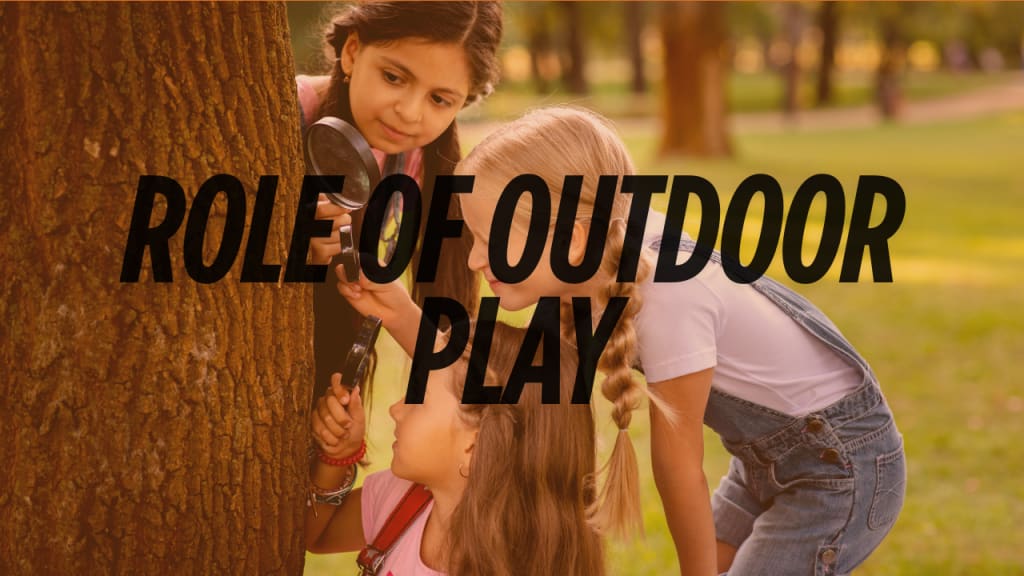
Early childhood is the initial stage of a child's life between birth and five years, where there is active development of cognitive, emotional, social, and physical aspects. The children's brains at these ages are very malleable and responsive to the environment in which they develop. The early formative stage provides the basis for subsequent education, health, and wellbeing across life.
An early childhood centre in Dural, or for that matter anywhere, has a very significant role to play in shaping this experience. Such centres are established to provide nurturing, safe, and stimulating environments where children can discover, explore, and build through play and organized learning activities. Out of all of the ways through which children learn, outdoor play is one of the best ways of early childhood development.
Why Outdoor Play Matters in Early Childhood
Outdoor play in school is more than a delightful refuge from the demands of school life. Outdoor play is part of the task of educating childhood with numerous developmental benefits. Outside in a day care center or childcare center environment, children can run, play with other children, and have contact with nature in a way that is inviting to inquiry, persistence, and imagination.
Let's discover all the ways that outdoor play can be used in early childhood development.
1. Physical Development and Gross Motor Skills
Outdoor play encourages running, jumping, climbing, crawling, and balance—all of which are positive to gross motor skills. Stepping from stepping stones and hopping, triking around or ball games build muscle strength, coordination, and balance.
In a Dural early learning centre, integrated outdoor spaces provide inviting places that promote active movement. Physical activity also aids healthy development and avoidance of child obesity.
2. Discovery Cognitive Development
Outside is an active classroom. Outside, discovery and investigation are unlimited. Children can observe weather, track insects, build with sticks, and play out fantasy.
It offers room for such exploration that enhances critical thinking, decision-making, and problem-solving skill. Nature's uncertainty causes children to ask questions and find answers—definition of early education.
3. Emotional and Social Development
Outdoor areas in a childcare centre offer children a choice of playing freely among other children. They can learn to share, cooperate, resolve conflicts, and sympathize.
Time spent outside also reduces stress and anxiety. Nature provides emotional regulation and has a calming effect. It is a place where children are able to turn inward, express themselves creatively, and build strength to act.
4. Sensory Engagement and Imagination
The world outside is a multi-sensory environment. From the feel of grass beneath their feet to the sounds of birds singing, outdoor play stimulates sensory development in a way indoor play doesn't. Children smell flowers, dig in the dirt, play in puddles, and chase butterflies.
This richness of the senses feeds imagination. Outside in a day care center, a bland log is a pirate ship, and a patch of sand is a bakery. These exercises in imagination are the roots of language learning, narrative, and emotional intelligence.
5. Independence and Risk Assessment
Outdoor play teaches children risk assessment and decision-making. Through such experiences, when deciding how much to climb or whether they can jump, independence and self-esteem are developed.
Boundaries are learned and difficulties overcome in the safety of an outdoors supervised setting. They acquire hardness and accountability—two vital skills sharpened by early childhood.
6. Improved Sleep and Concentration
Outdoor play and sunlight manage children's sleep. Better sleep results in better concentration, behavior, and performance at childcare.
Exposure to sunlight also helps with circadian rhythm and mood. Sunlight-exposed children daily are less restless in indoor sessions.
7. Sense of Place and Environmental Awareness
Exposure to the environment at a young age makes them fall in love with nature forever. Outdoor children are taught about sustainability, ecosystems, and how vital our world is by taking care of it.
One such early learning centre in Dural that utilizes natural features such as vegetable gardens, water play zones, and native plants encourages this sensitivity to nature at a young age.
How Outdoor Play contributes to Early Years Learning Framework (EYLF)
Australian Early Years Learning Framework (EYLF) focuses on the importance of holistic development and play. Outdoor play aligns with many EYLF outcomes:
- Outcome 1: Children have a strong sense of identity
- Outcome 2: Children are related to and contribute to their world
- Outcome 3: Children have a strong sense of wellbeing
- Outcome 4: Children feel confident and involved learners
- Outcome 5: Children are effective communicators
By being outside, children learn academically, as well as emotionally, socially, and physically grow.
Designing Effective Outdoor Environments for Childcare Centres
A good childcare centre would offer outdoor settings that are accessible, safe, and engaging. They may have:
- Shaded grassed areas for rest and exploration
- Equipment for climbing to challenge the body
- Sandpits and water tables to explore with senses
- Gardens for planting and learning about the environment
- Space for games and running
Outdoor areas must be properly managed and offer diversity to cater to different interests and stages of development.
Parental Involvement and Outdoor Play
There is a significant role parents must provide in encouraging outdoor play. Organizing outdoor family time, family walks in nature, or backyard gardening restores the experience of children to their original learning environment.
If parents understand how much outdoor play is important, they will be more likely to choose a day care centre that takes this aspect of development seriously. It enhances the home-centre relationship and continuity in the child's learning journey.
Conclusion: Giving Children Room to Grow Naturally
Play outside is not a game—early childhood education depends on it. Play outside works the mind, body, and spirit and prepares children for charging into the world headfirst and being amazed.
If you're looking for a centre that's all about unleashing the power of nature in learning, then Wiggles and Giggles is Dural's favourite early learning centre with purpose-built outdoor learning spaces, caring educators, and a curriculum putting play at the forefront.
Provide your child with an opportunity to explore, learn, and grow in a centre where every outdoor experience is a learning experience.
About the Creator
Wiggles and Giggles | Dural
Wiggles and Giggles Child Care Centre in Dural offers exceptional childcare services for children aged 6 weeks to 6 years.
Keep reading
More stories from Wiggles and Giggles | Dural and writers in Writers and other communities.
The Importance of STEAM in Early Learning
When parents hear the word “STEAM,” the first thought might be boiling water or something to do with household chores. But in education, STEAM has a very different meaning—and it plays an important role in how children grow, think, and learn.
By Wiggles and Giggles | Dural5 months ago in Writers
How to Hire a Virtual Assistant for Personal Organisation and Scheduling
If your calendar feels like a battlefield back-to-back meetings, personal errands, rescheduling, missed reminders you’re not alone. In 2025–2026, more professionals and founders are hiring a virtual assistant (VA) not for “extra help,” but to build a system that keeps life and work running smoothly.
By Michael Coplin7 days ago in Writers




Comments
There are no comments for this story
Be the first to respond and start the conversation.