
The Importance of Testing in the Software Development Lifecycle
Detecting issues in the early stages of development is more cost-effective than addressing them later.
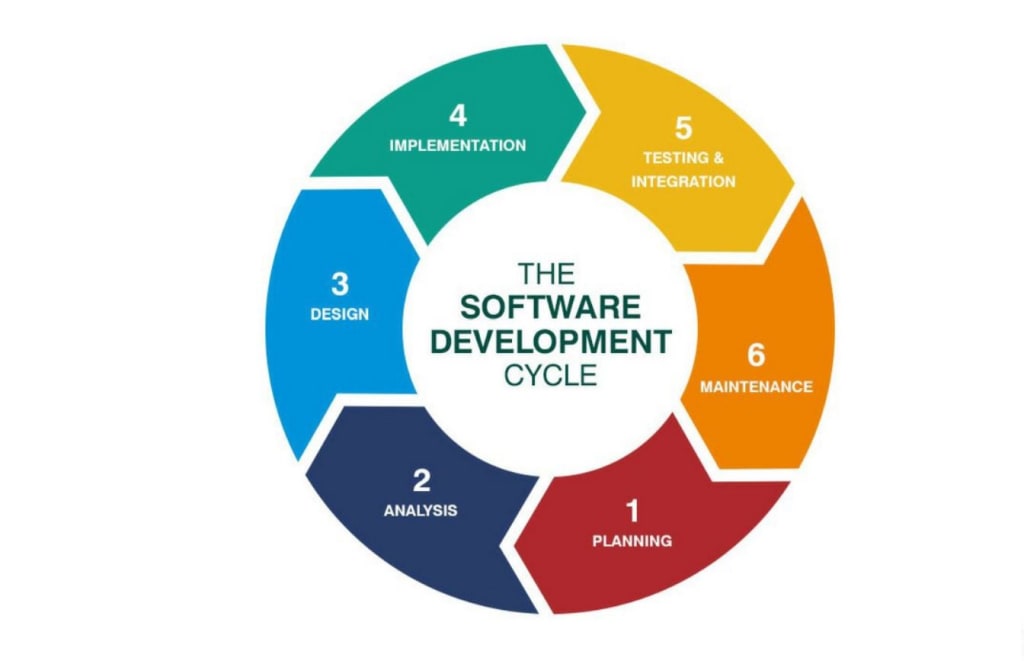
Testing is a critical phase in the Software Development Lifecycle (SDLC). It ensures that the software functions correctly, meets the specified requirements, and provides a seamless user experience. Here’s why testing is essential in the SDLC:
1. Ensures Quality and Reliability
Testing verifies that the software performs as intended under various conditions. By identifying and fixing bugs early, it ensures the final product is of high quality and reliable. This reduces the chances of failures or issues in the live environment, enhancing user satisfaction and trust.
2. Identifies and Fixes Bugs Early
Testing throughout the SDLC allows developers to identify and resolve bugs promptly, preventing them from escalating into more significant problems that are harder and more expensive to fix.
3. Validates Functionality and Performance
Functional testing ensures that each feature works correctly, while performance testing evaluates the software’s behavior under different loads. These tests confirm that the software can handle real-world scenarios, providing a smooth and efficient user experience.
4. Enhances Security
Security testing identifies vulnerabilities that could be exploited by malicious actors. By addressing these security gaps before the software is released, businesses can protect sensitive data and maintain the integrity of their systems, safeguarding their reputation and compliance with regulations.
5. Supports Continuous Improvement
Testing provides valuable feedback that informs the development process. Continuous testing, especially in agile and DevOps environments, helps teams iterate and improve the software quickly. This fosters a culture of continuous improvement and ensures the software evolves to meet user needs.
6. Facilitates Compliance
Many industries have regulatory requirements that software must meet. Testing ensures compliance with these standards, avoiding legal issues and potential fines. It demonstrates a commitment to quality and responsibility, essential for maintaining customer and stakeholder trust.
7. Improves User Experience
Usability testing assesses how easy and intuitive the software is for users. By identifying and addressing usability issues, businesses can enhance the user experience, leading to higher user adoption and satisfaction.
Conclusion
Testing is a fundamental component of the Software Development Lifecycle, ensuring the delivery of high-quality, reliable, and secure software. It helps identify and fix issues early, validates functionality, enhances security, supports continuous improvement, facilitates compliance, and improves the user experience.
Incorporating thorough testing practices into every stage of the SDLC is crucial for developing successful software that meets user expectations and withstands real-world challenges. By prioritizing testing, businesses can achieve their goals more efficiently and maintain a competitive edge in the market.
Read More : https://techhorizonsolutions.blogspot.com/2024/07/the-importance-of-testing-in-software.html
About the Creator
Keep reading
More stories from Aarav Gupta and writers in Writers and other communities.
The Impact of AI and Machine Learning on Cloud Software Development
Artificial intelligence (AI) and machine learning (ML) are transforming cloud software development, bringing new possibilities and efficiencies to the industry. Here’s a look at how these technologies are making an impact:
By Aarav Gupta2 years ago in Writers




Comments (1)
Hey, just wanna let you know that this is more suitable to be posted in the 01 community 😊