
Steps for Maintaining Brass Electrical Fittings
Brass Electrical Fittings
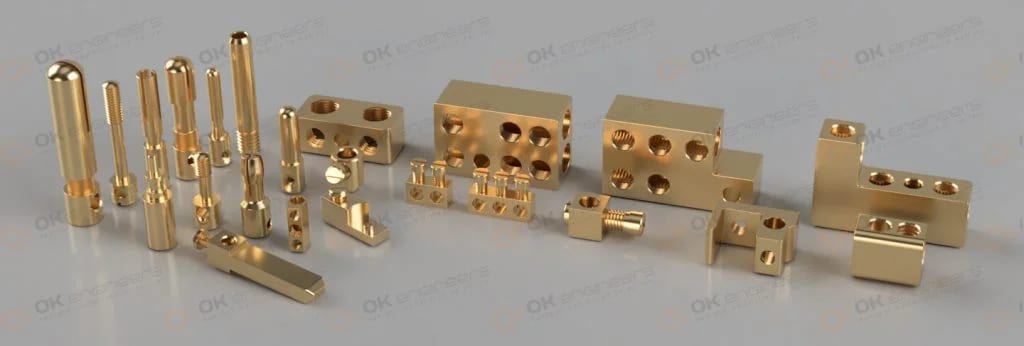
Maintaining Brass Electrical Fittings is essential to ensure their longevity, functionality, and safety. Brass, an alloy of copper and zinc, is favored for electrical fittings due to its durability, corrosion resistance, and excellent conductivity. However, like all materials, brass requires regular maintenance to prevent tarnishing, corrosion, and mechanical wear. Here’s a comprehensive guide on how to maintain brass electrical fittings effectively:
1. Understanding Brass and Its Properties
Before diving into the maintenance process, it’s important to understand the material you’re dealing with. Brass is an alloy known for its aesthetic appeal and functional properties, such as:
Corrosion Resistance: Brass is resistant to corrosion, but exposure to moisture and air can cause it to tarnish.
Durability: Brass is durable and can withstand high temperatures and wear.
Conductivity: It has good electrical conductivity, making it suitable for electrical fittings.
Understanding these properties helps in selecting appropriate maintenance techniques and products.
2. Regular Cleaning and Dusting
Brass fittings are prone to collecting dust, which can dull their appearance and affect performance over time. Regular cleaning is crucial to maintain their shine and prevent grime buildup.
Steps for Regular Cleaning:
Turn Off the Power: Always ensure the power supply to the fittings is turned off before cleaning to avoid the risk of electric shock.
Dust Removal: Use a soft, dry cloth to remove dust from the surface. For hard-to-reach areas, a small brush with soft bristles can be used.
Gentle Cleaning Solution: Prepare a mild cleaning solution using warm water and a few drops of mild dish soap. Dip a soft cloth into the solution, wring it out well, and gently wipe the brass fittings.
Drying: After cleaning, use a dry, lint-free cloth to wipe down the fittings to remove any moisture. This step is crucial as moisture can lead to tarnishing.
3. Dealing with Tarnish
Tarnish is a natural process that occurs when brass reacts with the air, forming a dull layer on the surface. While tarnish is not harmful, it can detract from the appearance of the fittings. Regularly polishing the brass can prevent tarnishing and keep your fittings looking bright.
Steps to Remove Tarnish:
Brass Polish: Use a commercial brass polish specifically designed for brass materials. Apply a small amount of polish to a soft cloth and rub it onto the fitting in a circular motion.
DIY Polishing Paste: Alternatively, you can make a DIY paste using equal parts of vinegar, salt, and flour. Mix these ingredients to form a paste, apply it to the brass, and let it sit for about 10 minutes before rinsing with warm water and drying thoroughly.
Buffing: After polishing, use a clean, dry cloth to buff the fittings, restoring their shine.
4. Preventing Corrosion
Although brass is corrosion-resistant, it can still corrode under certain conditions, especially in environments with high humidity or exposure to saltwater.
Preventive Measures:
Coating with Lacquer: Apply a clear lacquer to the brass fittings to create a protective barrier against moisture and air. Lacquer also helps to preserve the shine of the fittings.
Regular Inspection: Periodically inspect the fittings for any signs of corrosion, such as green or bluish spots (indicative of brass corrosion). If detected early, these can be cleaned off before they spread.
Control the Environment: Try to control the environment around your brass fittings. Reducing humidity and avoiding exposure to chemicals (like those found in some cleaning products) can prolong the life of your brass.
5. Lubrication of Moving Parts
Some brass electrical fittings may include moving parts, such as switches or connectors. These parts should be kept well-lubricated to ensure smooth operation and to prevent wear and tear.
Steps for Lubrication:
Choose the Right Lubricant: Use a lubricant that is safe for electrical components. Silicone-based lubricants or special electrical contact lubricants are recommended.
Application: Apply the lubricant sparingly to the moving parts, ensuring that you do not over-lubricate as excess lubricant can attract dust and dirt.
Operation Check: After lubrication, operate the fitting a few times to ensure the lubricant is evenly distributed and the parts are moving smoothly.
6. Addressing Wear and Tear
Over time, brass electrical fittings may experience wear and tear due to frequent use. Regular inspection can help identify areas that need repair or replacement.
Inspection and Repair:
Check for Looseness: Regularly check the fittings to ensure they are securely attached. Loose fittings can cause poor electrical connections, which may lead to overheating or arcing.
Examine for Cracks: Inspect the fittings for any cracks or damage. If any are found, it’s important to replace the damaged parts immediately to maintain safety.
Replacement: If a fitting is too worn or damaged beyond repair, it’s safer to replace it entirely rather than attempting a temporary fix.
7. Safety Precautions During Maintenance
Safety is paramount when maintaining brass electrical fittings, given their use in electrical systems. Always follow these safety precautions:
Essential Safety Tips:
Power Off: Always turn off the power supply before performing any maintenance work on electrical fittings.
Use Insulated Tools: Use insulated tools to prevent accidental electrical shocks.
Avoid Water: Be cautious when using water or liquid cleaning agents near electrical components. Always ensure fittings are dry before turning the power back on.
Consult a Professional: If you’re unsure about any maintenance task, it’s best to consult a professional electrician to avoid potential hazards.
8. Maintaining Aesthetics
In addition to functional maintenance, it’s important to maintain the aesthetic appeal of brass fittings, especially in decorative settings.
Tips for Aesthetic Maintenance:
Regular Polishing: Keep up with regular polishing to maintain the shiny appearance of brass.
Avoid Harsh Chemicals: Do not use abrasive cleaners or harsh chemicals on brass, as they can cause scratches and dull the finish.
Cover When Not in Use: In areas where fittings are not frequently used, consider covering them to protect against dust and environmental factors.
9. Environmental Considerations
When maintaining brass electrical fittings, it's important to consider the environmental impact of the products you use.
Eco-Friendly Practices:
Use Eco-Friendly Cleaners: Opt for environmentally friendly cleaning products that do not contain harmful chemicals.
Dispose of Waste Properly: Dispose of any waste, such as old fittings or used cleaning products, in accordance with local regulations to minimize environmental impact.
Conclusion
Maintaining brass electrical fittings is a straightforward process that, when done regularly, can extend the life of your fittings and ensure they remain safe and functional. Regular cleaning, polishing, corrosion prevention, and lubrication are key steps in keeping brass fittings in top condition. Always prioritize safety during maintenance, and don't hesitate to seek professional help when needed. By following these steps, you can preserve both the functionality and aesthetic appeal of your brass electrical fittings for years to come.
About the Creator
Keep reading
More stories from Prince Kumar and writers in Writers and other communities.
The Essential Guide to Brass Turned Parts
Brass turned parts are vital components in many industries, known for their excellent mechanical properties, durability, and aesthetic appeal. This guide explores the essential aspects of brass turned parts, including their characteristics, manufacturing processes, applications, and benefits, providing a comprehensive understanding of their value and applications.
By Prince Kumar2 years ago in Writers
Writing for Those Who Have No Voice
Elizabeth Woods' Cedar's Port series on Amazon.com https://www.amazon.com/dp/B0CQRNST2B Hey there, my name is Lizzy and I am an author. I have been writing stories for as long as I can remember. Writing for me began as an escape from my reality. I grew up in an abusive and traumatizing environment. I was suppressed and mute until I broke away in my teens.
By Elizabeth Woodsa day ago in Writers



Comments (2)
So so amazing .i love your content and subscribed. Kindly reciprocate by subscribing to me also . thank you and keep it up
Thanks for sharing