
The Essential Guide to Brass Turned Parts
Brass Turned Parts
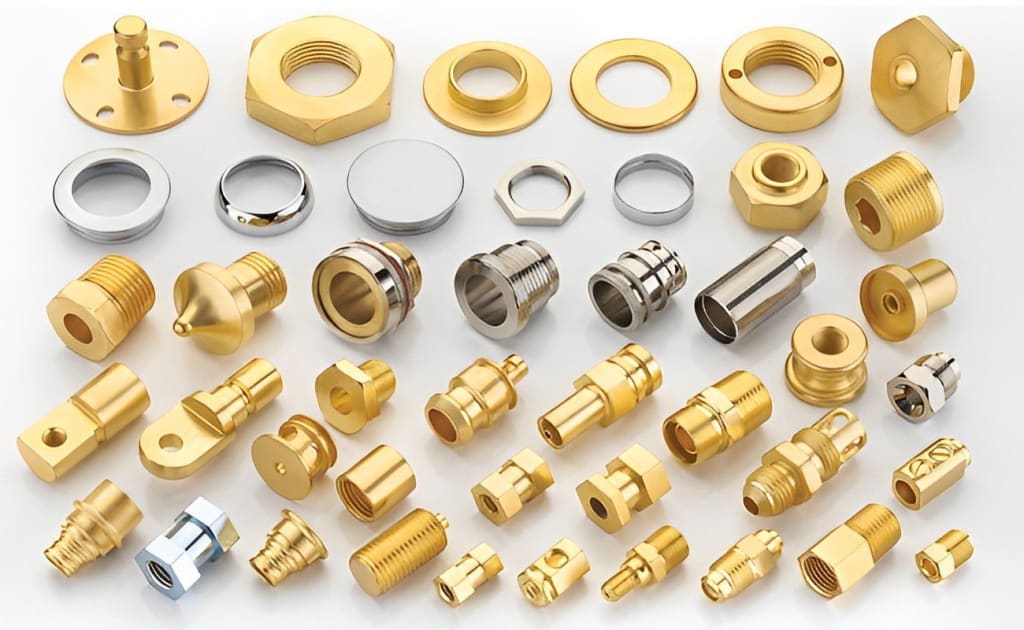
Brass turned parts are vital components in many industries, known for their excellent mechanical properties, durability, and aesthetic appeal. This guide explores the essential aspects of brass turned parts, including their characteristics, manufacturing processes, applications, and benefits, providing a comprehensive understanding of their value and applications.
Characteristics of Brass
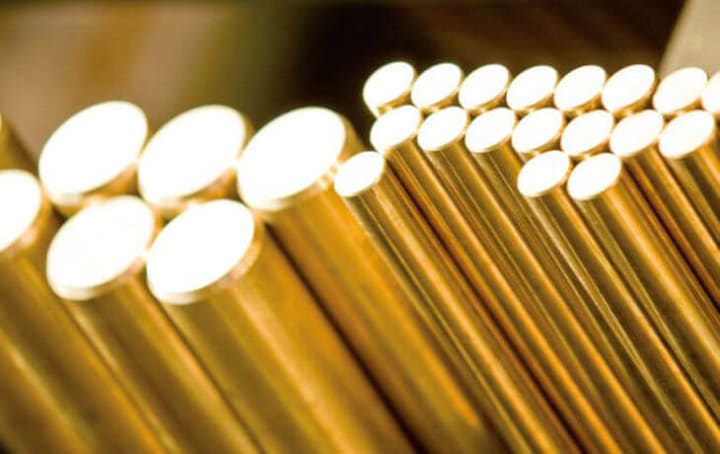
Brass is an alloy primarily composed of copper and zinc, with varying proportions to create different types of brass with distinct properties. The addition of elements like lead, tin, and aluminum can further enhance specific characteristics. Key properties of brass include:
Corrosion Resistance: Brass exhibits excellent resistance to corrosion, particularly from saltwater and atmospheric conditions, making it suitable for marine and outdoor applications.
Machinability: Brass is easily machined, allowing for the creation of complex and precise parts.
Electrical Conductivity: Brass has good electrical conductivity, making it ideal for electrical and electronic components.
Thermal Conductivity: Brass also has good thermal conductivity, suitable for heat exchange applications.
Aesthetic Appeal: The gold-like appearance of brass adds a decorative quality, making it popular for ornamental applications and hardware.
Types of Brass Alloys
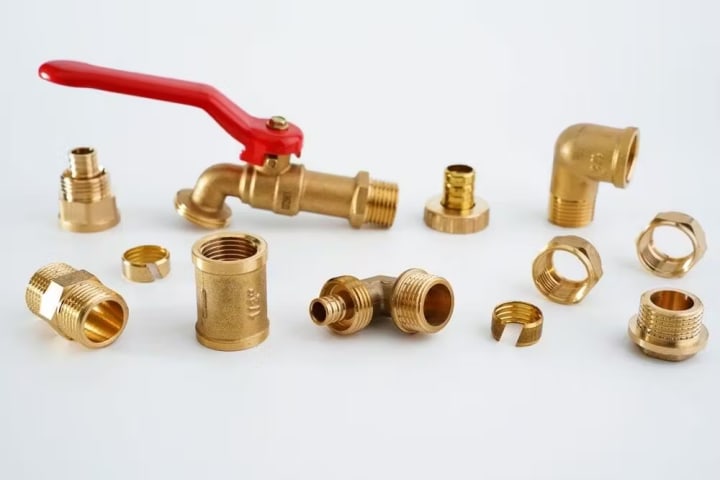
Different brass alloys are tailored for specific applications based on their properties:
Yellow Brass: Comprising about 60% copper and 40% zinc, yellow brass is known for its high ductility and strength. It is commonly used in plumbing and musical instruments.
Red Brass: With a higher copper content (usually around 85%) and lower zinc, red brass offers superior corrosion resistance, making it suitable for plumbing and electrical applications.
Cartridge Brass: Containing about 70% copper and 30% zinc, this alloy is used in ammunition casings due to its excellent ductility and strength.
Naval Brass: Including a small amount of tin, naval brass is highly resistant to seawater corrosion, ideal for marine applications.
Manufacturing Process of Brass Turned Parts
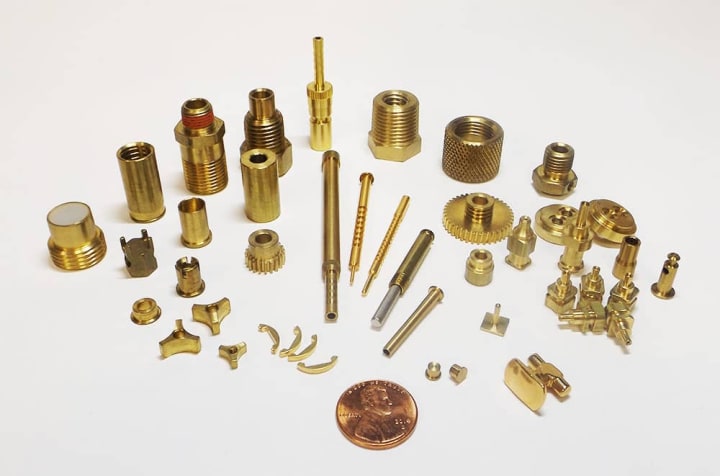
Creating brass turned parts involves several precise steps to ensure quality and accuracy:
Material Selection: Selecting the appropriate brass alloy based on the desired properties and application requirements is the first step. The choice of alloy affects the part's durability, machinability, and corrosion resistance.
Turning Process:
Setup: The brass rod or bar is securely mounted on a lathe, a machine tool that rotates the workpiece while a cutting tool moves linearly to remove material.
Cutting: Various cutting tools shape the brass into the desired form, involving rough turning to remove large amounts of material and finish turning for precision shaping.
Threading and Grooving: Additional operations like threading (cutting threads on the surface) and grooving (cutting narrow grooves) achieve specific design features.
Secondary Operations:
Drilling and Tapping: Holes may be drilled, and threads tapped to allow for fasteners or connectors.
Milling: Milling operations create flat surfaces, slots, or other intricate features.
Polishing and Deburring: Parts are polished for a smooth finish and deburred to remove sharp edges or burrs.
Quality Control: Rigorous quality control measures ensure the parts meet the required specifications, including dimensional inspections, surface finish checks, and material property tests.
Applications of Brass Turned Parts
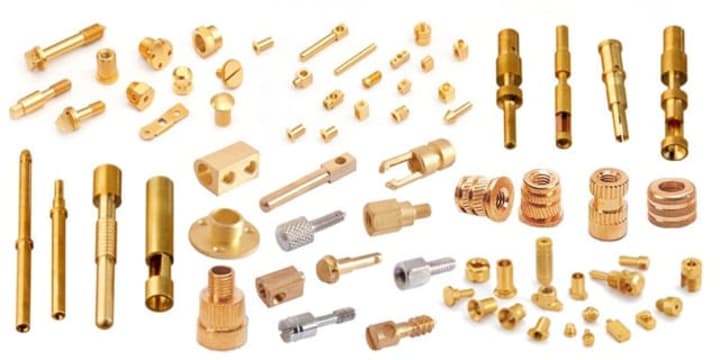
Brass turned parts are used in a wide range of industries due to their favorable properties. Notable applications include:
Automotive Industry:
Fuel Systems: Brass components are used in fuel injection systems, fuel pumps, and carburetors due to their corrosion resistance and machinability.
Sensors and Connectors: Brass parts are integral in various sensors and electrical connectors within vehicles, ensuring reliable performance and conductivity.
Electronics and Electrical Industry:
Connectors and Terminals: Brass is commonly used for electrical connectors and terminals due to its good conductivity and ease of machining.
Housings and Enclosures: Brass housings protect electronic components while maintaining good conductivity and shielding properties.
Plumbing Industry:
Fittings and Valves: Brass's resistance to corrosion and durability make it ideal for plumbing fittings, valves, and connectors.
Water Meters and Fixtures: Brass components are used in water meters and various plumbing fixtures for their reliability and longevity.
Aerospace Industry:
Precision Components: The aerospace industry relies on brass turned parts for precision components requiring high reliability, such as connectors and fasteners.
Hydraulic Systems: Brass parts are used in hydraulic systems for their strength and corrosion resistance.
Medical Industry:
Surgical Instruments: Brass is used in manufacturing surgical instruments and medical devices due to its biocompatibility and ease of sterilization.
Diagnostic Equipment: Brass components are found in diagnostic equipment where precision and reliability are crucial.
Benefits of Brass Turned Parts
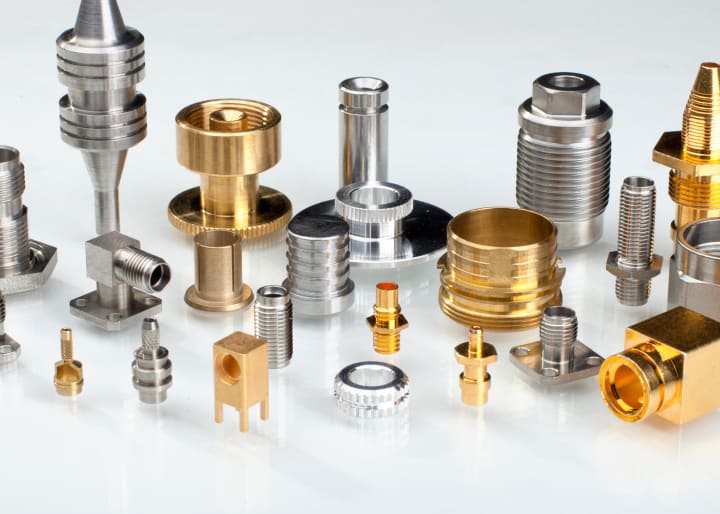
Brass turned parts offer numerous advantages, making them a preferred choice for many applications:
Durability: Brass components are robust and have a long lifespan, providing reliable performance over time.
Versatility: Brass's properties make it suitable for a wide range of applications across various industries.
Cost-Effective: Brass is relatively inexpensive compared to other metals with similar properties, making it a cost-effective choice.
Recyclability: Brass is fully recyclable, contributing to environmental sustainability.
Customizability: Brass can be easily machined into complex shapes and designs, allowing for high customization and precision.
Considerations for Choosing the Right Brass Alloy
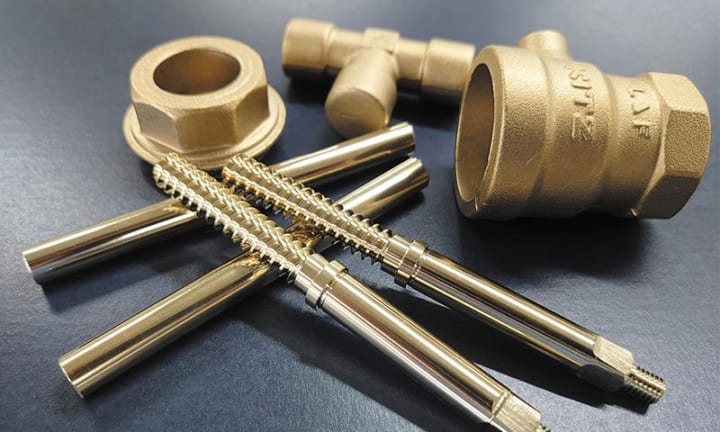
Selecting the appropriate brass alloy is crucial to ensure optimal performance. Consider the following factors:
Mechanical Properties: Evaluate the strength, hardness, and ductility requirements of your application. Different brass alloys offer varying levels of these properties.
Corrosion Resistance: Consider the environmental conditions in which the part will be used. Alloys with higher corrosion resistance are necessary for marine or outdoor applications.
Machinability: Depending on the complexity of the part, choose an alloy with good machinability for precision and ease of manufacturing.
Electrical and Thermal Conductivity: For electrical or thermal applications, select an alloy with suitable conductivity properties.
Aesthetic Requirements: If the appearance of the part is important, choose an alloy that provides the desired aesthetic qualities.
Conclusion
Brass turned parts are indispensable in numerous industries, offering a combination of durability, machinability, and aesthetic appeal. By understanding the characteristics, manufacturing processes, applications, and benefits of brass turned parts, you can make informed decisions to meet your specific needs. Whether you are in the automotive, electronics, plumbing, aerospace, or medical industry, brass turned parts provide a reliable and cost-effective solution for your precision component requirements.
About the Creator
Keep reading
More stories from Prince Kumar and writers in Writers and other communities.
Copper Components: OK Engineers
Copper is a fundamental material used in various industries due to its excellent properties. OK Engineers, a leading name in the field, specializes in providing high-quality copper components. This article explores the importance of Copper Components, the unique offerings of OK Engineers, and their role in different applications.
By Prince Kumarabout a year ago in Writers



Comments
There are no comments for this story
Be the first to respond and start the conversation.