
Prophet Muhammad (SAW): The Last Messenger of Allah
The Early Life: From Orphan to the Trustworthy One

Introduction
The story of Prophet Muhammad (SAW) is one of divine destiny, resilience, and moral excellence. Before he became the final Messenger of Allah, he was a child born into hardship, an orphan raised with love, and a young man known for his honesty and integrity. His early life shaped the foundation of his prophethood, proving that greatness often emerges from struggle.
Birth in Mecca: The Year of the Elephant
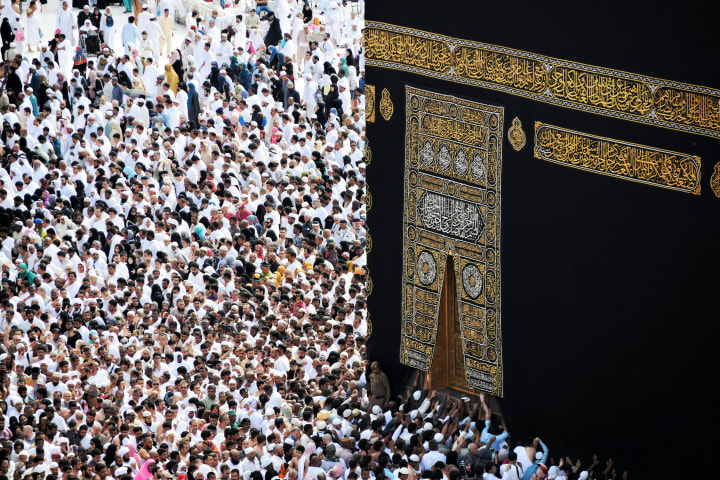
In the year 570 CE, a child named Muhammad ibn Abdullah was born in Mecca to the noble Banu Hashim clan of the Quraysh tribe. His birth coincided with the famous "Year of the Elephant," when Allah miraculously saved the Ka’bah from destruction by Abraha’s army of elephants.
His father, Abdullah, had passed away before his birth, leaving his mother, Aminah, to raise him alone. According to Arab tradition, noble families often sent their infants to the desert to be nursed by Bedouin women, ensuring they grew up strong and fluent in pure Arabic. Thus, baby Muhammad was entrusted to Halimah al-Sa’diyah, a kind woman from the Banu Sa’ad tribe.
Under Halimah’s care, blessings followed her household—her livestock thrived, and her family prospered. She grew deeply attached to the child and kept him longer than usual before returning him to his mother in Mecca.
Childhood Under the Care of Aminah and Abdul Muttalib
At age six, tragedy struck again when Aminah passed away during a journey to Yathrib (later known as Medina). Now an orphan, young Muhammad was taken in by his grandfather, Abdul Muttalib, the respected leader of the Quraysh.
Abdul Muttalib adored his grandson, seating him beside him on his special mat—a privilege reserved for elders. But fate had another test: when Muhammad was only eight, his grandfather also passed away.
Now under the guardianship of his uncle Abu Talib, Muhammad grew up in a bustling trading city. Though Abu Talib was not wealthy, he loved his nephew dearly and ensured his protection.
The Journey to Syria: A Monk’s Prophecy
At age twelve, Muhammad accompanied his uncle on a trade journey to Syria. In the city of Busra, a Christian monk named Bahira noticed something extraordinary about the boy.
A cloud shaded Muhammad from the sun, and when Bahira examined him, he recognized the seal of prophethood between his shoulders. The monk warned Abu Talib, "This boy will have a great future. Protect him from the Jews, for if they recognize him, they will harm him."
This incident was one of the early signs that Muhammad was no ordinary child.
Earning the Title "Al-Amin" (The Trustworthy One)
As a young man, Muhammad worked as a merchant, gaining a reputation for his honesty and fairness. Unlike many in Mecca who cheated in business, he never broke a promise or lied.
His integrity earned him the title "Al-Amin" (The Trustworthy One). People would entrust him with their valuables for safekeeping, knowing he would never betray their trust.
One famous story illustrates this: Before Islam, the Ka’bah was damaged by a flood, and the tribes of Mecca quarreled over who should place the Black Stone (Hajar al-Aswad) back in its spot. They agreed to let the first person who entered the gates decide—and that person was Muhammad.
Instead of favoring his own tribe, he proposed a wise solution: he spread his cloak, placed the stone on it, and had leaders from each tribe lift it together. Then, he placed the stone in its position himself. Everyone was pleased, proving his unmatched wisdom and fairness.
Marriage to Khadijah: A Blessed Union
At age 25, Muhammad’s reputation reached Khadijah bint Khuwaylid, a wealthy and noble businesswoman. Impressed by his honesty, she hired him to manage her trade caravan to Syria.
When he returned with exceptional profits, Khadijah—who was 40 and twice widowed—sent a marriage proposal through her friend. Muhammad accepted, and their marriage became one of the most loving and supportive in history.
Khadijah was his first believer when prophethood came, and she remained his greatest supporter until her death 25 years later.
Conclusion: Preparing for Prophethood
Muhammad’s early life was marked by loss, yet every hardship refined his character. From orphan to merchant, from "Al-Amin" to Khadijah’s beloved husband—each stage prepared him for his divine mission.
Little did the people of Mecca know, the humble and honest young man they trusted would soon become the final Prophet of Allah, changing the course of history forever.
Lessons from His Early Life:
✔ Resilience in hardship – He lost both parents yet never became bitter.
✔ Integrity in business – He proved honesty is the best policy.
✔ Wisdom in leadership – His fairness resolved conflicts peacefully.
His childhood and youth were not just a prelude to prophethood—they were a divine training for the greatest mission on Earth.
Final Thought
The story of Prophet Muhammad’s (SAW) early life teaches us that greatness is not about wealth or power, but about character, trust, and faith in Allah’s plan. His journey from orphan to "The Trustworthy One" reminds us that every struggle we face can be a step toward a greater purpose.
WordCount
Wouldyouikeanyodificationsordditionalet
MessageDeepSeek
About the Creator
Am@n Khan
I'm educational storyteller passionate about turning knowledge into engaging narratives.
I write about topics like science, history and life skills.
Contact
WhatsApp : +923336369634
Early March 2026: 4 Goals Accomplished
It's early March and I've now accomplished my 4th writing goal for the year of 2026. Before diving into the behind-the-scenes of it... why not tell you up front what that accomplishment was? I was published in a 2nd publication for this year. Published in Helix Literary Magazine out of Central Connecticut State University. You can read it for free right now!
By Stephen Kramer Avitabile7 days ago in Writers



Comments
There are no comments for this story
Be the first to respond and start the conversation.