
Optimizing Track Crusher Setup to Improve Performance on Uneven Sites
Optimizing Track Crusher Setup to Improve Performance on Uneven Sites

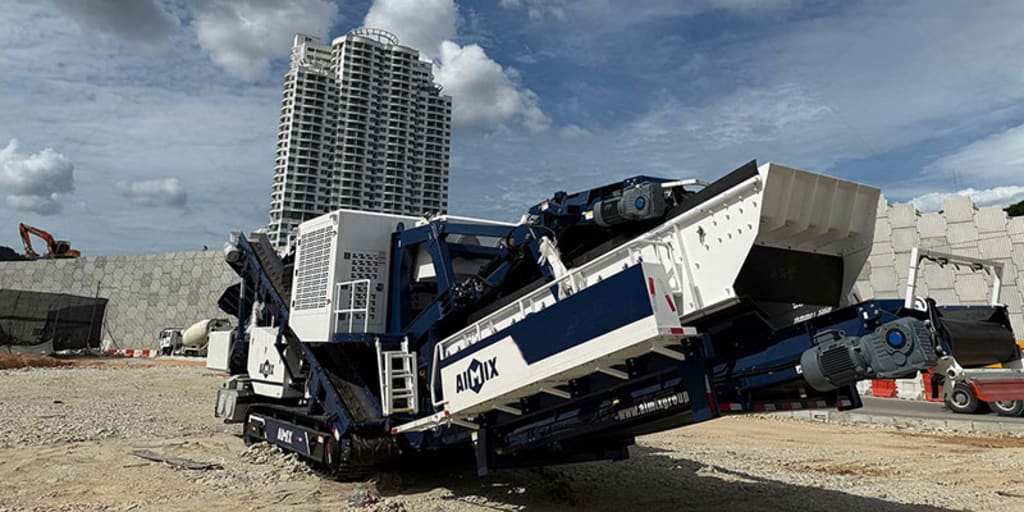
Uneven construction and quarrying sites present a distinct set of operational complexities for track-mounted crushing equipment. Variations in terrain elevation, substrate stability, and material distribution frequently compromise machine balance and feed consistency. These factors can precipitate inefficient crushing cycles, accelerated component wear, and inconsistent product gradation. A deliberate approach to crawler crusher setup—one that prioritizes stability, calibrated material flow, and operational vigilance—can dramatically enhance performance in these challenging environments. Strategic configuration not only mitigates mechanical strain but also unlocks higher throughput and more predictable aggregate output.
Understanding the Operational Challenges of Uneven Terrain
Track crushers are engineered to operate with a degree of positional tolerance. However, when deployed on highly irregular ground, the mechanical equilibrium of the machine becomes susceptible to distortion. Even subtle gradients can introduce asymmetric loads across the track assembly. Over time, this imbalance exerts disproportionate stress on structural components such as the chassis frame, crusher bearings, and hydraulic systems. The result is often premature fatigue, elevated vibration signatures, and reduced operational longevity.
Material handling further complicates the equation. Uneven sites frequently produce erratic feed patterns due to inconsistent loader positioning and stockpile geometry. Instead of a continuous, laminar flow of material into the hopper, operators may encounter intermittent surges followed by partial starvation of the crusher chamber. Such volatility disrupts the crushing process. When the chamber is overfilled, power demand spikes and particle breakage becomes inefficient. Conversely, underfeeding reduces reduction efficiency and wastes available crushing energy.
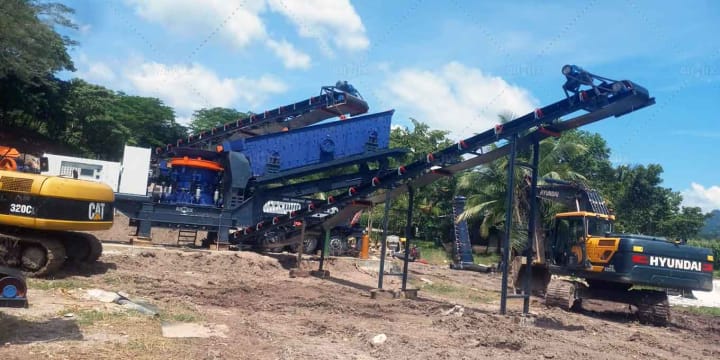
A meticulous site assessment forms the foundation of effective setup. Before positioning the machine, the terrain should be examined for slope orientation, soil compaction, and drainage characteristics. In many cases, modest earthworks—such as grading, compacting, or placing stabilizing pads—can transform a problematic surface into a workable operating platform. Establishing a stable base is not merely a preparatory step; it is the cornerstone of consistent crushing performance.
Configuring the Track Crusher for Stability and Throughput
Once a suitable operating platform is prepared, attention turns to machine positioning. Track crushers should be aligned so that the primary load-bearing axis runs parallel to the most stable portion of the terrain. In practice, this means orienting the machine so the tracks distribute weight evenly rather than straddling steep cross-slopes. Hydraulic leveling systems, when available, should be carefully adjusted to maintain a balanced chassis geometry.
Track extension and stabilization accessories can further enhance stability. Deploying track pads or temporary support mats distributes ground pressure and reduces the risk of subsidence. Even minor adjustments in track placement can dramatically reduce oscillatory motion within the crusher frame.
Equally critical is the calibration of the feed system. On uneven sites, loaders may approach the hopper from varying angles, which can create skewed feed distribution. The objective is to ensure that material enters the crusher chamber centrally rather than accumulating along one side. A symmetrical feed pattern promotes uniform wear across jaw plates or impact aprons while maintaining optimal reduction ratios.
Crusher chamber settings also merit careful attention. A slightly wider closed-side setting may improve throughput when feed conditions fluctuate, preventing chamber blockages caused by sudden surges of oversized material. At the same time, feeder speed must be synchronized with rock crusher capacity to avoid overload conditions.
Downstream equipment alignment is frequently overlooked but profoundly influential. Discharge conveyors should be adjusted so that material exits the crusher without excessive drop height or lateral displacement. Misaligned conveyors not only spill material but also transmit vibration back through the machine structure. Proper alignment ensures a continuous, unimpeded transfer of crushed aggregate to subsequent screening or stockpiling processes.
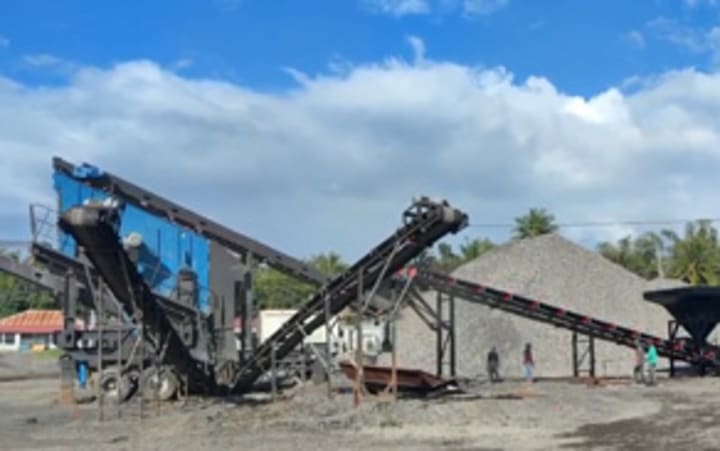
Operational Practices That Sustain Performance Gains
Even the most carefully configured setup requires attentive operation to sustain its advantages. Modern track crushers are often equipped with sensors that monitor load, engine output, hydraulic pressure, and vibration. Interpreting this data allows operators to detect subtle deviations in performance before they escalate into mechanical failures.
Load monitoring is particularly valuable on uneven terrain. Spikes in engine load may indicate inconsistent feed rates or partial chamber blockage. By moderating feeder speed or redistributing the feed material, operators can restore equilibrium to the crushing process. Small interventions performed promptly often prevent costly downtime.
Adaptive feed control represents another vital practice. Rather than maintaining a static feeder speed, skilled operators adjust feed rates dynamically in response to changing site conditions. When a loader delivers a particularly dense or abrasive batch of rock, temporarily reducing feed speed can maintain efficient crushing while protecting internal components.
Preventive maintenance must also be recalibrated for the realities of uneven sites. Components such as track rollers, tensioning systems, and conveyor idlers experience heightened stress when operating on irregular surfaces. Regular inspection schedules should therefore be intensified. Lubrication intervals may need to be shortened, and structural fasteners checked more frequently for loosening caused by persistent vibration.
Wear parts deserve special scrutiny. Uneven feed distribution can accelerate asymmetric wear on jaw plates, blow bars, or liners. Rotating or replacing these components before degradation becomes severe preserves both product quality and machine efficiency.
Optimizing a track crusher for uneven terrain is ultimately an exercise in precision and foresight. Stable positioning, disciplined configuration, and vigilant operational practices work in concert to transform a difficult site into a productive one. When these principles are applied systematically, the machine operates with greater mechanical harmony, delivering consistent output despite the inherent unpredictability of rugged ground conditions.
About the Creator
AIMIX
Construction Machine Manufacturer in China. Find Machines here: https://aimixconcretesolution.com/
Early March 2026: 4 Goals Accomplished
It's early March and I've now accomplished my 4th writing goal for the year of 2026. Before diving into the behind-the-scenes of it... why not tell you up front what that accomplishment was? I was published in a 2nd publication for this year. Published in Helix Literary Magazine out of Central Connecticut State University. You can read it for free right now!
By Stephen Kramer Avitabile4 days ago in Writers




Comments