
Netflix’s “The Fall of the House of Usher” Delivers a Grisly, Modern Twist on Poe’s Classic Tale
Modern Twist on Poe’s Classic Tale

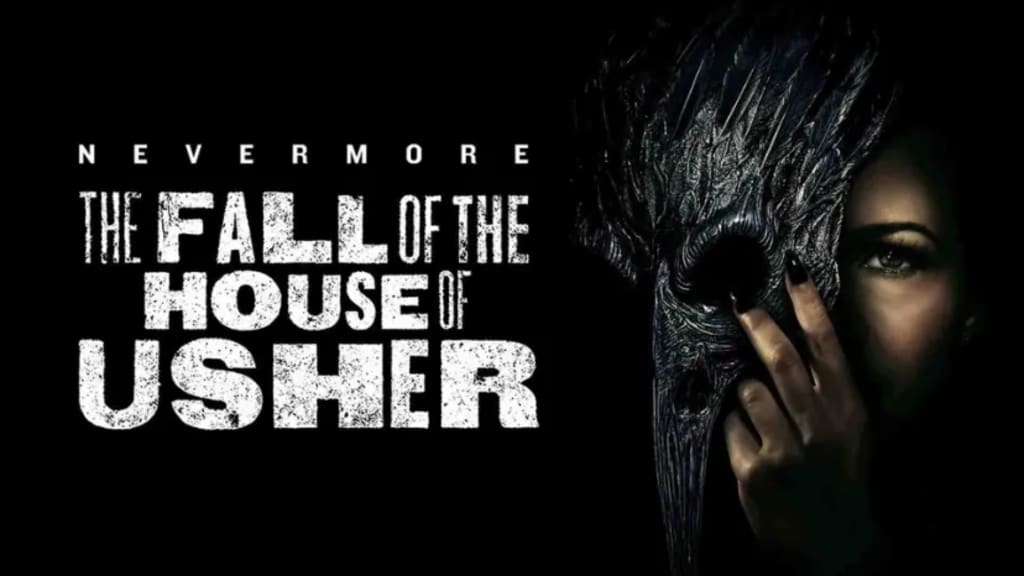
As the crisp chill of October settles in, streaming platforms are rolling out their spookiest offerings just in time for Halloween. Among the standout releases is Netflix’s upcoming series, The Fall of the House of Usher, a bold reimagining of Edgar Allan Poe’s gothic masterpiece. While the story has seen the silver screen before—most notably in 1960 with Vincent Price’s haunting portrayal—this latest adaptation, helmed by horror maestro Mike Flanagan, trades Victorian melancholy for a visceral, contemporary edge that’s equal parts thrilling and terrifying.
Flanagan, no stranger to chilling narratives after successes like The Haunting of Hill House, infuses this tale with a modern flair that’s anything but sleepy. Gone are the cobwebbed corridors of yesteryear; instead, expect a heady mix of sharp dialogue, pulsating music, and unflinching gore that feels tailor-made for today’s audience. The series doesn’t shy away from indulgence—there’s bloodshed, betrayal, and even a dash of risqué revelry—elements that would’ve been unthinkable in the buttoned-up 1960s version. Yet, beneath the shock value lies a story that’s as compelling as it is gruesome.
At its core, The Fall of the House of Usher follows the Usher family, a wealthy dynasty built on a pharmaceutical empire with a dark secret. Drawing clear inspiration from real-world controversies like the Sackler family’s OxyContin scandal, the Ushers’ fortune stems from a drug that’s claimed countless lives—5,000 in this fictional reckoning. Now, with a relentless lawyer (played by the formidable Carl Lumbly) closing in after decades of pursuit, the family faces a reckoning. Patriarch Roderick Usher, brought to life by Bruce Greenwood in a career-defining performance, offers a chilling proposition: he’ll confess everything if the lawyer dares to step into his dilapidated, eerie mansion to hear the truth.
What unfolds is a twisted family saga that feels like a blend of Succession’s corporate intrigue and American Horror Story’s macabre flair, with a pinch of The Umbrella Academy’s dysfunctional chaos. The Usher clan is a rogues’ gallery of excess—each member harboring their own bizarre obsessions and vices, from lavish orgies to sinister schemes. Yet, as unlikeable as they are, the series takes its time to peel back their layers, revealing glimmers of humanity that make their inevitable fates all the more jarring.
And oh, what fates they are. Each episode, tied to a different Poe work like “The Raven” or “The Murders in the Rue Morgue,” delivers a death so inventive and grotesque that the first one alone sets a stomach-churning precedent. From there, the body count rises with a gleeful brutality that’s both horrifying and oddly satisfying. You might find yourself rooting against these flawed heirs one moment, only to wince at the sheer cruelty of their demise the next. It’s a tightrope walk of emotion—hate them, pity them, but you can’t look away.
The real magic, though, lies in the performances. Greenwood anchors the series with a commanding gravitas, his Roderick a man wrestling with guilt and defiance as his empire crumbles. Carla Gugino dazzles as a mysterious, timeless figure weaving through the narrative, dropping cryptic warnings that keep viewers guessing. Henry Thomas—yes, the kid from E.T.—surprises as a flamboyantly fragile Usher heir, while Carl Lumbly’s steely lawyer spars with Greenwood in scenes crackling with tension. Even Mark Hamill pops up as a gruff fixer, his scowl a perfect counterpoint to the family’s chaos.
Beyond the horror, the series thrives on its rich drama. Before the supernatural kicks into high gear, Flanagan builds a web of corporate backstabbing and familial mistrust. A bombshell revelation—that one Usher is secretly feeding intel to the feds—sets off a paranoid hunt within the clan, complete with a $5 million bounty for the snitch’s head. Flashbacks flesh out Roderick’s rise from humble beginnings to ruthless mogul, grounding the wilder elements in a story that’s as much about greed as it is about ghosts.
Does it all work? From the first two episodes alone, it’s a resounding yes. The pacing hooks you early, balancing quiet menace with explosive shocks like a second-episode twist so ghastly it rivals a Saw trap for sheer audacity. Every death is a nod to Poe’s dark imagination, layered with Easter eggs for fans to savor. Yet, it’s the human stakes—the fractured bonds and moral ambiguity—that elevate this beyond mere gorefest.
Perfect for Halloween, The Fall of the House of Usher is a rare treat: a series that’s smart, stylish, and unapologetically brutal. It’s not just a horror show; it’s a character-driven thrill ride that dares to ask how far a family can fall before the abyss claims them. With a cast this electric and a vision this bold, Netflix has a hit worth losing sleep over. Catch it soon—you’ll never look at Poe, or rich dynasties, the same way again.
About the Creator
KWAO LEARNER WINFRED
History is my passion. Ever since I was a child, I've been fascinated by the stories of the past. I eagerly soaked up tales of ancient civilizations, heroic adventures.
https://waynefredlearner47.wixsite.com/my-site-3
Keep reading
More stories from KWAO LEARNER WINFRED and writers in Writers and other communities.
A Small-Town Cop’s Tale: Peaceful Patrols and a Haunting Mystery
Being a police officer in a small Minnesota town isn’t exactly the stuff of action movies. With a population of just 10,000, surrounded by endless stretches of farmland, my days are more about quiet routine than high-stakes drama. Compared to the chaos of policing in cities like New York or Los Angeles, where every shift could bring a new crisis, my job feels almost tranquil. Crime here is mostly tame—think rowdy bar fights, teenage pranks, petty theft, or the occasional drunk driver weaving through our sleepy streets. Sure, I’ve handled a few cases of domestic violence and assault over the years, but those are rare blips in an otherwise calm existence. Most folks would call it boring. I’d call it steady.
By KWAO LEARNER WINFRED11 months ago in Horror
Published in Portrait of New England
My quest to find many publications with prestige to submit to has worked out even better than I thought. I was searching for more publications with more prestige in order to bolster my resume. I truly thought I'd try this for a year and not get published anywhere... maybe if I was lucky... in one of them. And I was OK with that... I was just going to try again the following year, and the year after that, and so on.
By Stephen Kramer Avitabile28 days ago in Writers



Comments
There are no comments for this story
Be the first to respond and start the conversation.