
Life Outside Your Phone Feels... Unbearable, Doesn’t It?
“Why escaping into your phone feels easier than facing real life”
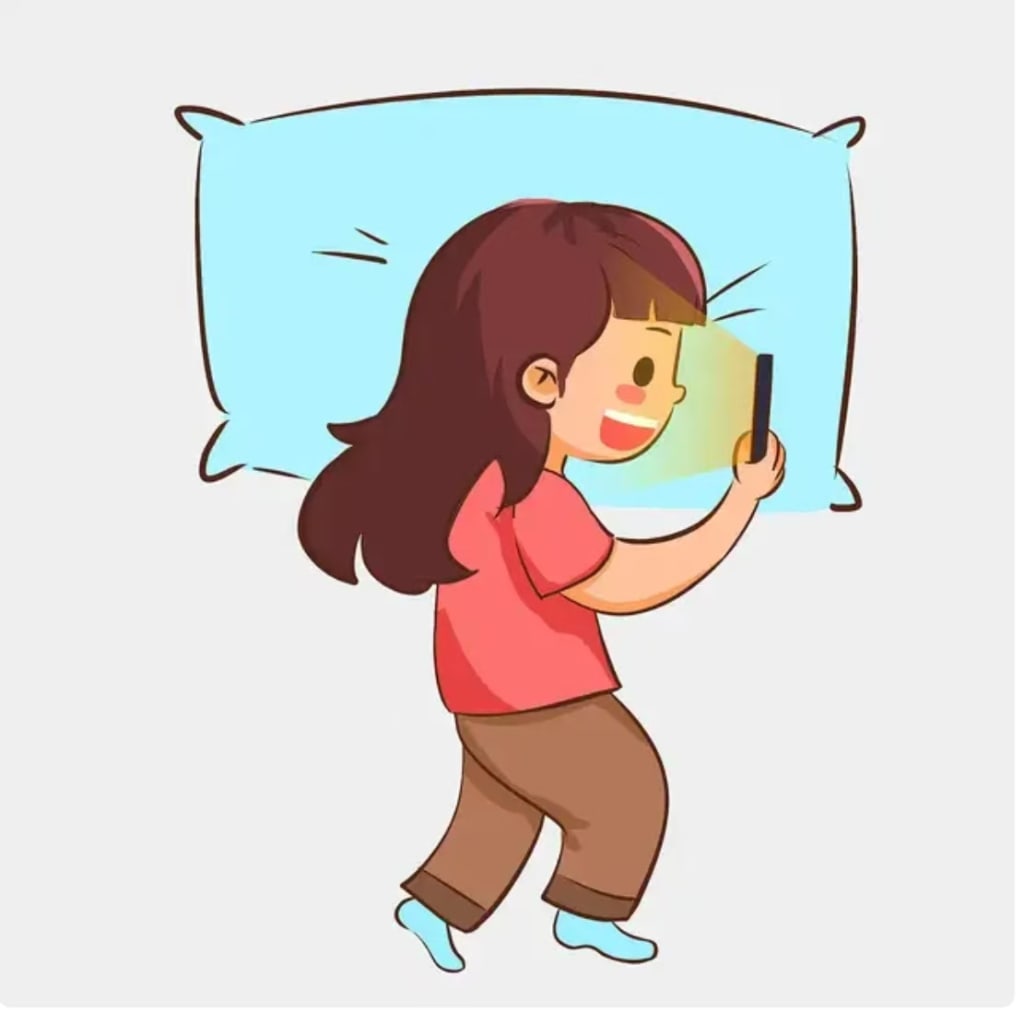
Have you ever tried leaving your phone behind for just an hour?
Walking down the street, your heart starts to race.
Sitting on the bus, you have no idea where to look.
Even waiting for someone for five minutes, you find yourself instinctively reaching into your pocket, searching—even if there’s no signal.
We think we use our phones by choice.
But the truth is, we’ve long been tethered to them.
For many of us, the phone isn’t a tool anymore—it’s an emotional safe haven.
It gives us quick hits of joy, yes.
But it also numbs us to the pain of real life.
You’re not addicted to your phone.
You’re avoiding reality.
So how dependent are today’s young people on their phones?
You open your eyes—and the first thing you do is scroll.
You walk, eat, go to the bathroom—with the screen still lit.
You stay up until 2 or 3 a.m., not wanting to end the day’s digital comfort.
But ask yourself: why do we cling to this little screen so tightly?
It’s not that we love our phones.
It’s that real life has become too heavy to bear.
Reality is lonely.
It’s dull.
It’s filled with anxiety and emptiness.
But your phone? It’s an instant comfort machine.
Scroll a little, and someone cracks a joke for you.
Tap a comment, and a stranger gives you validation.
Feeling down? There’s an AI, a streamer, or a creator ready to “talk” to you.
You could be talking to a friend face-to-face—but you send a sticker instead.
You could be reading, exercising, or learning—but short videos take up your whole night.
You had ways to heal—but the endless feed only leaves you emptier.
Your phone hasn’t set you free. It’s trapped you in a “virtual safety zone.”
You pour your heart out online, but you’re never truly understood.
You consume endless motivational content, but your life stays the same.
You watch others live their lives—because watching is easier than living.
This isn’t learning.
It’s using someone else’s life to sedate your own.
So what can we do?
The first step isn’t quitting your phone.
It’s returning to the rhythm of real life.
1. Set aside 1 hour a day—without your phone.
Even if all you do is stare off your balcony, take a walk, or write something down.
You’ll feel your brain slowly warming up.
Your emotions, finally moving again.
2. Replace your “auto-scroll” habits with something else.
Drink water.
Tidy something.
Write down what you’re feeling.
Take a deep breath.
These small actions help you regain control of your mind.
3. Ask yourself: Have you invested in the world outside your phone?
When was the last time you had a real conversation with your parents?
The last time you enjoyed a meal—without distractions?
The last time you did something for yourself, not just to avoid being alone?
Yes, life outside your phone is hard.
Because it’s real.
And real things are heavy.
But they’re the only things worth living for.
Your phone won’t ruin your life.
But relying on it to escape life will slowly numb you to everything that matters.
In the end, we’ll all need to reclaim our lives—
one real moment at a time.
About the Creator
Published in Portrait of New England
My quest to find many publications with prestige to submit to has worked out even better than I thought. I was searching for more publications with more prestige in order to bolster my resume. I truly thought I'd try this for a year and not get published anywhere... maybe if I was lucky... in one of them. And I was OK with that... I was just going to try again the following year, and the year after that, and so on.
By Stephen Kramer Avitabile27 days ago in Writers




Comments
There are no comments for this story
Be the first to respond and start the conversation.