
HOME PRODUCTS AS ALTERNATIVES FOR LAUNDRY DETERGENTS
Simple Home Alternatives to Replace Your Laundry Detergent
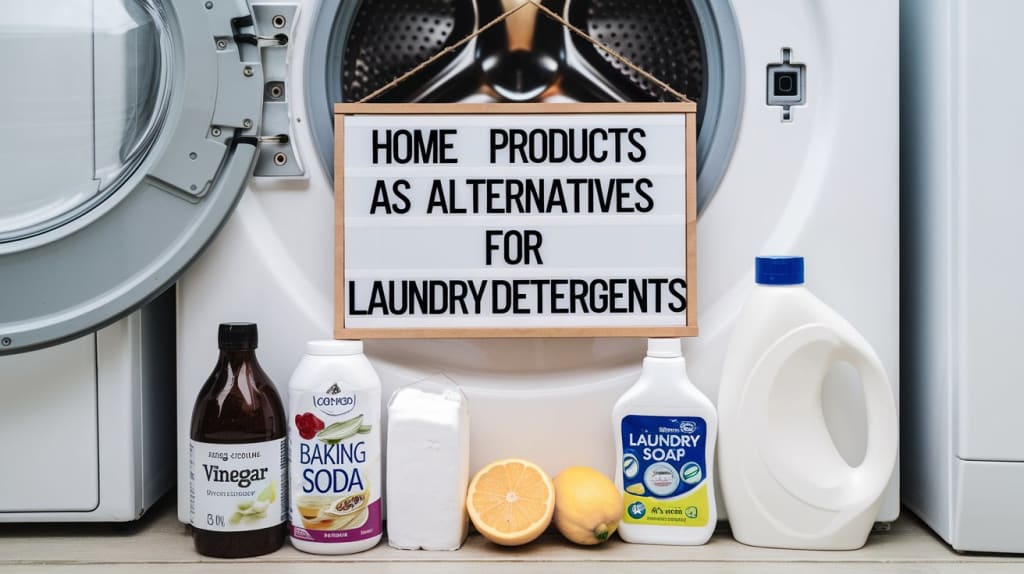
It is widely acknowledged that regular laundering of clothing is crucial; however, selecting the appropriate detergent for effective cleaning is a more complex matter. Many individuals have valid concerns regarding the use of commercial laundry detergents. One significant issue is the financial burden they impose, particularly for larger households that may consume detergent at a rapid rate, making it a relatively expensive household item. Additionally, there are pressing health and environmental issues to consider. Commercial detergents often contain harsh chemicals and toxins, including phenols and synthetic surfactants. Individuals with sensitive skin or allergies may experience adverse reactions from skin contact with these detergents, as well as from inhaling laundry powders. Furthermore, the environmental impact of commercial laundry detergents can be significant, as the phosphates found in many formulations can lead to algal blooms in natural water bodies. As indicated by a professional laundry service in Khalifa City, one can prepare a homemade laundry detergent that delivers similar cleaning power while avoiding the synthetic fragrances and chemicals often associated with commercial alternatives.
BAKING SODA
Sodium bicarbonate, commonly known as baking soda, is a naturally occurring compound that offers significant benefits for laundry care. It has been utilized for many years as an environmentally friendly substitute for traditional laundry detergents and in various household cleaning tasks. When you find yourself without laundry detergent, baking soda presents an excellent option. Its ability to break down bacteria on fabrics effectively eliminates odors, making it particularly suitable for washing sportswear or children's clothing. To use baking soda, simply add half a cup to your washing machine, either in the detergent drawer or directly into the drum. For a natural fabric softener, consider adding half a cup of white vinegar to the drawer during the rinse cycle. If white vinegar is unavailable, half a cup of lemon juice can serve as an alternative.
WHITE VINEGAR
Distilled white vinegar presents a suitable option for those with sensitive skin or for anyone seeking a chemical-free laundry solution. This vinegar will not leave any unpleasant odors on your clothing. After completing the wash and rinse cycles, your garments will be entirely odorless. It is important to avoid pouring vinegar directly onto the fabric, as this could potentially cause staining. Instead, mix half a cup of distilled white vinegar with one cup of water before adding it to the washing machine. Beyond providing clean clothes, using distilled white vinegar in your laundry in Reem Island offers numerous benefits. It can effectively loosen soap residues that accumulate on fabrics and is proficient in removing stains. For best results, dilute one cup of vinegar in a gallon of water and allow the items to soak overnight.
BORAX
As a natural mineral, borax has been in use for thousands of years around the globe. It is characterized by its soft, white powdery form that dissolves readily in water. The substance is notably alkaline, leading to the formation of a highly basic solution that effectively addresses acidic stains. Add ½ cup of borax powder to your laundry, and continue to wash and dry your clothing as per your standard practice.
SOAPNUTS
Soap nuts are an outstanding and economical alternative for laundry purposes, as their inherent saponins not only clean garments but also function as a fabric softener. Furthermore, they are reusable and biodegradable, making them suitable for the production of various household cleaning items. To utilize soap nuts, place 4-5 of them in a cotton bag and proceed with your regular laundry routine. They can be found in natural food stores, co-ops, health food shops, and retailers focused on natural living.
HYDROGEN PEROXIDE
Hydrogen peroxide (H2O2) serves as an effective oxidizing agent and can function as a bleaching agent. The 3 percent solution available in pharmacies, commonly used as a first-aid disinfectant, is also an excellent option for laundry purposes. As it decomposes into water and oxygen, hydrogen peroxide presents a more environmentally friendly alternative to traditional chlorine bleach. It is particularly effective in eliminating yellowing from underarms and removing dyes from stains caused by nail polish, curry, and red wine on white and light-colored fabrics. To enhance the brightness of clothes, add 1 cup of hydrogen peroxide to the washing machine drum or the automatic bleach dispenser prior to filling the machine with water. Alternatively, for treating a stain, apply undiluted hydrogen peroxide directly onto the affected area and allow it to sit for 10 minutes before proceeding with a normal wash. It is advisable to test a small, inconspicuous area of any non-white fabric before applying it to a stain to check for potential discoloration.
LEMON JUICE
Just as vinegar is known for its acidity, lemons also exhibit similar properties, making them highly effective natural stain removers. For the best results, it is advisable to use pure lemon juice, as artificial versions may contain harmful colorants that could damage fabrics. To utilize lemons in your laundry, add half a cup of lemon juice to your wash and proceed with your regular washing and drying process. For tackling deep-set stains, a pre-wash treatment can be beneficial: combine ⅓ cup of lemon juice with ⅔ cup of water, apply it to the stained area, and gently rub until the stain begins to fade. Then, wash your clothes as previously instructed, and enjoy the results of clean clothing.
TALCUM POWDER/CORNSTARCH/CHALK
Natural solutions such as talcum powder, baby powder, kitchen cornstarch, and plain white chalk are excellent for absorbing oily stains. If the oil or grease is treated promptly, these materials can effectively remove the stains from the fabric. To apply this technique, liberally sprinkle the oily area with baby powder, talcum powder, or cornstarch, or gently rub the stain with white chalk. Let the substance sit for at least 10 minutes to absorb the oil, and then brush it away. Afterward, wash or dry clean the garment according to the care label guidelines.
CONCLUSION
Adopting natural laundry detergents is a minor yet meaningful action that fosters a more environmentally aware lifestyle, in addition to safeguarding your skin and home surroundings. With numerous choices at your disposal, you can identify the solution that best meets your preferences, thereby contributing to a healthier planet.
About the Creator
Keep reading
More stories from writers in Writers and other communities.
John and Paul's Three-Word Haiku/Senryu Unofficial Challenge
Ladies and gentlemen, poets and literary vandals. I bring glad tidings from the land of hope and glory, (Hallelujah!, shout it from the rooftops, etc., etc., exit feckin’ stage left) a fat orange retard and a man whom I'd follow into battle. Well, whom I might follow into a pub fight. Okay, maybe not. (Stage right, then?) But, I'd definitely follow him to the pub if he was going to buy a round or two, John Cox. (Scotland’s on my bucket list … what da ya know bout that?) Oh, and the land of haggis, more scenery than people, Olympic standard swearing, comedy, film, literature, music, dance, beauty, whisky, and me, Paul.
By Paul Stewart3 days ago in Writers


Comments
There are no comments for this story
Be the first to respond and start the conversation.